Best Air Purifier With Humidifier for 2026: Complete Buying Guide
Disclosure: We may earn a commission when you buy through links on this page, at no extra cost to you. As an Amazon Associate I earn from qualifying purchases. Learn more

One unit that filters and humidifies: learn what to check in coverage, filters, tank size, noise and cleaning before choosing a combined purifier.
Dry indoor air and dusty indoor air often arrive together, especially when heating runs for months and windows stay closed. A best air purifier with humidifier search usually starts because you want one machine that filters particles and adds moisture, instead of two machines competing for floor space and outlets. The catch is that the two jobs pull in different directions, so a combined unit always involves trade offs you should understand before you buy.
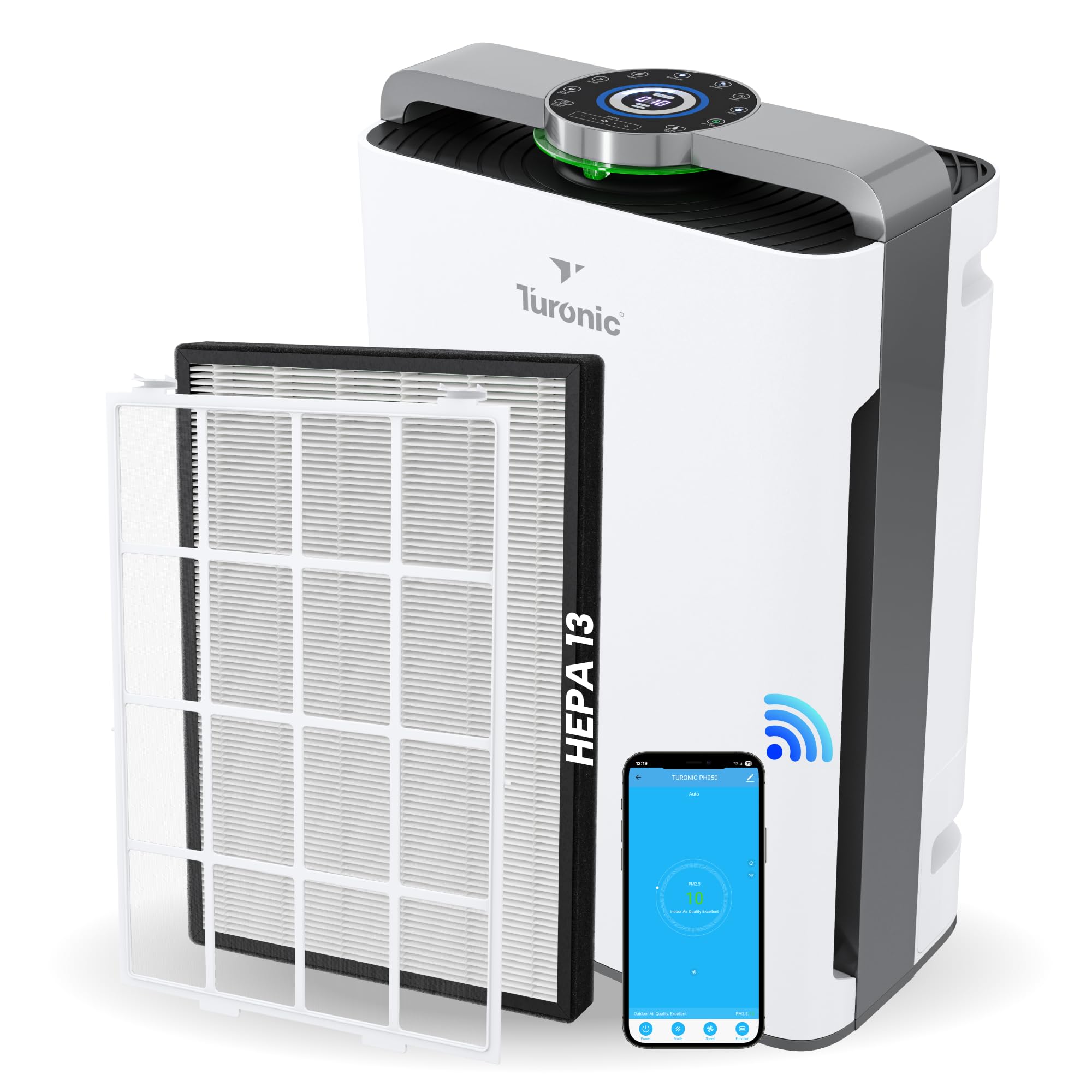
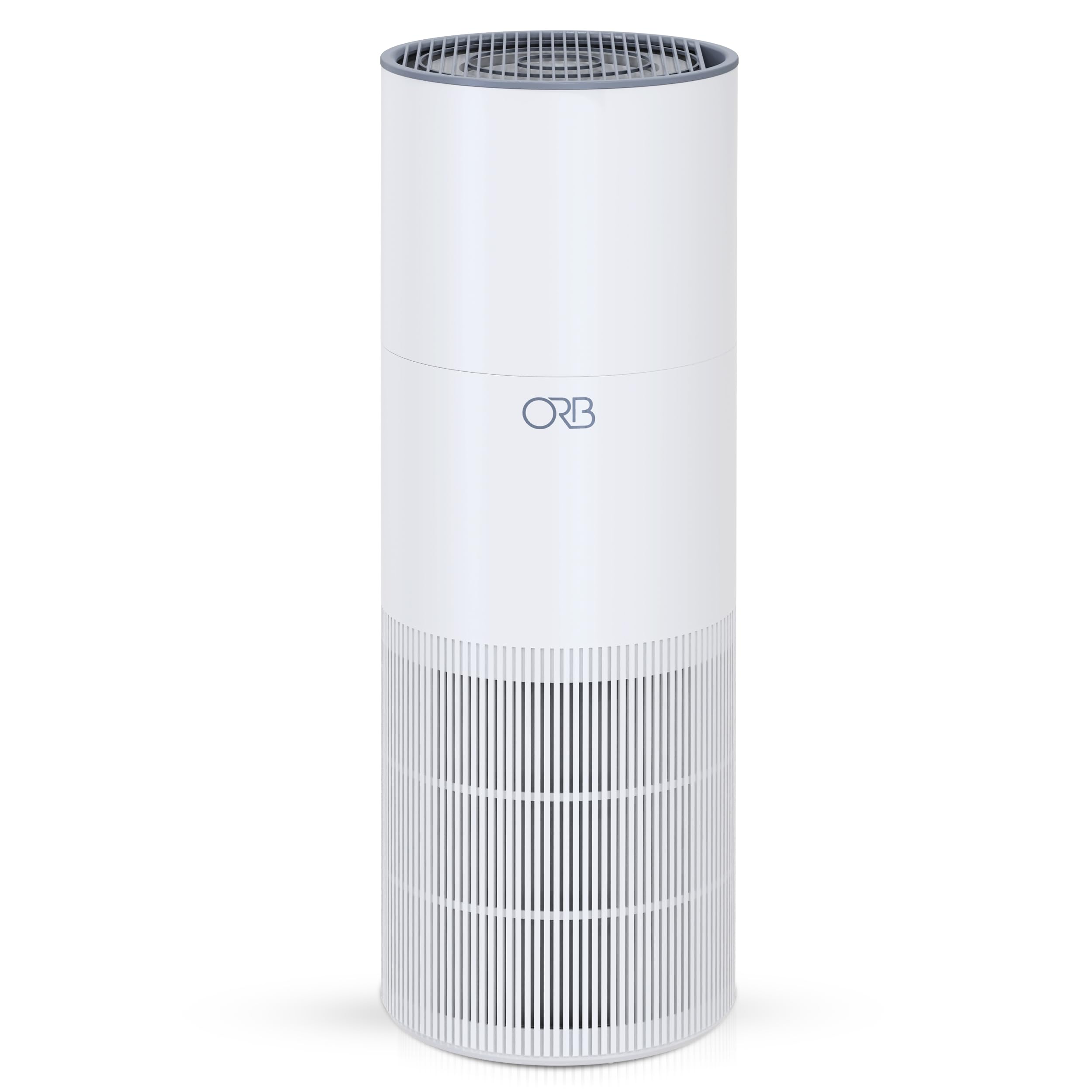
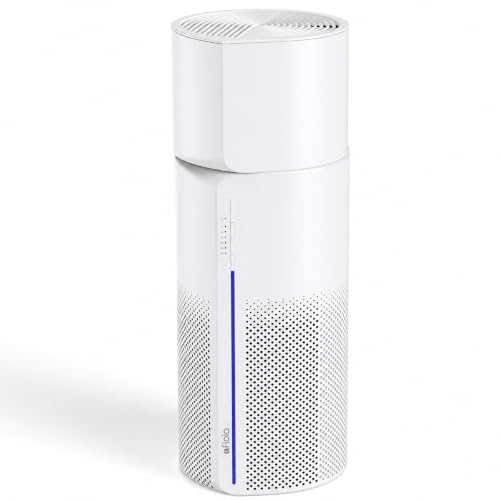
This guide walks you through coverage, filtration, humidifier type, noise and upkeep so you can match a unit to your room and your routine. The product table sums up the main types side by side, and the sections that follow explain which specs actually matter for bedrooms, living rooms and allergy prone homes.





Three Buying Profiles and What to Prioritize
Most buyers fall into one of three groups, and each group should weight the specs differently. Start with your group, then use the feature sections below to check the details.
Everyday comfort in a dry living room
You want relief from dry skin, scratchy throats and static, plus cleaner air for daily dust and cooking odors. Prioritize a tank that holds at least 3 to 4 liters so you are not refilling daily, a coverage rating that matches your room with headroom to spare, and a carbon stage for odors. A simple display showing current humidity helps you keep the room in the 30 to 50 percent range without guessing.
Allergy relief in a dry bedroom
You wake up congested, and dry air makes your nose and throat feel worse overnight. Prioritize a true HEPA filter, a sealed housing so air cannot bypass the filter, and a quiet sleep setting you can run all night. If pollen, dust mites or pet dander drive your symptoms, our guide to the best air purifier for allergies explains filtration for those triggers in more depth. See a doctor if symptoms persist, worsen or include wheezing, because a purifier supports comfort and does not treat a medical condition.
Large rooms and open plan spaces
You need one unit to serve a big living area, and both dust and dryness are spread across that whole space. Prioritize a high CADR rating and a humidifier output rated for large rooms, and accept a bigger footprint and a larger tank. Be realistic about reach, because a single combined unit placed in one corner will clean and moisten the air near it far better than air at the far end of the room.
How to Judge Coverage, Performance and Noise
Judge a combined unit on both jobs separately, because strong marketing for one function can hide a weak second function. For purification, look at CADR and the stated room coverage in square feet. For humidifying, look at moisture output and tank size rather than coverage claims alone. Then check noise in decibels on the lowest and highest speeds, daily energy use in watts, and whether the maker lists filter life and tank cleaning steps clearly. If you are unsure whether filtration alone would solve your problem, the overview at do air purifiers work sets out what purifiers can and cannot remove from indoor air.
Smart features deserve a cooler head. An air quality sensor that raises fan speed when dust spikes is genuinely useful, and a humidity sensor that pauses misting at your target level prevents overdoing it. WiFi control and app reports are nice extras, but they do not clean air or add moisture any better, so treat them as convenience rather than performance.
Key Features to Compare Before You Buy
Size and form factor
Combined units come as compact desktop models, midsize tower shapes and larger console units that sit on the floor. Desktop models suit a nightstand or desk in a small room, but their tanks are small and their coverage is modest. Tower and console designs hold more water and move more air, which suits bedrooms and living rooms. Measure your spot before ordering, and leave clear space around the intake and outlet so air can circulate freely.
Filter and humidifier types
For filtration, a true HEPA filter captures fine particles such as pollen, dust and pet dander, while an activated carbon stage helps with odors and some gases. Some units add a washable pre filter that traps hair and large dust and extends the life of the main filter. For humidifying, evaporative designs use a wick and a fan and tend to self regulate, while ultrasonic designs make a fine cool mist quietly but can leave white dust if your tap water is hard. A true HEPA filter paired with a humidifier is the most common setup, since it covers both fine particles and dry air in one housing.
Room size and coverage ratings
Match the purifier coverage rating to your room, and choose a rating above your actual square footage so the unit can run on a lower, quieter speed and still exchange the air often enough. A unit rated for 300 square feet in a 200 square foot bedroom has useful headroom, while the same unit in a 500 square foot living room will struggle. Check the humidifier rating the same way, because moisture output is often rated for a smaller area than the purifier coverage on the same box.
Noise levels for bedrooms
Noise decides whether you will actually run the unit at night. Look for a sleep mode rated at a low decibel level, a display that dims or turns off, and a fan that does not whine when it changes speed. Ultrasonic humidifying is near silent, while evaporative designs add fan noise because air must pass through the wet wick. If you are a light sleeper, place the unit across the room rather than beside the bed, and run it higher in the evening so you can drop it down before sleep.
Running cost and energy use
The purchase price is only part of the cost. Add up replacement HEPA and carbon filters each year, wick replacements on evaporative models, and the electricity used by a fan that may run all day. Combined units use modest power, usually similar to a small fan, but filter costs vary widely between designs. A lower priced unit with costly filters that need changing every few months can cost more over two years than a pricier unit with longer filter life.
Tanks, filters and daily upkeep
A tank you can lift, carry and wash under a tap will get cleaned, while an awkward tank will not. Look for a wide opening, a flat base that sits steady in the sink, and parts that come apart without tools. Check how the maker wants the wick or mist outlet cleaned, and whether descaling is needed in hard water areas. This upkeep is not optional detail, because a damp tank and wick that sit unwashed can grow mold and bacteria and then spread them into the air you breathe.
How much should you spend?
Small desktop combined units often cost under $100, and they suit a nursery corner or a home office desk. Midsize bedroom and living room models usually sit at about $150 to $300, and this is where larger tanks, true HEPA filters and humidity sensors become common. Larger console units for open plan spaces can run about $300 to $500. Spend first on coverage, filtration and tank size, and only then on app features and styling.
Do You Really Need a Combined Unit?
A combined unit makes sense when your room is both dusty and dry, floor space is tight, and you will honestly maintain one machine better than two. It makes less sense when one problem dominates, because a dedicated purifier usually offers stronger filtration for the money and a dedicated humidifier usually offers a bigger tank and higher moisture output. The side by side breakdown in air purifier vs humidifier helps if you are still deciding whether you need one function or both.
Damp homes are the clear exception. If your rooms already feel muggy, if condensation forms on windows, or if you can see or smell mold, adding moisture is the wrong move. In that case compare your options in air purifier vs dehumidifier instead, and deal with the moisture source first. Large or spreading mold growth needs professional remediation, and a purifier of any kind is not a substitute for fixing leaks and ventilation.
If you only need cleaner air and your humidity already sits in a healthy range, a purifier only model is simpler, cheaper to run and easier to clean. Our main guide to the best air purifier covers those standalone options. A combined unit earns its place when dryness is a real, recurring problem in the same room where you want cleaner air.
Common Mistakes to Avoid
- Buying by room size claims alone, so the humidifier side is too weak for the room even though the purifier side looks strong on paper.
- Running the humidifier without a humidity target, which pushes indoor humidity above 50 percent and encourages mold and dust mites.
- Skipping tank washing for weeks, so the unit spreads a musty smell instead of cleaning the air.
- Placing the unit in a corner or behind furniture, which blocks intake air and leaves mist pooling on nearby surfaces.
- Ignoring hard water, so an ultrasonic model coats the room in white dust and clogs sooner than expected.
- Expecting one combined unit to serve a whole house, when coverage ratings describe a single enclosed room.
Care and Cleaning for a Combined Unit
Empty and rinse the tank daily when the humidifier runs every day, and wash it with mild soap at least once a week. Let the tank and wick air dry when the unit will sit unused, because stored damp parts grow mildew quickly. If you use tap water in an ultrasonic model, descale the base and outlet as the maker directs, or switch to distilled water to cut mineral build up.
Vacuum or rinse the pre filter on the schedule in the manual, and replace the HEPA and carbon stages when the indicator lights or at the stated interval, whichever comes first. Wipe the air quality sensor lens gently so dust does not fool the auto mode. Keep a simple routine tied to a weekly chore, and the machine will keep doing both jobs well instead of quietly becoming a source of odor.
Frequently Asked Questions
What type of air purifier with humidifier suits most homes?
A midsize evaporative or ultrasonic unit with a true HEPA filter suits most homes. Evaporative designs regulate moisture more gently and avoid white dust, which helps in hard water areas. Ultrasonic designs run quieter and suit light sleepers. Either way, choose a tank of at least 3 liters and coverage above your room size so daily use stays easy.
Is a combined purifier and humidifier worth buying?
Yes, a combined unit is worth buying when one room is both dry and dusty and space is limited. It is less worthwhile when you need very strong filtration or very high moisture output, since dedicated machines do each single job better. Think of the combined design as a space saving compromise, and judge it honestly against how severe each of your two problems is.
How long does a purifier take to clean a room?
Most purifiers noticeably reduce airborne particles in a closed room within 30 to 60 minutes of running on a higher speed. The exact pace depends on CADR, room size and how much dust or pollen keeps entering. A useful extra check is to watch the air quality readout fall after cooking or vacuuming, which shows the unit reacting to a real particle spike.
What size purifier and humidifier do I need for a bedroom?
For a bedroom, choose purifier coverage at least one and a half times the room area and a tank that can run through the night. A 150 to 250 square foot bedroom pairs well with coverage rated at 300 square feet or more. That headroom lets you use a quiet speed overnight instead of a loud top speed that disturbs your sleep.
How often should I change the filter in a combined unit?
Most combined units need a new HEPA and carbon filter every 6 to 12 months, and evaporative wicks often need changing sooner. Homes with pets, smokers or heavy dust may hit the early end of that range. Watch for falling airflow or a return of odors at normal speeds, since those signs can appear before the indicator light does.
Can a purifier with a humidifier help with dry skin and sinuses?
Yes, raising very dry indoor air toward 30 to 50 percent humidity can ease dry skin, chapped lips and irritated sinuses for many people. The purifier side also lowers the dust load that can aggravate your nose overnight. If you have ongoing sinus pain, nosebleeds or breathing trouble, talk with your doctor rather than relying on any home appliance for relief.
Final Thoughts
The right choice balances both jobs instead of chasing the strongest claim on the box. Use the product table to compare types, then check CADR, tank size, noise and filter costs against your room and your cleaning habits. Chosen that way, the best air purifier with humidifier for your home is simply the combined unit you will run every day and wash every week, sized honestly for the one room where you need it most.