Best Air Purifier for Odors: A Practical Buying Guide for 2026
Disclosure: We may earn a commission when you buy through links on this page, at no extra cost to you. As an Amazon Associate I earn from qualifying purchases. Learn more

Remove cooking, pet and smoke smells with enough activated carbon and airflow, sized to your room, with filters you can afford to replace.
Cooking smells that linger until morning, a litter box you notice the moment you walk in, and stale air in a closed bedroom all share one problem. The smell comes from gases in the air, not just dust, and many purifiers are built mainly for particles. Choosing the best air purifier for odors starts with carbon filtration, because that is the stage that traps odor molecules instead of simply moving scented air around the room.
This guide walks you through carbon weight, room sizing, noise, and running costs so you can match a unit to the smell you actually want to remove. You will find buyer profiles, the features that matter most, and the mistakes that leave people disappointed. Start with the product table, then use the sections that follow to check whether a model has enough carbon and enough airflow for your space.
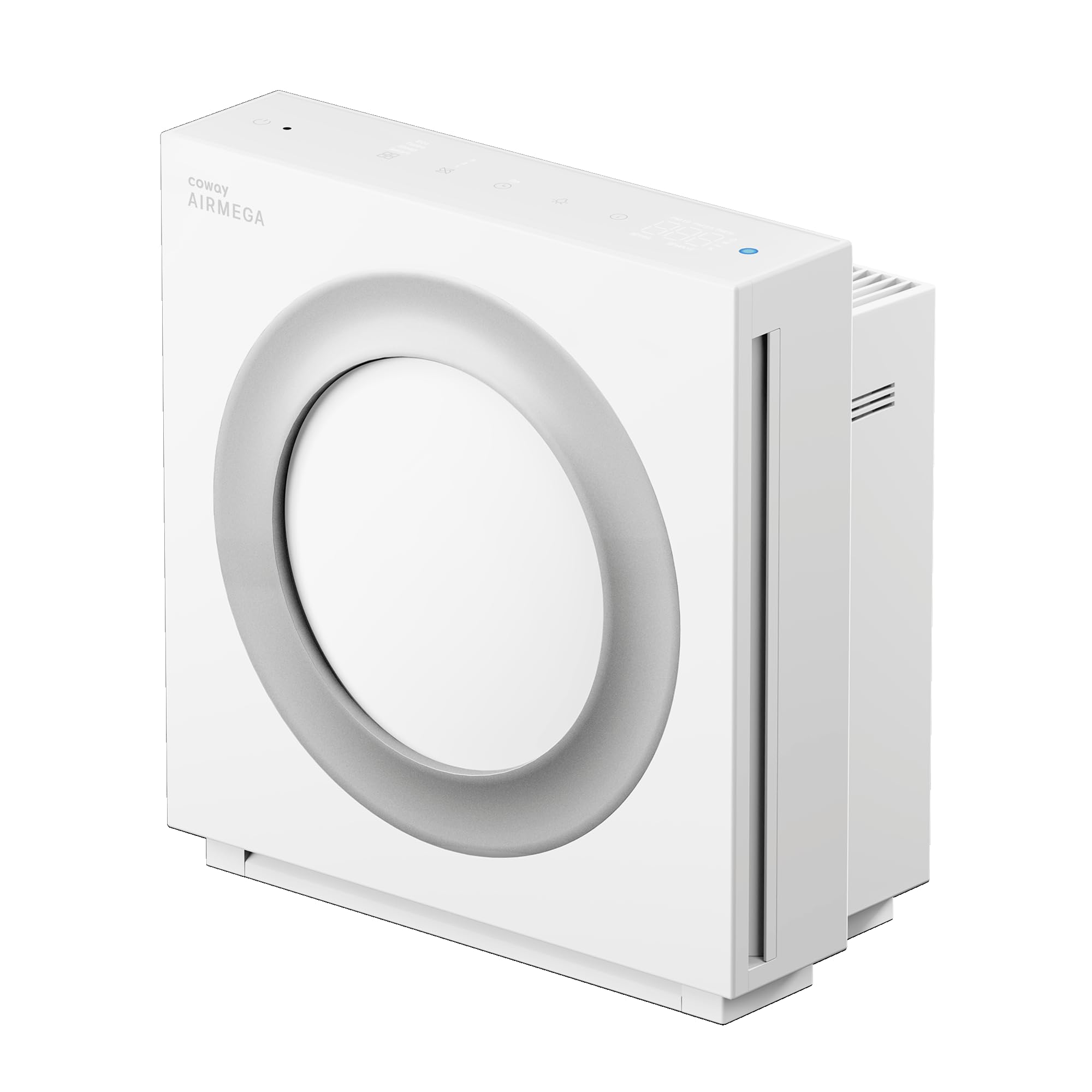


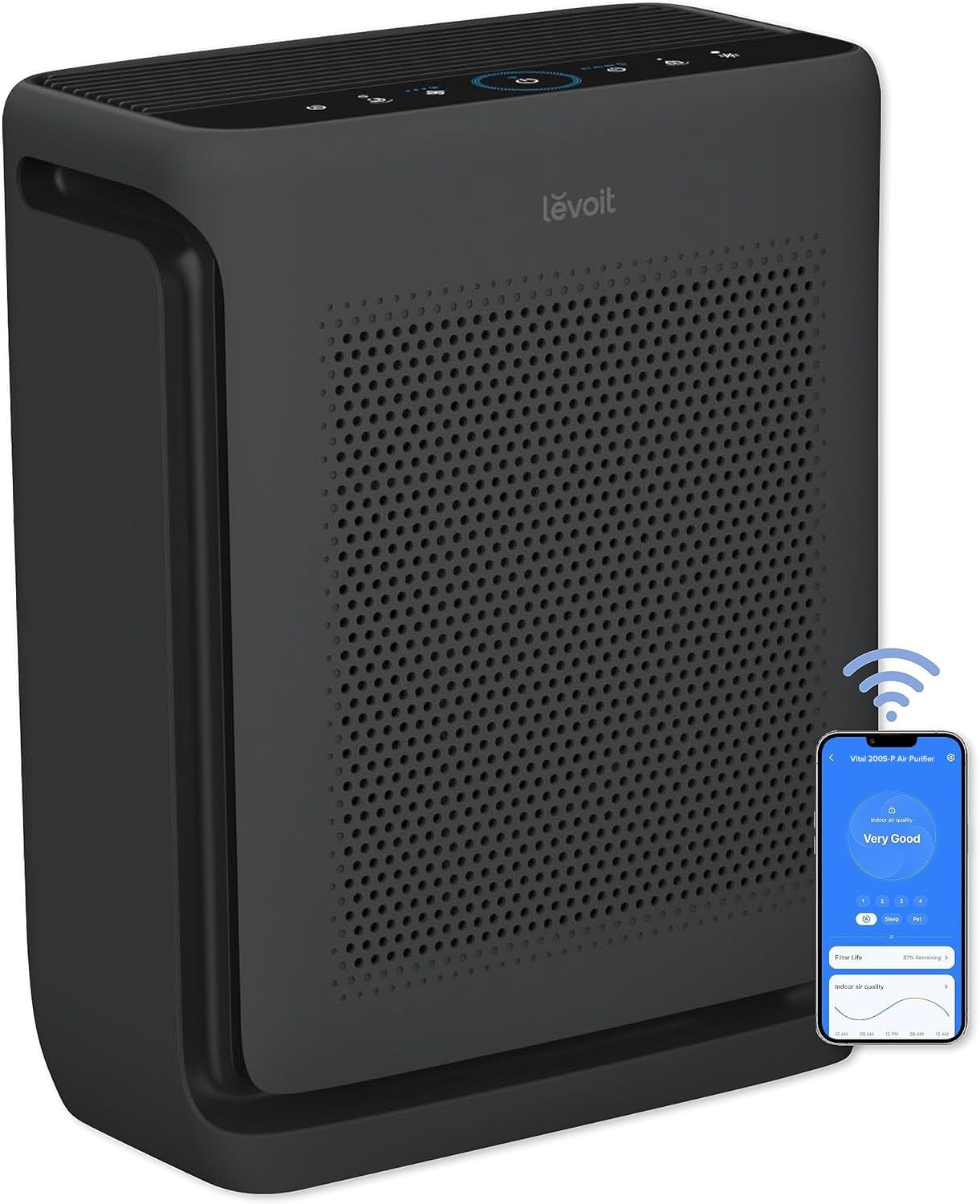
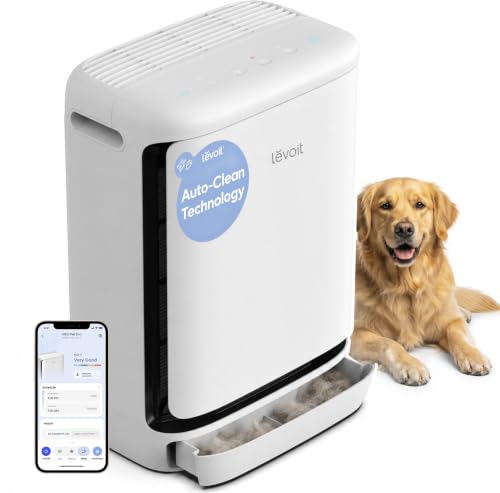
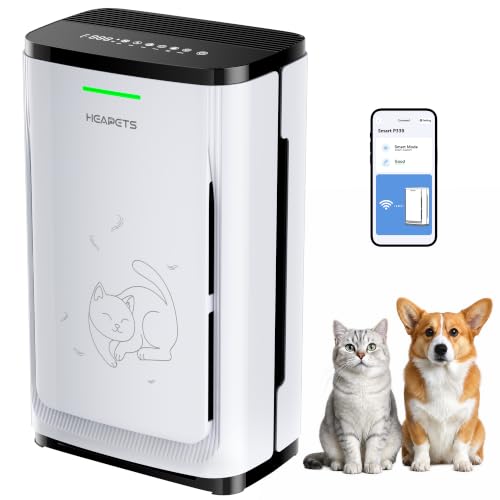


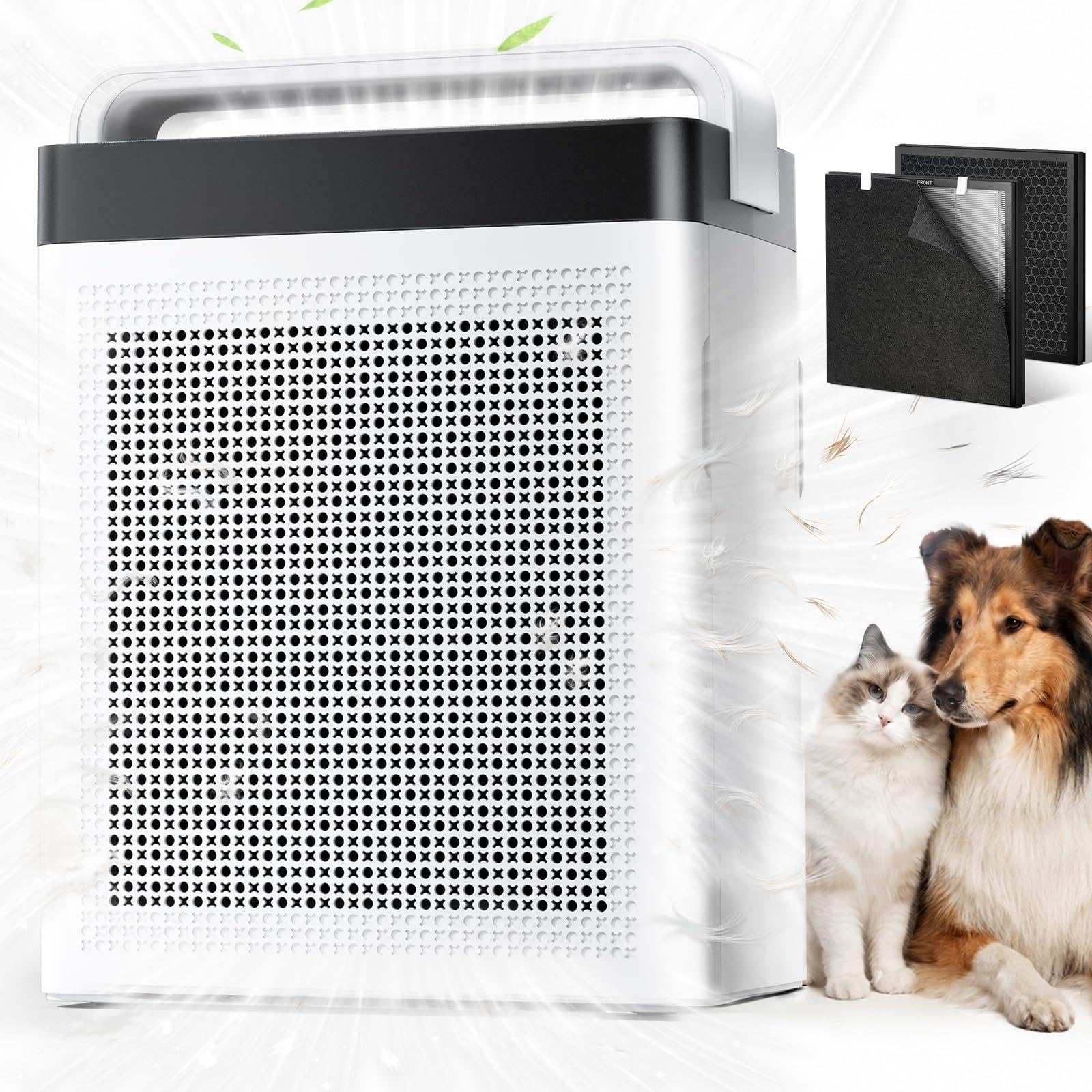
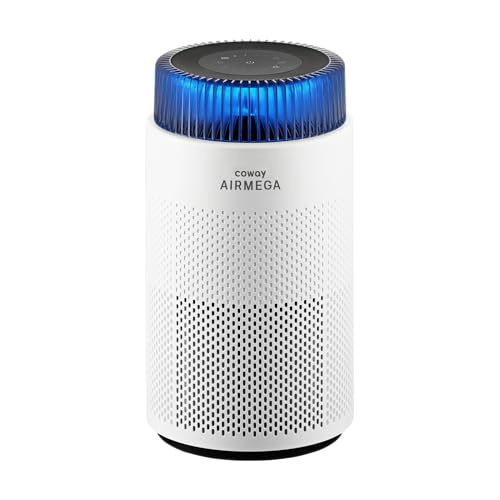
Who Should Buy Which Air Purifier for Odors?
Households Fighting Cooking and Kitchen Smells
If frying, spices, or a gas stove leave smells that drift into soft furnishings, you need a unit with a thick bed of activated carbon and enough airflow to cycle kitchen air several times an hour. A tower unit placed near the kitchen entrance, but clear of steam and grease splashes, usually works better than a small desktop unit on a counter. Look for a washable prefilter you can rinse often, because grease coated prefilters choke airflow and shorten the life of the carbon behind them.
Pet Owners Dealing With Litter and Dander Odors
Pet smells combine two loads at once, gases from litter and waste plus particles such as dander and hair. You need both stages working, a particle filter for the dander and a generous carbon stage for the smell itself. Placement matters as much as specs here, so plan to run the unit in the room where the litter box or bedding sits rather than down a hallway. Our guide to the best air purifier for pets goes deeper on hair load and prefilter care for homes with shedding animals.
People Tackling Smoke and Stale Room Smells
Tobacco smoke, wood smoke that drifts in from outside, and musty spare rooms produce strong gases that exhaust thin carbon pads within weeks. For these rooms, prioritize the largest carbon capacity you can fit and afford to replace, and treat maker claims about years of filter life with caution. Source control still matters most, so seal gaps, ventilate when outdoor air is clean, and let the purifier handle what remains. If damp is part of the smell, compare your options in our air purifier vs humidifier guide before you buy the wrong appliance for the job.
Key Features to Compare
Activated Carbon Weight and Bed Depth
Carbon is the single most important spec for odor removal, and the weight of carbon matters far more than a thin carbon coated sheet. Activated carbon traps gas molecules on its vast internal surface, and more carbon means more surface and a longer working life before saturation. A pad that weighs a few ounces may freshen a small bathroom, but a kitchen or smoking room needs pounds of granular or pellet carbon. When a listing hides the carbon weight entirely, treat that silence as a warning sign and look for a model that states it plainly.
Particle Filtration Alongside Carbon
Odors rarely travel alone, because cooking, pets, and smoke all release fine particles along with gases. A high grade particle filter captures dust, pollen, dander, and smoke particles so they do not settle on surfaces and release smells later. It also protects the carbon stage, since particles that cake onto carbon block the pores it needs for gas capture. If allergies are part of your picture too, our overview of the best air purifier options explains how particle performance is rated across room sizes.
CADR and Air Changes Per Hour
Clean air delivery rate, shortened to CADR, tells you how much filtered air a unit delivers on its top setting, and it decides whether carbon gets enough contact with room air. A common sizing rule is to choose a smoke CADR of at least two thirds of your room area in square feet. For odor work, aim for four to five air changes per hour in the problem room, because gases build up again as soon as a new meal, litter tray, or cigarette adds more. A slightly oversized unit run on a medium speed usually beats a small unit straining on its loudest setting.
Air Quality Sensors and Auto Mode
Many sensors react strongly to particles but weakly to gases, so a unit in auto mode may slow down while a cooking smell is still obvious to your nose. Some models include a gas sensor that responds to volatile organic compounds, and those hold fan speed up for longer after a smell event. Auto mode still saves energy during clean periods and works well overnight. Just try yours with a real odor source during the first week, and switch to a fixed medium speed if the fan drops before the smell clears.
Noise Levels for Bedrooms and Living Rooms
Odor removal needs airflow, and airflow makes noise, so the quietest setting on most units moves too little air to clear a strong smell quickly. Check the decibel rating at medium speed rather than the sleep setting, because medium is where the unit will live most of the day. Around 30 to 40 decibels suits most bedrooms, while living rooms tolerate more. A practical pattern is to run a higher speed for the first hour after cooking or cleaning a litter box, then drop to a quieter speed that still turns the air over steadily.
Filter Replacement Cost and Availability
The purchase price is only part of what you will spend, because carbon stages for odor heavy homes may need replacing every three to six months rather than once a year. Add up the yearly cost of the carbon filter and the particle filter before you commit, and check that replacements are sold by more than one retailer. A cheaper unit with costly, scarce filters can pass a pricier model in total cost within two years. Note the replacement interval the maker quotes for light use, then plan on a shorter interval if your odor source runs daily.
How to Choose the Right Size and Type
Size and Form Factor
Small desktop units suit a single bathroom or a nursery changing area, but they carry little carbon and suit mild, occasional smells only. Floor standing tower and box units hold far larger filters and serve bedrooms, kitchens, and living rooms where odors are strongest. Whole house coverage from one machine is rare in practice, because closed doors block airflow between rooms. Most homes do better with one well sized unit in the worst room and, if needed, a second smaller unit elsewhere. Leave several inches of clearance around intakes and outlets so the rated airflow is actually reached.
Filtration Types Explained
True HEPA media captures very fine particles but does nothing for gases on its own, so always pair it with carbon for odor work. Ionizers and ultraviolet lamps add little for household smells, and some ionizing designs can release ozone, which irritates airways and creates its own sharp smell. Look for ozone free certification if a model includes any electronic air cleaning feature. Washable particle prefilters are worth having because they catch hair and large dust before it loads the main filters. In short, carbon plus particle filtration is the core pairing, and everything else is secondary.
What Matters Most in an Air Purifier for Odors
The honest answer to whether these machines help is that the right design helps a lot and the wrong design barely helps at all, which is why our explainer on whether do air purifiers work separates particle claims from gas claims. Odor control is a race between how fast a source adds gases and how fast carbon can trap them. Ventilation, cleaning the source, and removing soaked materials such as old carpet padding often cut the load more than any appliance. Use the purifier as the finishing step in that chain, keep doors to the problem room closed while it runs, and give it hours rather than minutes after a strong event.
Common Mistakes to Avoid
- Buying a particle only unit with a token carbon sheet and expecting it to remove cooking or smoke gases.
- Sizing by the largest room claim on the box, which often assumes low ceilings and very light pollution.
- Placing the unit in a hallway or behind furniture, where blocked airflow leaves the problem room untreated.
- Trusting auto mode alone, when the sensor tracks dust well but responds weakly to odor gases.
- Stretching a saturated carbon filter for months, after which it can release trapped smells back into the room.
- Ignoring the source itself, such as a full litter tray, a grease clogged range hood filter, or damp hidden behind a wall.
How to Make Your Air Purifier Last Longer
Vacuum or rinse the prefilter every two to four weeks, because a clogged prefilter cuts airflow and forces the fan to work harder for less cleaning. Keep the unit away from direct steam and heavy grease, which coat filters quickly, and wipe dust from the intake grilles when you clean the room. Store spare filters sealed in a cool, dry place, since loose carbon slowly adsorbs smells from the air around it even before use. Track replacement dates on a calendar note rather than relying on the indicator light alone, and never wash a carbon or particle main filter unless the maker states it is washable, because water ruins the media.
FAQ
What is the best air purifier for odors in a typical home?
The best choice for a typical home is a floor unit with pounds rather than ounces of activated carbon, a strong particle filter, and a CADR matched to your largest problem room. One extra point worth knowing is that a sealed filter housing matters too, because air that leaks around the filter edges never touches the carbon. Check that the filter fits snugly with no visible gaps when you install it.
What should I look for in an air purifier for odors?
Start with stated carbon weight, then check CADR, medium speed noise, and the yearly cost of replacement filters. Also look at the intake layout, since units that draw air from several sides are easier to place against a wall without losing performance. A good air purifier for odors should make its filter sizes and prices easy to find before you buy, not hidden behind a parts search.
How long does an air purifier take to clear odors from a room?
A correctly sized unit usually makes a clear difference within 30 to 60 minutes and clears most everyday smells within a few hours of steady running. Timing depends on whether the source is still active, so a pan still frying on the stove will defeat any machine until cooking stops. For a one off event such as burnt toast, open a window for a short burst of ventilation first, then close it and let the purifier polish the remaining air.
What size air purifier do I need for a smelly room?
Measure the room, multiply length by width for square footage, and pick a unit whose smoke CADR is at least two thirds of that number. For persistent odors, step up one size beyond that minimum so you can run a quieter medium speed and still get four or more air changes each hour. Rooms with high ceilings hold more air than the standard rating assumes, so treat a nine or ten foot ceiling as another reason to choose the larger size.
How often should I change the carbon filter in an air purifier?
Carbon filters in odor heavy homes often need changing every three to six months, well before the particle filter wears out. A simple test helps here, because if smells return within an hour of the unit running and the room was cleared earlier the same day, the carbon is likely saturated. Households with mild, occasional odors may stretch closer to the maker interval, but daily cooking, smoking, or litter loads will always shorten filter life.
Can an air purifier remove odors without ventilation or cleaning?
An air purifier can reduce odors on its own, but it works far better alongside basic ventilation and regular cleaning of the source. One point many buyers miss is that soft furnishings hold smells and release them slowly, so washing throws, cushion covers, and pet bedding removes a reservoir the purifier would otherwise fight for weeks. Think of the machine as steady background control rather than a substitute for dealing with what causes the smell.
Final Thoughts
Odor control comes down to three things, enough activated carbon to trap gases, enough airflow to cycle the room air often, and filters you can afford to replace on time. Match the unit to your worst room, place it where air moves freely, and deal with the source of the smell alongside the machine. Compare your finalists against the product table, and you will be well placed to choose the best air purifier for odors for your home. Prices and availability can change, so check the product page before ordering.