Best Solar Powered Outdoor String Lights: A Complete Buying Guide
Disclosure: We may earn a commission when you buy through links on this page, at no extra cost to you. As an Amazon Associate we earn from qualifying purchases. Learn more
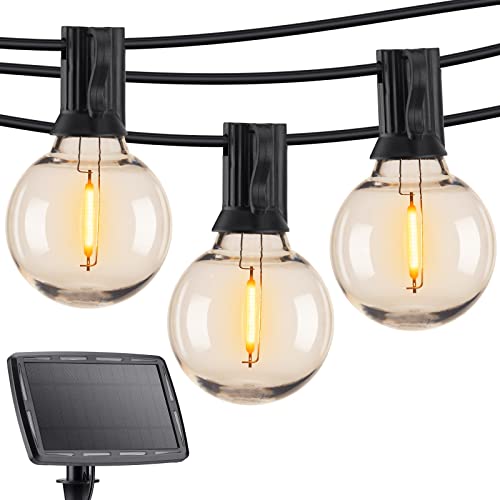
A patio strung with warm little bulbs reads as an invitation. A driveway lined with stake lights reads as a boundary. Both run on the same solar technology, but they solve completely different problems, and mixing up their design rules is why so many string light setups end up dim, sagging, or dark by 10 p.m.
Solar string lights are not a smaller version of a solar spotlight or a stripped-down security fixture. They are built around one goal: soft, even light across a space where people sit, eat, and linger after sunset. That goal changes everything about how the lights are sized, mounted, and charged compared to fixtures meant for navigation or security.
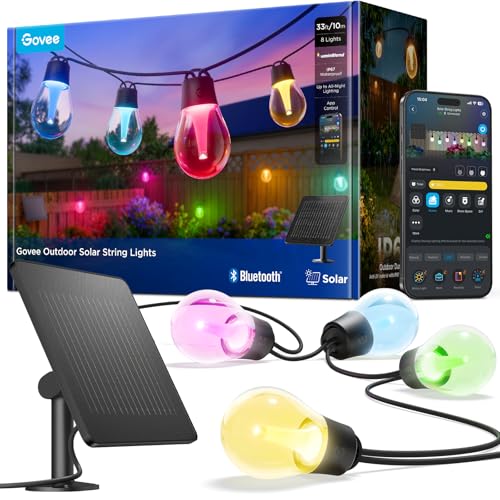
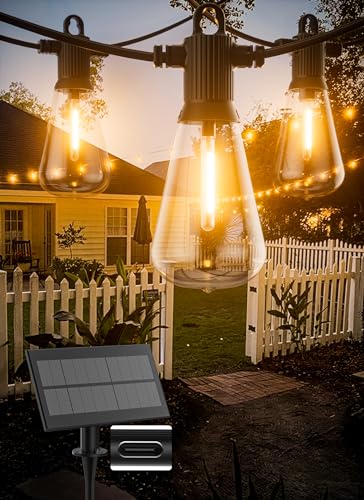
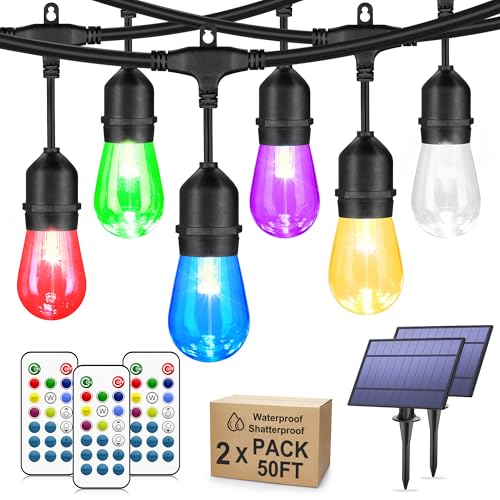
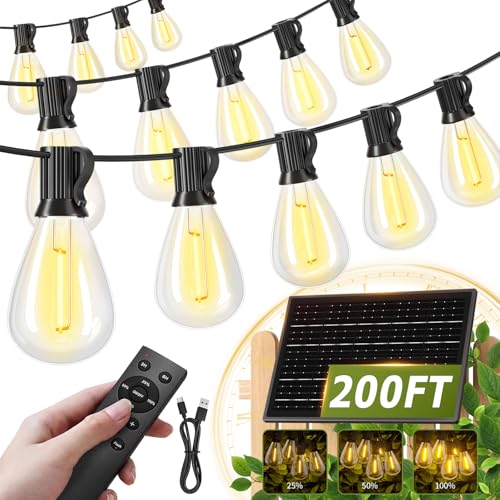
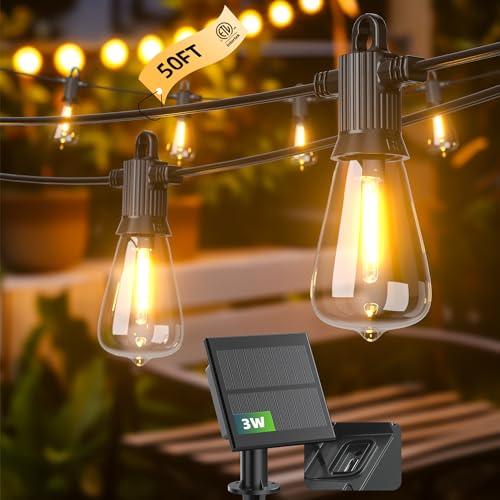
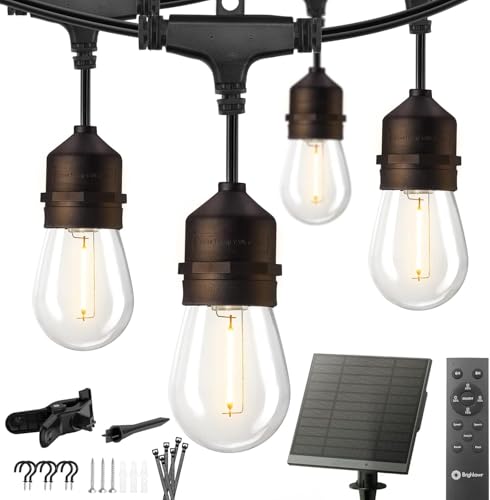
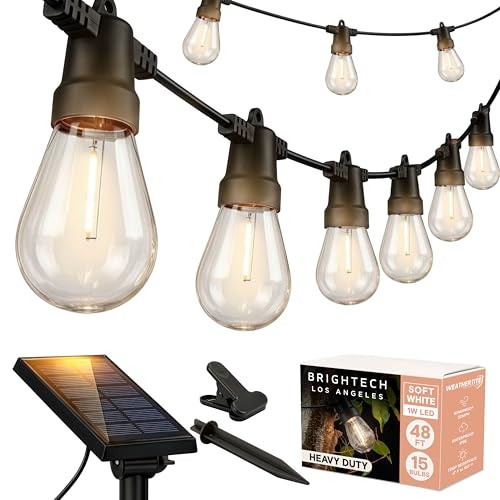
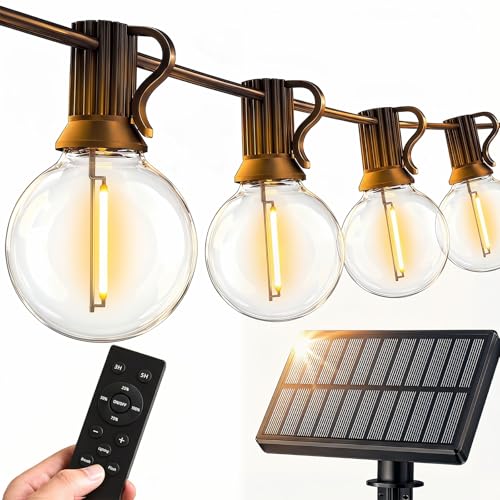
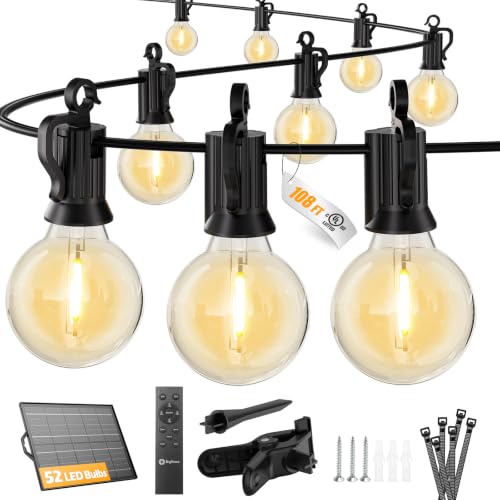
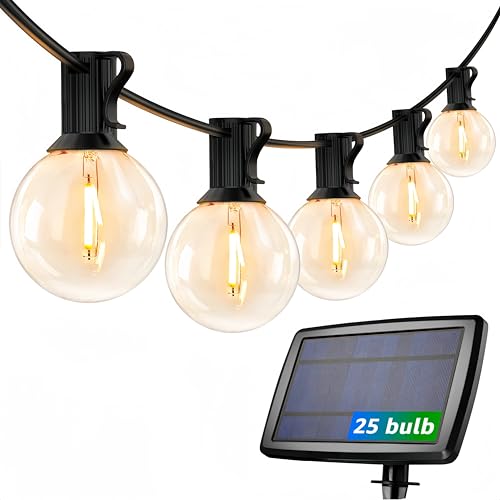
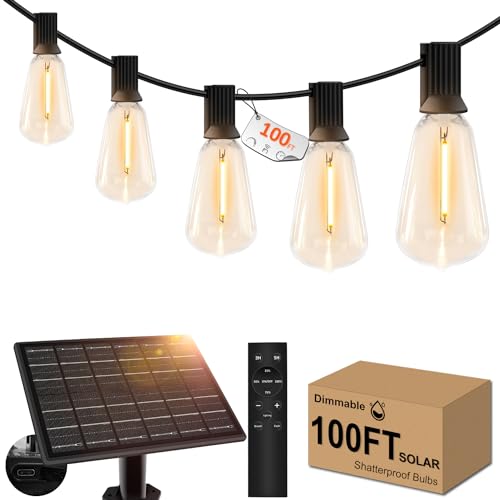
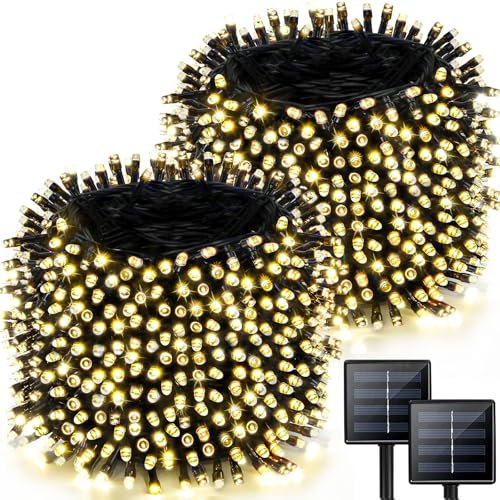
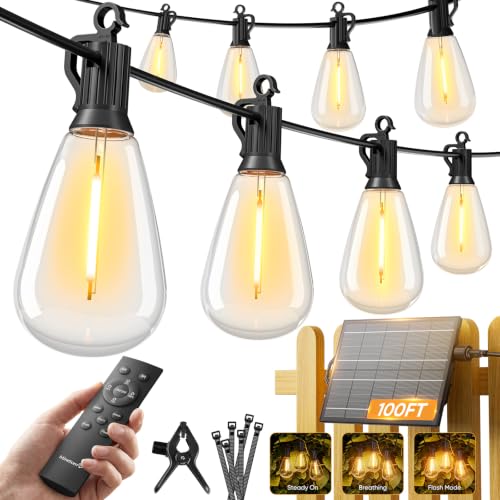
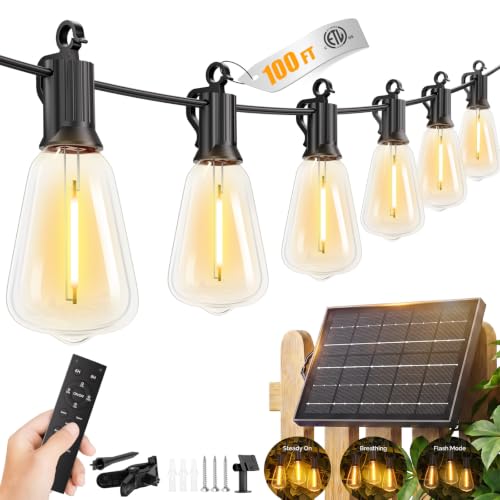
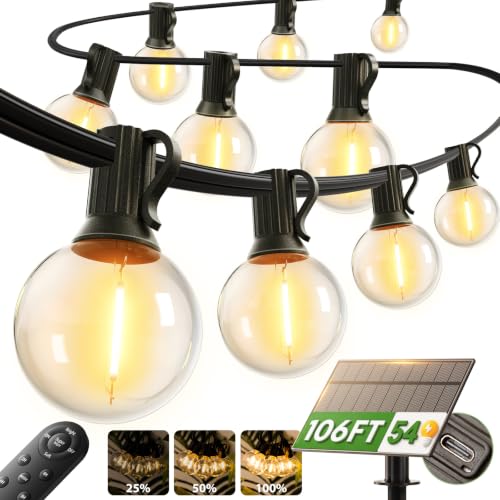
String Lights vs. Functional Solar Fixtures: A Different Job Entirely
Most solar lighting in a yard is doing a specific task. Pathway lights mark where to step. Driveway lights outline a boundary for cars. Motion sensor lights react to movement near a door or gate. Each of those fixtures is judged on brightness, throw distance, and reliability at a single point.
String lights get judged on something softer: does the space feel good to sit in. A single bulb doesn't need to light up a stair tread or scare off someone approaching a side door. It needs to blend with forty or fifty other bulbs into a wash of warm light that doesn't compete with conversation or dinner. That's a lighting design problem, not a security or wayfinding one, and it calls for different math on length, spacing, and panel placement.
Matching String Length and Bulb Spacing to Your Space
Start by measuring the run, not guessing from a package length on a shelf. A small balcony or a café table usually needs 10 to 15 feet. A standard patio, deck, or small garden bed does well with 20 to 25 feet. A larger backyard, covered porch, or pergola with multiple anchor points often needs 30 feet or more, sometimes split across two connected strands.
Whatever number that measurement gives, add 2 to 6 feet on top of it. Lights hung between two points sag naturally, and that swag eats up length fast. A 20-foot run stretched taut between posts looks harsh anyway; a gentle drape reads as intentional and needs the extra slack to pull off.
Bulb spacing changes the mood as much as the length does. Bulbs set 6 inches apart create a dense, almost solid glow, closer to a canopy than individual points of light. A 12-inch gap is the standard look for Edison-style bulbs and reads as classic patio lighting. Spacing of 18 to 24 inches gives a sparser, twinkling effect that works better over a large open area where a solid wash of light would feel like too much.
Solar Panel Placement That Actually Keeps Batteries Full
Every complaint about dim string lights traces back to the same root cause: the panel isn't getting enough sun. Most solar string lights need roughly six hours of direct light a day to fully charge, and even a little afternoon shade from a tree branch or roofline can cut that well short.
An integrated panel, the kind built into the first few feet of the strand, typically has enough capacity to run 25 to 50 feet of lights. Anything longer usually needs a separate panel on its own stake or mount, positioned away from the string itself so it can be angled straight at the sun regardless of where the lights end up hanging. That separation matters more on a covered patio, where the eave that keeps rain off the seating area is often the same thing shading the panel.
One less obvious issue: a nearby porch light or landscape fixture can trick the solar sensor into thinking it's still daytime, which delays or blocks charging. Keep the panel away from other night lighting, including the string's own bulbs if the panel sits close to the strand's start.
Anchoring String Lights So Wind and Rain Don't Win
String lights fail structurally more often than they fail electrically. A strand rated for years of use can still snap a hook or tear a mounting point in one bad windstorm if it's anchored casually.
For a permanent run, screw eyes driven into studs, rafters, or a solid beam hold far better than nails or adhesive hooks, especially once the wind picks up. Pre-drilling avoids splitting the wood, and stainless or coated hardware resists rust from constant outdoor exposure. On spans longer than 20 to 25 feet, run a tension wire between the two end points first, then clip the lights to that wire instead of letting the strand itself bear the load. Turnbuckles let the sag be adjusted after the fact instead of redone from scratch.
A guy wire, the kind used to stabilize freestanding posts, takes pressure off both the anchor points and the strand, and it's worth the extra step on any open, unsheltered span. Before a storm rolls through, slack off a long run or take it down entirely rather than let it whip around fully tensioned. Look for an IP rating of at least 44 on the bulbs and panel housing; that's the baseline for shrugging off rain and blown debris without water working into the sockets.
Troubleshooting a Dim or Flickering Strand
New lights that seem weak out of the box usually just haven't charged yet. Give a fresh strand 36 to 48 hours of sun before judging its output, and check for a plastic tab in the battery compartment or a protective film over the panel; both are shipping safeguards that block charging until removed.
For a strand that's been running fine and suddenly dims, corrosion is a common culprit. Open the battery compartment and look for buildup on the contacts; a cotton swab with a little white vinegar usually clears it. If the panel gets less sun than it used to, because a nearby tree filled in or a season changed the angle of the light, that alone can drop output even with a healthy battery.
Rechargeable batteries also wear out on their own timeline, independent of everything else. If a strand that used to run all night now goes dark by midnight despite a full day of sun and clean contacts, the battery is likely past its useful life and needs swapping rather than troubleshooting further.
Seasonal changes throw off charging in ways that are easy to miss. A panel that sat in full sun all summer can end up shaded once deciduous trees fill back in, or the sun's lower winter angle can put it behind a fence or roofline it cleared months earlier. Walking the yard every few weeks and checking the panel's actual sun exposure, rather than assuming last season's spot still works, catches most of these drop-offs before the lights start looking weak.
Reader Questions on Solar String Lights
How long should a strand stay lit each night? Most run 6 to 10 hours on a full charge, enough to cover a typical evening even without direct sun at dusk. Actual runtime depends on the battery size and how much charge the panel banked that day.
Can string lights connect to other functional fixtures on the same circuit? Solar strands are independent units with their own panel and battery, so they don't share power with fixtures like landscape spotlights. Pairing them just means choosing complementary brightness and color temperature, not wiring them together.
Is it worth buying a longer strand than the space needs? A little extra length gives room to adjust the swag or extend the run later without buying a second set, but too much slack bunches up and undoes the even spacing that makes the lighting look intentional. Matching the strand closely to the measured run, plus the swag allowance already factored in, tends to hold up better than buying long and coiling the excess.
Do warm white or colored bulbs affect charging? No. Bulb color is a design choice made downstream of the battery and has no effect on how much charge the panel collects during the day.
Building a Full Outdoor Lighting Layout
A single type of solar fixture rarely covers a whole property well. String lights handle the seating area and the mood around it, while separate fixtures still need to manage the path to the door, the driveway edge, and anything requiring a wider security beam at night. Planning the two categories together, rather than picking one and hoping it stretches to cover everything, is usually what separates a yard that looks finished after dark from one that just has a few bright spots.
Budget the two categories separately too. Ambiance lighting like a string of bulbs can run on modest battery capacity because it's not competing to fully illuminate a wide stretch of ground, while a fixture covering a driveway or a motion-triggered entry point needs enough output and battery reserve to do that job reliably every single night, not just on clear ones. Treating them as one lighting budget usually means one category ends up underpowered.