Best Raised Garden Beds: A Complete Buying Guide
A practical guide to choosing the best raised garden beds, covering materials, depth, sizing, sun placement, and what to expect at each price tier.
Digging into compacted, rocky, or poor-quality soil is one of the biggest reasons new gardeners give up before their first harvest even comes in. Raised beds solve that problem by letting you control the soil, drainage, and layout from day one, no matter what's happening underground. Finding the best raised garden beds for your yard depends on your climate, the size of your space, and what you actually plan to grow. This guide walks through the material, sizing, and placement decisions that matter most before you buy or build one, so your first season goes smoothly instead of ending in frustration.




What Actually Matters When Choosing a Bed
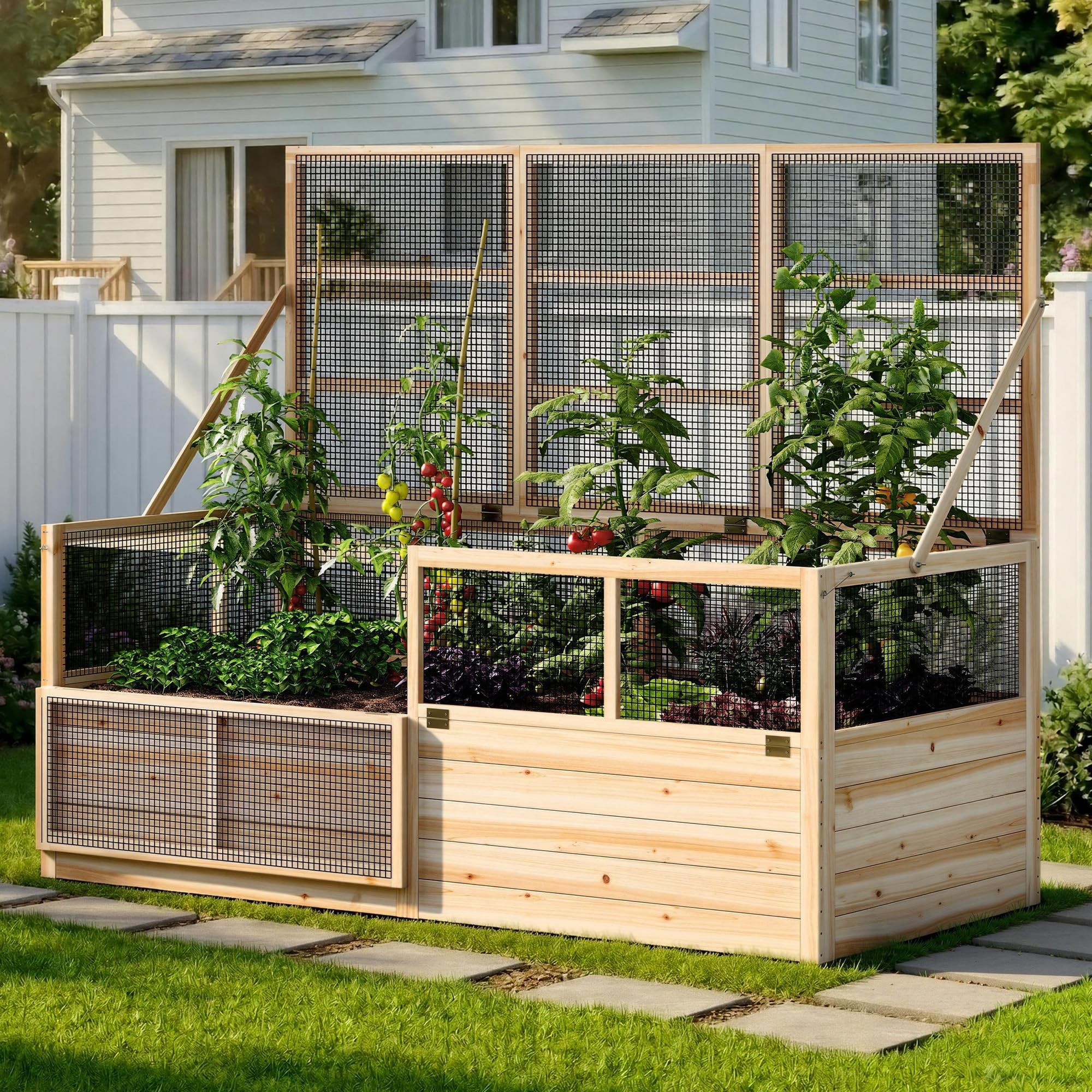
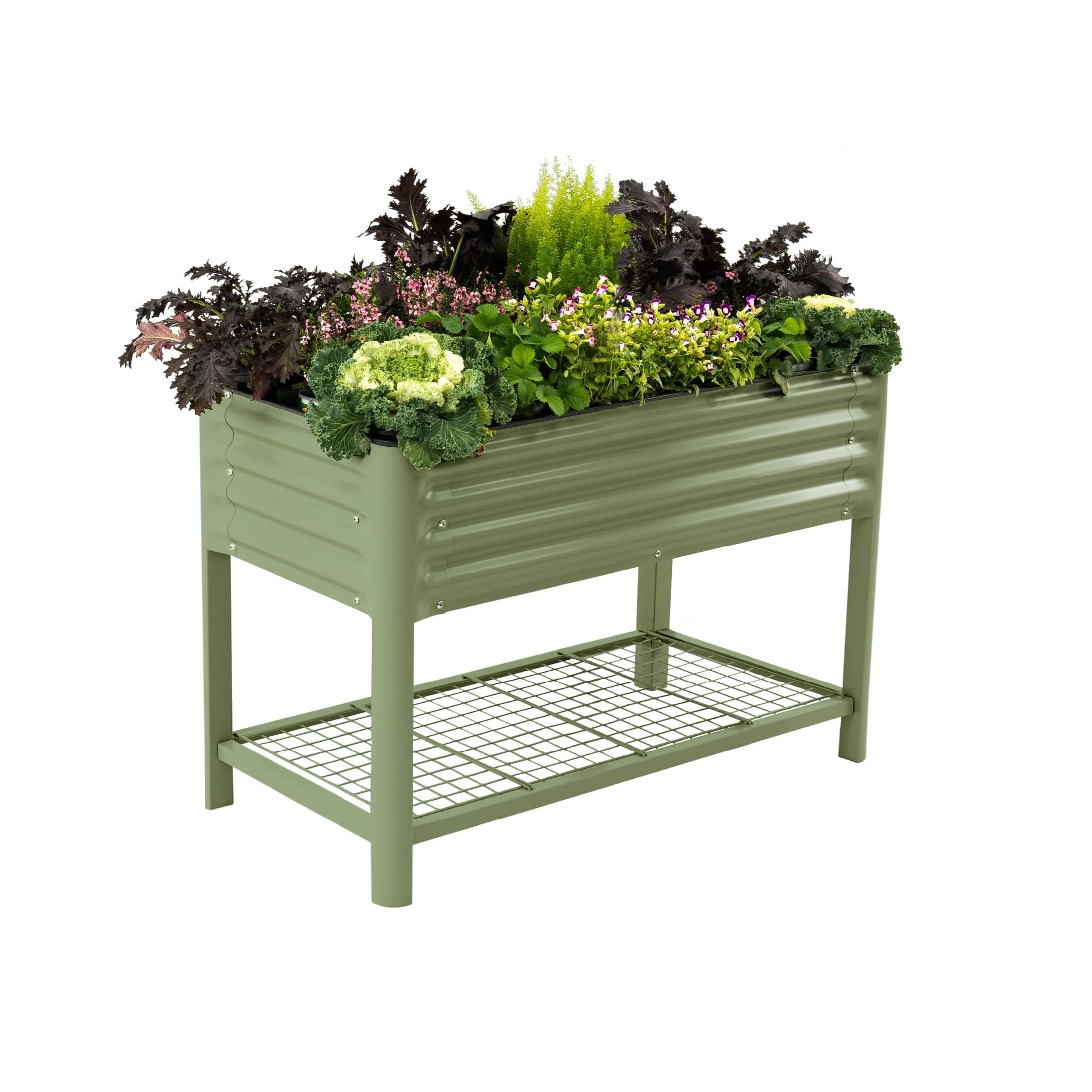
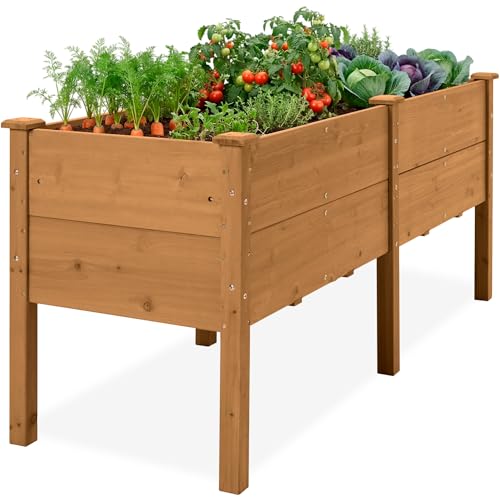
Material is the first big decision, since it affects both cost and how long the bed will last outdoors. Wood is the most common choice for its natural look and easy assembly, but the type of wood matters, since untreated softwoods break down faster than rot-resistant options like cedar. Metal and composite beds cost more upfront but typically outlast wood by many years.
Depth matters more than most new gardeners expect. Shallow beds under 8 inches work for herbs and salad greens, but root vegetables and larger plants like tomatoes need at least 12 inches of soil depth to develop properly. Deeper beds also hold moisture longer, which cuts down on how often you need to water.
Drainage is easy to overlook but critical. A bed that traps water around roots invites rot, so open-bottom designs or beds set directly on soil generally perform better than fully enclosed containers, unless you're specifically working on a patio or hard surface.
Wood, Metal, or Composite: Comparing Materials
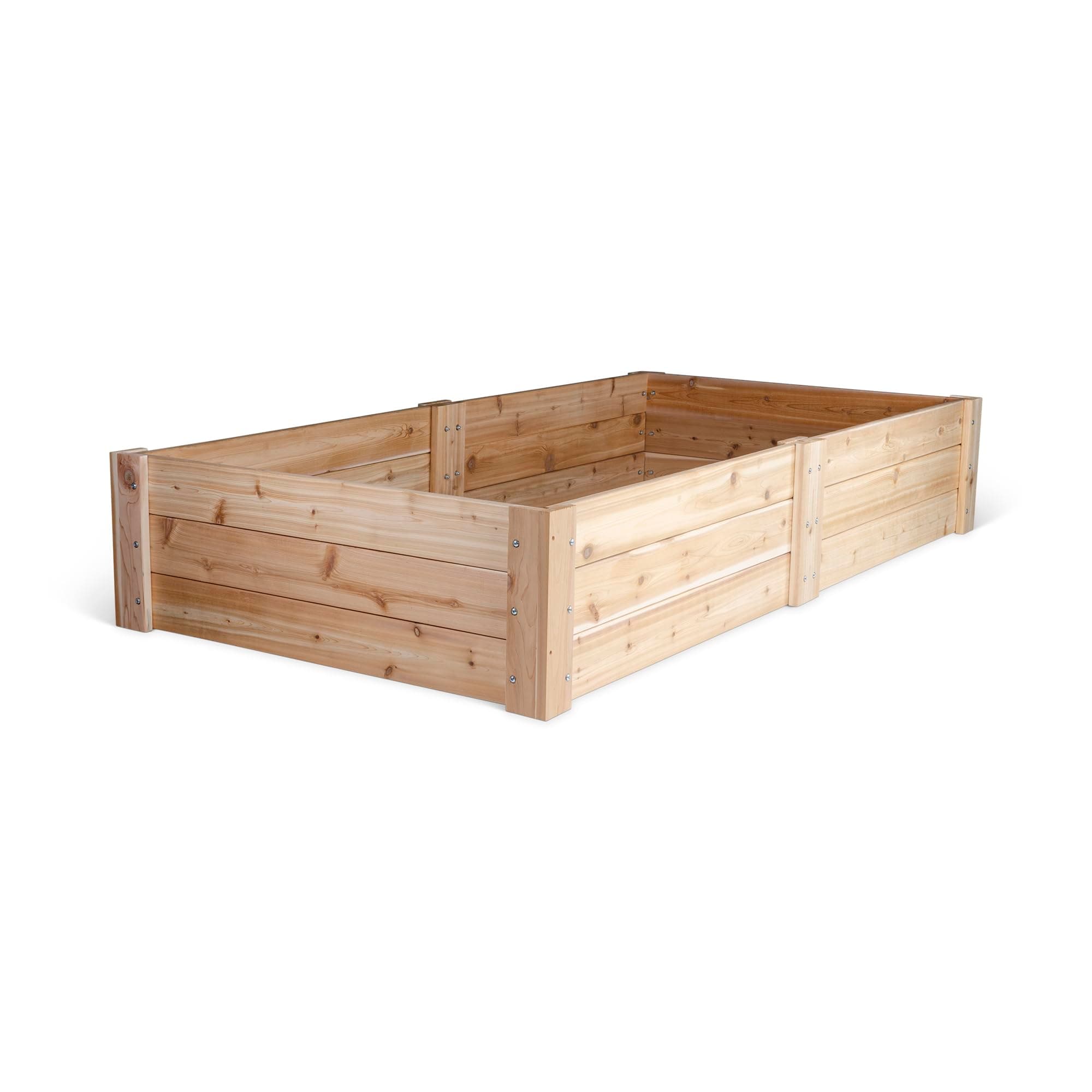
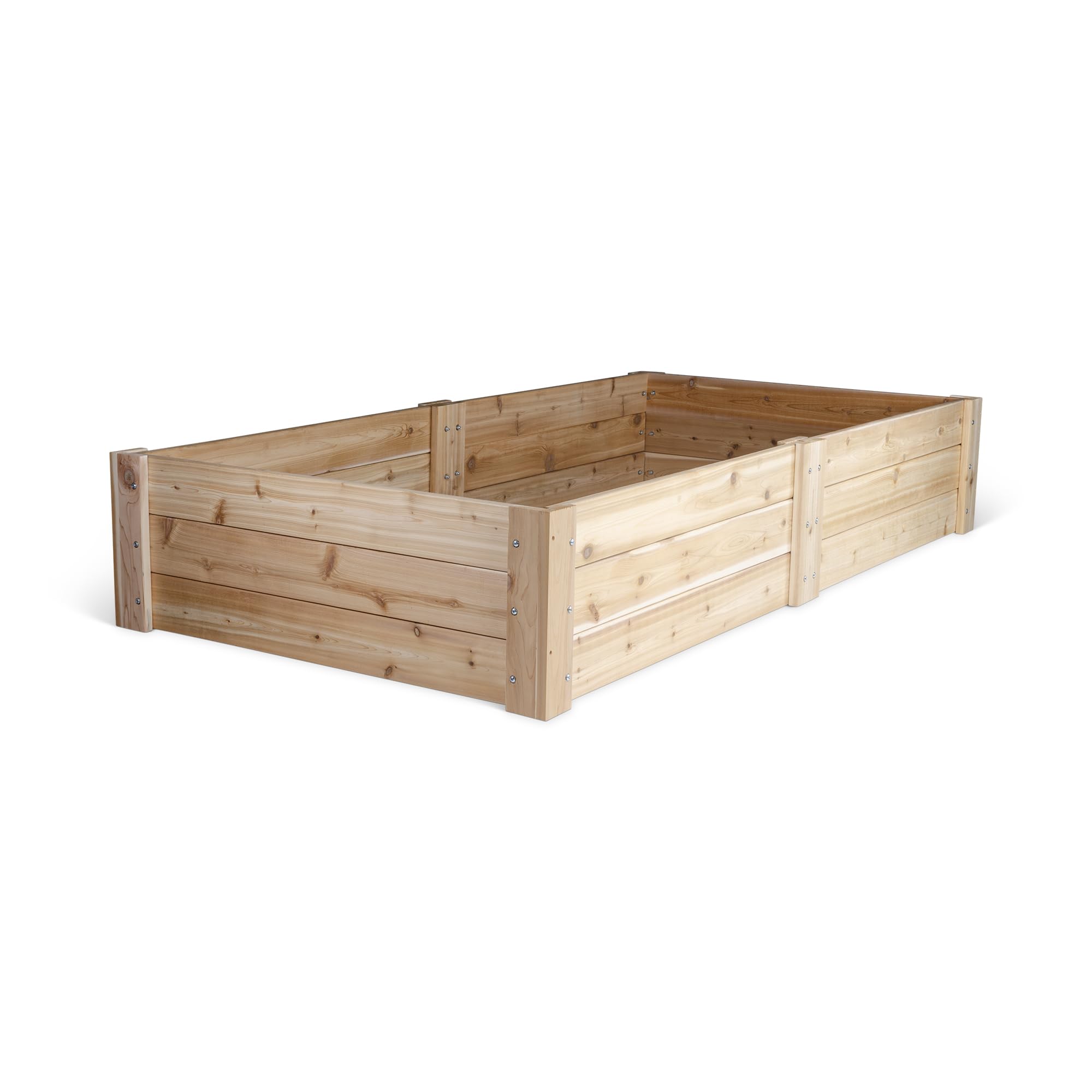
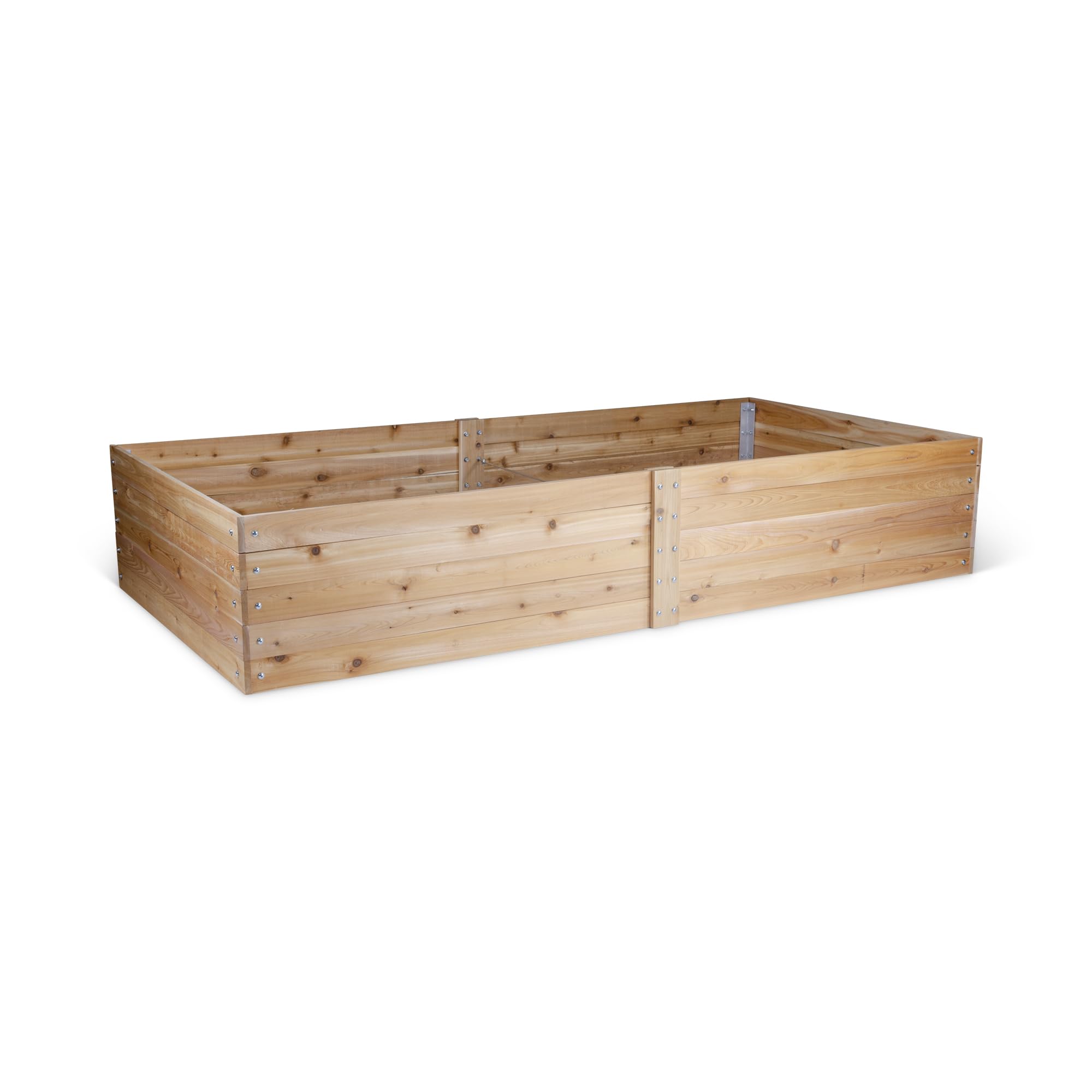
Cedar and redwood are popular wood choices because they naturally resist rot and insects without chemical treatment, typically lasting 10 to 15 years outdoors. Pine and other softwoods cost less but usually need a protective finish and still break down faster, often within 5 to 7 years of regular exposure to moisture.
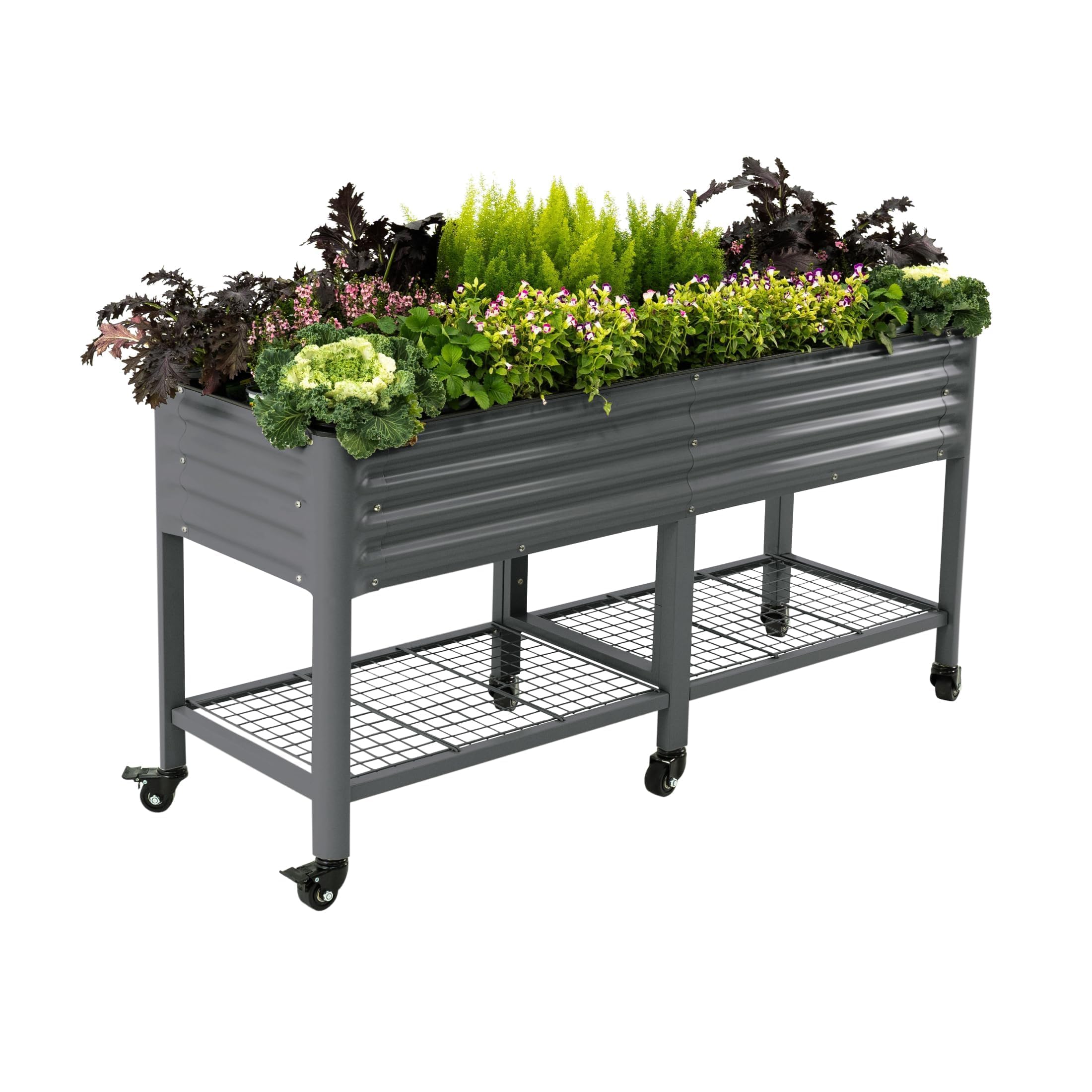
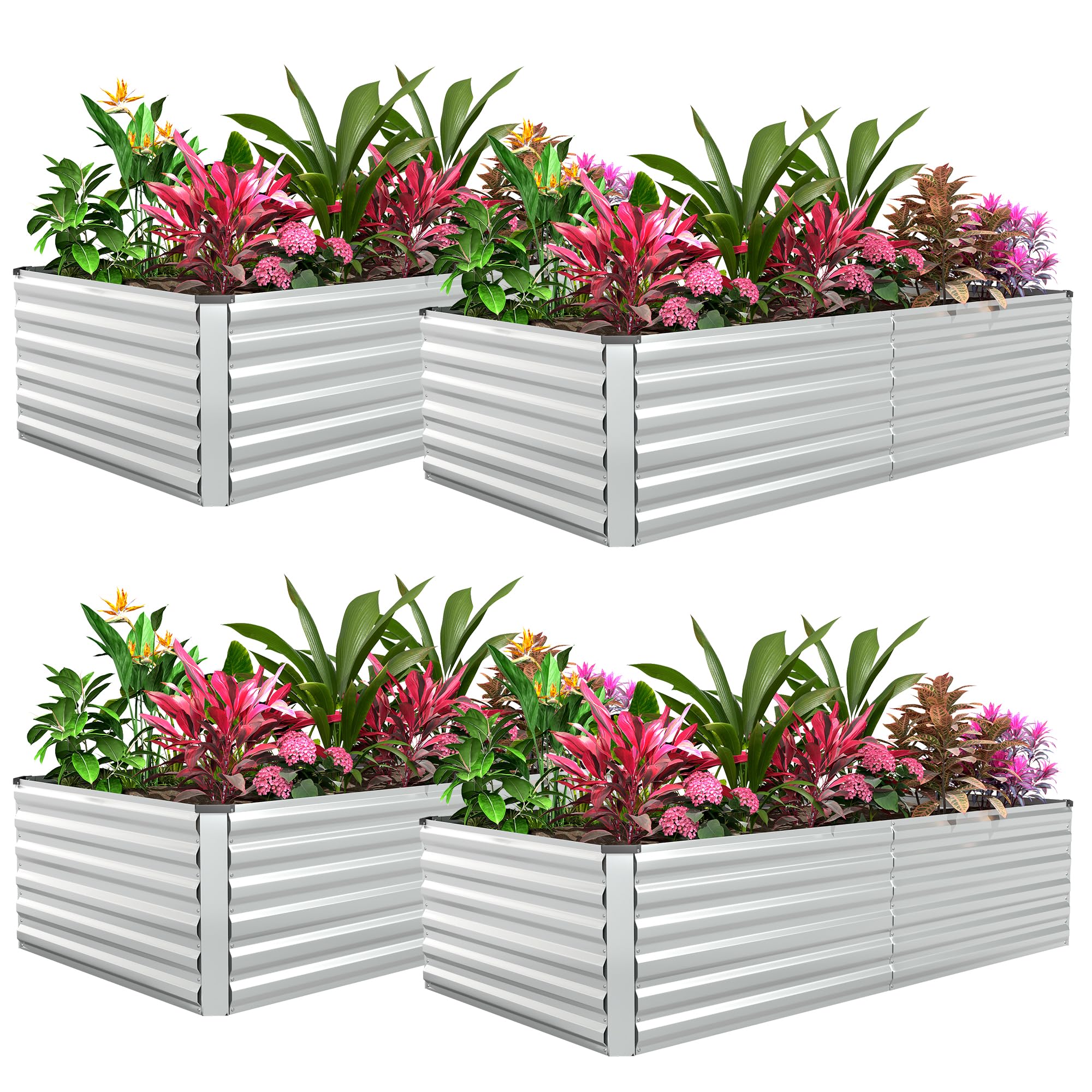
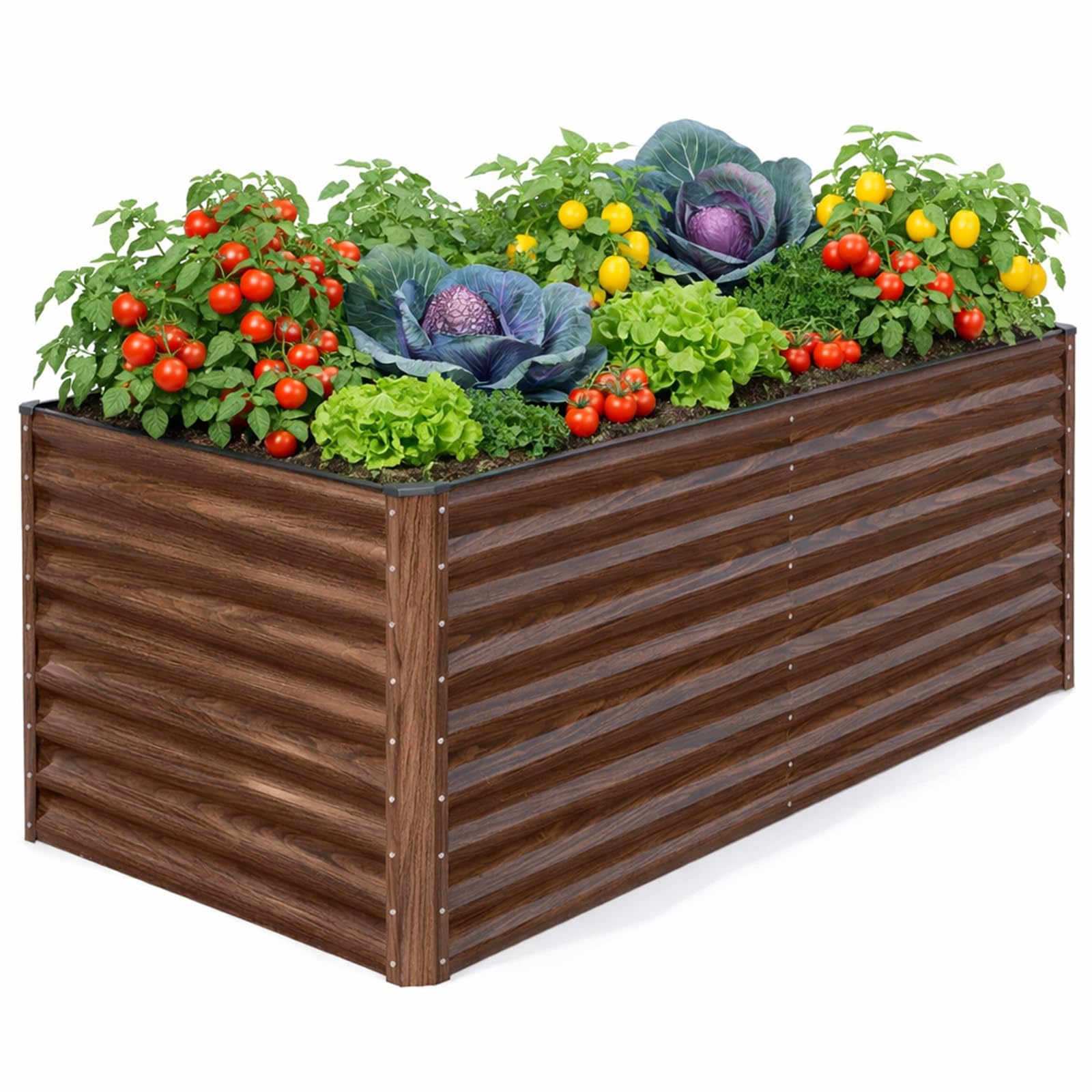
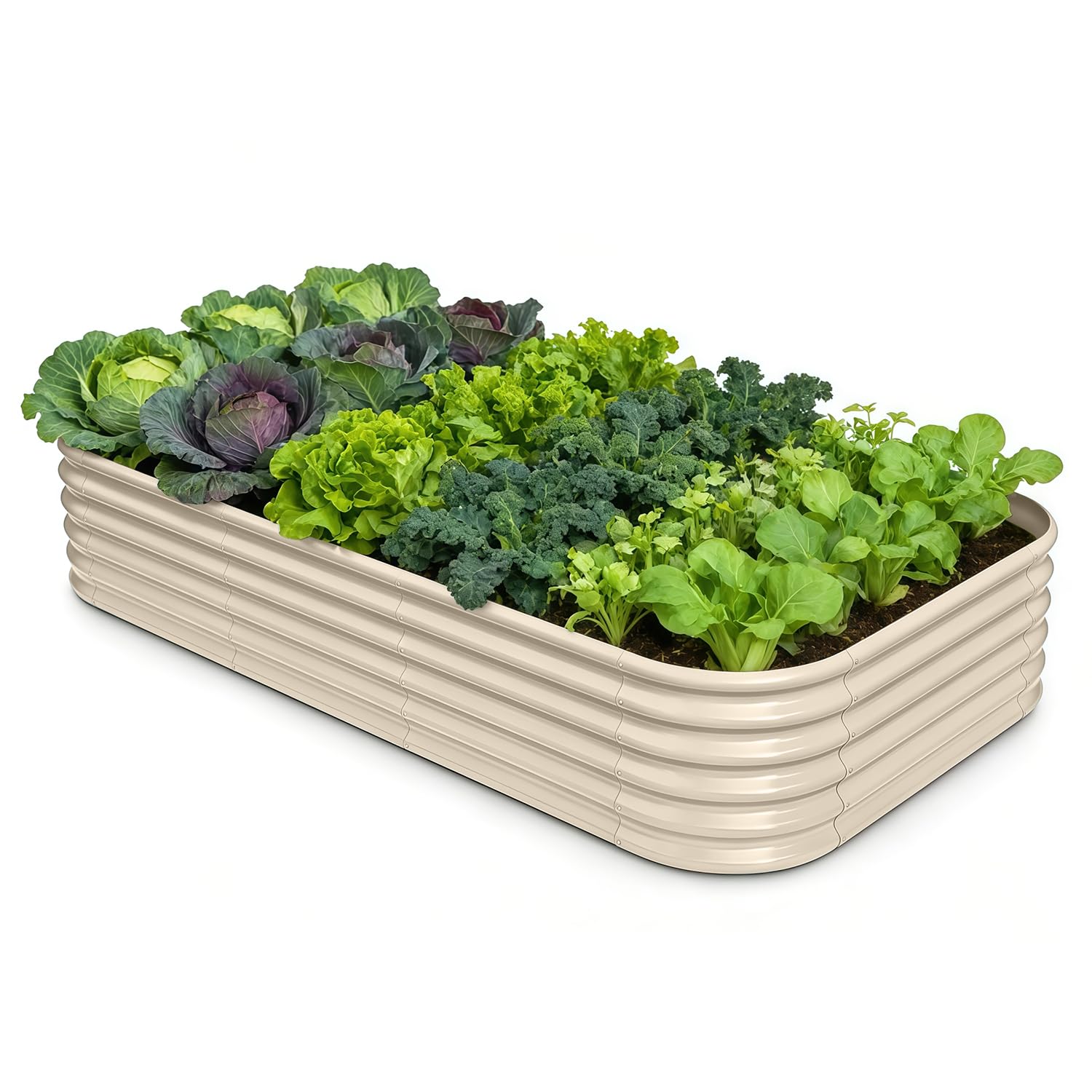
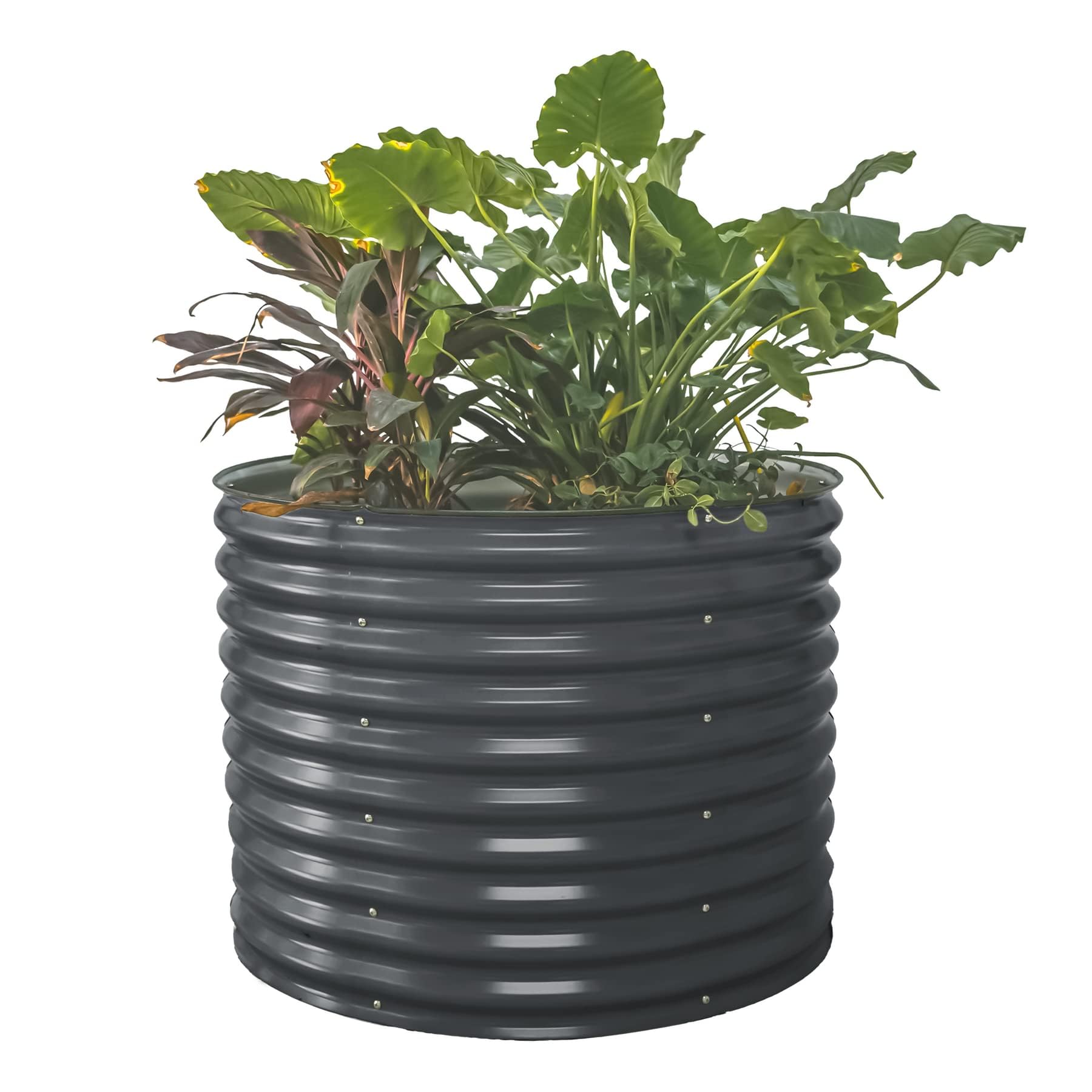
Galvanized metal beds have become popular for their durability and modern look, often lasting 20 years or more without warping or rotting. They do absorb more heat in direct sun, which can affect soil temperature and moisture in hot climates, so placement matters more with metal than with wood.
Composite and recycled plastic beds resist rot and insects entirely and require almost no maintenance, making them a solid choice for gardeners who want a long-term, low-effort setup. They tend to cost more than basic wood options but less than premium metal designs, landing in a comfortable middle ground.
Sizing Your Bed to Your Space and Reach
Width matters more than length for usability. A bed wider than 4 feet becomes hard to tend from the sides without stepping into the soil and compacting it, which undoes a lot of the benefit of raised gardening in the first place. If you can only access one side, keep the width to around 2 to 3 feet instead.
Length is flexible and should match your available space and how many separate beds you want for crop rotation or organization. Multiple smaller beds often work better than one giant bed, since they let you plan planting layouts and walking paths more efficiently.
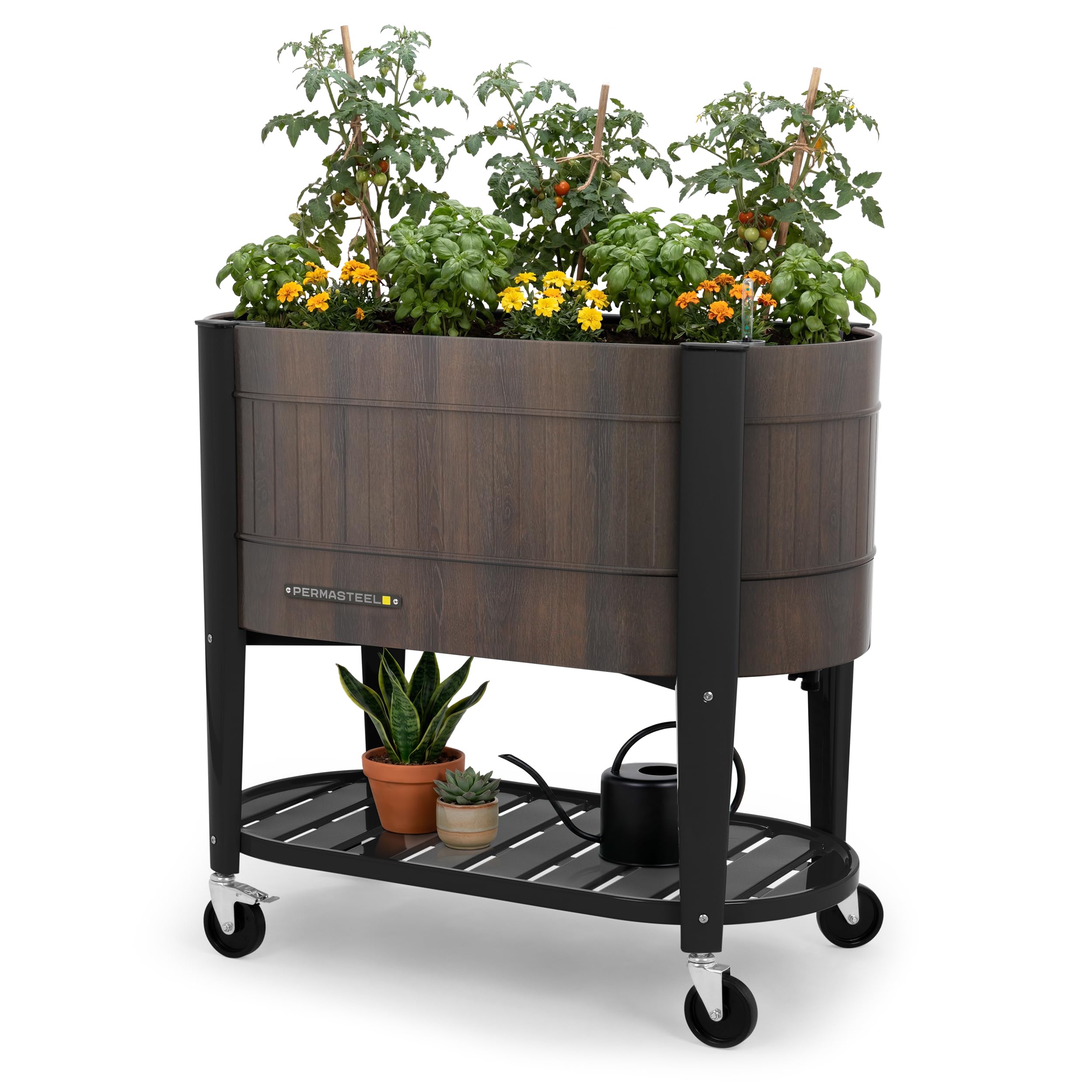
Height should reflect both your plants' root needs and your own comfort. Taller beds, in the 24 to 32 inch range, reduce bending and kneeling, which matters a lot for anyone with knee or back issues, though they also require more soil to fill.
Choosing the Right Spot in Your Yard
Sun exposure is the single biggest factor in where a bed should go. Most vegetables need at least 6 to 8 hours of direct sunlight daily, so track how light moves across your yard over a full day before settling on a location, especially if trees or structures cast shifting shadows.
Climate affects material and placement choices too. In hot regions, avoid dark metal beds in full afternoon sun unless you're prepared to water more often, since dark surfaces heat the soil significantly. In cooler or wetter climates, good drainage and airflow around the bed become more important to prevent mold and root rot.
Proximity to a water source matters more than people expect once summer heat sets in. A bed far from a hose bib often gets watered less consistently, which shows up in plant health within a few weeks, so factor convenience into placement from the start.
What You Should Expect to Pay
Basic wood kits, usually pine or fir, offer the most affordable entry point and work well for gardeners testing the idea before committing to a permanent setup. Cedar and redwood kits cost more but deliver years of extra life without added maintenance, often making them the better long-term value despite the higher sticker price.
Metal and composite beds sit at the higher end of the price range but typically require the least maintenance and last the longest of any material option. For anyone planning a permanent garden layout, spending more upfront on a durable material usually costs less over time than replacing a cheaper bed every few years. Many gardeners find the best raised garden beds for their budget end up being a mid-range cedar kit, which balances upfront cost against a decade or more of reliable use.
Frequently Asked Questions
How deep should a raised garden bed be?
At least 12 inches for most vegetables, though root crops like carrots may need closer to 16 inches. Herbs and greens can work with 6 to 8 inches.
What's the best material for a raised garden bed?
Cedar offers a good balance of natural rot resistance and cost. Metal and composite beds last longer but cost more upfront.
How much sunlight does a raised bed need?
Most vegetables need 6 to 8 hours of direct sun daily. Leafy greens can tolerate a bit less, but fruiting plants need the full range.
Can I put a raised bed directly on grass?
Yes, though laying cardboard or landscape fabric underneath first helps suppress grass and weeds from growing up into the bed.
How wide should a raised bed be?
Four feet or less if accessible from both sides, or 2 to 3 feet if only reachable from one side, so you never need to step into the soil.
Do raised beds need drainage holes?
Open-bottom designs set on soil usually don't need extra holes. Enclosed containers on hard surfaces do need drainage to prevent waterlogging.
How much soil do I need to fill a raised bed?
Multiply length by width by depth in feet to get cubic feet, then convert to cubic yards for larger beds. Most suppliers can calculate this from your dimensions.
Getting Started With Confidence
Once you understand depth, material, and placement, choosing a bed becomes a much simpler decision than it first appears. Start with how much sun your yard actually gets, then work backward to a size and material that fits both your space and your budget.
A well-placed, properly sized bed pays off in healthier plants and less frustration all season long. Take the time to plan it right, and you'll end up with one of the best raised garden beds for your specific yard, not just whatever was easiest to grab.
Start small if you're new to gardening, then expand with additional beds once you know what grows well in your space and climate. A single well-built bed teaches you more about your yard's sun and soil than any amount of planning on paper.
Related reading: best 6 person inflatable hot tubs and best aluminum pergolas.