Best Solar Motion Sensor Light Outdoor: Buying Guide
Disclosure: We may earn a commission when you buy through links on this page, at no extra cost to you. As an Amazon Associate we earn from qualifying purchases. Learn more
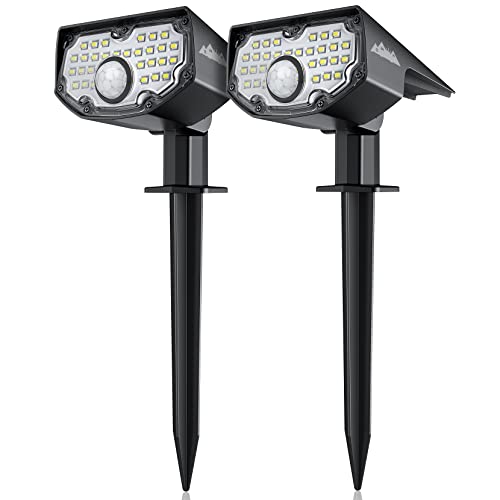
A porch light that stays on all night tells you nothing. A light that snaps on the moment someone steps onto your property is doing actual security work, not just decoration. That distinction is the whole point of a solar motion sensor light outdoor setup, and it's also where most buyers get tripped up: the spec sheet numbers rarely match what happens once the fixture is bolted to your siding and facing real weather, real pets, and real foot traffic. Here's what determines whether one of these lights genuinely catches movement at your door or garage, and what tends to go wrong once it's installed.



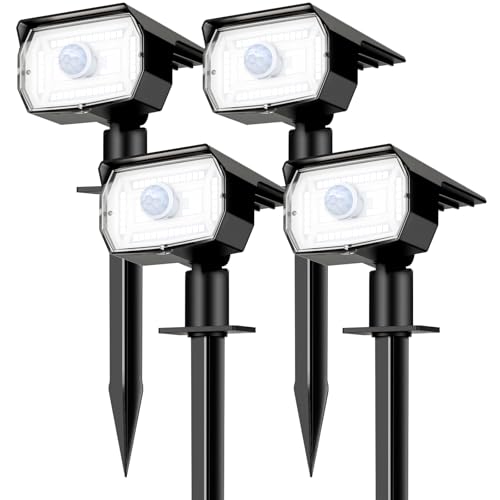
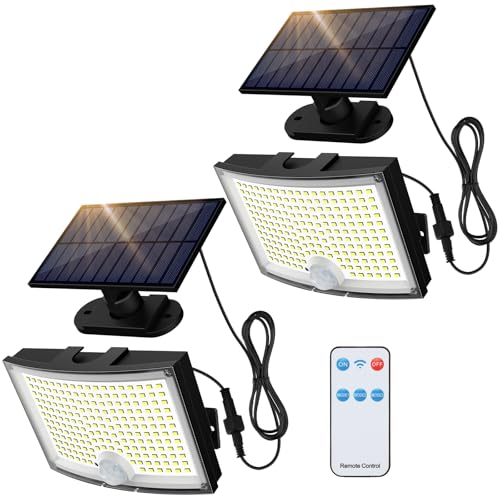
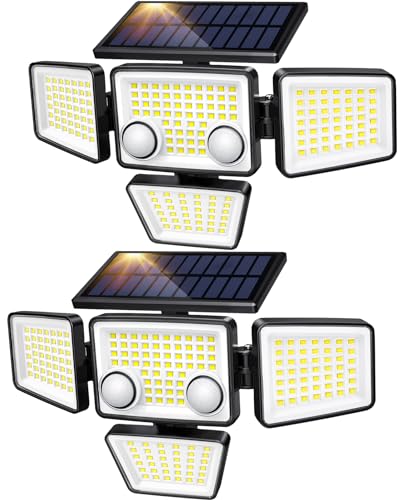
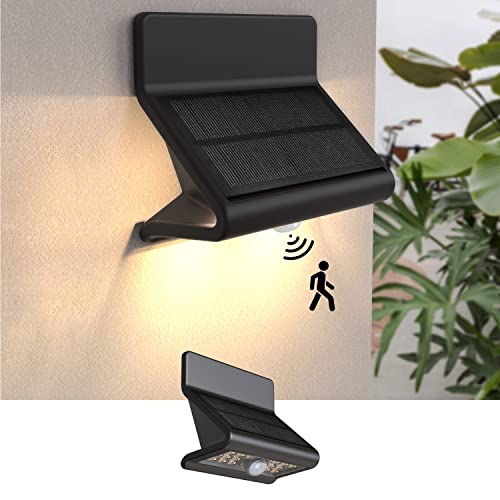
Why Motion-Activated Beats Dusk-to-Dawn for Security
A fixture that glows dimly all night blends into the background fast. Neighbors and would-be intruders both stop noticing it within a week. A light that stays dark and then floods a space the instant it detects a body moving through does two things a steady light can't: it startles anyone who wasn't expecting it, and it signals that something on the property just registered their presence. That reaction is harder to ignore than ambient glow, which is why motion-only fixtures remain the default choice for anyone lighting a garage door, side gate, or backyard entry point rather than a walkway meant purely for visibility.
Motion triggering also solves a battery problem that dusk-to-dawn models never fully escape. A light that only fires when needed can run a much brighter LED off a smaller battery, since it isn't burning power for eight or nine straight hours every night. That's part of why security-focused fixtures lean almost entirely on motion detection rather than constant low output. Pairing one with a broader smart home security system extends that same logic. The light handles the immediate deterrent, while the system captures and records what triggered it.
PIR vs. Dual-Tech Sensors: What Actually Stops False Alarms
Nearly every affordable unit relies on a passive infrared, or PIR, sensor that reacts to a sudden change in heat signature crossing its field of view. It's cheap, energy-efficient, and accurate enough for most home use, but it will fire on a raccoon, a passing car's exhaust, or a dog walking the fence line, since all of those register as a warm object in motion.
Dual-tech sensors add a microwave component alongside the PIR element, and the light only triggers when both readings agree that something is moving. That second layer cuts down on the raccoon-at-2am problem considerably, though it comes at a higher price and, occasionally, a slower reaction time since the unit is waiting on two signals instead of one. For a garage or side entry where false alarms have become a nightly annoyance, the upgrade tends to pay for itself in fewer 3am flashes through the bedroom window. For a single front door with light foot traffic, a well-tuned PIR sensor is usually enough.
Detection Range: What the Box Claims vs. What You Get
Listed detection distances are measured under close to ideal conditions: a person walking directly toward the sensor, moderate outdoor temperature, nothing blocking the line of sight. Real-world performance typically lands closer to 70 to 80 percent of that number once the fixture is mounted at an angle instead of head-on. A light rated for 30 feet often catches motion reliably somewhere around 20 to 24 feet, which matters when you're deciding whether one fixture can actually cover a full driveway or whether you need two.
Temperature swings the number further. PIR sensors read the difference between a moving body's heat and the ambient air, so on a hot summer evening when the air is closer to skin temperature, that gap shrinks and sensitivity drops with it. The same fixture that catches someone at 25 feet in March might only pick them up at 15 feet in August. Buying a model rated well above the distance you actually need gives you a margin for this seasonal drop rather than leaving a dead zone right where you need coverage most.
Sensitivity and Trigger Time: Tuning for Your Layout
Two dials do most of the work after installation, and both get ignored far more often than they should. The sensitivity dial controls how much heat change is needed to fire the sensor, and set too high, it will react to blowing leaves, a cat crossing the yard, or sunlight glinting off a parked car. Set too low, it can miss a person walking slowly along the edge of its range. Most complaints about a light "staying on constantly" or "triggering for no reason" trace back to this one setting being cranked up higher than the location actually needs.
False triggers also cluster in a predictable window: the first hour or two after sunset, when pavement, brick, and parked vehicles are still radiating stored daytime heat back into the air. A sensor pointed at a driveway or a stretch of sidewalk will fire more in that window than it will at midnight, and dialing sensitivity down slightly, or angling the unit toward grass or landscaping instead of hardscape, usually fixes it.
Trigger duration is the second lever, and it should match how the space gets used rather than default to whatever the fixture ships with. A short 10 to 20 second window suits a spot near a sidewalk where people pass constantly and battery matters. A longer 2 to 3 minute window makes more sense at a back door or garage entry, where you need time to unlock, unload, or find your keys before the light cuts back to standby.
Solar Charging Reality: Winter, Shade, and Cloud Cover
A solar motion sensor light outdoor unit is only as reliable as the charge it collects during daylight, and that number swings hard with the seasons. Shorter winter days cut charging time directly, and a lower sun angle means even a well-placed panel collects less energy per hour than it would in summer. Cloud cover compounds it further, since an overcast sky can deliver as little as a tenth of the energy a clear one does, and a battery that barely tops off during a string of gray days will start skipping triggers or dimming by the third or fourth activation that night.
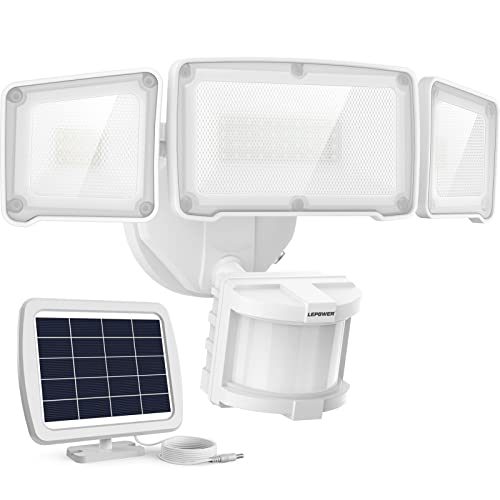
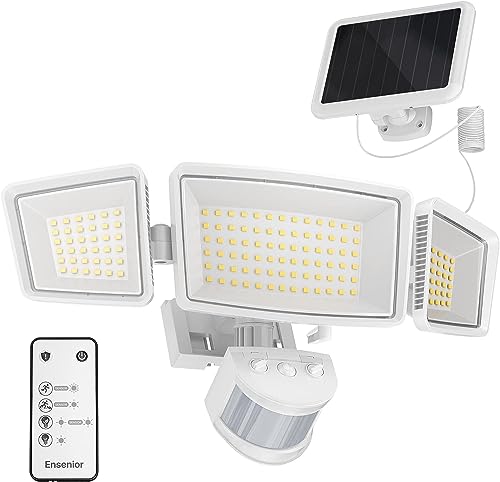
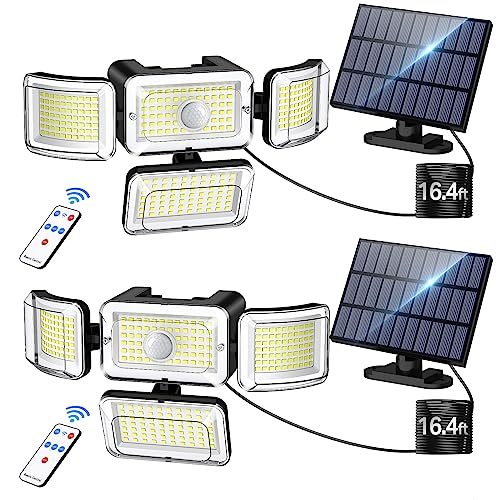
Cold weather adds a second penalty on top of reduced charging. Lithium-ion batteries lose a meaningful chunk of their usable capacity as temperatures drop toward freezing, so the same battery that comfortably handled a dozen triggers in October might struggle to get through half that many in January. A larger battery, in the 4,000 to 6,000 mAh range, gives more of a buffer against both problems than the smaller cells found in budget fixtures. If a mounting spot only gets partial sun, a model with a separate panel on its own cable is worth the extra step. It lets you keep the light where security coverage is best while placing the panel wherever it actually gets unobstructed daylight. For larger areas that need brighter, steadier output regardless of trigger count, a dedicated solar flood light built for continuous run time can cover ground a smaller motion fixture can't sustain through a cloudy stretch.
Where to Mount for Real Security Coverage
Height and angle matter as much as the fixture itself. Most manufacturers recommend 6 to 10 feet off the ground: high enough to see a full approach and stay out of easy reach, low enough that the sensor still reads body heat clearly rather than losing detail at a steep downward angle. Above a garage door is consistently the highest-traffic mounting spot for a reason. It's the entry point most households actually use and the one visible from the street, which makes it the natural first fixture to install before adding coverage elsewhere.
Side yards and gates deserve more attention than they usually get, since they're the routes with the least visibility from inside the house and the ones an intruder is more likely to use instead of a well-lit front door. A single fixture angled to cover a side gate or the gap between a fence and the house closes a gap that a driveway light and a porch light, together, still miss.
For anyone building out a fuller entry setup rather than a single fixture, layering a motion light with a video doorbell camera at the front door covers what the light alone can't: an actual recorded view of who triggered it. The two together also make it easier to tell a real approach from a false trigger after the fact, instead of just wondering what set the light off. Where budget allows a second layer facing the driveway or backyard, an outdoor solar security camera mounted alongside the light extends that same recorded coverage without running new wiring.
Quick Answers on Solar Motion Security Lighting
How far will a solar motion sensor light actually detect someone?
Expect roughly 70 to 80 percent of the advertised distance once it's mounted and angled in real conditions. A fixture rated at 30 feet typically catches movement reliably in the 20 to 24 foot range, closer in hot weather when the gap between body heat and ambient air narrows.
Why does my light trigger constantly at pets or passing cars?
The sensitivity dial is almost always set higher than the location needs. Lowering it, and angling the sensor away from the street or a driveway toward grass or landscaping, cuts down on false triggers without turning off detection entirely.
Is a dual-tech sensor worth the extra cost over a standard PIR model?
For a spot with heavy false-trigger problems, wildlife, or busy foot traffic nearby, yes. The combined PIR-plus-microwave reading filters out a lot of what a single PIR sensor can't. For a quiet front door, a well-tuned PIR unit is usually enough on its own.
Will a solar motion light still work through a cloudy winter week?
It will keep working, but expect fewer triggers before the battery runs low, especially with a smaller cell. A unit with a larger battery capacity and a panel that gets unobstructed daylight, even if that means running the panel on a separate cable, holds up far better through extended gray stretches.
Where should a motion light go for the best security value?
Above the garage door first, since it's the highest-traffic entry point in most homes, followed by side gates and secondary entries that get little visibility from inside the house. Mounting height between 6 and 10 feet balances detection accuracy with tamper resistance.