
Best Skateboard for Beginners in 2026: Which Type Is Right for You?
Disclosure: We may earn a commission when you buy through links on this page, at no extra cost to you. As an Amazon Associate I earn from qualifying purchases. Learn more

Standard boards, cruisers, longboards and mini boards compared to find the best skateboard for beginners.
New skaters quickly run into a confusing mix of boards: standard double kick skateboards, cruisers, longboards, mini plastic boards and surfskates, all labeled "great for beginners." Each shape rides differently, and the right one depends on whether you want to learn tricks, cruise to class or just roll around the neighborhood. This guide to the best skateboard for beginners compares each type side by side so you can pick the board that matches how you plan to ride.
We start with a comparison table, explain how standard skateboards compare with other types, cover who should choose which board and how to choose, then share care tips and answers to common questions. Every board in the table above is sold new on Amazon US. Always wear a helmet, and add wrist guards, knee pads and elbow pads while you learn; practice on smooth, flat pavement away from traffic.

How Skateboards Compare to Other Options
Standard skateboards are best for learning tricks and skateparks, cruisers for short rides around town, longboards for stable, smooth cruising, mini boards for kids and portability and surfskates for carving practice.
| Type | Best For | Pros | Cons | Typical Price |
|---|---|---|---|---|
| Standard skateboard | Tricks, skateparks, all round learning | Versatile, light, double kicktails | Hard wheels feel rough on cracked pavement | around $35 to $60 |
| Cruiser | Short trips, campus rides | Soft wheels, compact | Less suited to tricks | around $40 to $60 |
| Longboard | Stable cruising, commuting, carving | Very stable, smooth ride | Long and heavier to carry | around $45 to $65 |
| Mini board (22 inch) | Kids, portability | Small, light, cheap | Twitchy for adults | around $30 to $40 |
| Surfskate | Surf practice, carving | Fun pumping motion | Not for tricks, costs more | around $150 to $180 |
Standard Skateboards vs Cruisers
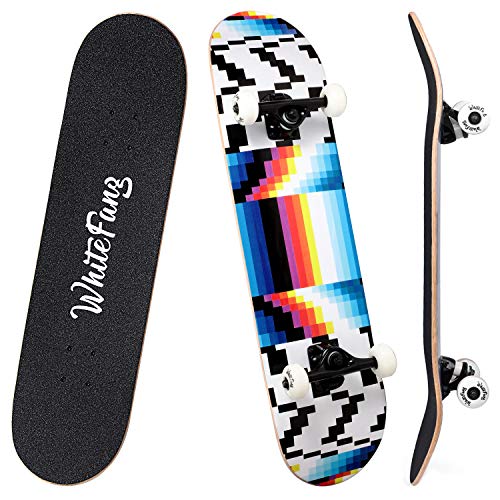
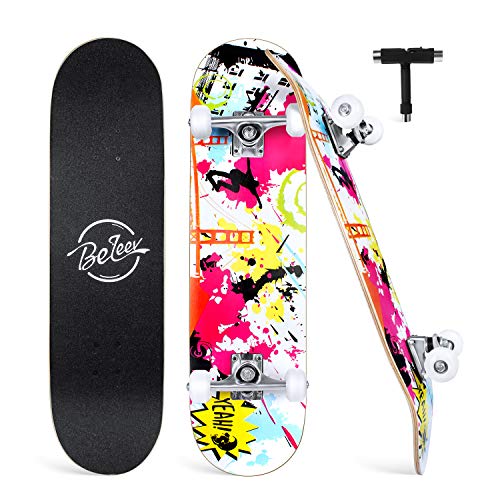
A standard skateboard has a symmetrical double kick deck about 31 inches long and 8 inches wide with hard wheels for tricks and skateparks. The WhiteFang complete, at around $40, lists a 31.75 by 7.88 inch deck of 7 layer Canadian maple, 95A wheels, ABEC 9 bearings, 5 inch trucks and a 220 pound max load. The BELEEV 31 inch board, at around $56, weighs 4.7 pounds.
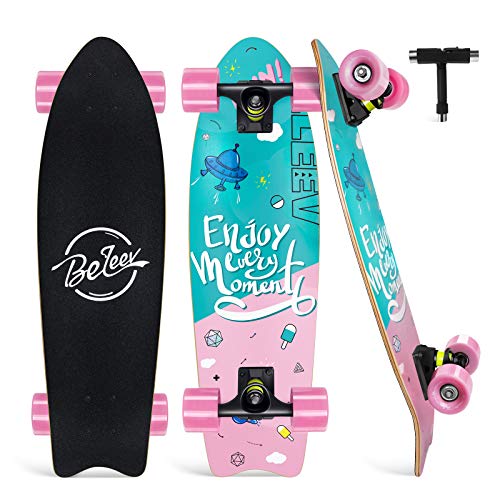
Cruisers are shorter and use softer wheels for a smoother ride on rough pavement. BELEEV's 27 inch cruiser, at around $54, lists 78A wheels that soak up cracks and bumps.
Choose a standard board if you want to learn tricks; choose a cruiser if you mostly ride from place to place.
Double kicktails, found on both the WhiteFang and BELEEV boards, let you ride in either direction and pop the board for ollies. A concave deck curves up at the edges to help your feet grip the board during turns and tricks.
Skateboards vs Longboards
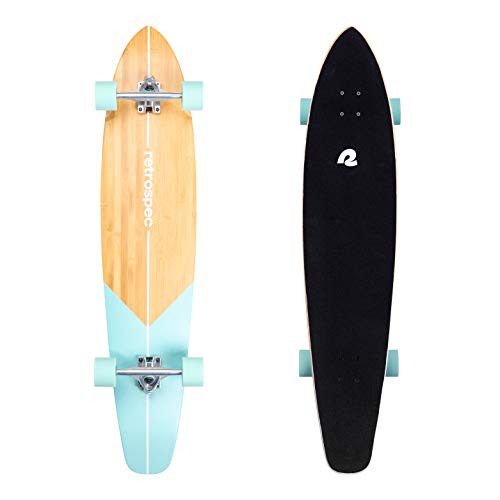
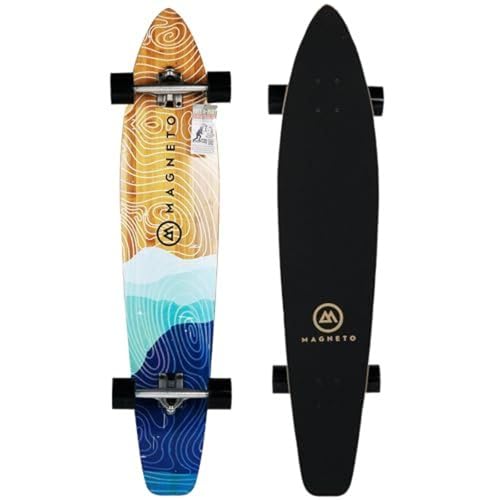
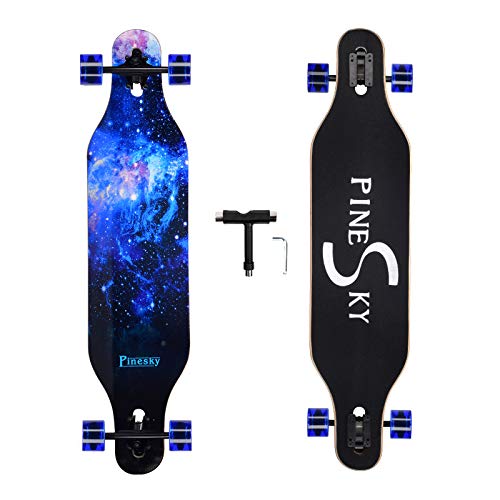
Longboards are longer and wider, with soft wheels and stable trucks, which makes them the easiest boards for balancing and cruising. The Retrospec Zed, at around $45, lists a 44 inch bamboo and Canadian maple deck, 70mm 85A wheels, reverse kingpin trucks and wheel wells that prevent wheel bite. The Magneto 44 inch kicktail cruiser, at around $62, adds a kicktail for quick turns, and the PINESKY 41 inch longboard, at around $60, sits low to the ground, which PINESKY says makes it easy to learn on.
Longboards are poor for tricks and harder to carry.
The extra length gives your feet more room and makes balancing easier, which is why many adult beginners start on a longboard before trying a standard board. A low deck also makes pushing less tiring on longer rides.
Skateboards vs Kids' Mini Boards
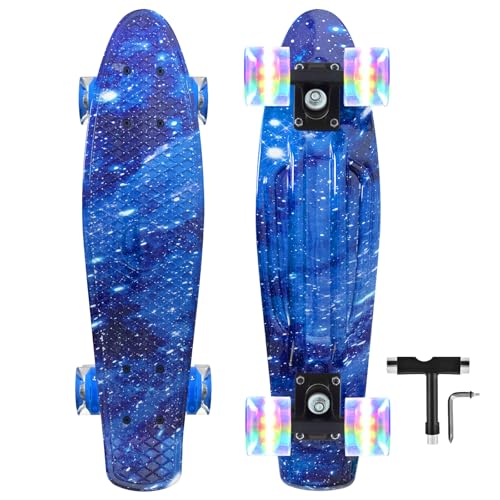
Mini boards, about 22 inches long, are light and easy for small children to carry. The Flybar 22 inch board, at around $35, and Nattork 22 inch cruiser, at around $32, use light up PU wheels, and BELEEV sells a 22 inch mini cruiser at around $40. They feel twitchy for adults and teens because the small deck leaves little room for your feet.
Older kids and teens usually do better on a full size 31 inch standard board or a cruiser.
Light up wheels are fun and help with visibility, but they do not replace a helmet and pads. Check the maker's weight limit and age range before buying a mini board for a child.
Who Should Choose Skateboards?
Teens and adults who want to learn ollies, kickflips and skatepark skills should choose a standard double kick skateboard. Commuters and casual riders who want a smooth ride should choose a cruiser or longboard. Young kids should start on a mini board or a full size board with a smaller width.
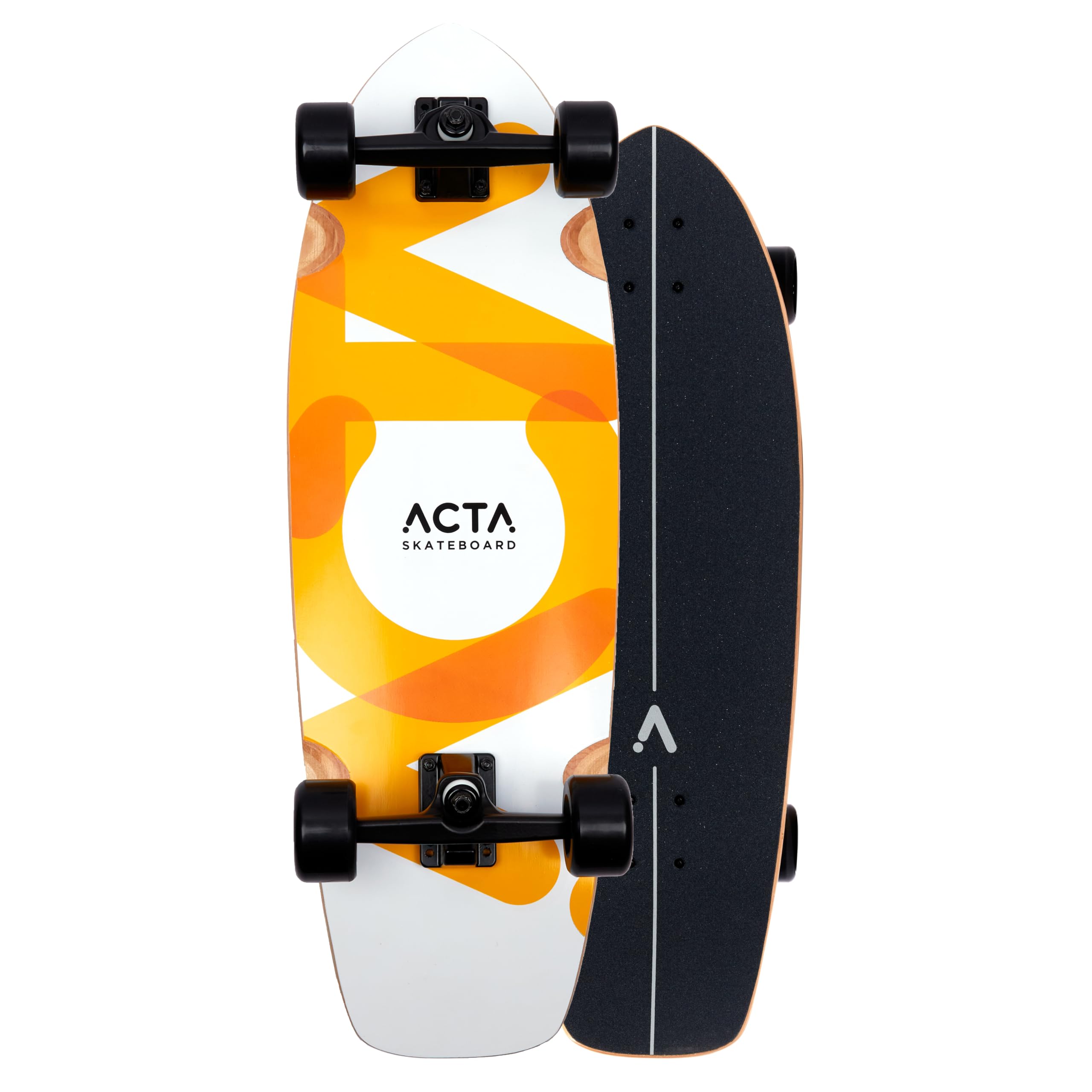
Surfers and snowboarders who want to practice carving off season may enjoy a surfskate, like the ACTA Surfskate at around $149, but surfskates are not ideal for learning basic pushing and tricks. If you are not sure, a standard 31 by 8 inch complete is the most versatile place to start.
Adults who feel nervous about balance often enjoy starting on a longboard, then moving to a standard board once pushing, turning and stopping feel natural. Parents buying for young children should pick a board sized for the child rather than one they will grow into.
How to Choose the Best Skateboard for Beginners
Riding style, deck size, wheels, portability and beginner friendly features matter most. Here is what to check.
Skill Level and Intended Use
Absolute beginners who want to cruise do best on longboards and cruisers, which are stable and forgiving. Beginners who want to learn tricks should start on a standard board right away. Intermediate riders who already push and turn confidently can choose a board for their main style.
Learn the basics in order: standing and balancing, pushing, turning by leaning, then stopping by dragging a foot. Tricks come after you feel comfortable rolling at a steady pace.
Deck Size and Wheels
Most teens and adults ride decks about 7.75 to 8.25 inches wide; GIEEU and BELEEV use 8 inch decks. Hard wheels, around 95A to 101A, slide and grip well for tricks. Soft wheels, around 78A to 85A, like BELEEV's cruiser and Retrospec's longboard, roll smoothly over rough ground.
Bearings matter less than many buyers think. ABEC ratings, like BELEEV's ABEC 7 and GIEEU's ABEC 11, describe manufacturing tolerance, and any quality bearing is fine for learning.
Portability and Storage
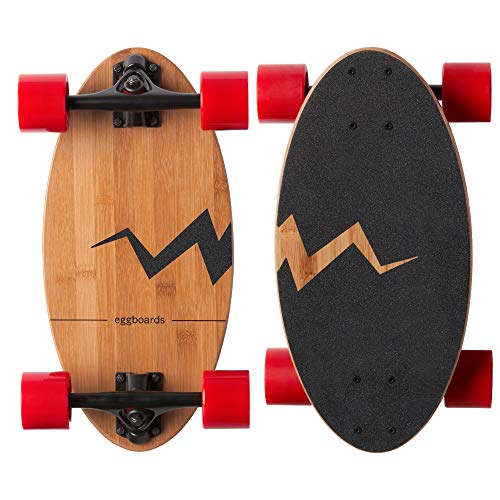
Mini boards and short cruisers fit in lockers and backpacks. Eggboards' mini longboard, at around $119, uses a 19 inch bamboo deck that fits in backpacks while riding on longboard trucks. Longboards are bulky but can strap to a backpack.
A standard 31 inch board weighs only a few pounds, like BELEEV's 4.7 pound complete, so it is easy to carry when you walk into a store or class.
Indoor vs Outdoor Use
Skateboards are outdoor gear. Smooth concrete, empty parking lots and skateparks are ideal for learning. Wet pavement is slippery and can damage bearings, so skip riding in the rain.
Start in a quiet, open space where you can roll slowly and practice stopping without cars or crowds nearby.
Beginner Friendly Features That Matter
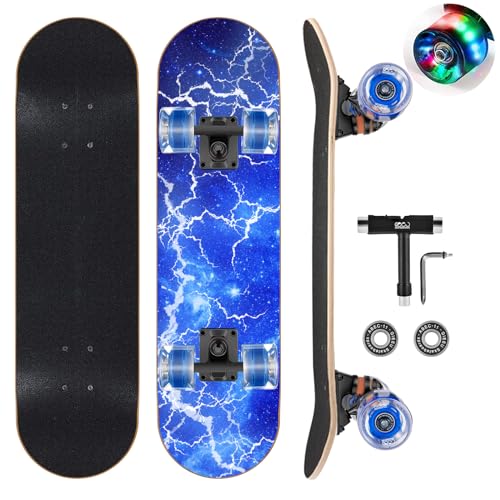
Complete boards arrive assembled, like WhiteFang's, which saves setup. Grippy griptape, quality bearings and sturdy aluminum trucks help. Light up wheels, like GIEEU's, add visibility at dusk. GIEEU includes a T tool and backup bearings.
GIEEU notes you can stop by putting one foot on the ground or by leaning to slow down, which are the two first stopping skills every new rider should practice.
Care and Maintenance Tips
Store your board out of direct sun and extreme heat, which can warp decks and weaken glue. Check wear before each use: look for cracks, loose truck bolts and flat spots on wheels. Clean and dry the board after outdoor use. Keep bearings dry, and tighten or loosen trucks with a skate tool to adjust turning.
Replace worn griptape when it stops holding your shoes, and rotate wheels now and then so they wear evenly. A drop of bearing lubricant helps if wheels start to spin slowly.
FAQs
What makes skateboards for beginners different?
Beginner boards are usually full assembled completes with durable decks, stable trucks and wheels suited to everyday pavement. They cost less than pro setups and are ready to ride out of the box.
How long does a skateboard last?
A beginner deck often lasts many months to a few years, depending on how hard you ride. Wheels, bearings and griptape wear and can be replaced. Trick skating wears decks faster than cruising.
Replace the deck if it cracks, since a broken board under your feet can cause a bad fall.
Indoor vs outdoor: does it matter?
Yes. Skateboards are made for outdoor surfaces like concrete and asphalt. Indoor riding risks damaging floors and furniture. Choose soft wheels for rough outdoor roads and hard wheels for smooth skateparks.
What size skateboard should I get?
Most teens and adults fit a standard 31 inch deck about 8 inches wide. Younger kids may prefer 22 to 28 inch boards. Riders with big feet may want a deck around 8.25 inches wide or a longboard.
Is it worth buying premium as a beginner?
Usually not. A good complete around $35 to $60 is enough to learn on. Upgrade bearings, wheels or trucks later once you know your riding style.
Put the money you save toward a good helmet and pads.
Our Verdict
The best skateboard for beginners matches how you want to ride. Choose a standard 31 by 8 inch complete like WhiteFang or BELEEV to learn tricks, a cruiser for short trips, a longboard like the Retrospec Zed for stable cruising or a mini board for young kids.
For more skating guides, see the best skateboard brands, the best skateboard helmets, the best commuter skateboard and the best kids scooter. Then compare current prices in the product table above.


