
Best Budget Home Elliptical: A 2026 Checklist and Buying Guide
Disclosure: We may earn a commission when you buy through links on this page, at no extra cost to you. As an Amazon Associate I earn from qualifying purchases. Learn more

Use this checklist to choose the best budget home elliptical with the right stride, quiet magnetic resistance, sturdy frame, and fair warranty.
Buying on a budget gets easier when you judge every model against the same short checklist. This guide gives you clear pass and fail marks for stride, noise, build, and warranty, so you can spot real value and skip weak machines. The best budget home elliptical for you is the one that fits your room, your body, and your weekly routine without wasting money on extras you will rarely use.
Start with the comparison table below, then work through each criterion in order. If a machine fails an early item, such as stride length or weight capacity, there is little reason to keep reading its feature list.


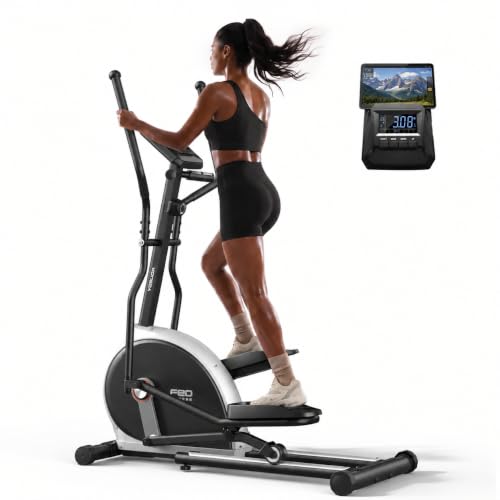


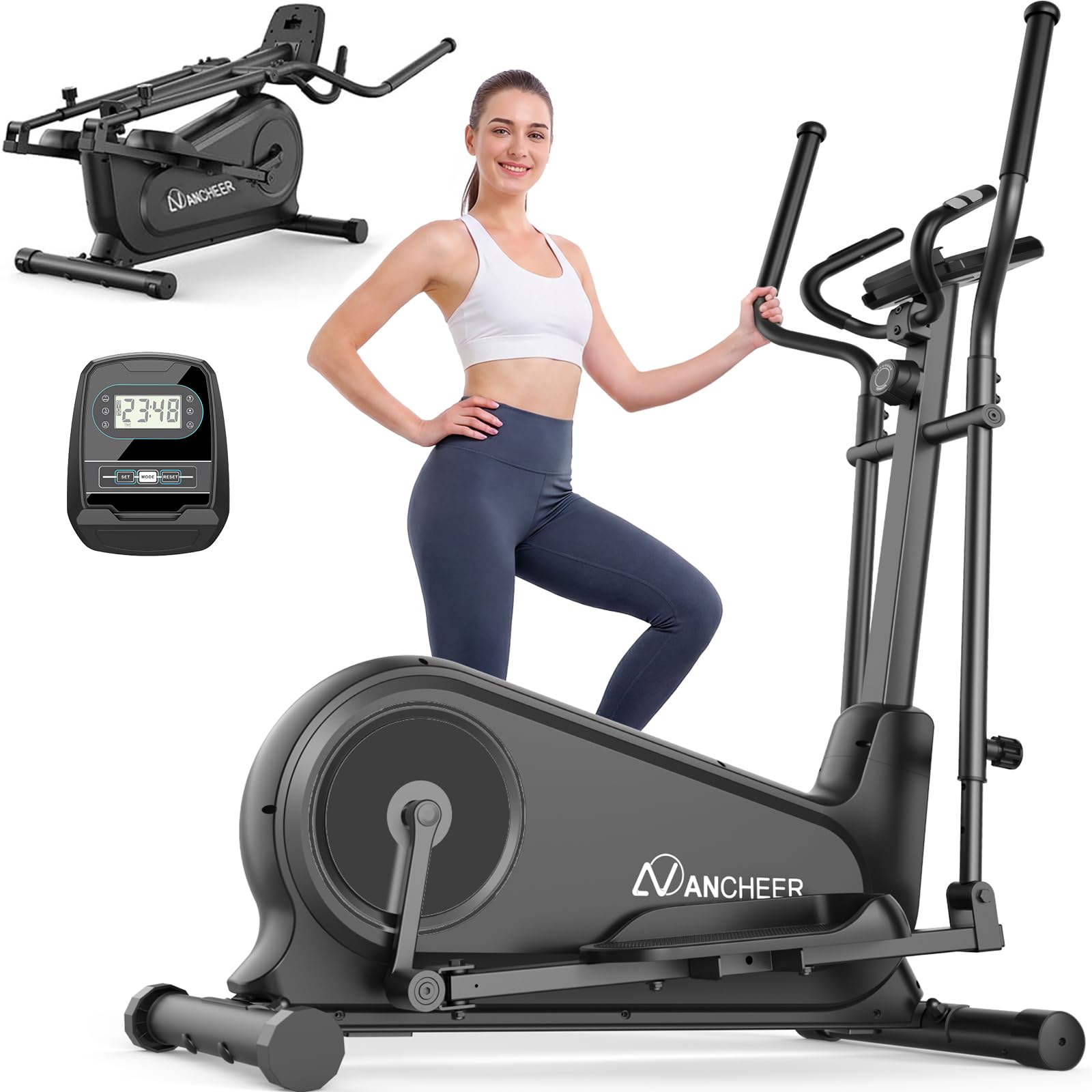

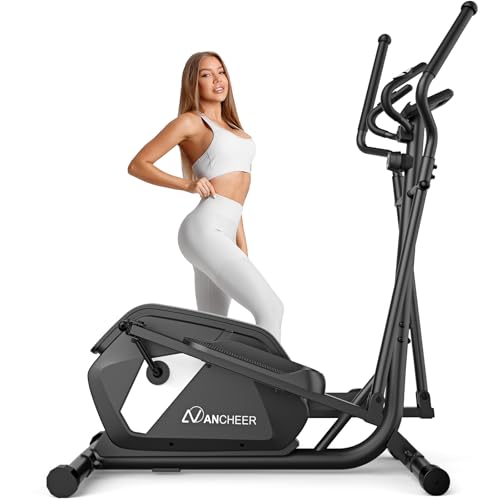
How to Evaluate Home Ellipticals
Think of this section as a scoring sheet. A good budget model should clear the basic thresholds below on comfort, safety, and long term use. Compare totals rather than trusting a single headline feature.
What You Can Realistically Get on a Budget
Most budget starter models cost around $300 to $700, and at that level you can expect magnetic resistance, a basic console, and a steel frame that feels stable for moderate use. What usually gets cut is a large screen, automatic incline, and a long warranty. Do not save money by accepting a very short stride or a flimsy rail, because those flaws affect every workout. Spend first on fit and frame, then consider screens and extras only if money remains.
Space, Footprint, and Ceiling Height
Measure the floor area and then add about two feet of clear space behind the machine and a foot on each side for safe mounting. Ellipticals raise you several inches above the pedals, so add your height plus about eight inches and compare that total with your ceiling. A foldable design helps in a small room, but check the folded size too, since some models still stand tall. Mark the footprint on the floor with tape before you order.
Noise Level for Apartments
Magnetic resistance is the quiet option because the magnets never touch the flywheel, so there is no friction noise as you pedal. Most sound instead comes from loose bolts, a rocking frame, or vibration passing into the floor. A thick mat under the machine absorbs much of that vibration and protects the surface below. If you live above another unit, avoid early morning sessions at high resistance until you know how much sound travels through your floor.
Console, Programs, and App Connectivity
A useful console shows time, distance, speed, calories, and heart rate at a glance without forcing you through menus. Built in programs add variety, and Bluetooth lets you send workout data to a phone app you already like. Treat a large color screen with caution at this price, because money spent on the screen is money not spent on the frame. Also check whether connected features need a paid subscription, and whether the machine still works well without one.
If you want a broader view of the category before you narrow down, see our guide to the best home elliptical trainer for how trainer style layouts differ from compact home designs.
Build Quality and Weight Capacity
Look for a welded steel frame, wide stabilizers, and a flywheel heavy enough to keep the motion smooth, often around 13 lb or more on budget models. The stated weight capacity should sit at least 40 lb above your own weight, which gives a margin for harder efforts and longer life. Check the stride length as well. Most adults feel natural with about 16 to 18 inches, while taller users often need more. A short stride forces a shuffling motion that quickly becomes tiring.
Assembly and Portability
Budget models usually arrive partly assembled, and most people finish in about one to two hours with a second pair of hands for the heavy frame. Transport wheels help you roll the machine for cleaning, but test them on your floor type. Small wheels can catch on thick carpet and make moving harder than you expect.
Warranty on Frame, Parts, and Labor
Read the warranty as three separate promises. Frame cover of five years or more is a good sign, parts cover of one to two years is typical at this price, and labor cover is often one year or less. Short cover on parts matters because consoles, belts, and pedal arms are the items most likely to need attention. Keep your receipt and register the product, since some brands require registration within a set time for full cover to apply.
What Each Price Tier Usually Delivers
Instead of chasing a single named model, use price tiers to set expectations. The product table above groups options by price, so match each row to the tier descriptions below and then check it against the scoring sheet you just read.
Balanced Tier for Most Homes
Models around $500 to $700 usually deliver the best balance for regular home use. Expect a stride near 18 inches, eight or more resistance levels, a readable console with Bluetooth, and parts cover of about two years. This tier suits people training three to five times a week who want smooth motion without paying for commercial grade parts. The main limit is often a modest screen and no automatic incline, which most home users can accept without losing workout quality.
Value Tier for Tight Budgets
Models around $300 to $500 cut costs in visible ways. Strides are shorter, consoles are simpler, and warranties are shorter, yet the core workout can still be sound if the frame is steel and the capacity fits you with room to spare. This tier suits lighter users, shorter sessions, and anyone testing whether an elliptical habit will stick. Plan on a mat as an extra cost, and check return terms carefully, because comfort problems usually show up in the first two weeks.
For a close comparison at this end of the market, see our guide to the best budget elliptical machine for home and note how its capacity and stride figures compare with the tier above.
Sturdy Tier for Heavy Use
Models around $700 to $1,000 step closer to light commercial build. Expect higher weight capacity, a heavier flywheel, and longer parts cover. This tier makes sense for heavier users or shared family use, where a cheaper frame would flex and wear fast. You still give up gym features such as powered incline, but the gain in stability is the point of the extra spend.
Quick Buyer Checklist
Answer each question honestly before you order. A single no on the first four items is a strong reason to keep looking.
- Does the stride length suit your height without forcing short, choppy steps?
- Is the weight capacity at least 40 lb above your body weight?
- Does the machine fit your room with clear space on all sides and enough ceiling height?
- Is resistance magnetic, so workouts stay quiet for others in the home?
- Does the console show the stats you care about without a required subscription?
- Is parts cover at least one year, with frame cover of five years or more?
- Can you assemble it with help, and can you move it on its wheels in your space?
- Does the return policy give you at least a few weeks to test comfort at home?
Red Flags to Watch For
Some warning signs are easy to spot once you know them. Vague specs are the first. If a listing hides stride length, flywheel weight, or capacity, assume the figures are weak. A parts warranty of only ninety days is another concern, because it suggests the maker expects early failures. Finally, avoid machines with no clear contact route for spare parts, since a cheap elliptical with no available belt or pedal parts becomes waste after one failure.
Ratings alone will not save you from these problems. If you like to cross check scores, see our guide to the best rated elliptical for home and compare how top rated models handle warranty and capacity disclosures.
Choosing Home Ellipticals for Your Situation
Your height, weight, room, and training frequency should drive the final call more than any feature list. A tall user in a small flat needs a different machine from a family sharing a garage gym, even at the same price.
Shopping on a Very Tight Budget
Shopping on a very tight budget, around $300 or less, means accepting firm trade offs. Strides are often 11 to 14 inches, which suits shorter users and gentle sessions better than hard training. Prioritize a steel frame, a capacity that still clears your weight, and simple magnetic resistance over screens or speakers. At this price a basic, honest machine beats a feature packed one with unclear specs, and a generous return policy matters even more than usual.
Setup and Care Tips
Place the machine on a mat to protect floors and reduce noise, and level the stabilizers so it does not rock during use. Wipe down the rails, pedals, and handles after each workout, since sweat corrodes metal over time. Tighten bolts monthly, especially around the pedal arms, because small movement there is the main source of new squeaks.
Good care also protects the parts you may add later. If you plan to build a small home gym corner, see our guide to the best home elliptical equipment for mats and accessories that pair well with a budget machine.
Frequently Asked Questions
Is a budget home elliptical quiet enough for an apartment?
Yes, most magnetic models are quiet enough for apartment use during normal hours. The pedal motion itself makes little sound, and a mat plus tight bolts control most vibration. One point the body section only touches on is timing. The floor below hears low vibration more late at night, so schedule harder sessions earlier when you can, and tell neighbors your usual workout times if walls are thin.
How long does a budget home elliptical last?
A well kept budget model often lasts about three to five years of regular home use. Life depends more on user weight versus capacity and on monthly bolt checks than on brand. One extra factor is storage. Machines kept in a damp garage age faster because moisture attacks bearings and electronics, so a dry indoor spot and a simple dust cover can add real time to its working life.
Which budget home elliptical is better for beginners?
The better choice for a beginner is the model with the most natural stride and the simplest console. New users quit when the motion feels awkward or the screen feels confusing, not when a feature is missing. Start with low resistance for the first two weeks and increase session length before intensity. That order builds the habit while your joints adapt to the movement pattern.
How much space does a budget home elliptical need?
Plan on a floor area of roughly six feet by two and a half feet, plus clear space around it for safe access. Many shoppers measure the machine but forget the moving pedal arms, which extend beyond the frame at the back. Leave extra room there. If space is tight, measure your doorway as well, because some assembled frames are wider than a standard interior door.
Is a subscription required with a budget home elliptical?
No, a subscription is not required on most budget models. Basic programs, manual resistance control, and stat tracking normally work without any account. Paid apps can add coached sessions and route maps, but treat them as optional extras. Before buying, confirm that resistance still adjusts from the console if you never connect the machine, because a small number of smart models limit manual control without an app.
The Bottom Line
Judge by stride and fit first, frame and capacity second, and warranty third, and most budget traps disappear. Match the price tier to how often and how hard you will train, use the checklist before you order, and compare the product table above once more with fresh eyes. Chosen that way, a best budget home elliptical can give you quiet, joint friendly cardio at home for years without gym level spending.


