
Best Commuter Skateboard: How to Choose the Right One
Disclosure: We may earn a commission when you buy through links on this page, at no extra cost to you. As an Amazon Associate we earn from qualifying purchases. Learn more

Walking to the train station takes fifteen minutes. Riding takes four. If you've ever timed your commute and wondered whether a board could shave that gap down, you're already most of the way to buying one. The catch is that not every board handles a real commute the same way a skatepark or a smooth driveway does.
A best commuter skateboard has to survive cracked sidewalks, sudden stops at crosswalks, and a squeeze onto a crowded bus, not just look good rolling in a straight line. In this guide, you'll learn how to match a board type to your actual route, which wheels and trucks hold up on rough pavement, how deck flex changes the way a daily ride feels, and what it's actually like getting a board on and off public transit.

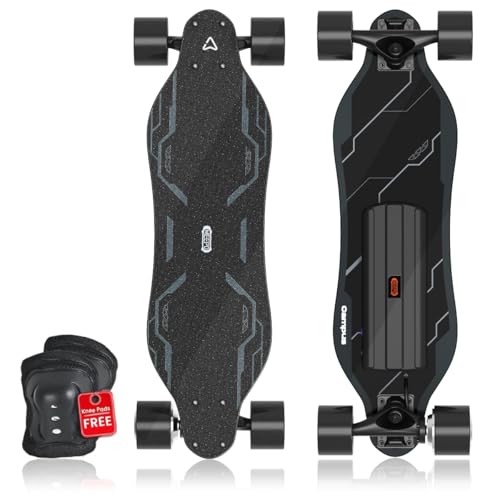

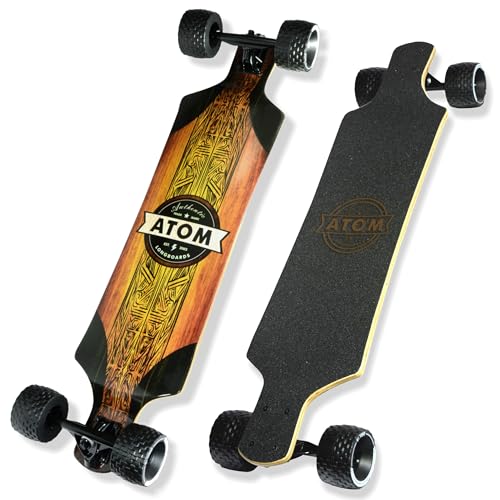
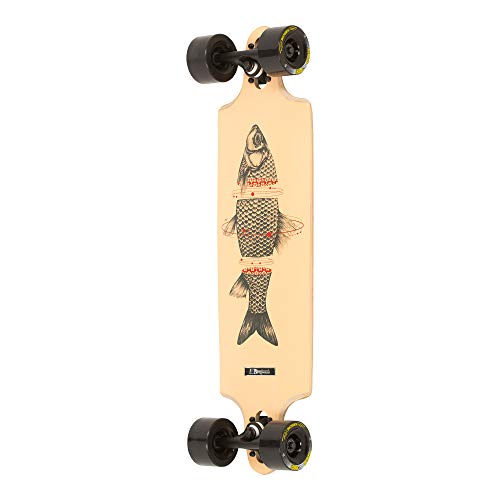
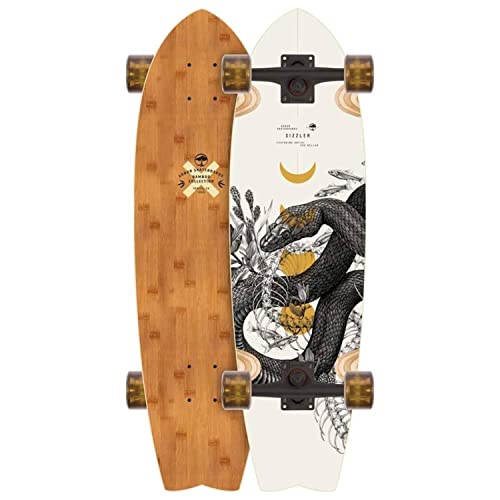

![[CCS] Skateboard Complete | Maple Wood | Professional Grade | Fully Assembled](https://images-na.ssl-images-amazon.com/images/I/31PEbUX1gWL.jpg)
Cruiser, Longboard, or Penny Board: Matching the Board to Your Commute
Every commuting skateboard guide eventually comes back to the same question: which shape actually fits your route? Choosing the right commuter skateboard depends less on personal taste and more on distance and how much foot traffic you're weaving through.
Short Hops Through Crowded Sidewalks
For commutes under three or four miles through busy streets, a cruiser is usually the easiest choice. Cruisers combine a standard-length deck with soft wheels and a shorter wheelbase, so they turn quickly and stop fast when someone steps out of a doorway in front of you. That maneuverability matters more than top speed once you're navigating around pedestrians every block.
Longer Stretches and Fewer Stops
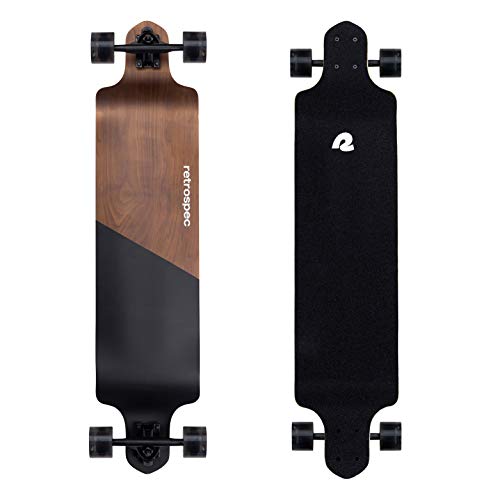
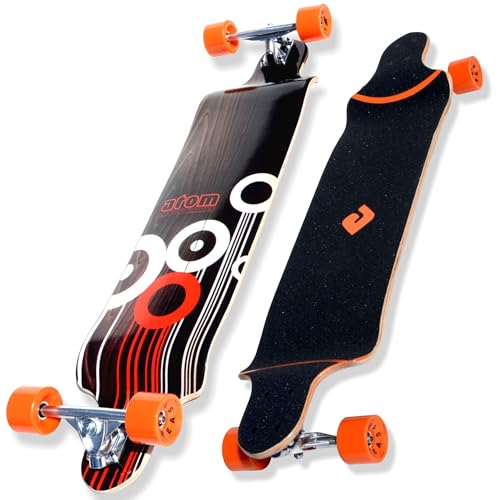
Longboards make more sense once your commute stretches past four or five miles, especially if most of it is on wider streets or a dedicated path. A longer wheelbase and bigger deck give you a smoother, more stable ride at speed, and the extra length helps you cover ground with fewer pushes. The trade-off is that a longboard is heavier and clumsier to carry once you step off it, so it fits a route with fewer transfers and less crowd-weaving.
When a Compact Board Makes More Sense
Penny boards and other small plastic cruisers are the lightest, most pocketable option, and that portability is genuinely useful if your day involves stashing the board under a desk or in a locker. The trade-off shows up on rough pavement: their tiny wheels have a harder time rolling over cracks and debris than the larger wheels on a full-size cruiser, so they suit smooth, well-maintained routes better than a route full of broken sidewalk.
Wheels and Trucks That Can Handle Cracked Sidewalks
Once you've settled on a board type, the wheels and trucks underneath your commuter skateboard decide how comfortable and predictable your ride feels every single day, not just on a good-pavement demo run.
Wheel Size and Softness for Rough Pavement
For daily commuting, look for wheels in roughly the 55 to 65mm range with a soft durometer, generally in the 78A to 85A range. Softer, larger wheels absorb the shock of sidewalk cracks, expansion joints, and small debris instead of getting caught on them. Smaller, harder wheels feel fast on a smooth surface, but on a typical city street they transmit every seam straight up through your legs and can stop you cold on a rough patch.
Truck Material and Everyday Durability
Aluminum trucks cost a bit more than plastic ones, but they hold their shape better under repeated daily riding and provide more stable footing, especially if you're carrying a loaded backpack. Plastic trucks are lighter and cheaper, which can suit an occasional rider, but they tend to flex and wear faster once a board becomes part of your everyday routine rather than a weekend activity.
Deck Flex and Length: Comfort Versus Control
Deck flex is one of the least understood parts of buying a commuter skateboard, and it changes the character of a ride more than most riders expect. A deck with noticeable flex absorbs impact from rough pavement and feels gentler on your knees and ankles over a long ride. Too much flex, though, starts to feel mushy when you're pushing hard or carrying weight, and it can make the board feel less precise when you need to react quickly to a curb cut or a pedestrian.
A stiffer deck, often built from several plies of maple, trades some comfort for more predictable handling and better support if you're carrying a bag full of work gear. Deck length matters too: something in the 34 to 46 inch range generally gives you enough platform to stand comfortably and carve, while staying manageable to carry once you're off the board. If your route mixes rough patches with smooth stretches, a moderate amount of flex tends to be the more forgiving everyday choice than either extreme.
Getting Your Board On and Off Trains, Buses, and Into the Office
This is the part most buying guides skip, but it shapes daily commuting more than any spec sheet. Transit rules for skateboards vary a lot by city and system. Many buses and trains allow you to carry a board on board, but few allow riding it on the platform or inside the vehicle itself, so plan on carrying, not rolling, through those spaces.
Once you're aboard, keep your commuter skateboard as compact as possible and close to your body, ideally tucked under a seat or held flat against your leg, so it doesn't block the aisle or catch on other passengers' bags. This is where board choice loops back around: a shorter cruiser or a compact board is noticeably easier to manage in a crowded car than a full-length longboard, even if the longboard was the better choice for the riding portion of your trip. At the office end, most people either lean the board in a corner, slide it under a desk, or keep it in a bag, so it helps to think about where it will actually live for eight hours before you commit to a size.
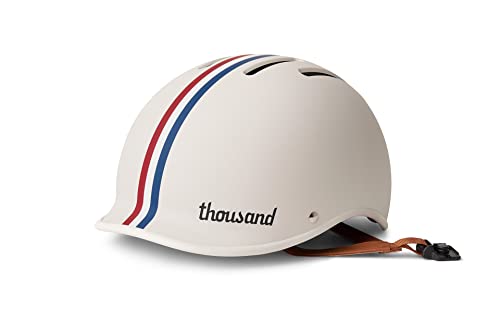
Whatever board you land on, wearing a skateboard helmet matters more on a commute than it does at a park, since you're sharing space with car doors, curbs, and distracted pedestrians rather than a controlled riding area. If your commute regularly runs past four or five miles and you're finding push power exhausting, it's also worth comparing the math against an electric road bike, which covers the same distance with a lot less leg work. And if portability is your main constraint rather than raw speed, some commuters find that an electric hoverboard scooter folds down smaller than a longboard while still beating a plain walk.
Frequently Asked Questions
How far can you realistically commute on a skateboard?
Most riders comfortably cover one to three miles on a commuter skateboard by push power alone, depending on fitness, terrain, and how much they're carrying. Hills and headwinds shrink that range quickly, so a route with a lot of elevation change will feel much longer than the mileage suggests.
Is a cruiser or a longboard better for commuting?
A cruiser is usually better for short, crowded routes because it's easier to maneuver and stop quickly. A longboard suits longer, straighter commutes where stability and fewer pushes matter more than tight turning.
Are penny boards good for commuting to work or school?
They can be, especially if portability is your top priority and your route is mostly smooth pavement. Their small wheels struggle on cracked sidewalks or gravel, so they're a better fit for polished city blocks than rough or poorly maintained streets.
What wheel size and hardness is best for rough streets?
Aim for wheels in the 55 to 65mm range with a soft durometer around 78A to 85A. That combination rolls over cracks and debris far more smoothly than the smaller, harder wheels found on boards built for tricks.
Can you bring a skateboard on a bus or train?
In most cities, yes, as long as you're carrying it rather than riding it inside the vehicle or on the platform. Rules vary by transit system, so it's worth checking your local agency's policy if you'll be doing this daily.
What deck flex is best for a daily commute?
A moderate amount of flex tends to work best for most commuter skateboard setups, since it softens the impact of rough pavement without feeling unstable at speed. Very stiff decks favor control and cargo-carrying, while very flexible decks favor comfort on rough routes.
Making the Right Call
The best commuter skateboard for you comes down to matching board type, wheel setup, and deck flex to the actual route you ride every day, not to whatever looks fastest in a video. Get the wheel size and board length right for your streets and your commute, and the rest of the ride tends to take care of itself.