Best Skateboard Helmet in 2026: The Complete Buying Guide
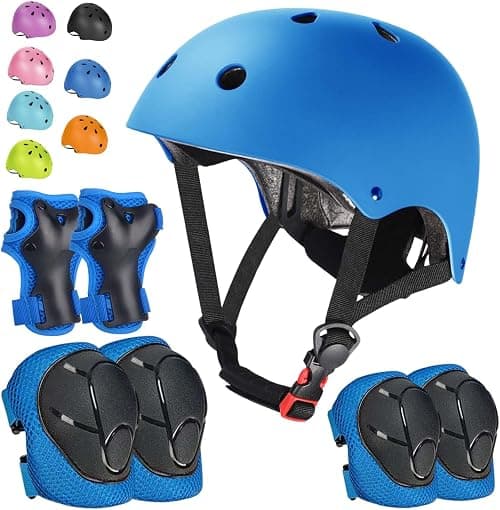
Choosing the best skateboard helmet is one of the most important safety decisions any skater can make, yet it is also one of the most widely misunderstood purchases in action sports. Many shoppers assume that any helmet labeled "skate style" or sold in a skateboarding aisle automatically meets the safety standards required for skateboarding impacts. In reality, the skateboarding helmet market includes a wide range of products, from genuinely certified protective gear engineered for repeated falls to cosmetic "skate style" helmets that only meet the much lower bar required for casual bicycle riding.
Understanding what separates a true skateboard helmet from a look-alike bike helmet, what certifications actually matter, and how proper fit affects real-world protection will help you make a genuinely informed decision in 2026, whether you are buying for yourself, for a child just starting at the local skate park, or for a dedicated downhill longboarder who needs the highest level of impact protection available.
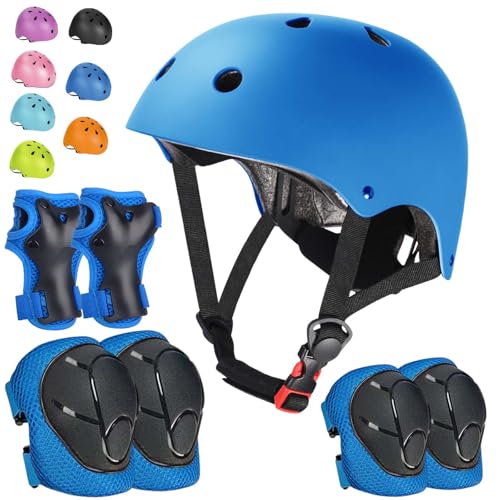
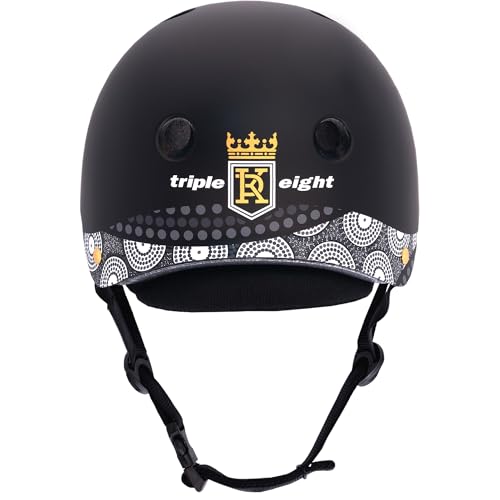
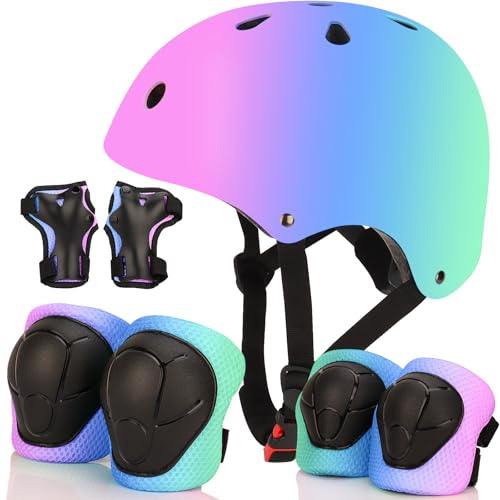
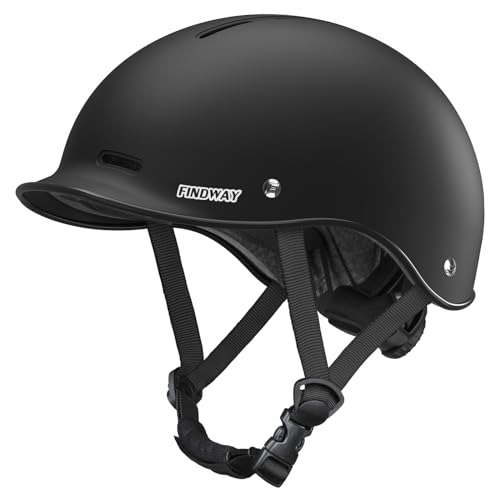
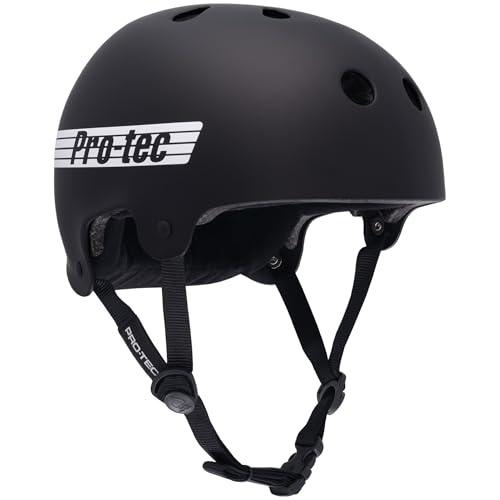

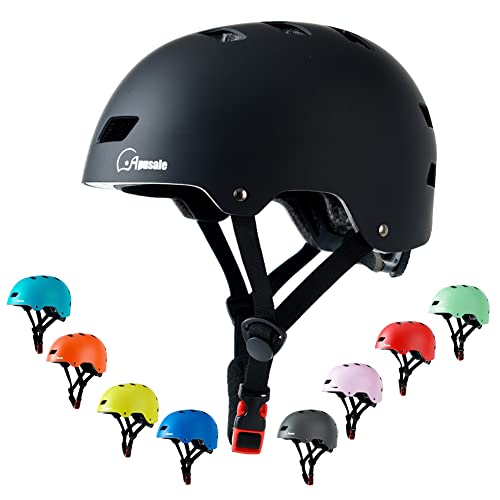
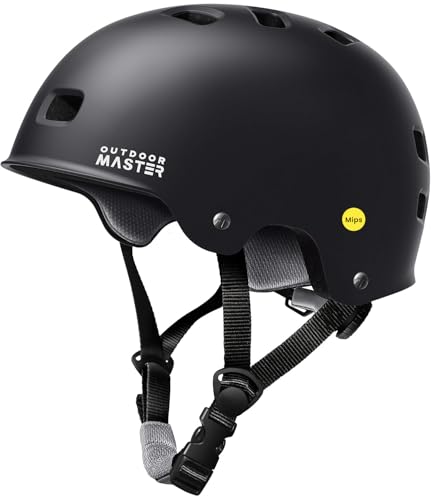
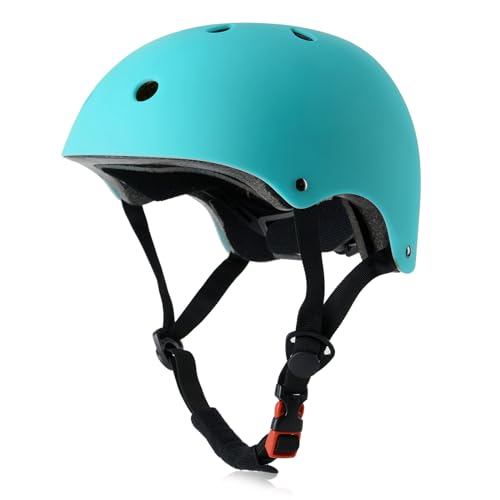
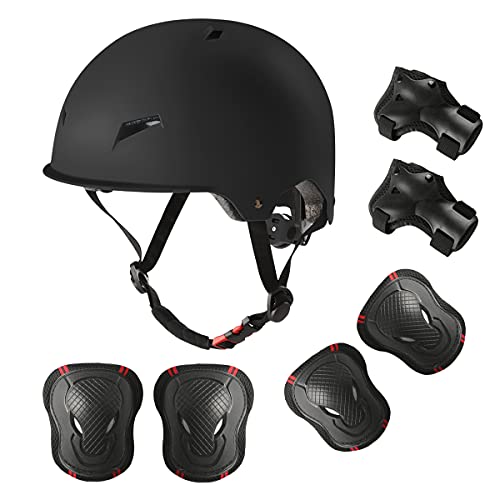
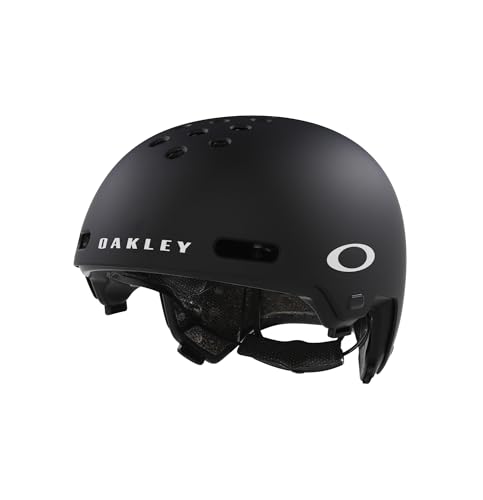
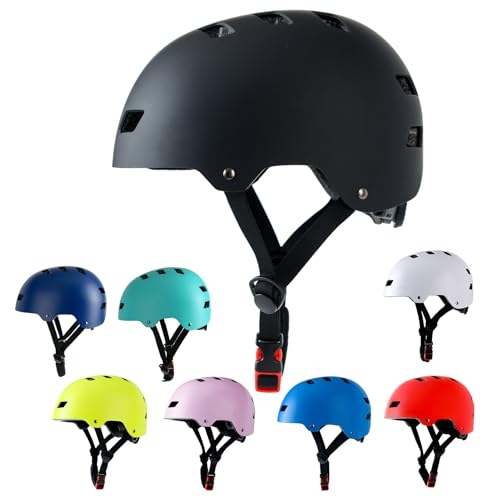

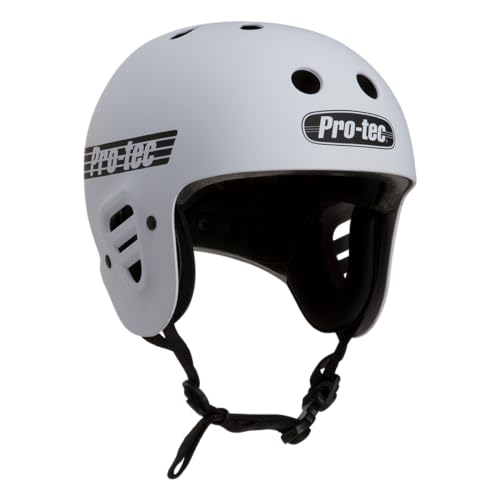
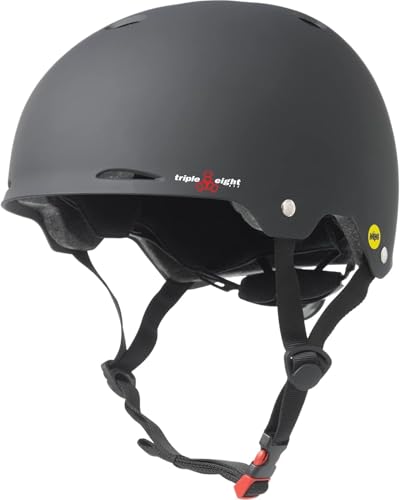
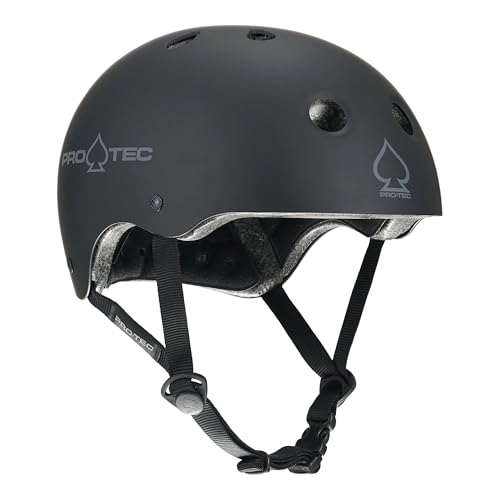
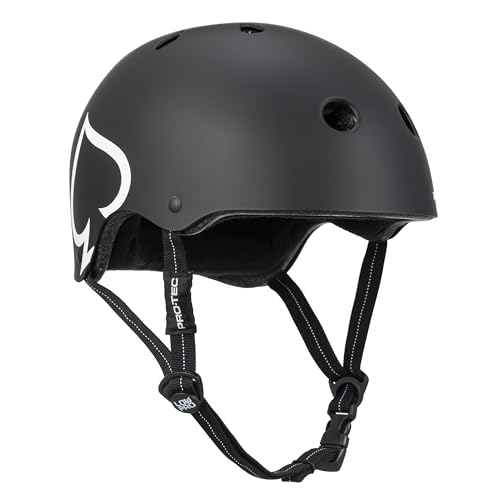
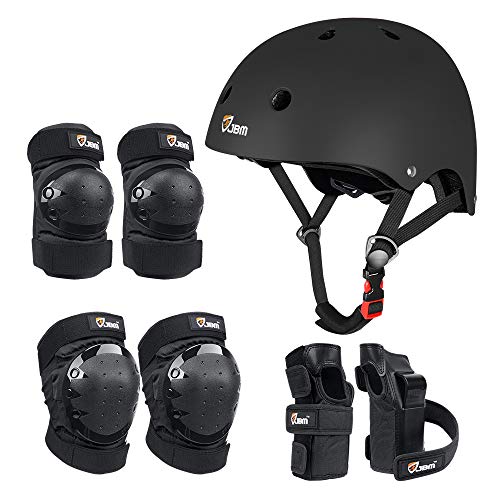
Why a Dedicated Skateboard Helmet Matters
Skateboarding and cycling produce fundamentally different crash patterns, and helmet engineers have designed two distinct categories of protective foam to address them. Cyclists tend to crash at higher speeds but less frequently, so standard bicycle helmets are engineered to absorb a single large, high-energy impact and are generally designed to be replaced after that one significant hit.
Skateboarders, by contrast, fall more often but typically at lower speeds, and a true skateboarding helmet needs denser foam and a harder outer shell specifically engineered to withstand multiple smaller impacts across a single skate session without losing its protective capability after the first fall.
This is the central reason that a genuine skate helmet is not interchangeable with a basic bike helmet, even when the two look nearly identical on the outside. A bike helmet that absorbs one hard impact by crushing its foam liner has done its job and should be discarded, but that same single-impact design leaves a skater unprotected for the second, third, or fourth fall that is a completely normal part of learning tricks, riding rails, or skating a vert ramp. The denser, multi-impact foam construction required for skateboarding is the defining engineering difference that any serious buyer needs to understand before purchasing.
Understanding Skateboard Helmet Certifications
Certification labels are the single most important piece of information on any skateboard helmet, and understanding what each one actually means is essential before you spend any money. There are three certification standards that commonly appear on skate helmets sold in the United States, and they are not interchangeable in terms of the protection they represent.
CPSC certification from the U.S. Consumer Product Safety Commission is the most basic safety standard found on any helmet sold in America. By federal law, every bicycle helmet sold in the United States must meet the CPSC bicycle helmet standard. This certification confirms that a helmet has passed impact testing for a single significant hit, which is the typical crash profile for cycling. Many "skate style" helmets sold in stores carry only this CPSC certification, which technically makes them legal bicycle helmets but does not mean they have been engineered or tested for the repeated, lower-speed impacts that define skateboarding.
ASTM F1492 certification from the American Society for Testing and Materials is the standard that actually defines a true skateboard helmet. Unlike CPSC, ASTM F1492 is not legally mandated, which means manufacturers and retailers can technically sell virtually any helmet labeled for skateboarding use without ever testing it to this standard.
The ASTM F1492 test specifically evaluates a helmet's ability to withstand multiple impacts rather than just one, reflecting the real-world way skaters actually fall. Until 2011, a regulatory loophole allowed some manufacturers to leave the F1492 designation off the helmet sticker even when the helmet had passed the test; that loophole has since been closed, meaning any helmet you buy today should clearly display the ASTM F1492 marking inside the shell if it has genuinely earned that certification.
Dual certification to both CPSC and ASTM F1492 represents the gold standard for most everyday skateboarding use, and it is the certification combination that safety advocates and experienced skaters consistently recommend. A dual-certified helmet has been tested for both the single high-impact crash profile of cycling and the repeated lower-impact profile of skateboarding, giving the wearer protection across both use cases in a single piece of gear. It is worth noting an important nuance here: the CPSC bicycle standard tests a lower point at the front of the helmet, while the ASTM skateboard standard tests a lower point at the back. A genuinely dual-certified helmet must pass both tests at both locations, offering more complete head coverage than a helmet certified to only one standard.
Snell certification represents the most rigorous safety standard available in the skate helmet category, and it is most commonly associated with motorsports and racing helmets repurposed for extreme skating disciplines. A Snell-certified helmet is built to withstand direct, high-speed impacts, making it the recommended choice for downhill longboarders, vert ramp skaters chasing big air, and any rider whose discipline routinely produces higher-velocity falls than typical street or park skating. Because Snell certification is primarily associated with motorsport helmets, a Snell-rated skate helmet may carry a "D.O.T." sticker rather than the more familiar CPSC or ASTM marking, which can cause confusion for buyers who are not specifically looking for it.
Skate Style Helmets Versus True Skateboard Helmets: A Critical Distinction
One of the most important things any buyer needs to understand before purchasing the best skateboard helmet for their needs is that "skate style" appearance and genuine skateboard certification are two completely separate things. A helmet can be marketed, packaged, and sold specifically in the skateboarding category of a retail store while only carrying the basic CPSC bicycle certification, with no ASTM F1492 testing whatsoever. These helmets are not unsafe for casual bicycle riding, but they have not been engineered or proven to handle the repeated impact pattern of actual skateboarding.
The only reliable way to identify a true skateboard helmet is to check the certification sticker on the inside of the shell, or to verify the certifications listed in the product description before purchasing online. Look specifically for the ASTM F1492 designation. If a product listing or in-store label only mentions CPSC certification without any reference to ASTM, you are looking at a bicycle helmet that has been marketed for skateboarding rather than a helmet actually engineered and tested for it. This distinction matters enormously in a real fall, where the denser multi-impact foam of a true skate helmet performs meaningfully better across the multiple falls that are a normal part of any skate session.
It is also worth understanding the difference between "dual-certified" and "multi-sport" or "dual-sport" labeling, which is a common point of confusion among buyers. Dual-certified specifically means a helmet has passed both the CPSC standard and the ASTM F1492 (or the European EN 1078) standard, covering both biking and skateboarding impact profiles.
Multi-sport or dual-sport labeling typically only means a helmet is suitable for biking, scootering, and casual roller skating, all of which already fall under the single CPSC standard. A multi-sport helmet has not necessarily been tested to the skateboarding-specific ASTM standard at all, even though the marketing language can sound very similar to genuine dual certification.
How to Choose the Right Skateboard Helmet for Your Discipline
The right certification level and helmet style depend significantly on what kind of skating you actually do, since street skating, park skating, vert ramps, and downhill longboarding all produce meaningfully different crash profiles and risk levels.
Street and casual park skating is well served by a quality dual-certified helmet meeting both CPSC and ASTM F1492 standards. This is the most common use case for the majority of recreational and intermediate skaters, and a properly fitted dual-certified helmet provides excellent protection against the falls typical of learning tricks, riding flat ground, and skating moderate park features.
Vert ramps and aggressive park riding involve higher airtime and greater fall distances than street skating, and many experienced riders in this category choose to step up to a Snell-certified helmet for the additional impact protection it provides at higher speeds. The increased protection comes with a meaningful trade-off in weight, since the denser materials required for Snell-level protection add noticeable heft compared to a standard ASTM-certified shell.
Downhill longboarding is widely recognized as the discipline with the highest head injury risk in skateboarding, since longboard speeds on open roads can rival cycling speeds while still producing the repeated-impact crash profile typical of skateboarding falls. Most experienced downhill riders specifically seek out full-face helmets with Snell certification, which provide both the high-speed impact protection of motorsport-grade foam and the facial coverage that protects against road rash and jaw injuries during a high-speed slide-out, an extremely common outcome in downhill longboard crashes.
Children and beginner skaters at any discipline level should always be fitted with a properly sized, dual-certified helmet regardless of how casually they are skating. Several states, including California, legally require that skaters under the age of 18 wear a CPSC-certified helmet at all times while skateboarding, and many local skate parks will not permit entry without a properly worn helmet, regardless of state law. Parents should be aware that children's heads are still developing, making proper head protection especially important during the early years of learning to skate.
Fit and Sizing: Why It Matters as Much as Certification
Even the most rigorously certified skateboard helmet cannot provide its designed level of protection if it does not fit correctly. An improperly sized helmet, whether too loose or too tight, can shift out of position during a fall, exposing parts of the skull the helmet was meant to cover, or create uncomfortable pressure points that discourage consistent wear in the first place.
Measuring your head correctly is the essential first step in finding a properly fitting helmet. Using a flexible tape measure or a length of string, wrap it around the largest circumference of your head, positioned approximately one inch above your eyebrows and ears, keeping the tape level and parallel to the ground rather than tilted.
Record this measurement in both inches and centimeters, since different manufacturers use different sizing units across their size charts, and compare your measurement against the specific brand's sizing guide rather than relying on generic small, medium, and large labels that vary meaningfully between manufacturers.
Checking the fit in person once you have the helmet involves several specific checks beyond simply confirming the size feels snug. The helmet should sit level on your head, roughly one to two finger-widths above your eyebrows, rather than tilted back to expose your forehead or pulled down too far over your eyes.
The side straps should form a V-shape just below your ears when properly adjusted, and the chin strap should be snug enough that only one or two fingers fit comfortably between the strap and your chin.
If you feel noticeable pressure on your temples specifically, this often indicates the wrong helmet shape for your particular head rather than simply the wrong size, since different brands use different interior shell shapes that fit oval, round, and intermediate head shapes differently.
A helmet that shifts when you shake your head side to side or front to back is not properly fitted, regardless of what size label it carries. Properly adjusted side straps and a correctly tightened chin strap should keep the helmet firmly in place through normal head movement, and any noticeable shifting is a sign that either the sizing or the strap adjustment needs further attention before the helmet is considered ready for actual use.
Foam Construction and Liner Technology
The interior foam of a skateboard helmet is the component doing the actual work of absorbing impact energy, and understanding the basic types of foam construction available helps explain why genuine skateboard helmets cost more and perform differently than basic bicycle helmets at a glance.
Most bicycle helmets use a single layer of EPS (Expanded Polystyrene) foam, a rigid material that crushes permanently on impact to absorb crash energy. This single-use crush behavior is exactly why bicycle helmets must be replaced after any significant impact: the foam has done its job by deforming, and it cannot perform that same energy absorption again.
Quality skateboard helmets typically use either a dual-density foam liner, combining a denser outer foam layer with a softer inner layer for both impact absorption and everyday comfort, or EPP (Expanded Polypropylene) foam, a material that looks similar to standard bicycle helmet foam but has the meaningful advantage of recovering its shape after an impact rather than remaining permanently crushed. This recovery property is what allows a genuine multi-impact skate helmet to provide meaningful protection across several falls in the same session, rather than offering its full protective capability only once.
The outer shell material also matters for multi-impact durability. Most quality skateboard helmets use a hard ABS plastic shell that distributes impact force across the surface and resists cracking on minor impacts, allowing the helmet to be used repeatedly through normal skating falls. Many basic bicycle helmets instead use thin, lightweight plastic shells designed to break or crack on the first major impact, which is acceptable for a single-use bicycle helmet but inadequate for the repeated impact demands of skateboarding.
Other Important Features to Consider
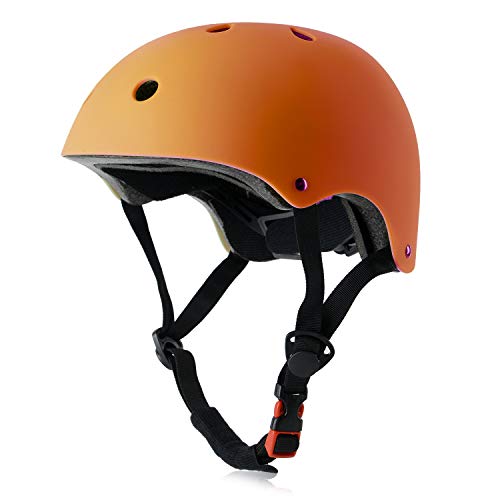
Ventilation affects comfort significantly during longer skate sessions, particularly in warmer climates or during summer months. Quality skateboard helmets typically include multiple strategically placed vent holes that allow airflow across the scalp without compromising the structural integrity of the shell or foam liner. More vents generally mean better airflow and a cooler skating experience, though some riders in colder climates may prefer fewer vents for additional warmth.
Removable, washable liners are a hygiene and comfort feature found in many quality skate helmets, allowing the interior padding to be removed and laundered periodically rather than absorbing sweat and odor permanently into a fixed foam liner. This feature is particularly valuable for frequent skaters who use their helmets several times per week.
Adjustment systems, including dial-adjust mechanisms at the back of the helmet, allow for fine-tuning the fit after the initial size has been selected, accommodating the natural variation in head shape that exists even within a single size category. A reliable, durable adjustment dial that holds its setting through repeated use is worth prioritizing over a basic helmet with only foam pad inserts for sizing adjustment.
Strap hardware, including no-pinch buckles, is a small but meaningful comfort detail, particularly for younger skaters who may otherwise be reluctant to buckle and unbuckle their chin strap if it regularly pinches skin. Double-adjustable straps that can be tightened independently on each side allow for a more precise, symmetrical fit than single-adjustment strap systems.
When to Replace a Skateboard Helmet
Even the best skateboard helmet has a limited useful lifespan, and understanding when to replace your helmet is an important part of maintaining genuine protection over time. As a general guideline, skateboard helmets should be replaced every three to five years of regular use, even without any specific impact event, since UV exposure, temperature fluctuations, and the natural breakdown of foam and adhesives over time can gradually reduce a helmet's protective performance below its original certified standard.
Any helmet involved in a significant impact should be replaced immediately, regardless of how recently it was purchased or how minor the visible damage appears from the outside. The internal foam structure of a helmet, particularly the single-use EPS foam found in standard bicycle helmets, may be permanently compressed or cracked in ways that are not visible on the exterior shell, leaving the helmet with significantly reduced protective capability for any subsequent impact.
Even dual-certified, multi-impact skateboard helmets have a finite number of significant impacts they can absorb before the foam's protective capability degrades meaningfully, and any helmet that has taken a hard, direct hit to the head should be inspected carefully and replaced if there is any doubt about its remaining structural integrity.
Frequently Asked Questions About Skateboard Helmets
Can I use a bicycle helmet for skateboarding?
A standard bicycle helmet certified only to the CPSC bicycle standard is not recommended for skateboarding, even though it may be legal to use. Bicycle helmets are engineered for a single high-energy impact and use foam that does not recover after crushing, which means the helmet may already be compromised after just one fall during a skate session, leaving you unprotected for subsequent falls that are a normal part of skateboarding. A genuine skateboard helmet certified to the ASTM F1492 standard, ideally with dual CPSC certification as well, is specifically engineered to handle the repeated lower-impact falls typical of skateboarding and is the appropriate choice for this activity.
How often should I replace my skateboard helmet?
Most manufacturers and safety organizations recommend replacing a skateboard helmet every three to five years of regular use, even in the absence of any specific impact event, due to the gradual degradation of foam and adhesive materials from UV exposure and temperature changes over time.
Any helmet that has experienced a significant direct impact to the head should be replaced immediately afterward, regardless of how new the helmet is or how minimal the visible exterior damage appears, since internal foam compression and microfractures are often not visible from the outside.
Do all skateboard helmets need to be certified?
No. Unlike bicycle helmets, which are legally required to meet the CPSC standard for sale in the United States, there is currently no federal law requiring that helmets marketed specifically for skateboarding meet any particular safety standard. This means that some "skate style" helmets sold in stores and online may carry no meaningful certification at all, or may only carry the basic CPSC bicycle certification without the ASTM F1492 skateboard-specific testing. Always check the certification sticker inside the helmet shell or the product description before purchasing, and look specifically for the ASTM F1492 designation if you want a helmet genuinely engineered and tested for skateboarding impacts.
Final Thoughts on Choosing the Best Skateboard Helmet in 2026
The best skateboard helmet for your needs in 2026 is ultimately the one that combines a verified ASTM F1492 certification, ideally alongside CPSC certification for dual protection, with a fit that has been properly measured and adjusted to your specific head shape and size. For most recreational street and park skaters, a quality dual-certified helmet with a removable washable liner and an adjustable dial fit system provides excellent everyday protection.
For vert ramp riders and downhill longboarders facing higher-speed crash scenarios, stepping up to a Snell-certified helmet, potentially with full-face coverage for downhill use, provides a meaningful additional margin of safety that matches the increased risk profile of those disciplines.
Whatever style or certification level you ultimately choose, the single most important rule remains constant: verify the certification sticker inside the shell before you buy, measure your head accurately rather than guessing at sizing, and replace your helmet immediately after any significant impact or after three to five years of regular use, regardless of how it looks on the outside. A properly certified, properly fitted skateboard helmet is the single most important piece of safety equipment any skater can own, and taking the time to choose correctly is an investment in years of safer skating ahead.