
Best Kids Scooter: A Complete Buying Guide for Parents
Disclosure: We may earn a commission when you buy through links on this page, at no extra cost to you. As an Amazon Associate I earn from qualifying purchases. Learn more
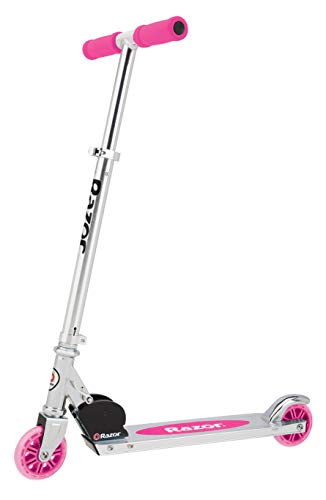
Shopping for a first scooter can feel more complicated than it should be, once you start comparing wheel sizes, deck heights, and a dozen frame styles that all claim to be the best option. Parents often grab whatever looks fun on the shelf, then watch their child wobble, overcorrect, or lose interest within a week because the fit was wrong from the start. Finding the best kids scooter really comes down to matching the ride to your child's age, height, and current balance, not chasing the newest color or graphic. This guide breaks down how sizing changes as kids grow, which features actually hold up to daily use, and where different scooter types fit into that picture. By the end, you'll know exactly what to check before you buy.


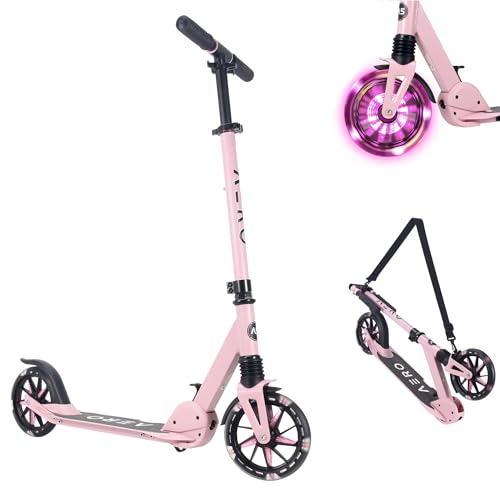
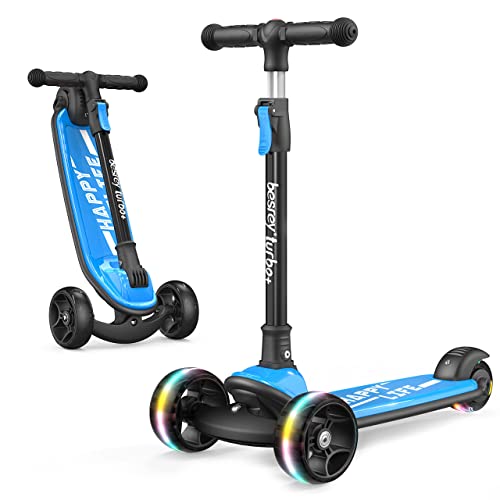
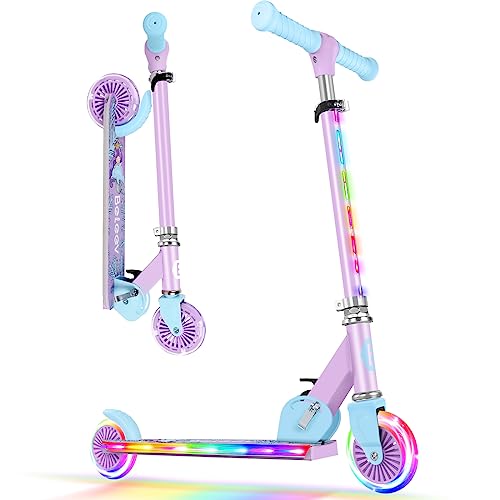
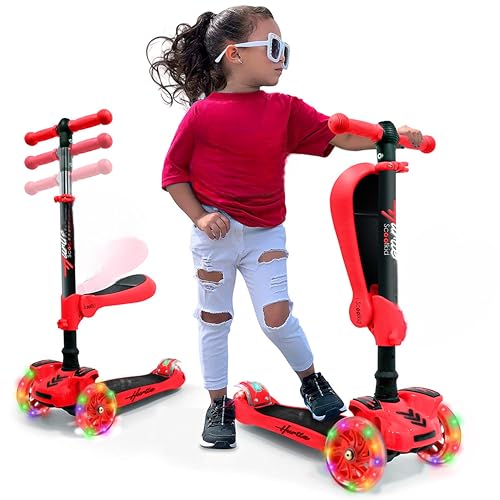
How to Choose the Right Kids Scooter for Your Child's Age
Age is a useful starting point, but it only tells part of the story. Height, weight, and how much riding experience your child already has all matter just as much once you start narrowing down options.
Ages 3 to 5: Stability Comes First
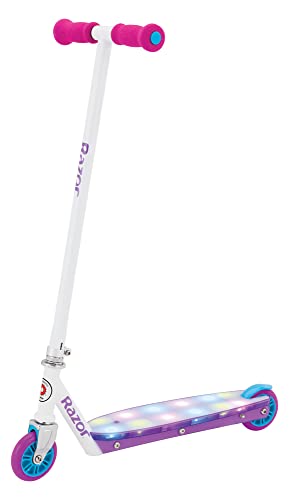
Younger riders are still building balance and coordination, so a low, wide deck matters more than speed or wheel size at this stage. Look for a scooter with a light frame your child can steer without much upper body strength and grips that are easy to hold with small hands. If your child still feels unsteady standing on one foot for more than a second or two, a three-wheel toddler scooter with a wider base can be a gentler starting point before moving up to a two-wheel model later on.
Ages 6 to 8: The Sweet Spot for a First Real Scooter
Most kids in this range are ready for a standard two-wheel scooter with an adjustable handlebar, since their balance has usually caught up enough to steer with one wheel in front instead of two. Slightly larger wheels help smooth out sidewalk cracks and driveway seams, which matters a lot when a child is still getting comfortable with momentum. Kids who spent time on a balance bike a year or two earlier tend to pick this up faster, since leaning to steer already feels familiar to them.
Ages 9 and Up: Bigger Wheels, Taller Bars
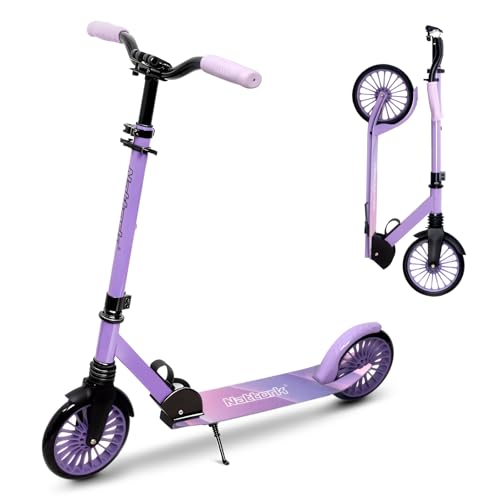
Older riders usually want more speed and distance, so look for a taller maximum handlebar height, a reinforced deck, and a higher weight limit than you'd need for a younger child. Wheel diameter becomes more important here too, since bigger wheels roll faster and handle rough pavement with less effort. Many kids at this age are also strong and coordinated enough to consider other scooter types, which is worth keeping in mind if the standard kick scooter starts to feel too basic for them.
Key Features to Check Before You Buy
Once you've narrowed down the right age range, these are the details that actually decide whether you end up with the best kids scooter for your family or one that sits untouched in the garage.
Deck Size and Standing Room
A deck that's too narrow or too short forces your child to stand with their feet close together, which makes balance harder than it needs to be. Look for a deck long enough that both feet can plant comfortably side by side, with a bit of extra room for growth. Textured or grip tape surfaces help prevent slipping, especially on wet mornings or after a splash in a puddle.
Wheel Material and Size
Polyurethane wheels roll smoother and quieter than the harder plastic wheels found on cheaper models, and they tend to hold up better over months of daily riding. Larger wheels, generally in the 120 to 200 millimeter range depending on your child's age, roll over cracks and small pebbles with less jarring than smaller ones. If your neighborhood has a lot of rough or uneven pavement, prioritize wheel size over almost anything else on this list.
Adjustable Handlebar Height
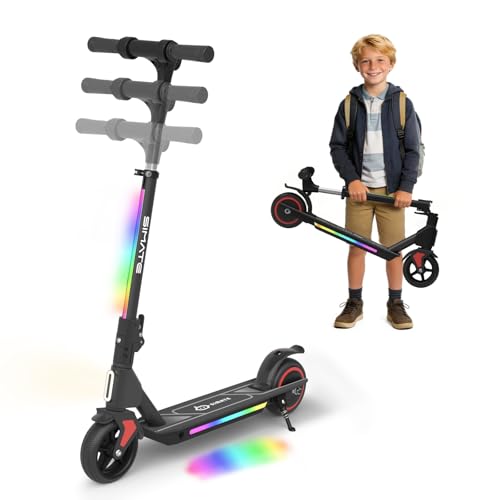
An adjustable handlebar lets the scooter grow with your child instead of becoming useless after a growth spurt. The right height usually lines up close to hip or waist level when your child is standing flat on the deck, not up near the chest or down near the knees. Multiple height settings also mean siblings can often share the same scooter, which stretches the value of the purchase.
Braking System
Most kids scooters use a simple rear fender brake that your child presses down on with their foot, which is easy to learn and reliable for everyday riding. Some models add a hand brake for older kids who ride faster and need to stop more quickly. Test that the brake engages smoothly without excessive force, since a stiff or unresponsive brake is genuinely dangerous once your child is riding at speed.
Matching the Scooter Type to Your Child's Skill Level
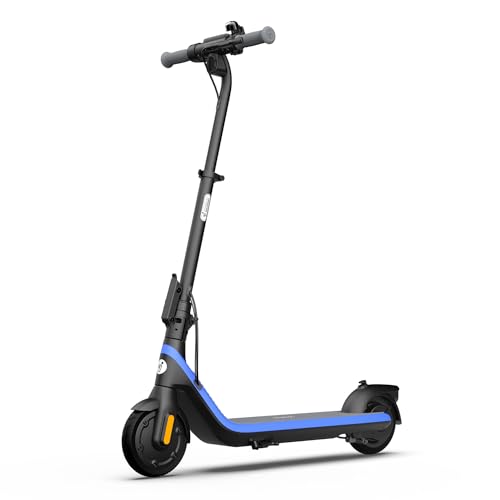
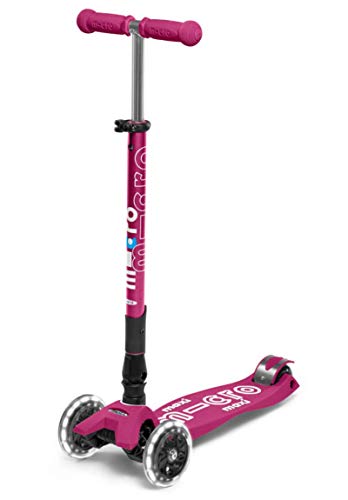
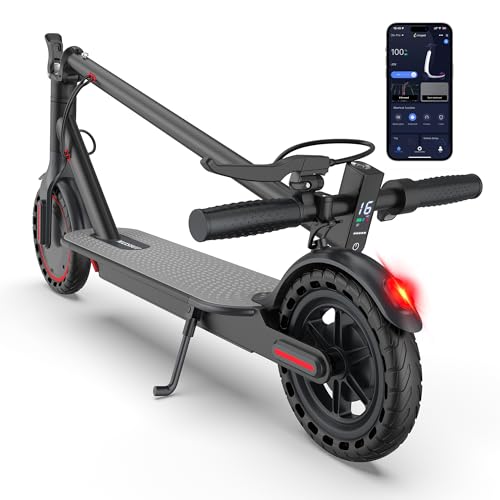
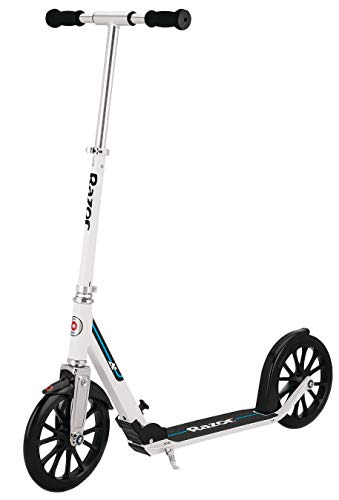
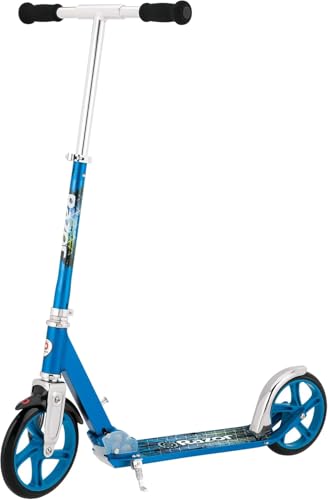
Not every child is ready for the same style of scooter, and the type matters just as much as the size. Three-wheel and caster-style scooters, which use a lean-to-steer motion instead of a turning handlebar, work well for younger or more cautious riders who aren't confident balancing on a single front wheel yet. Traditional two-wheel kick scooters remain the standard choice for most school-age kids since they're simple, lightweight, and easy to steer once basic balance is in place. If your child has outgrown pushing altogether and wants more range for neighborhood rides, an electric scooter for kids is worth exploring once they're a bit older and already confident on two wheels.
Safety Essentials Every Parent Should Know
A properly fitted bike helmet should be non-negotiable every single time your child rides, no matter how short the trip feels. Knee and elbow pads add a helpful layer of protection while kids are still learning to catch a fall, especially during the first few weeks. Stick to smooth, flat surfaces away from traffic and driveways until your child can start, stop, and turn confidently, and always double-check that the folding mechanism, if the scooter has one, is fully locked before they push off.
Common Mistakes Parents Make When Buying a First Scooter
The most common mistake is buying a scooter a size too big so a child can "grow into it," which usually just makes it harder to control and less fun to ride right away. Ignoring the manufacturer's weight limit is another frequent misstep, since an overloaded scooter wears out faster and can become unstable. Some parents also choose based on color or character branding alone, skipping over deck size and brake type entirely. Finally, skipping a helmet because it's "just a short ride around the block" is a habit worth breaking from day one.
Frequently Asked Questions
What age is right for a kid's first scooter?
Most children can start on a stable three-wheel scooter around age 3, then transition to a two-wheel model somewhere between ages 5 and 7 depending on their balance and confidence. There's no strict cutoff, so watch your child's readiness rather than following age alone.
How do I know what size scooter my child needs?
Check the handlebar height against your child's standing height, aiming for a grip that lands around hip or waist level. If the scooter has adjustable height settings, start on the lower end and raise it as they grow.
Are three-wheel or two-wheel scooters better for kids?
Three-wheel scooters offer more stability and suit younger or newer riders, while two-wheel scooters are lighter, faster, and better suited to kids who already have solid balance. Neither is universally better, since the right choice depends on your child's current skill level.
What weight limit should I check before buying?
Compare your child's current weight to the manufacturer's stated limit and leave some room to spare rather than buying right at the maximum. A scooter with extra capacity tends to hold up longer and feel more stable during everyday riding.
How high should the handlebar be for my child?
The handlebar should sit close to hip or waist height when your child stands flat on the deck with their arms relaxed. Too high and they'll lean forward awkwardly, too low and their knees will bump the bar while pushing.
Do kids need safety gear for a scooter, even in the driveway?
Yes, a helmet should be worn every time regardless of distance, since most falls happen during the early learning stage rather than on long rides. Knee and elbow pads are a smart addition while your child is still building confidence.
How long does a kids scooter typically last before they outgrow it?
A scooter with an adjustable handlebar and a generous weight limit can often last two to three years of regular use. Growth spurts and riding style both affect the timeline, so check the height and weight range every few months.
Final Thoughts
The best kids scooter is the one that matches your child's current age, height, and confidence level, not the flashiest model on the shelf. Focus on deck size, wheel quality, an adjustable handlebar, and a reliable brake, then let your child's skill level guide you toward the right type. Get the fit right from the start and you'll end up with a scooter that actually gets ridden, not one that gathers dust in the garage.