
Best Burton Boots: Types Compared and How to Choose for 2026
Disclosure: We may earn a commission when you buy through links on this page, at no extra cost to you. As an Amazon Associate I earn from qualifying purchases. Learn more

Compare the best burton boots by flex, lacing system, and binding fit, with sizing guidance and price bands to help you pick the right pair for the mountain.
One maker, one long boot wall, and a shelf of near identical black boots: this range confuses riders because flex, closure, and binding fit all change how a boot rides. This guide sorts the best burton boots by type, so you can match a pair to your terrain, your bindings, and your budget. The comparison table below lines the types up side by side before the detail starts.
Every boot in this guide is a snowboard boot from this maker class. Nothing here is a work boot, a hiking boot, or a fashion boot, and the types below split by stiffness and closure rather than by model name.
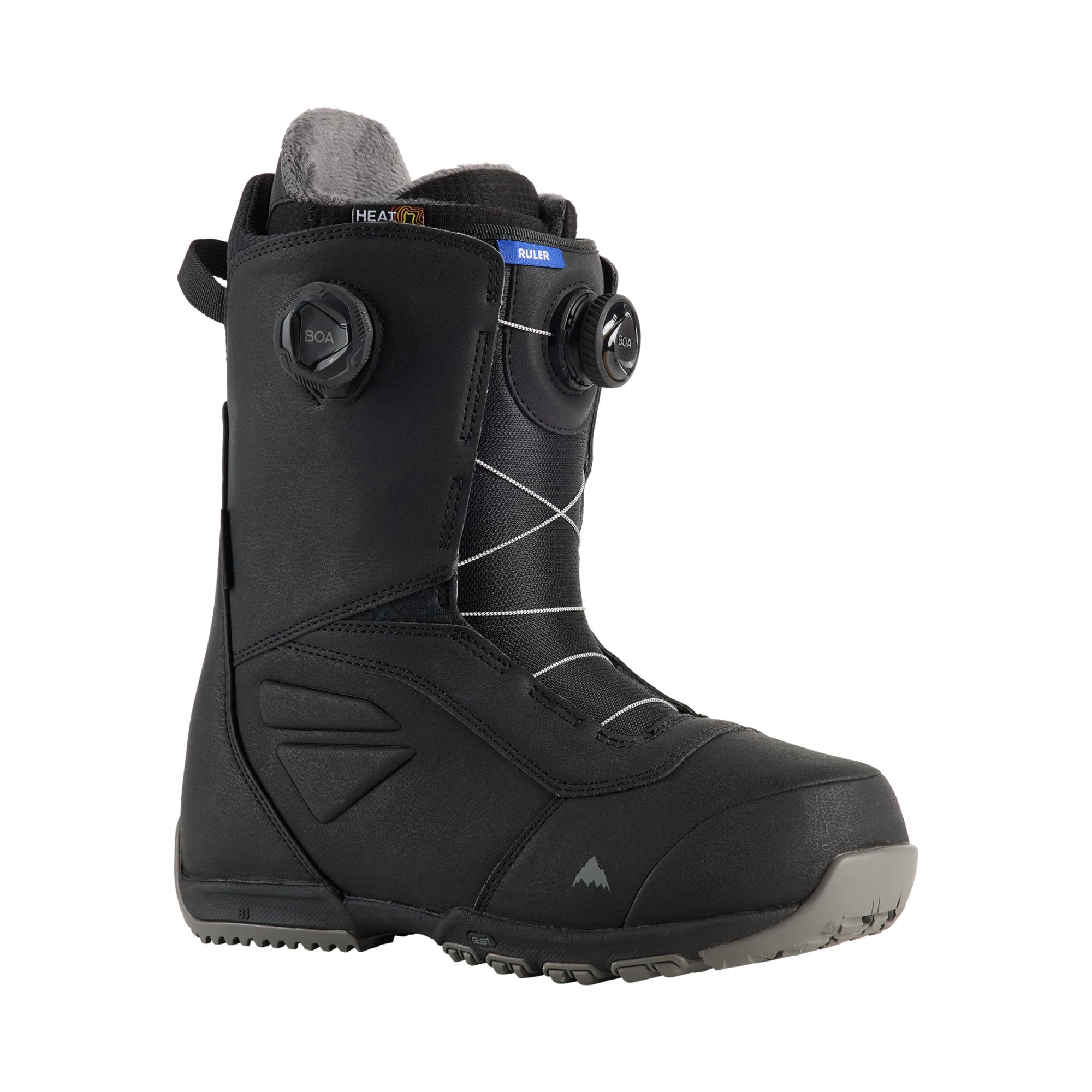
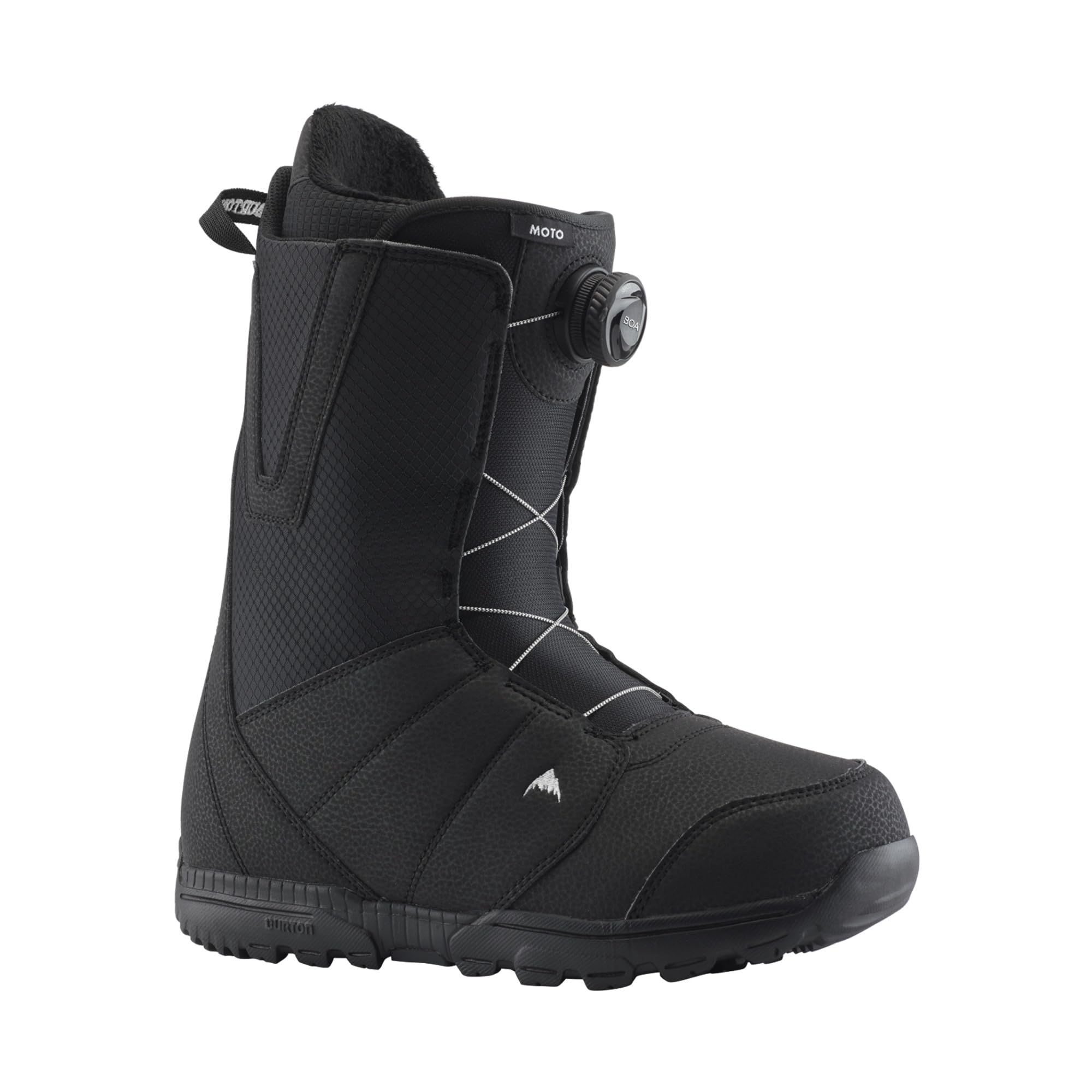


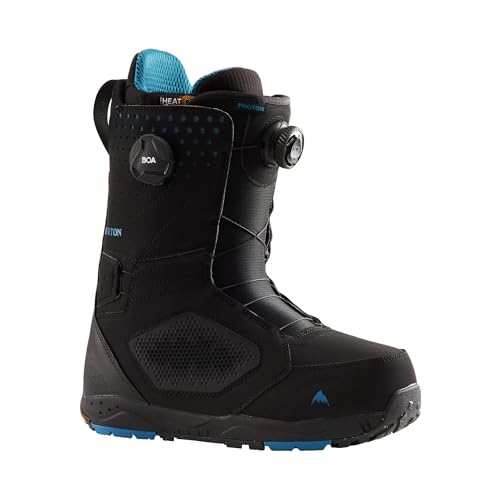

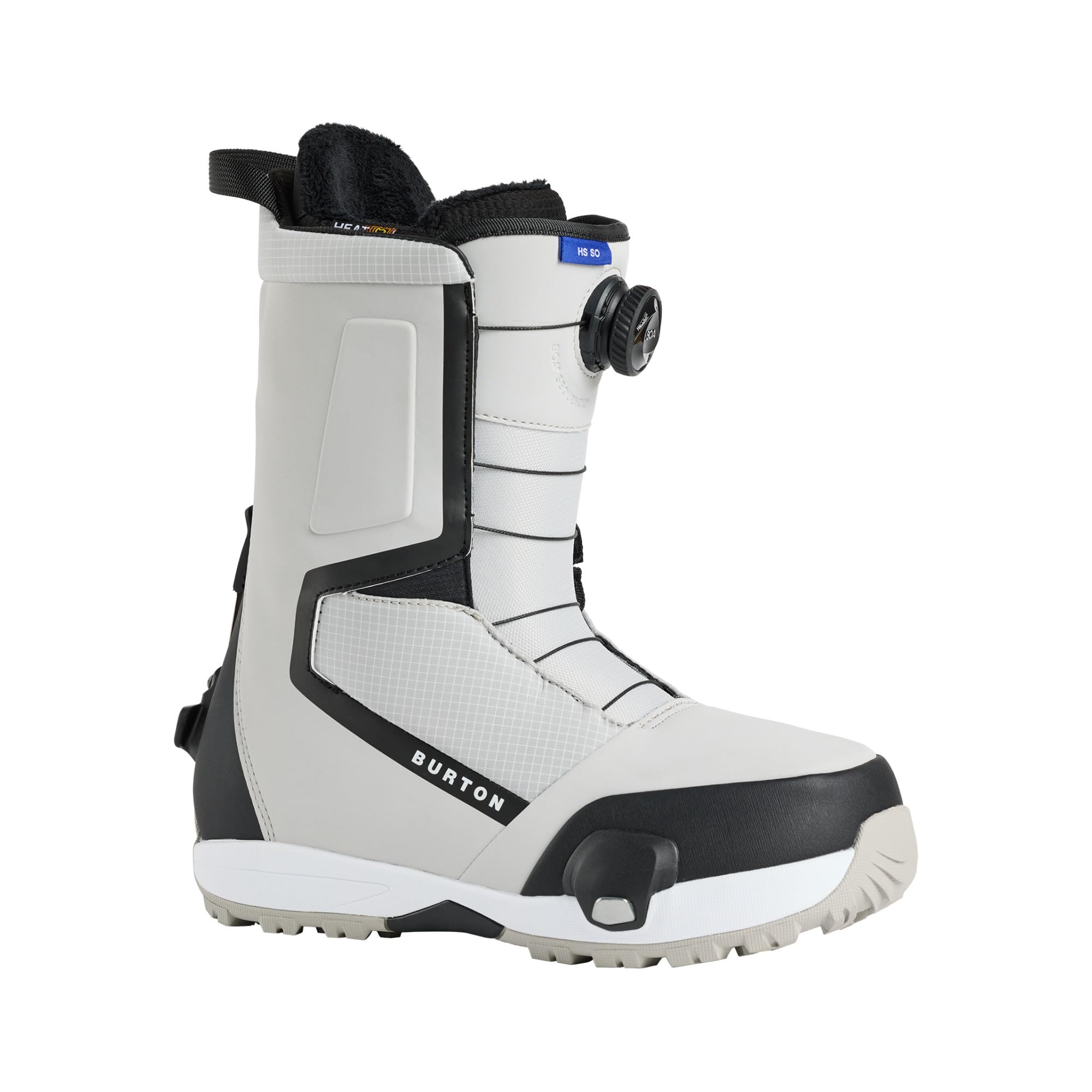

Types of Burton Boots Compared
Flex is the first sort, and it should be an honest one. A soft flex rated about 3 to 5 suits learners and park riders who want forgiveness, a medium flex rated about 5 to 7 suits all mountain riders who split their day, and a stiff flex rated about 7 to 10 suits riders chasing speed and steep lines. For a terrain first view of this same maker class, see our guide to best burton snowboard boots.
| Type | Best For | Strengths | Tradeoffs | Typical Price |
|---|---|---|---|---|
| Soft flex boots | Learners and park riders | Forgiving, easy to flex, comfortable from day one | Less support at speed | around $180 to $260 |
| Medium flex boots | All mountain riders | Balance of comfort and response | Master of no single style | around $260 to $380 |
| Stiff flex boots | Speed and steep terrain | Precise response, strong ankle support | Demanding fit, tiring for new riders | around $380 to $550 |
Soft Flex Boots
Soft boots bend easily at the ankle, which forgives the balance errors every learner makes. They feel comfortable in the shop and stay comfortable on slow lifts and gentle slopes. The cost of that comfort shows up as speed rises: the boot folds instead of holding an edge, and ankles tire from doing the work the shell should do. Buy soft when your days are about learning and park laps, not about pace.
Medium Flex Boots
The medium class is the all mountain compromise, stiff enough to hold an edge on firm snow and soft enough for a full day without hot spots. Most progressing riders land here and stay here, because one pair covers groomed runs, side hits, and the odd powder day. If you ride varied terrain and own one pair, this is the class that asks the fewest sacrifices.
Stiff Flex Boots
Stiff boots trade forgiveness for response: a small ankle movement reaches the board at once, which rewards clean technique and punishes sloppy weight shifts. Freeride and speed focused riders gain support on steep faces and in chopped snow. New riders usually fight this class, since every error transfers straight to the edge. Choose stiff only when your riding, not your ambition, demands it.
Laces, Dial Closure, and Speed Lacing: Which Should You Choose?
The three closure families trade repair ease against speed. Traditional laces adjust zone by zone and can be replaced at any shop with a spare pair from a drawer, but they take time with cold hands. Dial closure tightens in seconds, even with gloves on, yet a failed cable or dial needs maker parts rather than a quick knot. Speed lacing sits between the two, with quick pulls for each zone and simpler parts than a dial. Pick laces for repairability, dial systems for convenience, and speed lacing when you want most of both.
How to Choose the Right Burton Boot
Binding Compatibility Comes First
Check the binding before the boot, because the two must agree. One branch of this range is built for a step on binding system class, where the boot carries the connection points and the binding drops its straps entirely. Riders committed to that system can start with our guide to best burton step on boots. Strap binding riders face fewer limits, though bulky boots can crowd small bindings, so confirm the size pairing.
Fit, Sizing, and Toe Room
Measure your feet late in the day, when they are at their largest, and try boots with your riding socks. Toes should brush the front of the liner when you stand straight and pull clear when you flex into riding stance. Heel lift is the warning sign that matters most: a heel that rises with each flex will blister and steal control. A snug fit that feels almost too tight in the shop usually settles into the right fit.
Liner Warmth and Heat Moulding
The liner governs fit more than the shell does, because it is the part shaped like your foot. A heat mouldable liner, warmed and fitted at a shop, follows your ankle and forefoot shape and removes pressure points that no amount of lacing can fix. Pair it with a shaped insole when your arches ache by midday. Cold feet usually trace back to poor circulation from an over tightened boot, not to thin insulation.
Waterproofing and Cold Days
Shell membranes and sealed seams keep melt and slush out through a wet spring day, while vents and thinner linings trade warmth for breathability. Most riders in cold resorts should favour the warmer, drier build, since snowboard boots spend hours sitting on lifts in falling snow. Riders in mild climates can accept a lighter shell. Either way, a boot that ends the day dry inside dries faster overnight and lasts longer.
Care and Maintenance Tips
- Pull the liners out after every riding day and air dry the shells and liners away from radiators and other direct heat.
- Loosen the closure fully before storage so the liner keeps its shape instead of packing down in one spot.
- Check laces, cables, and dials for fraying before a trip, since a closure failure on the mountain ends the day.
- Store boots buckled or laced lightly in a cool dry place, never in a sealed wet bag.
- Rinse road salt and grit off the shells after spring riding to protect the outer materials.
Frequently Asked Questions
How should burton boots fit when they are new?
New burton boots should fit snugly, with toes brushing the front of the liner and heels locked down. That snugness is correct, because liners pack out by roughly half a size during the first days of riding. One check shops use: if you can fit two fingers behind your heel inside the shell with the liner removed, the shell size is close. Pain, numbness, or curled toes mean the fit is wrong, not tight.
How long does the break in period for snowboard boots last?
The break in period for snowboard boots lasts about three to five full days of riding. The liner compresses around your foot and ankle during those days, which is why a correct shop fit feels tight at first. Heat moulding at a shop can shorten the process by shaping the liner before your first run. Blisters during break in usually point to heel lift, which lacing adjustments or a fitter visit should solve.
Are stiff burton boots a poor choice for beginners?
Yes, stiff burton boots are a poor choice for most beginners. A stiff shell sends every small balance error straight to the board edge, which makes slow speed turns harder to learn and falls more abrupt. Beginners progress faster in a soft or low medium flex that forgives weight shifts. The one exception is a heavy or very athletic learner, who may flex a soft boot past its support range and feel more secure one class stiffer.
Can burton boots from this range fit bindings from other makers?
Most burton boots from this range fit strap bindings from other makers, because strap systems adjust to a wide range of shell shapes. The step on branch is the exception: those boots only connect to bindings built for the same step on system class, with matching connection points. Always match boot size to the binding size range on the maker chart, since a boot at the edge of a range can overhang or sit loose.
How often should I replace my burton boots?
Replace your burton boots when the flex feels noticeably softer than when new, which happens after about 80 to 100 days of riding for most pairs. Packed out liners are the earlier sign: if your heel starts lifting in a boot that once held it, the liner has compressed past recovery. Riders who go out ten days a season can stretch a pair for many winters, while instructors wear boots out in one or two seasons.
The Bottom Line
Choose by flex first, closure second, and binding fit always. Match the flex class to your terrain, pick the closure your habits favour, and confirm the boot and binding agree before money changes hands. The product table above lines up the current types so you can apply those three checks side by side. Riders who start there will land on the best burton boots for their own days on the mountain.


