Best Frameless Shower Doors: A Complete Buying Guide

Shopping for best frameless shower doors means choosing glass and hardware that will define your bathroom for the next decade, not just finding a panel that fits the opening. Frameless doors rely on thick tempered glass and heavy-duty hinges instead of an aluminum frame, which gives them a sleek, minimal look but also means every detail matters more. Glass thickness, hinge quality, and precise measurement all affect how the door performs, how long it lasts, and what it costs. This guide walks through what actually separates a well-built frameless enclosure from one that wobbles, leaks, or needs repairs within a year, plus the installation and upkeep realities nobody mentions until you are already living with the door.
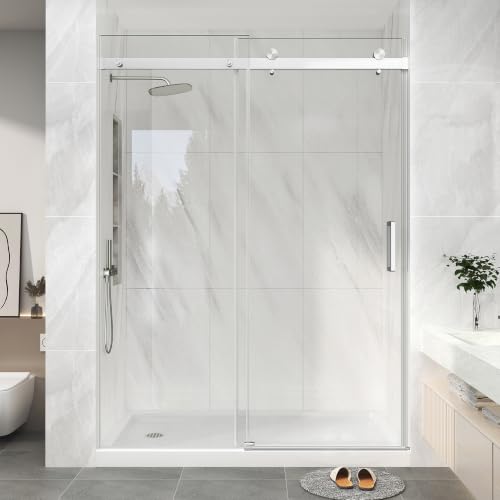
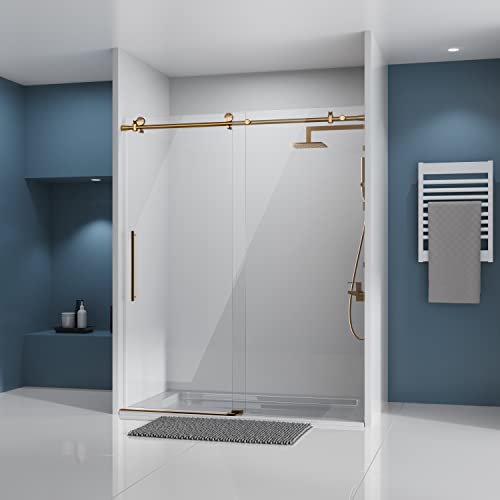
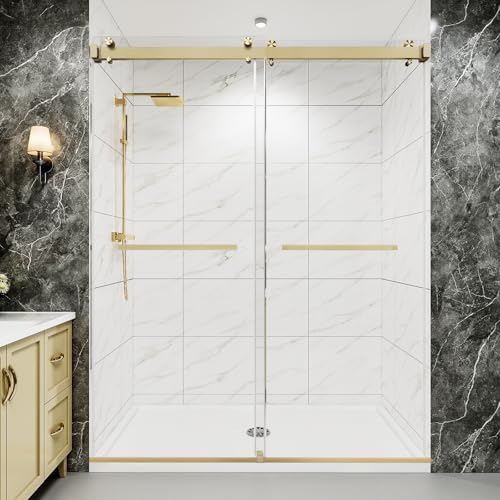
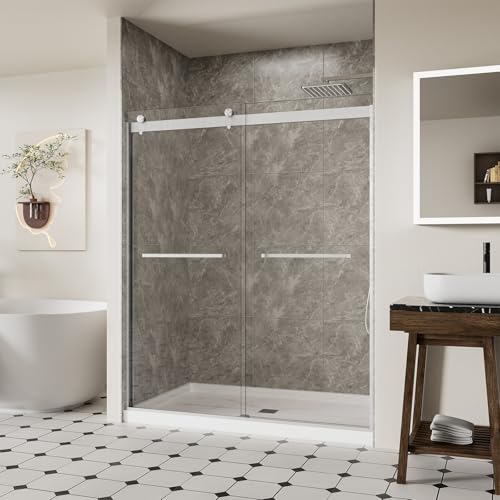
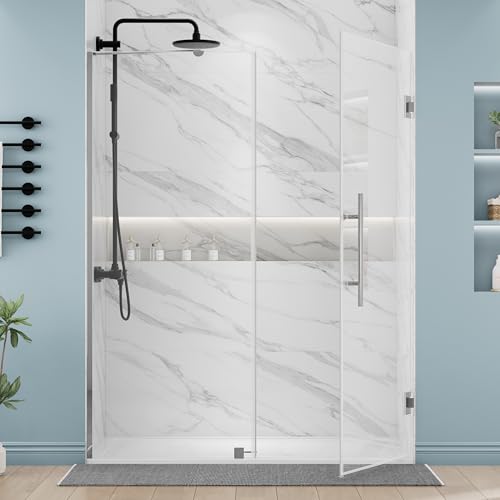
Glass Thickness and Hinge Quality: The Two Numbers That Matter Most
Almost every frameless enclosure is built from 3/8-inch or 1/2-inch tempered glass, and the choice between them is not just about looks. Thinner 3/8-inch glass is lighter, easier to source, and fine for standard-size openings, typically panels under about 32 inches wide. Once a panel gets larger or the layout calls for a wide fixed panel next to a door, 1/2-inch glass resists flex and feels noticeably sturdier when you swing the door shut.
Reading the Tempered Glass Stamp
Every legitimate panel of frameless shower doors should carry an etched certification mark in a corner confirming it is tempered safety glass, not ordinary annealed glass. Tempered glass shatters into small, dull pebbles instead of sharp shards if it ever breaks, which matters a lot in a wet room. If you cannot find that etched mark on a quote or sample, ask directly before you buy.
Hinges, Brackets, and Finish
Heavier glass needs hinges rated for the extra weight, and cheap hardware is where budget doors usually fail first. Look for solid brass or stainless hinges with a finish that matches your faucet and showerhead, since mismatched metals stand out immediately in a small bathroom. Adjustable hinges are worth asking about too, because they let an installer fine-tune the door so it seals evenly against uneven tile.
Why Frameless Doors Cost More, and What the Premium Actually Buys You
A frameless enclosure typically costs more than a framed or semi-frameless one, and the price difference comes from real factors rather than markup. Every panel is custom cut to the exact dimensions of your shower, since there is no metal frame to hide small gaps or mismeasurements. The glass itself is thicker and heavier, the hinges and clamps are more substantial, and installation takes longer because everything has to be shimmed and aligned by hand.
What that premium buys you is a cleaner look with no metal channels to trap soap scum, mildew, or hard water buildup. Cleaning is faster because there are no grooves or corner joints to scrub, just a flat pane you can squeegee in seconds. If the higher price is a stretch, a semi-frameless design keeps a slimmer metal edge on part of the enclosure and can close some of that cost gap while still looking far less bulky than a fully framed door.
Hinged Swing Doors vs Sliding Frameless Panels
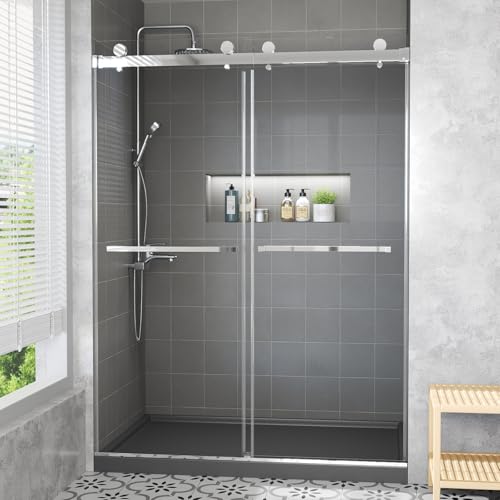
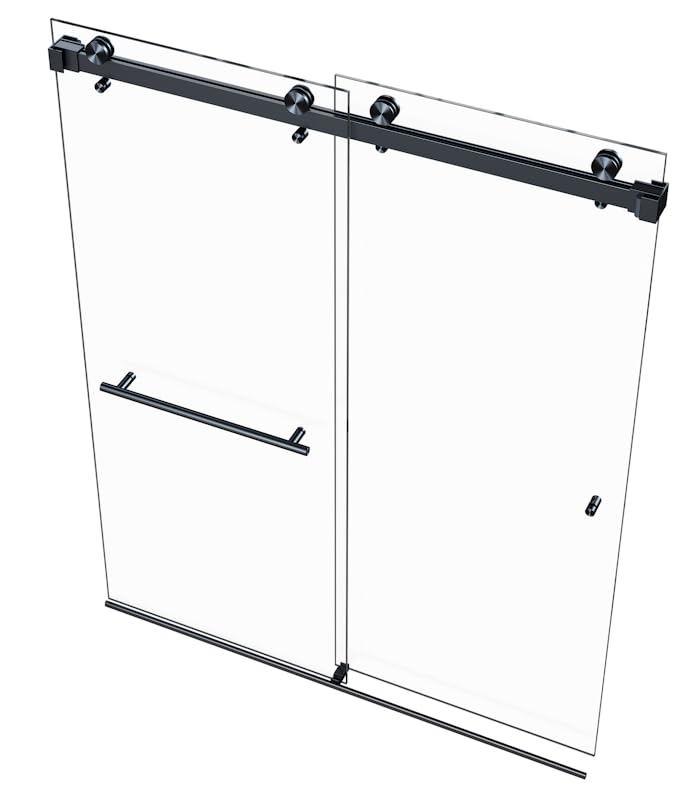
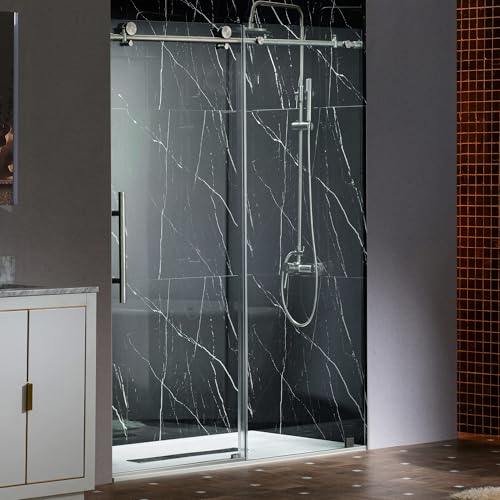
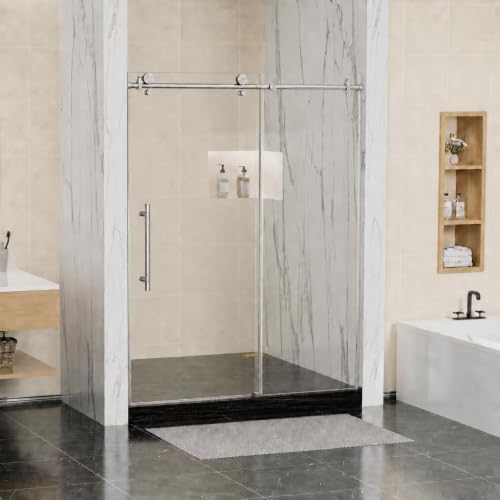
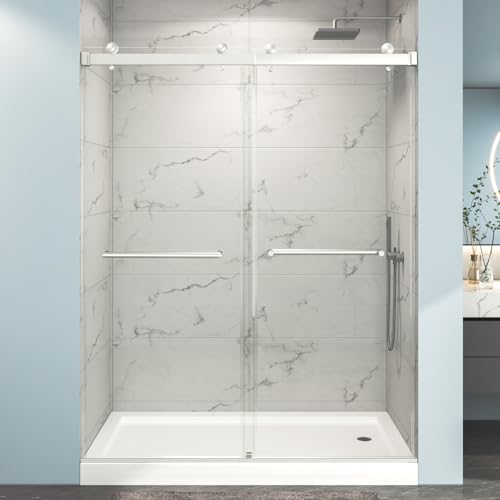
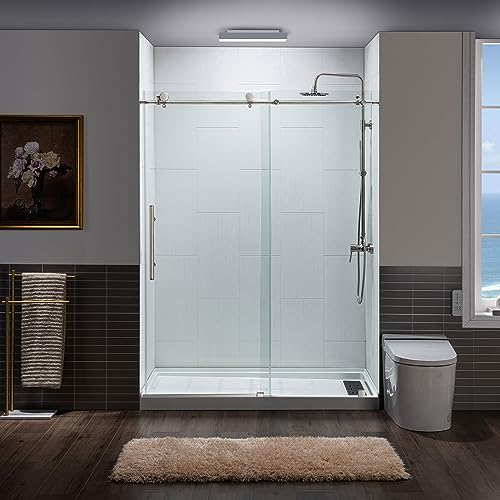
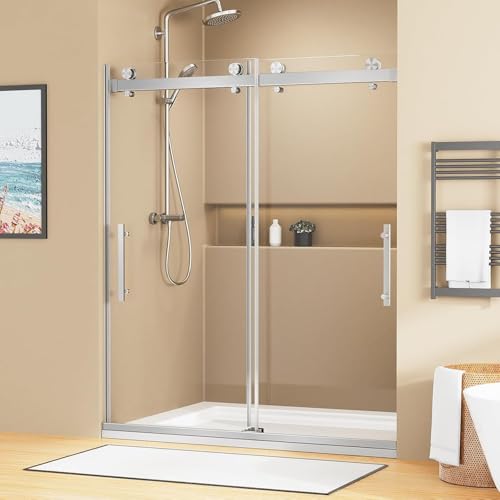
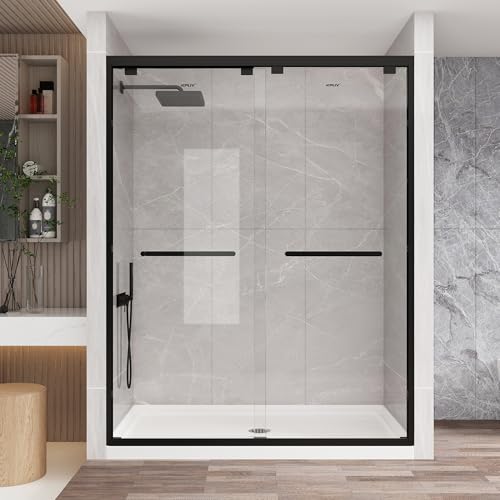
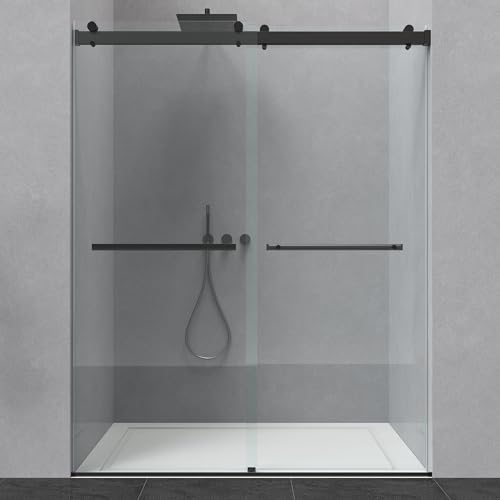
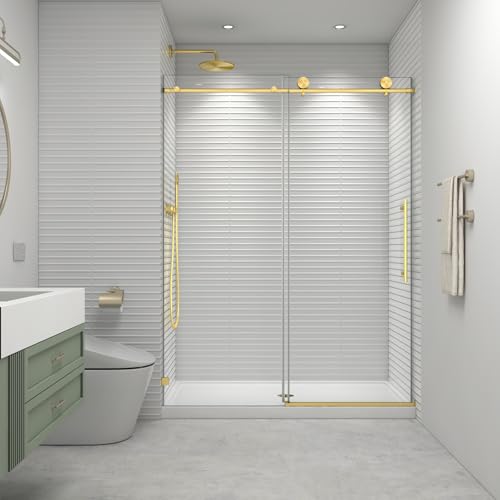
Most frameless enclosures use one of two basic mechanisms, and picking the right one depends on your bathroom layout more than personal taste. A hinged swing door opens outward like a regular door, needs floor clearance to swing, and generally seals better against leaks since there is no bottom track to collect standing water. Sliding, or bypass, frameless doors work well in tighter bathrooms where a swing door would hit a toilet or vanity, though they ride on a track that needs occasional cleaning to keep rollers moving smoothly.
Pivot doors, a hinged variant that rotates on a center pin rather than a side hinge, are worth considering for very wide openings since they distribute weight differently than standard hinges. If your layout is tight on space and you are weighing a sliding configuration, it is worth comparing framed sliding options like framed sliding shower door systems against a frameless bypass design, since the framed version often costs less while still handling a narrow footprint well.
Measuring for a Custom Fit Instead of a Standard One
Framed doors are often sold in a handful of stock sizes because the metal frame can absorb small gaps. Frameless glass cannot do that, so accurate measurement is not optional. A professional measure typically checks width and height in at least three spots each, since walls and floors are rarely perfectly square, and factors in the tile thickness where hardware will be drilled.
Out-of-plumb walls are common in older homes, and a good installer accounts for that with tapered glass cuts or adjustable hardware rather than forcing a square panel into an uneven opening. Ordering frameless glass off a single rough measurement is one of the most common ways homeowners end up with a door that never seals right. If your bathroom has any visible lean in the walls or an unusual curb height, say so before the final measurement is taken, not after the glass is cut.
Installation and Keeping the Glass Looking New
Professional installation is strongly recommended for frameless doors, and most manufacturers will not warranty a self-installed panel. Drilling into tile for hinge brackets without cracking it, confirming the wall structure can support 80 to 120 pounds of glass, and adjusting hardware until the door swings true all take experience most homeowners do not have on hand.
Ask about a water-repellent glass coating at the time of purchase, since it noticeably cuts down on the hard water spots and soap film that build up on bare glass. Coated or not, a daily squeegee pass and a weekly wipe with a mild, non-abrasive cleaner will keep the glass clear far longer than scrubbing buildup off once a month. Avoid ammonia-based or abrasive cleaners, since they can dull both the glass surface and any protective coating over time.
Frequently Asked Questions
Is 3/8-inch or 1/2-inch glass better for a shower door?
Neither is universally better. 3/8-inch glass suits standard, narrower openings and costs less, while 1/2-inch glass is worth it for wide panels or fixed side glass where extra rigidity prevents flex.
How much does a frameless shower door typically cost?
Most frameless installations run somewhere between several hundred and around two thousand dollars including labor, depending on size, glass thickness, hardware finish, and how complex the opening is to fit.
Can I install a frameless shower door myself?
It is possible but not recommended. The glass is heavy, drilling into tile without cracking it takes practice, and most warranties require professional installation to remain valid.
Do frameless shower doors leak more than framed ones?
Not if they are measured and installed correctly. Hinged swing doors with a proper seal often leak less than framed doors, while sliding frameless doors depend more on a clean, well-maintained bottom track.
How do I stop hard water spots on frameless glass?
Squeegee the glass after every shower, apply a water-repellent coating if your installer offers one, and clean weekly with a non-abrasive glass cleaner before mineral deposits have a chance to build up.
What wall thickness do I need for frameless hardware?
Most hinge and clamp hardware is designed for standard tile-over-drywall or tile-over-cement-board walls. An installer will confirm during measurement that the substrate can safely anchor the weight of the glass.
Are frameless shower doors worth it over semi-frameless options?
It depends on budget and priorities. Frameless gives the cleanest look and easiest cleaning, while semi-frameless keeps some of that appearance at a lower price with a slim supporting frame.
Choosing the Right Fit for Your Bathroom
The right frameless door comes down to matching glass thickness and hardware to your actual opening, not just picking the thickest glass available. Take accurate measurements seriously, budget for professional installation, and factor in a coating if hard water is an issue in your area. Getting those details right up front is what makes a frameless enclosure feel like a genuine upgrade rather than an expensive version of the same problem.