Best Scooter for a 6-Year-Old: A Sizing and Readiness Guide for Parents
Disclosure: We may earn a commission when you buy through links on this page, at no extra cost to you. As an Amazon Associate I earn from qualifying purchases. Learn more

Your child has outgrown their old ride-on toys and keeps asking for a scooter, but you are not sure where to start. Six is an in-between age: some kids this age are ready to zip around on two wheels, while others are still building the balance and confidence they need. Finding the best scooter for 6 year old riders is less about picking the flashiest model and more about matching the scooter to your specific child's size, skill, and comfort level. In this guide, you'll learn how to judge readiness, get the fit right, choose the safety gear that actually matters, and help your child learn to ride without frustration.

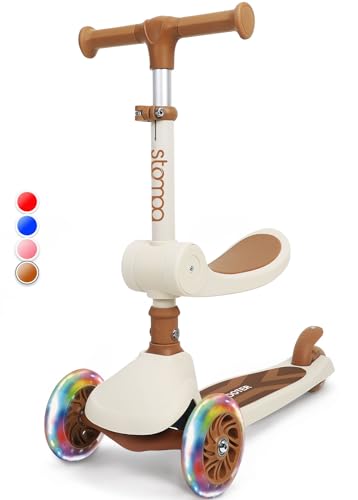
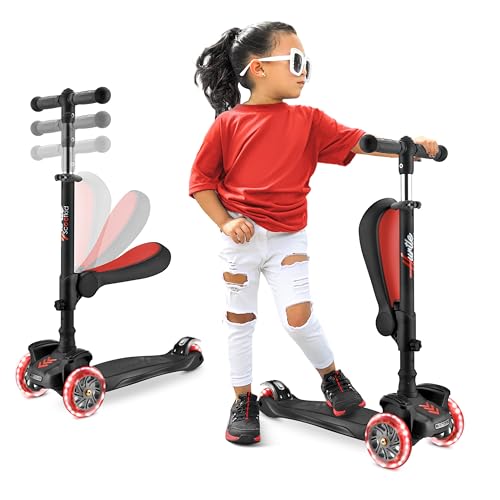
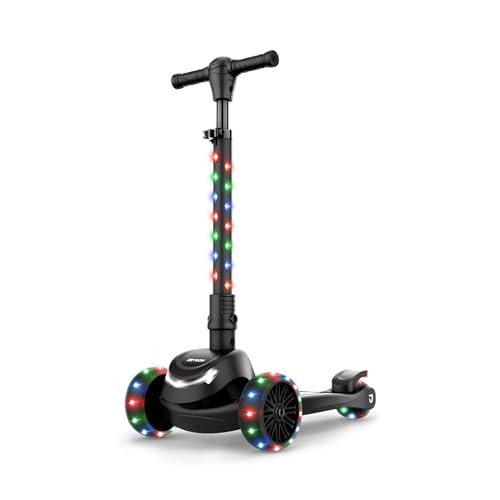
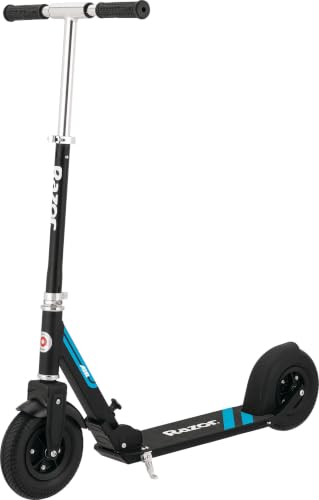
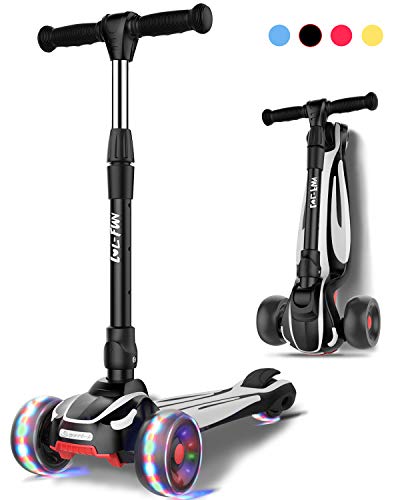
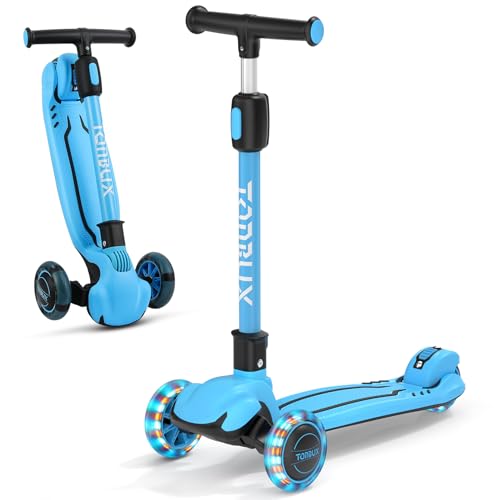
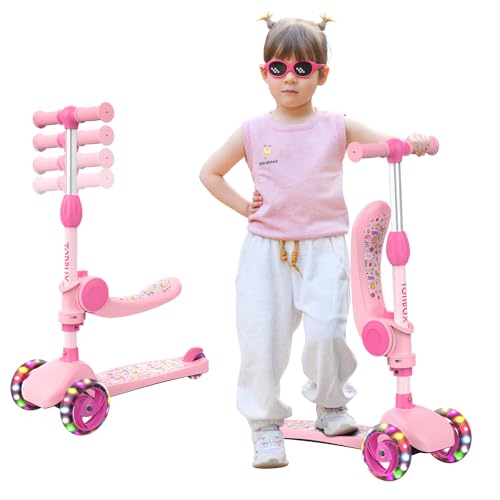
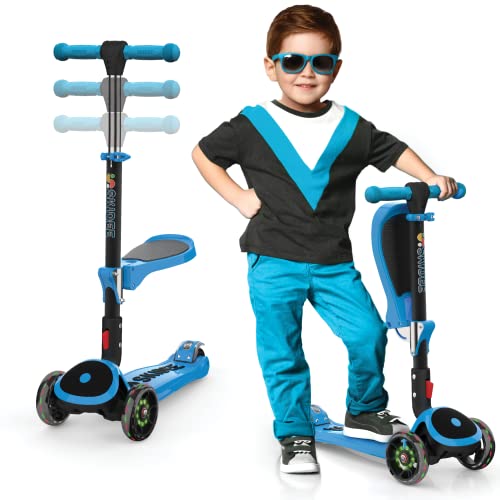
Is Your 6-Year-Old Ready for Two Wheels, or Better Off on Three?
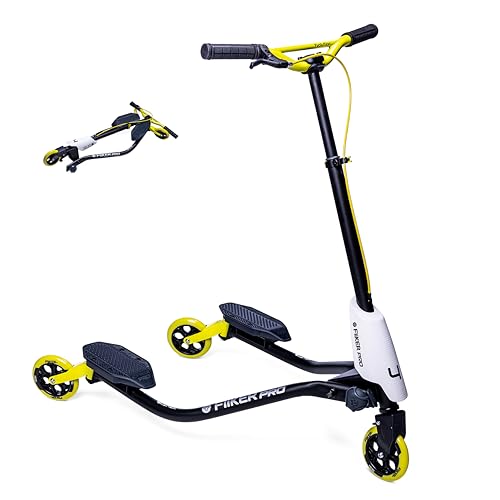
Manufacturers often label two-wheel scooters for "ages 6 and up," which makes it tempting to assume every 6-year-old is ready. In practice, readiness has much more to do with balance, coordination, and prior experience than with a birthday. Two kids the same age can be at completely different stages, and pushing a child onto two wheels before they are ready usually leads to more falls and less confidence, not less.
Signs Your Child Is Ready to Move to a Two-Wheel Scooter
Look for a child who can stand on one foot for several seconds, pump a swing on their own, or ride a pedal bike or a balance bike with reasonable control. If your child has already spent time gliding on a balance bike or a three-wheel scooter, that experience transfers directly to a two-wheel scooter, since the core skill is the same: shifting weight to stay upright while moving. A child who bounces back quickly after a small fall and wants to try again right away is usually further along than the age label suggests, while a child who gets discouraged after one wobble often benefits from a little more time on a more stable setup first.
When a Three-Wheel Scooter Is Still the Smarter Choice at This Age
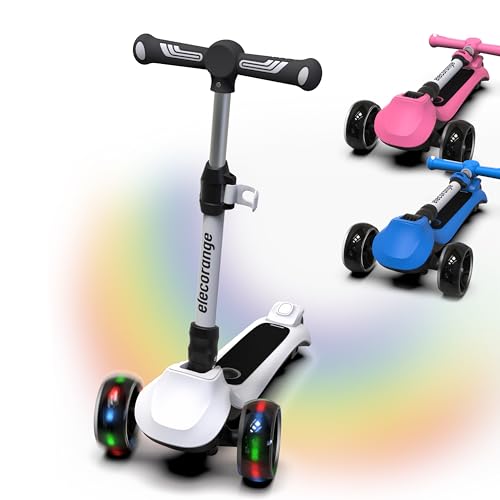
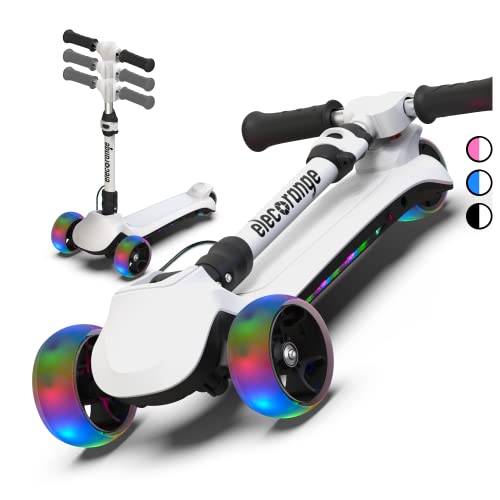
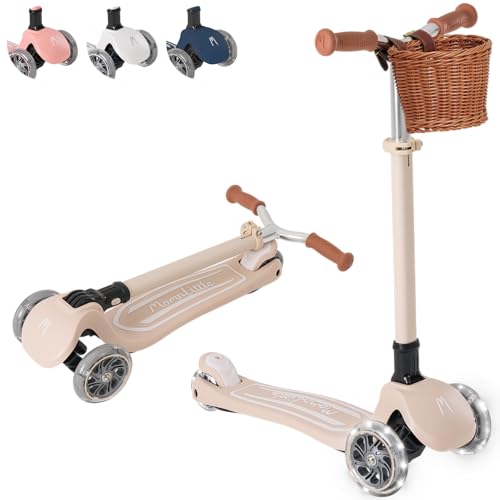
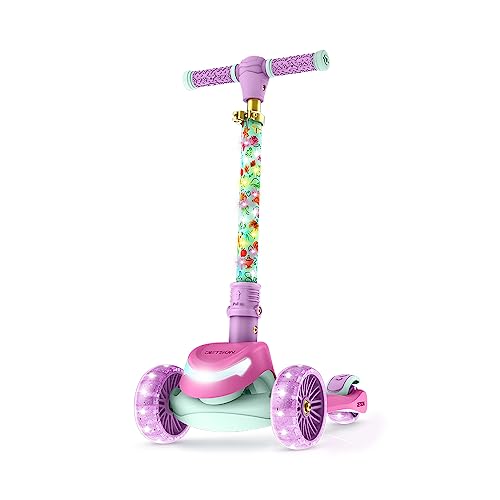
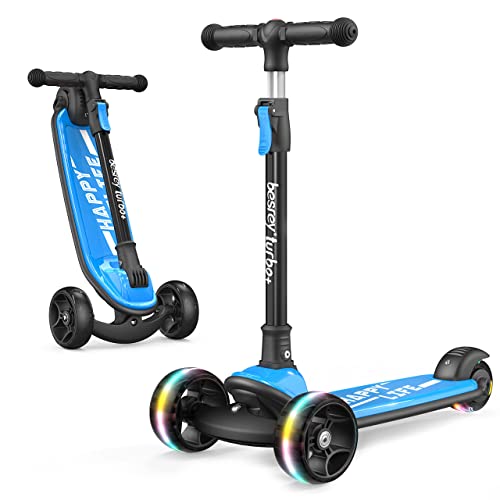
If your child is cautious around new physical challenges, has limited experience with wheeled toys, or gets easily frustrated when something feels hard, a three-wheel scooter with a lean-to-steer deck is still a smart pick at 6. Many three-wheel models come with taller, adjustable handlebars built for older kids, so your child will not outgrow the fit as fast as you might expect. It is worth noting that some scooters marketed as toddler models stop at a much lower height range, so if your child is smaller for their age, it is worth checking a scooter for toddlers for handlebar range before ruling it out.
Getting the Fit Right: Handlebar Height, Weight Limit, and Deck Size
Once you know roughly which type fits your child, the next step is making sure the actual dimensions match their body. Finding the best scooter for 6 year old riders really comes down to matching real measurements to your child, not just trusting the age printed on the box. Buying a scooter that is too big "to grow into" is one of the most common mistakes parents make, and it usually backfires, since a scooter that is too tall makes steering harder and balance less stable.
Handlebar Height for a 6-Year-Old's Frame
With your child standing flat on the deck, the handlebars should sit somewhere between hip height and mid-chest, letting their elbows bend slightly rather than locking straight or forcing their shoulders up. Because kids grow quickly at this age, an adjustable stem is worth prioritizing over a fixed-height model, even if it costs a little more.
Weight Limit and Deck Width
Check the manufacturer's maximum weight rating and leave yourself a margin of 20 to 30 pounds above your child's current weight, which accounts for normal growth and the extra pounds of a backpack or winter coat. A wider, non-slip deck also matters more than it seems, since a 6-year-old's feet are still learning where to stay balanced during turns. If the deck feels narrow when your child stands on it in the store, that discomfort tends to show up as wobbling once they start moving, so it is worth testing in person whenever you can rather than buying on specs alone.
Wheel Size and Material
Smaller wheels feel twitchy and catch on cracks or pebbles, while larger polyurethane wheels in the 120 millimeter range and up roll more smoothly and absorb bumps better, which makes early rides feel less intimidating. A working rear foot brake that is easy to press with a small shoe is also worth testing before you buy, since some models require more leg strength than a 6-year-old has.
Safety Gear and Ground Rules Before the First Ride
A properly fitted helmet is non-negotiable every time your child rides, no exceptions for "just around the driveway." A kids bike helmet that already fits your child works fine for scootering too, since the fit standards are the same. Knee and elbow pads are strongly recommended for the first weeks of learning, when falls are more frequent, and closed-toe shoes with a flat sole should be the rule rather than sandals or crocs.
Beyond gear, set a few simple ground rules early: riding stays on sidewalks or driveways away from cars, riding happens where you can supervise, and the scooter gets parked, not left lying across a walkway. These habits matter more for safety at this age than any single feature on the scooter itself. It also helps to walk the actual route with your child once before letting them ride it on their own, pointing out driveways, curbs, and anywhere a car might pull out unexpectedly.
Teaching Your 6-Year-Old to Ride with Confidence
Start on a flat, smooth, traffic-free surface like a driveway or an empty parking lot rather than a sidewalk with cracks or a slight slope. Show your child how to place one foot on the deck and push off gently with the other, then let them glide for a second or two before pushing again, building up speed gradually instead of all at once.
Practice starting, gliding, and using the rear brake as three separate skills before combining them, and expect the first few sessions to include some wobbling and a few tumbles. Encouragement matters more than correction here. Short phrases like "nice and steady" or "try that again" tend to work better than standing close by and grabbing the handlebars, which can actually make a child more nervous. Most kids need a handful of short sessions, not one long one, before riding starts to feel natural. If your child takes to it quickly and asks for more speed, some families eventually look at an electric scooter for kids once the child is a bit older and has mastered the basics on a standard model first.
Frequently Asked Questions
Is a 6-year-old too old for a 3-wheel scooter?
No. Many three-wheel scooters are built for children up to 8 or even 12 years old, with taller adjustable handlebars for exactly this reason. If your child is still building confidence, three wheels is a completely appropriate choice at 6.
What size scooter does a 6-year-old need?
Most 6-year-olds fit scooters with an adjustable handlebar range that covers roughly 24 to 32 inches, matching a height range of about 42 to 52 inches. Always check the fit with your child standing on the deck rather than relying on the age label alone.
What weight limit should a kids' scooter have?
Look for a weight rating at least 20 to 30 pounds above your child's current weight. This gives room for growth and accounts for the extra weight of shoes, a jacket, or a small backpack.
Does balance bike experience help with learning to scooter?
Yes, significantly. Balance bikes and scooters both rely on shifting body weight to stay upright while moving, so a child who has spent time on a balance bike usually picks up scootering faster and with fewer falls.
How long will a scooter last before my child outgrows it?
An adjustable scooter sized correctly for a 6-year-old typically lasts one to two years before the child either outgrows the handlebar height or is ready for a larger, faster model. Fixed-height scooters tend to be outgrown sooner.
What's the best way to teach a 6-year-old to ride a scooter?
Break it into small steps: standing balance, gliding with one push, then using the brake, practiced separately on a flat, quiet surface. Short, encouraging sessions work better than one long practice, and gear that fits well makes the whole process less stressful for both of you.
Making the Right Call for Your Rider
There is no single right answer for every 6-year-old, only the right answer for yours. A child who is confident and coordinated may be ready to ride a two-wheel scooter right away, while a more cautious rider may do best easing in on three wheels for another season. In the end, the best scooter for 6 year old children is simply the one sized to fit them now, not the one with the most features on the box. Focus on getting the fit right, keeping the safety basics in place, and letting your child build skill and confidence at their own pace, and the rest tends to follow naturally.