Best Water Rowing Machines: A Complete 2026 Buying Guide
Disclosure: We may earn a commission when you buy through links on this page, at no extra cost to you. As an Amazon Associate I earn from qualifying purchases. Learn more

A practical guide to choosing the best water rowing machines based on resistance feel, comfort, monitor features, and storage needs.
Rowing at home has grown popular because it works the whole body while staying easy on the joints. Finding the best water rowing machines means understanding how a water-based resistance system feels compared to air or magnetic designs, and whether the sound, size, and price fit a specific home setup. This guide walks through what to check before buying, from resistance feel to storage footprint, so the final choice holds up to regular use.



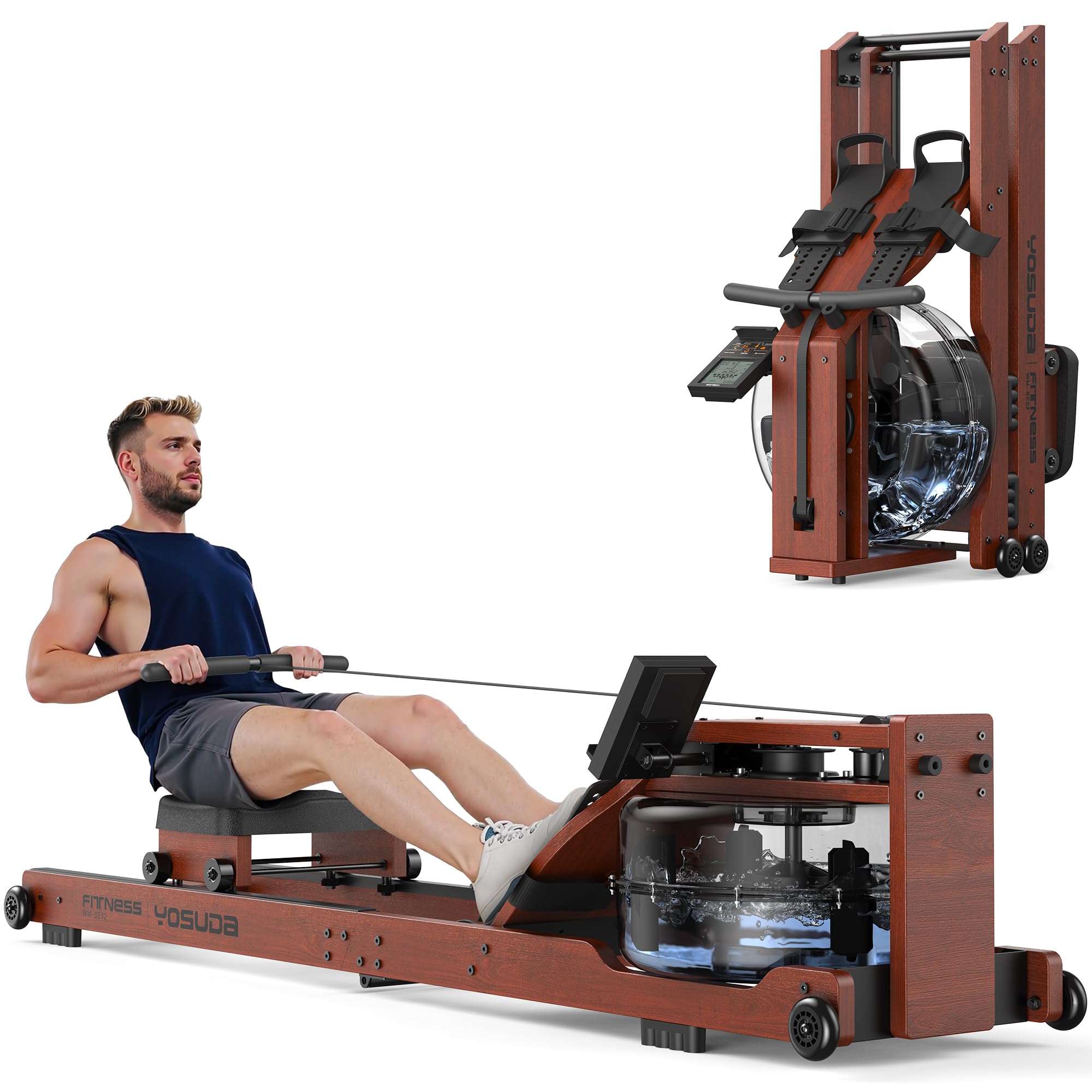
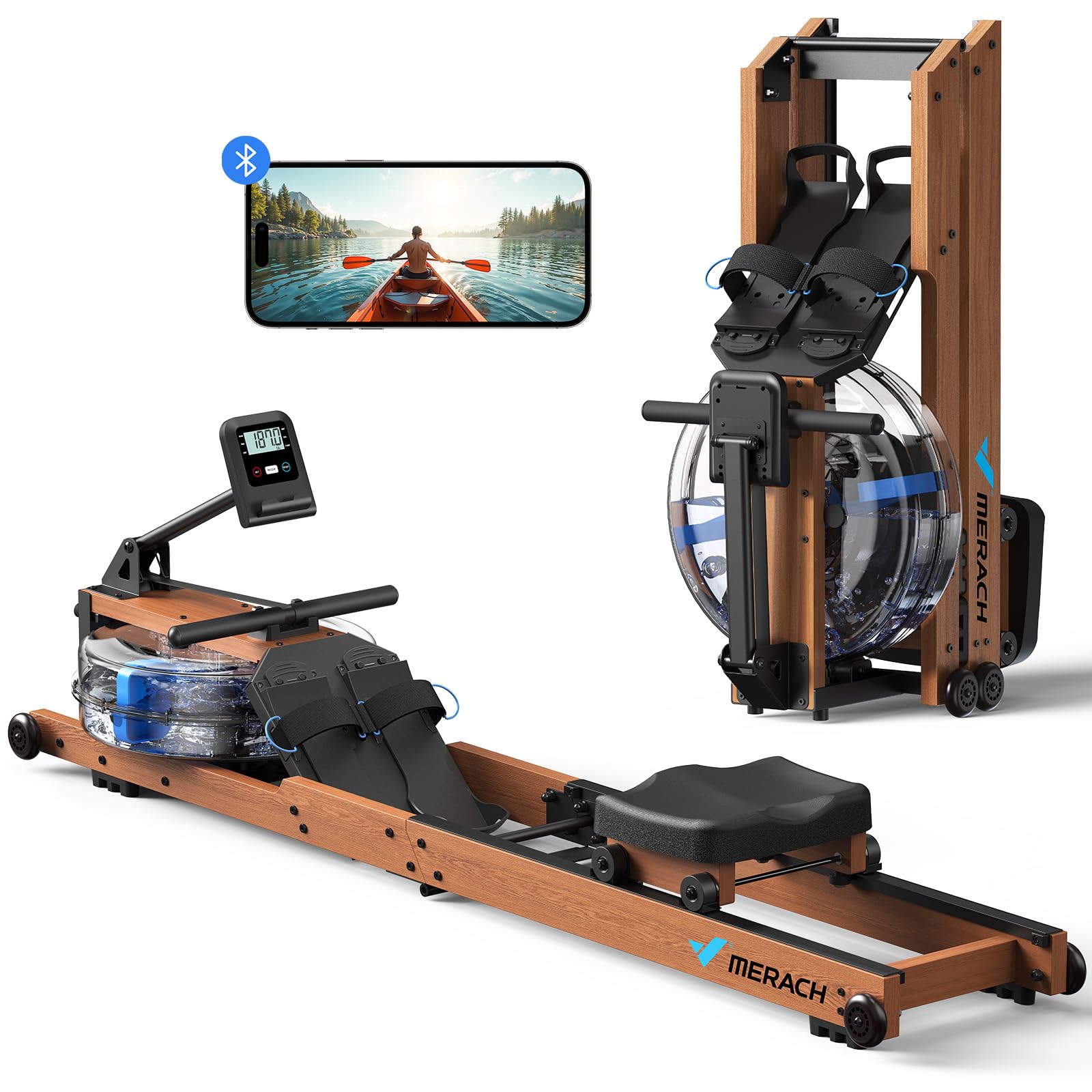
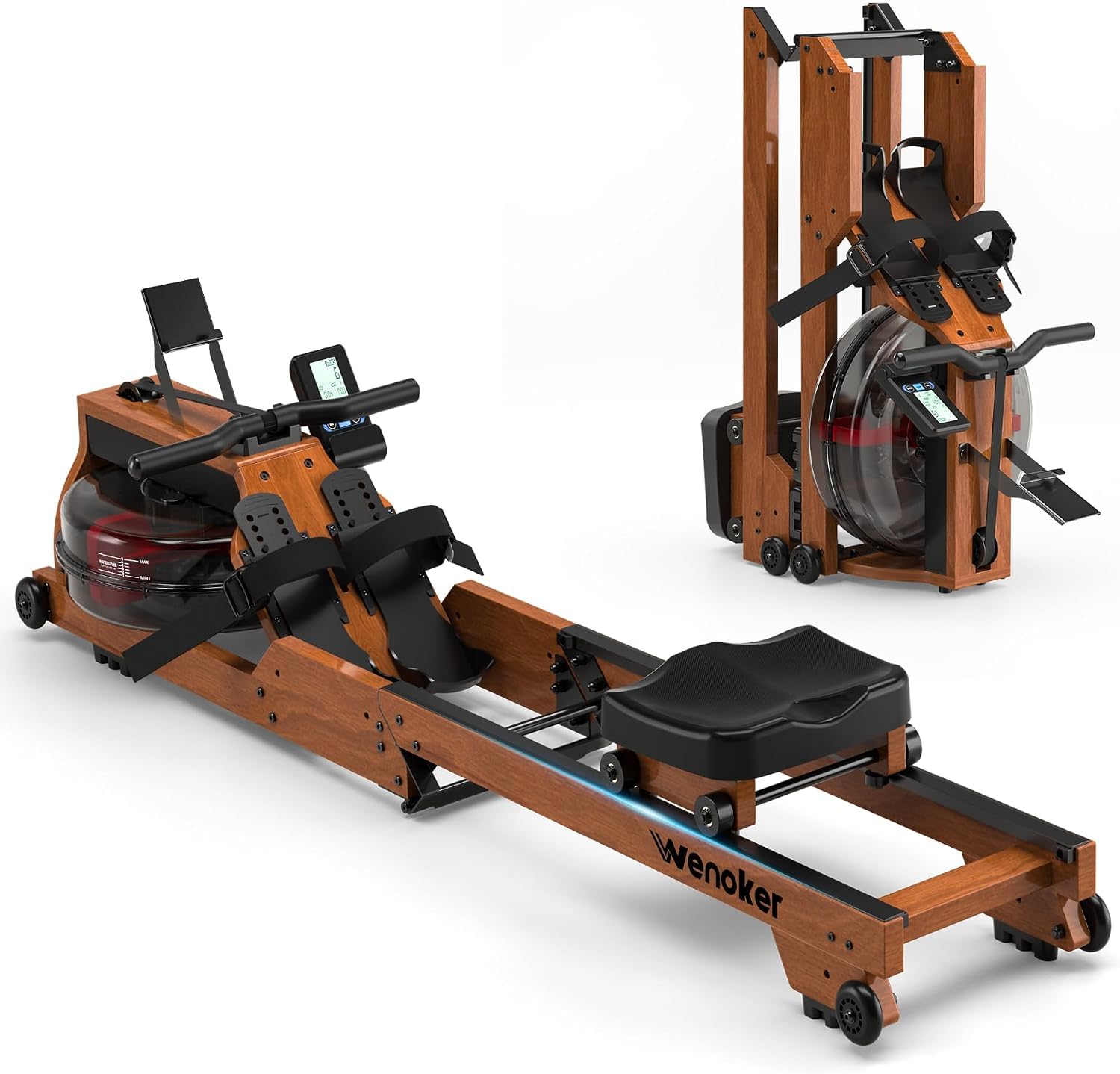
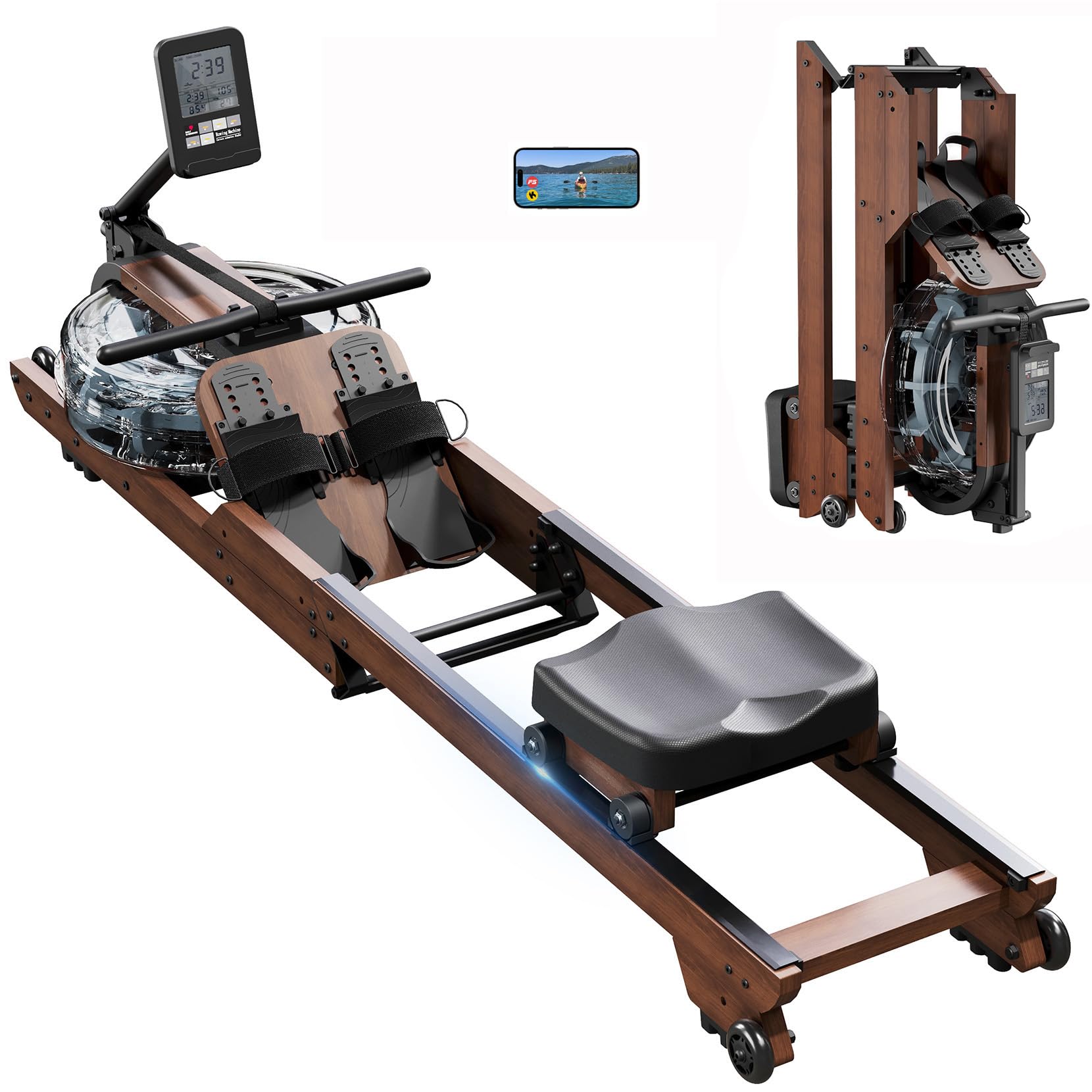

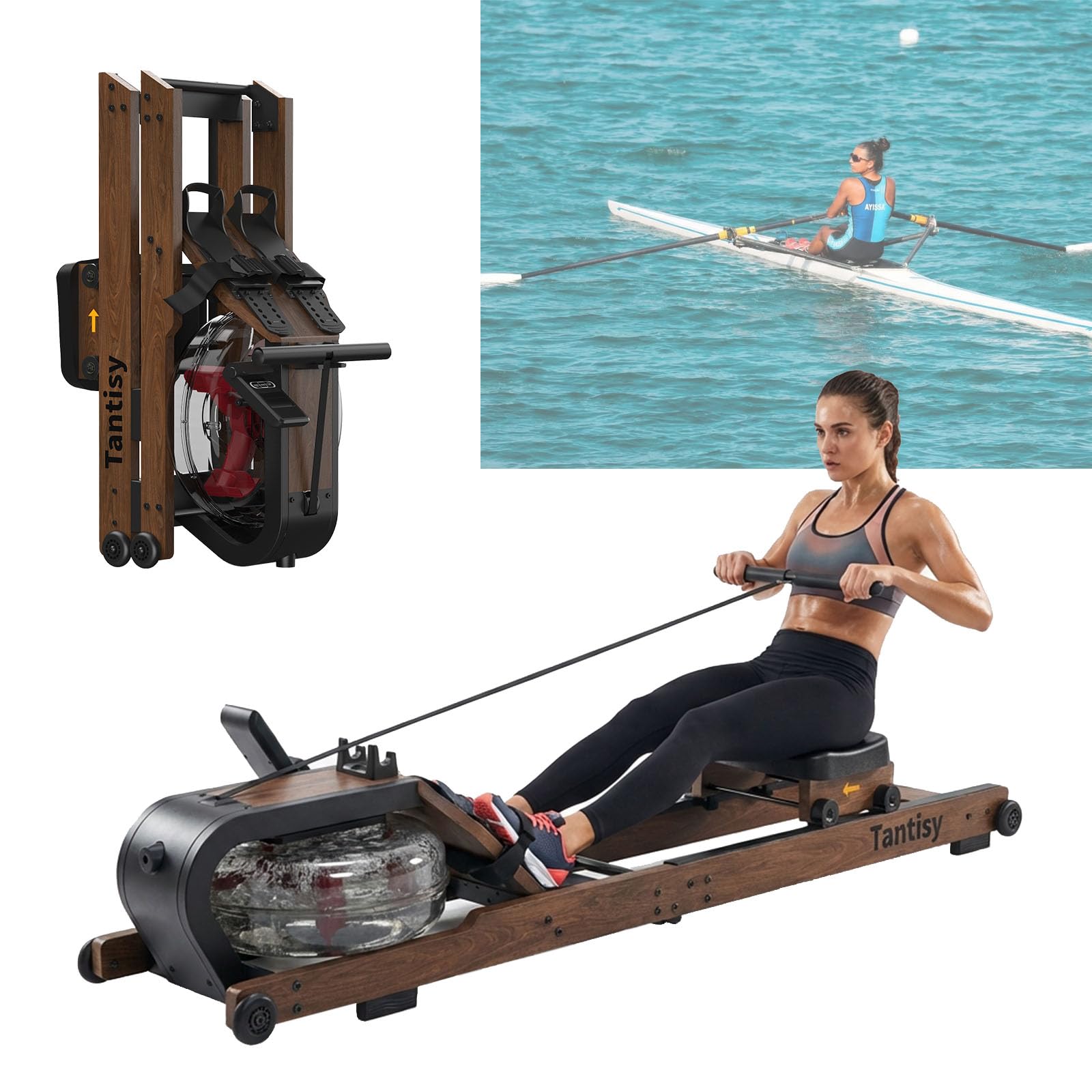


How Water Resistance Feels Compared to Other Types
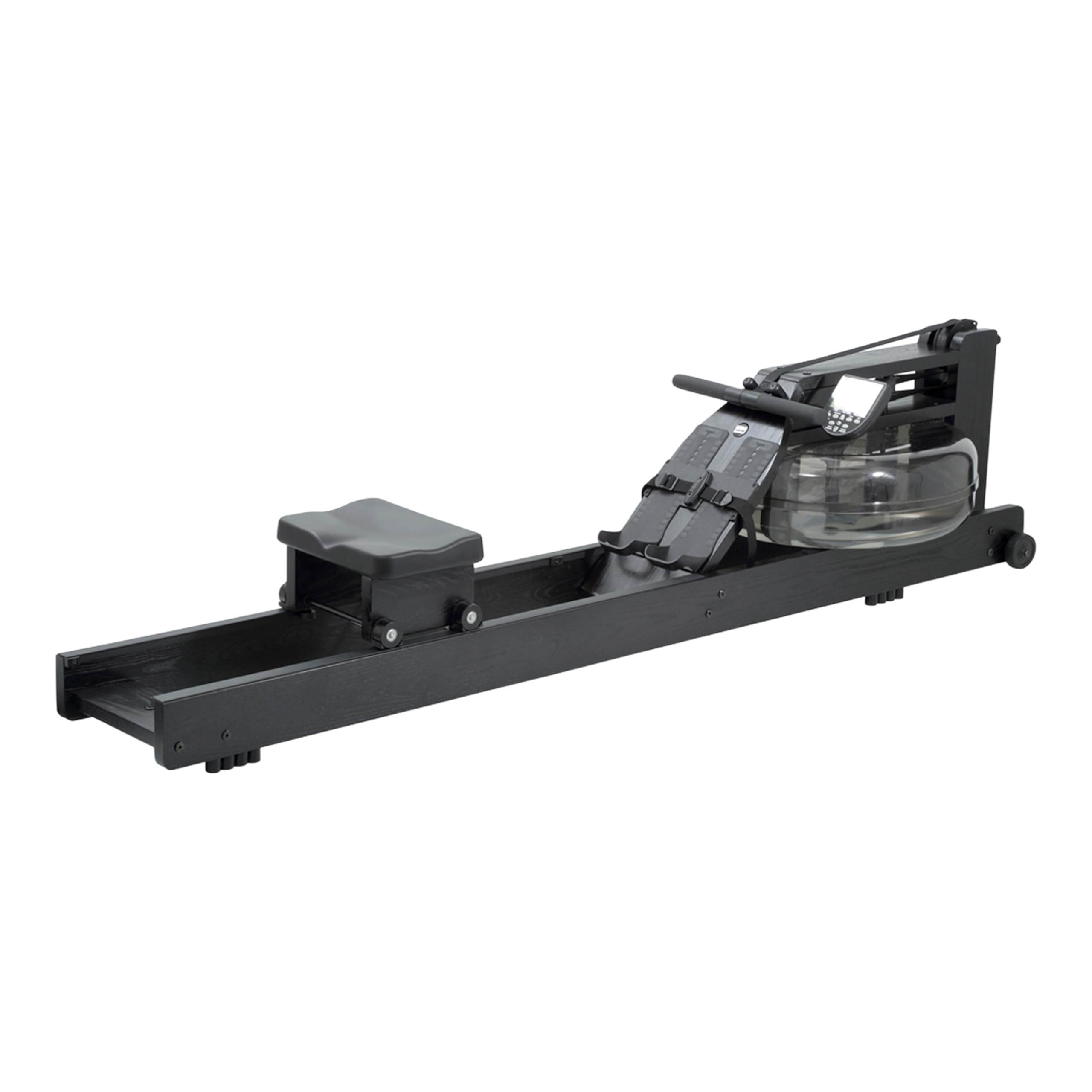
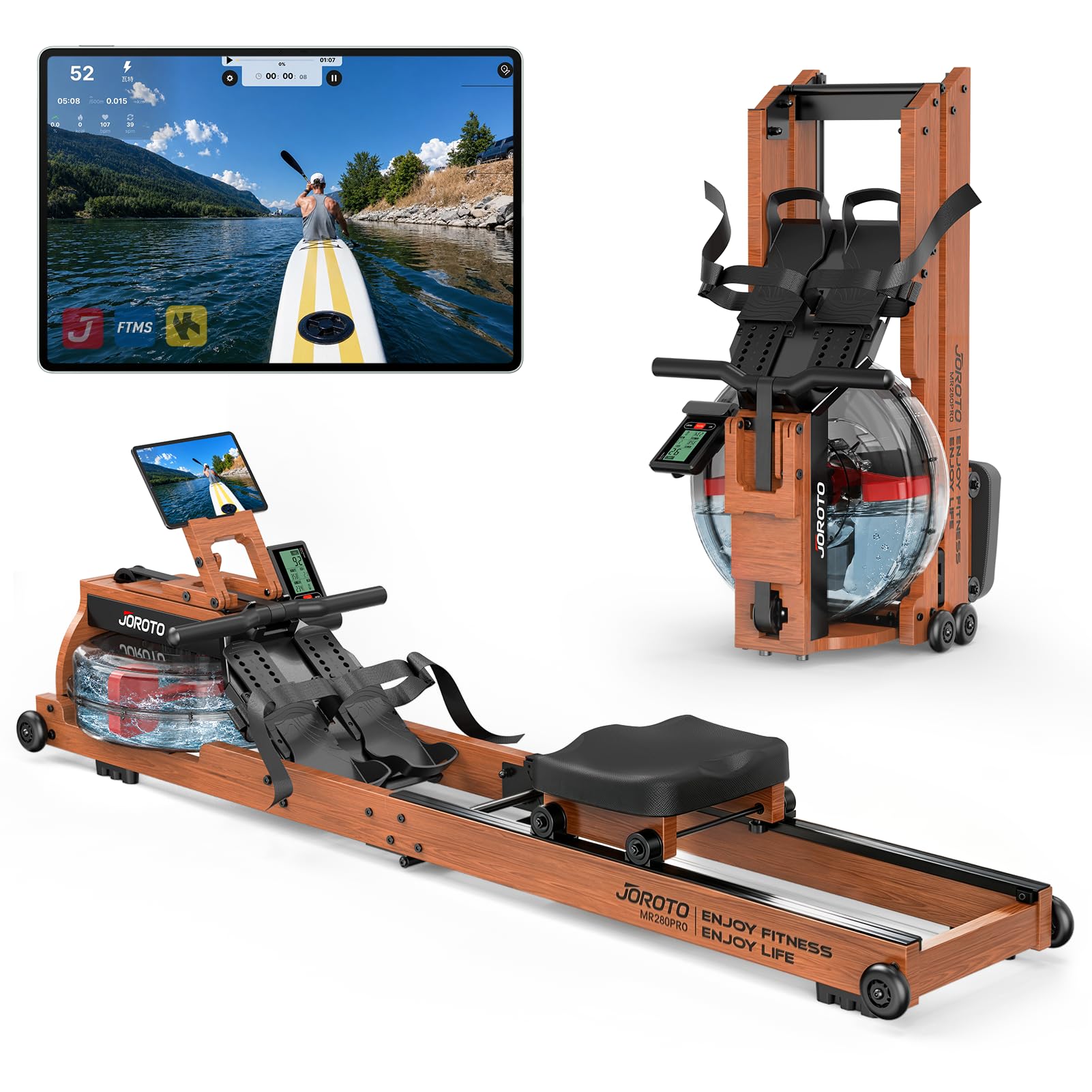
A water resistance system uses paddles spinning inside a water-filled tank to create resistance, producing a smooth, naturally increasing pull that mimics rowing on open water. This differs from magnetic machines, which offer a more mechanical, constant resistance, and air rowers, which tend to sound louder as effort increases. Many users describe water resistance as the most realistic feel, though it usually comes with a higher price tag than magnetic alternatives.
Adjusting Resistance Level
Unlike machines with numbered resistance settings, water rowers typically adjust intensity through stroke power rather than a dial. Pulling harder increases resistance naturally, which some people prefer for its intuitive feel, while others miss having a fixed setting to track consistent effort across sessions.
Sound and Ambience
The gentle whooshing sound created by the paddles is a defining feature for many buyers. It tends to be quieter than air resistance at high effort levels, making it a reasonable choice for apartments or shared living spaces where machine noise could be a concern.
Flywheel and Tank Design
Tank size and paddle design directly affect how a rower feels during use. Larger tanks generally produce a smoother, more consistent resistance curve, while smaller tanks can feel choppier at higher stroke rates. Paddle shape also matters. Some designs favor a lighter catch at the start of the stroke, which suits beginners, while others create a firmer pull throughout that better matches an experienced rower's technique.
- Larger tanks tend to smooth out resistance across the full stroke
- Paddle shape affects catch feel at the start of each stroke
- Water needs periodic treatment tablets to prevent algae buildup
- Tank material should be checked for UV resistance if placed near a window
Seat Rail, Frame, and Comfort
Seat rail length determines how tall users can comfortably row without their knees hitting the front of the machine. A longer rail generally suits taller households better, and checking the maximum recommended height listed by the manufacturer avoids an uncomfortable surprise after assembly. Weight capacity is another spec worth confirming, since it varies more between models than many buyers expect.
Seat padding and rail smoothness affect comfort during longer sessions. A rough or narrow rail can cause discomfort along the seat's sliding path, especially during workouts lasting thirty minutes or more. Testing the glide in person, when possible, reveals more than a spec sheet ever will.
Tracking Performance With the Monitor
A monitor display tracks stroke count, distance, pace, and calories burned, giving structure to workouts that would otherwise be hard to measure. Basic monitors show only a handful of these figures, while advanced ones sync with fitness apps for logging progress over time. Anyone training for specific goals, like improving pace consistency, should prioritize a monitor with detailed stroke count and split-time tracking rather than a bare-bones display.
Storage and Footprint
Storage footprint matters most for smaller homes and apartments. Many water rowers fold or stand upright for storage, though the tank itself remains heavy and awkward for some people to maneuver alone. Checking the folded dimensions and total weight before buying prevents a frustrating surprise when it comes time to tuck the machine away after a workout.
Assembly and Setup
Assembly complexity varies from simple, single-piece frames to models requiring an hour or more of setup with multiple tools. Reading assembly reviews ahead of purchase gives a realistic sense of what to expect, particularly for anyone assembling the machine alone.
Maintenance Over Time
Water tanks need occasional purification tablets to keep the water clear and free of buildup, typically every six to twelve months depending on use. The frame and rail should be wiped down after sweaty sessions to prevent corrosion, and moving parts benefit from periodic inspection to catch wear before it becomes a bigger issue. Machines kept in humid environments, like garages, may need more frequent frame checks than those kept in climate-controlled rooms.
Matching a Machine to Fitness Goals
Among the best water rowing machines on the market, the right pick depends heavily on how the equipment will actually be used. Someone rowing casually a few times a week does not need the same machine as someone training seriously for endurance. Casual users can prioritize comfort, quiet operation, and easy storage, while performance-focused buyers should weigh stroke count accuracy, seat rail length, and resistance consistency more heavily. Budget should be set based on how central rowing will be to a fitness routine, since higher-end machines add durability and tracking precision that matter more with frequent, intense use.
Space Requirements Beyond Storage
Storage footprint covers where a machine sits when not in use, but active rowing space matters just as much. A full stroke requires enough clearance in front of and behind the machine for the seat to travel and the arms to extend fully. Cramped rowing space often leads to shortened strokes, which reduces workout effectiveness and can feel awkward over time. Measuring the intended workout area before buying, including ceiling height for taller users, helps avoid a machine that technically fits in storage but cannot be used comfortably.
Flooring also deserves a mention. Hard floors transmit more vibration and noise than carpeted areas, and a protective mat under the machine reduces both noise transfer to neighbors below and wear on the flooring itself over months of regular use.
Frequently Asked Questions
Is a water rowing machine harder to use than a magnetic one?
Not necessarily harder, but the resistance feels different since it responds directly to stroke power rather than a fixed setting. Many people find the natural pull easier to adjust to once they get a few sessions in.
How often does the tank water need to be changed?
The water rarely needs full replacement if purification tablets are added on schedule, typically once or twice a year, though usage frequency and local water quality can affect that timeline.
Can a water rowing machine be stored upright between uses?
Most models are designed to stand upright for storage, though the added tank weight means checking the total weight and stability before assuming it will be easy to move solo.
Should stroke count accuracy be a priority for beginners?
It helps, but beginners can generally start with a basic monitor and upgrade priorities later once a consistent routine and specific pace goals are established.
Is a longer seat rail necessary for shorter users?
Shorter users can typically use standard-length rails comfortably, while a longer rail becomes more important as height increases to avoid the knees striking the front of the frame.
Weighing resistance feel, storage footprint, and monitor features against actual workout habits makes it far easier to land on one of the best water rowing machines for a specific home gym rather than choosing based on price alone.
Related reading: best balance bike under 100 and best bike trailers for kids.