
Best Balance Bike for a 4 Year Old: A Buying Guide
Disclosure: We may earn a commission when you buy through links on this page, at no extra cost to you. As an Amazon Associate I earn from qualifying purchases. Learn more

Watching a four year old wobble, tip over, and refuse to get back on a bike is enough to make any parent want to give up on two wheels for a while. The good news is that the right ride can turn that frustration into confident, giggling laps around the driveway within a few weeks. Finding the best balance bike for 4 year old riders comes down to a handful of practical details: seat height, overall weight, tire type, and how the whole package matches your child's size and confidence level right now. This guide walks through what actually matters when shopping, the main bike types you will come across, common sizing mistakes, and the questions parents ask most often.

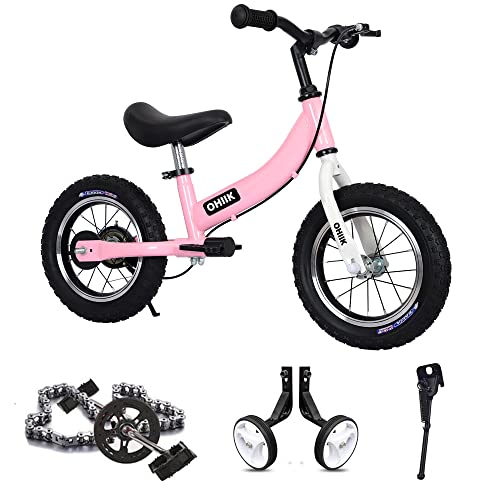
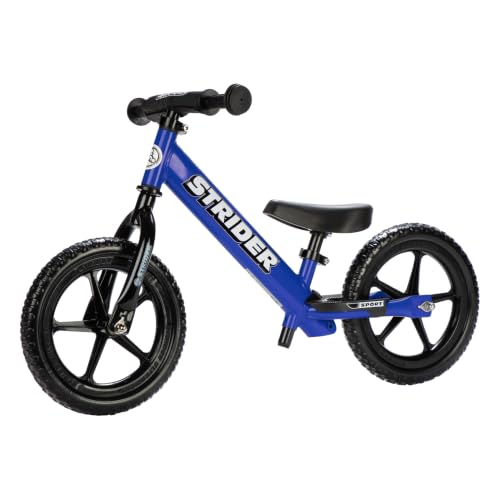
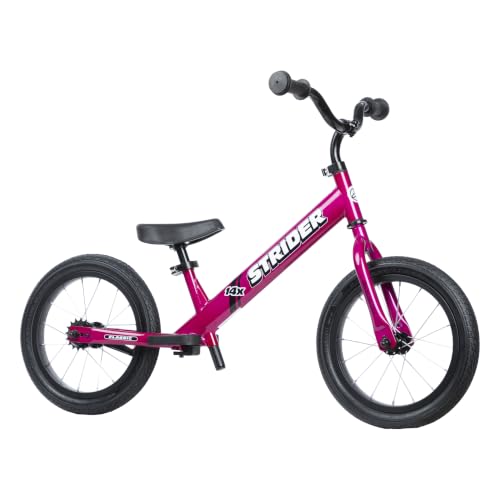
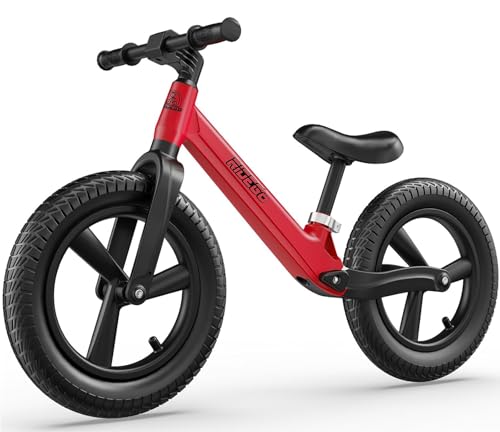
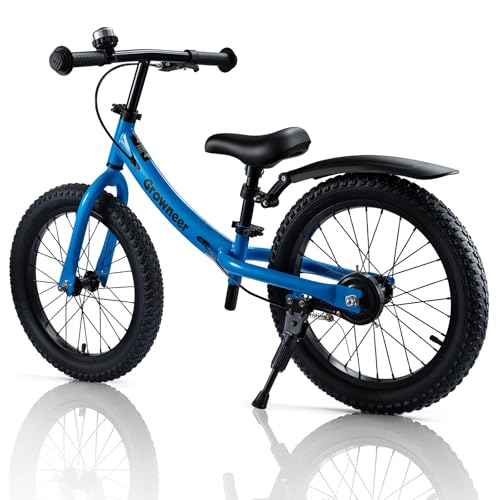
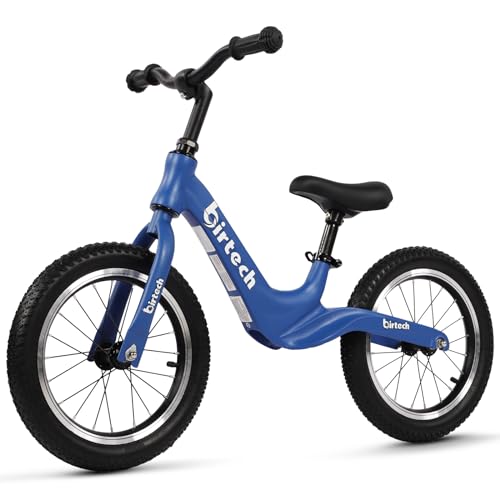
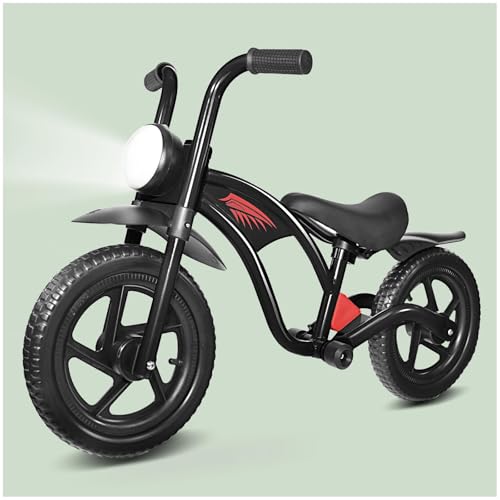
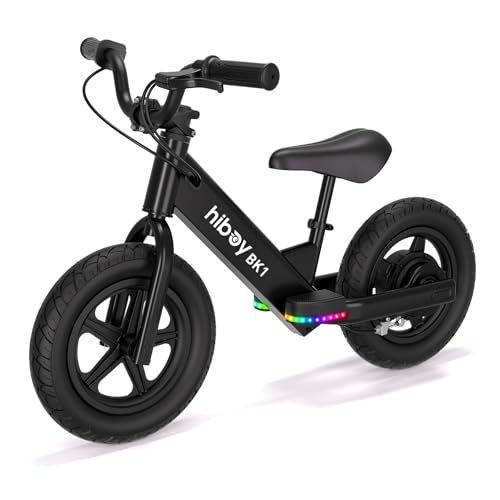
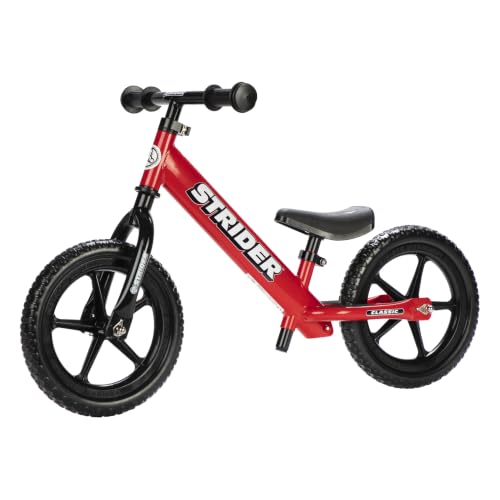
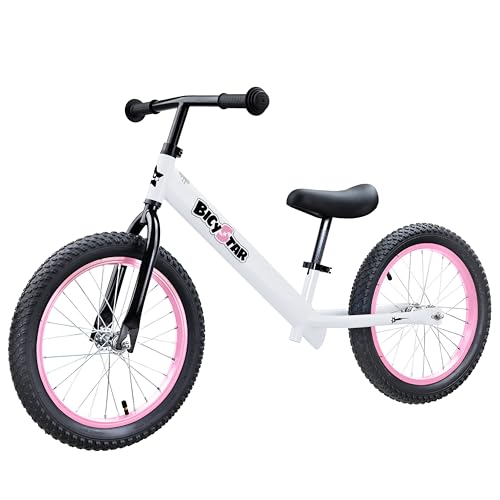
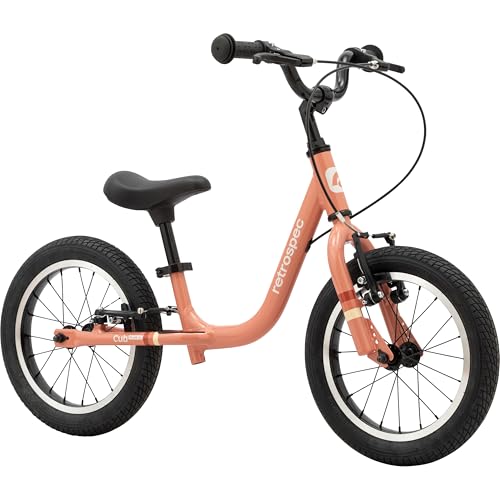
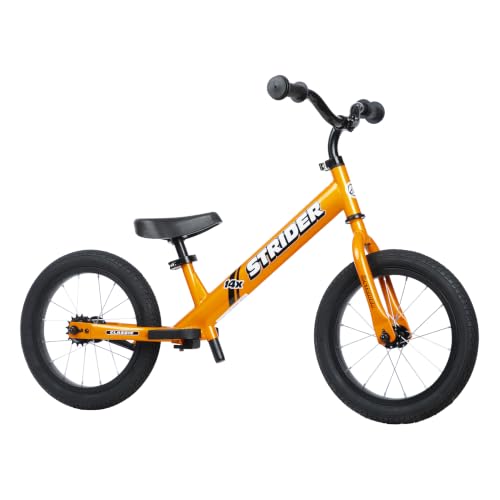
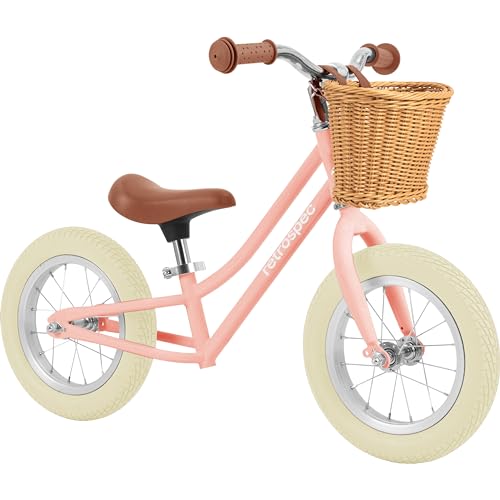

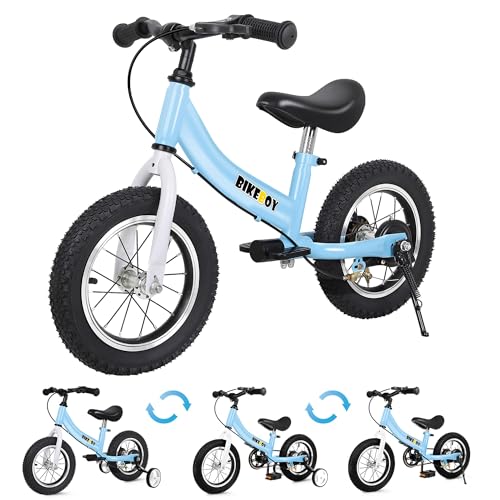
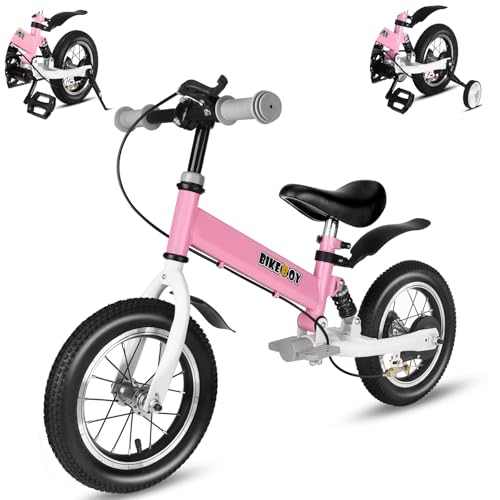
What to Look for in a Balance Bike for Your 4 Year Old
Most four year olds fall somewhere between 39 and 44 inches tall, with an inseam roughly 15 to 19 inches long, though every kid grows at a different pace. Rather than shopping by age alone, use these five factors to judge whether a bike will actually work for your child.
Seat Height and Adjustability
The seat needs to sit low enough that your child can plant both feet flat on the ground with a slight bend in the knees. Look for a wide balance bike seat height range, ideally adjustable from around 14 to 20 inches, so the bike still fits as your child grows over the next year or two. A quick-release clamp makes it easy to raise the seat every few months without tools.
Bike Weight
Weight matters more than almost anything else on this list. A good rule of thumb is that the bike should weigh no more than 30 percent of your child's body weight, and less is better. Since the average four year old weighs somewhere around 30 to 40 pounds, a lightweight balance bike in the 4 to 7 pound range will be far easier for a beginner to lift, steer, and control than a bulky, heavier model.
Tire Type and Traction
Tires affect how the bike rolls over grass, gravel, cracks in the sidewalk, and everything in between. A softer, grippier tire smooths out rough pavement and builds confidence faster, while a harder tire can feel jarring and make a nervous rider bail sooner. We cover the two main tire categories in more detail in the next section.
Frame Material and Durability
Aluminum frames tend to be the lightest and most rust resistant, which matters if the bike lives outside. Steel frames are usually heavier but budget friendly and tough enough to survive being dropped repeatedly, which four year olds do often. Wooden frames sit in the middle: light in feel but generally fixed in size, so check the specs before assuming a wood bike will adjust as your child grows.
Handlebars, Grips, and Safety Features
A low standover height lets your child hop on and off without catching a leg on the frame. Padded seats, rubber handgrips, and a footrest all make longer rides more comfortable once your child starts gliding instead of walking the bike. Rounded edges and no exposed bolts near the knees are worth a quick check before you buy.
Types of Balance Bikes Explained
Once you understand seat height and weight, the next decision is usually tires and frame material, since these two choices shape how the bike actually rides.
Air-Tire vs Foam-Tire Balance Bikes
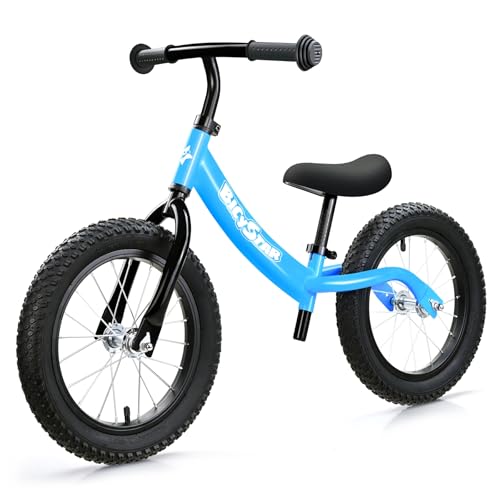
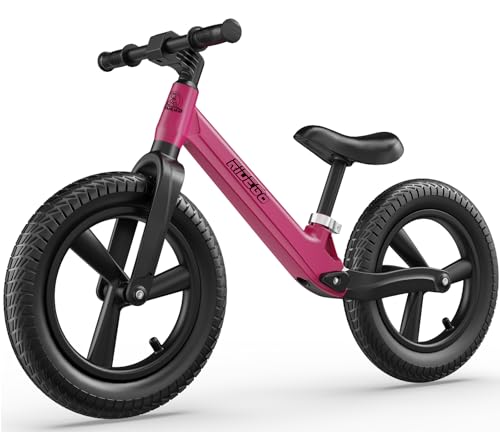
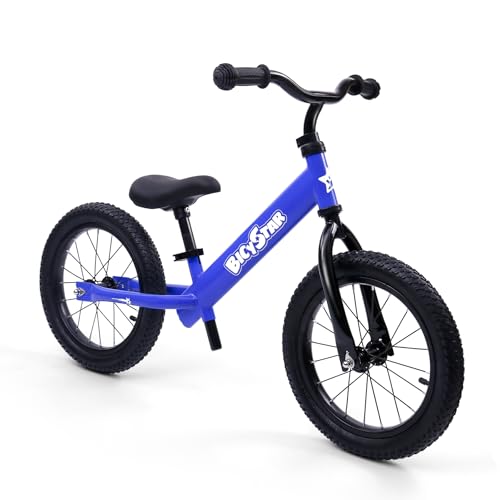
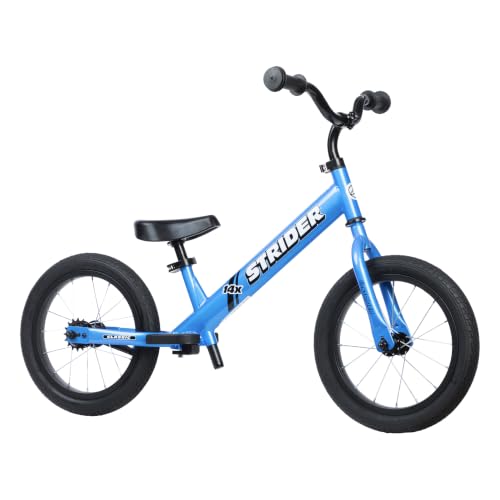
An air-tire balance bike uses pneumatic rubber tires filled with air, similar to a full-size bicycle. They absorb bumps well and grip grass, dirt, and rough pavement better than any other option, which makes them a favorite for kids who ride outdoors on varied terrain. The tradeoff is that they can go flat and need an occasional top-up with a pump. A foam-tire balance bike, by contrast, uses solid foam or EVA tires that never go flat and need zero maintenance. They tend to feel harder and less forgiving on bumpy ground, but for driveway and sidewalk riding, many parents find the low-maintenance tradeoff worth it.
Wood vs Metal Frame Balance Bikes
Wooden balance bikes have a simple, minimalist look and are often lighter in feel, but many models come in a single fixed size without an adjustable seat post, so they can be outgrown faster. Metal frame bikes, whether steel or aluminum, almost always include adjustable seats and sometimes handlebars, plus extras like footrests or a rear hand brake for kids who are ready for one. If your four year old is on the smaller side and you want the bike to last through age six or seven, a metal frame with a wide adjustment range is usually the safer bet.
How to Choose the Right Fit and Teach Riding
Start by measuring your child's inseam while they stand barefoot against a wall, then compare that number to each bike's seat height range rather than trusting the age label on the box. Sizing a balance bike for 4 year old riders correctly at the start makes every lesson after that go smoother. For accurate toddler balance bike sizing, aim for a seat height that is one to two inches lower than the inseam measurement for a brand-new rider, then raise it as confidence builds. Feet should sit flat on the ground with knees slightly bent, never on tiptoes.
Teaching a four year old typically follows a natural progression. First they walk the bike while seated, then they start scooting faster, then they begin lifting their feet for short glides, and eventually they coast for several seconds at a time. A flat, grassy yard is the best place to start since a soft landing lowers the stakes for those first wobbly attempts. Once your child can glide confidently and steer around obstacles, pavement or a paved path is a natural next step, and many parents notice their child is ready to try a pedal bike with no training wheels within a few months of steady balance bike riding.
Common Mistakes to Avoid
- Buying a bike a size too big "to grow into," which leaves your child unable to plant their feet flat and stalls their progress.
- Ignoring how low the seat actually goes, since even a great bike is useless if the minimum seat height is too tall for your child right now.
- Choosing the heaviest, most feature-packed model instead of prioritizing low overall weight for a beginner.
- Skipping the helmet, even for slow driveway sessions, since falls happen most often in the first few weeks.
- Rushing the switch to a pedal bike before your child can glide and steer confidently on the balance bike.
- Overlooking the manufacturer's weight limit, which can be an issue for taller or heavier four year olds.
Frequently Asked Questions
What size balance bike does a 4 year old need?
Most four year olds do well with a seat height range roughly between 14 and 20 inches, but the real test is whether your child can stand flat-footed over the bike with the seat at its lowest setting. Measuring their inseam is more reliable than shopping by age alone.
Is 4 years old too old to start a balance bike?
Not at all. Plenty of kids start balance bikes at four or even five, especially if they skipped one as a toddler or are just building confidence on wheels. A properly sized bike will teach the same balance and steering skills at any starting age.
How much should a balance bike weigh?
Aim for a bike that weighs no more than about 30 percent of your child's body weight, with less being better for a true beginner. A lighter bike is easier to lift over curbs, carry up steps, and control while learning to steer.
Are foam tires or air tires better for a balance bike?
Air-filled tires generally offer better shock absorption and traction on grass, dirt, and rough pavement, but they can go flat. Foam tires need no maintenance and never puncture, though they tend to ride a bit harsher. The right choice usually comes down to where your child rides most.
Do balance bikes need brakes?
Most balance bikes for beginners skip brakes entirely, since kids control speed by dragging their feet or simply stepping off. Some models aimed at slightly older or more advanced riders add a simple rear hand brake, which can be a nice bridge toward pedal bikes with hand brakes later on.
How do I know when my child is ready for a pedal bike?
Watch for long, confident glides with both feet off the ground, smooth steering around obstacles, and the ability to stop themselves without falling. Once those skills are consistent, most kids transfer to a pedal bike without needing training wheels at all.
How long can a child use a balance bike?
Many kids ride a balance bike from around age two through five or six, depending on the seat height range and how quickly they grow. A bike with a generous adjustment range will usually stretch that window as long as possible.
Final Thoughts
There is no single right answer for every family, but the right balance bike for 4 year old riders almost always comes down to the same short list: a seat that goes low enough, a frame that is light enough to lift and steer, and tires suited to where your child actually rides. Skip the temptation to buy big and grow into it, and instead fit the bike to the kid you have today. Get those basics right and the balance, confidence, and grin usually follow within a few weeks of regular practice.


