Best Kids Bike Helmet: A Complete Buying Guide for Parents

Choosing the best kids bike helmet is not about picking the cutest design on the shelf. A helmet only works if it fits correctly, meets safety standards, and actually stays on your child's head during a fall. Parents shopping for the first time are often surprised by how much fit matters compared to price or brand. This guide walks through what actually makes a helmet safe, how to size one correctly, and how to pick features that match your child's age and the way they ride. You will also find answers to the questions parents ask most often, from how snug is too snug to when a helmet needs to be thrown out. Getting this right takes a few extra minutes at checkout, but it is the difference between a helmet that protects and one that just looks the part.
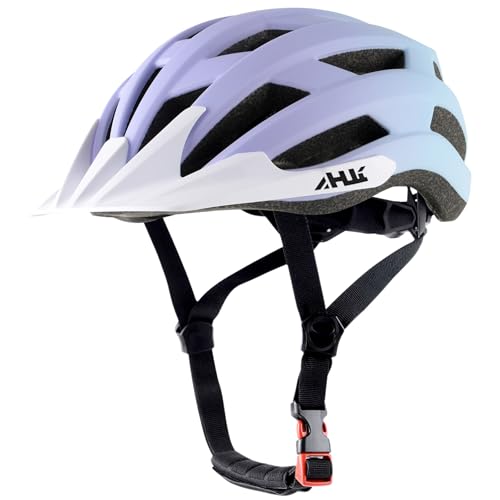
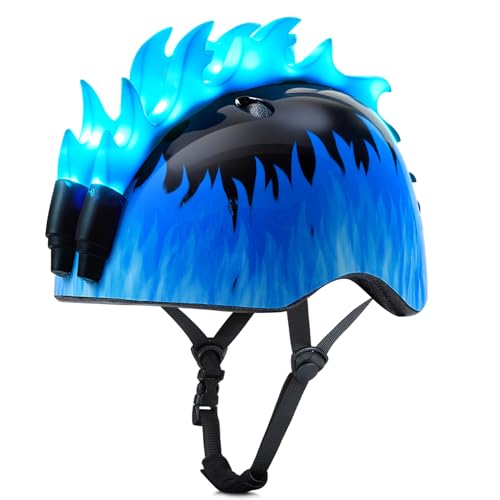

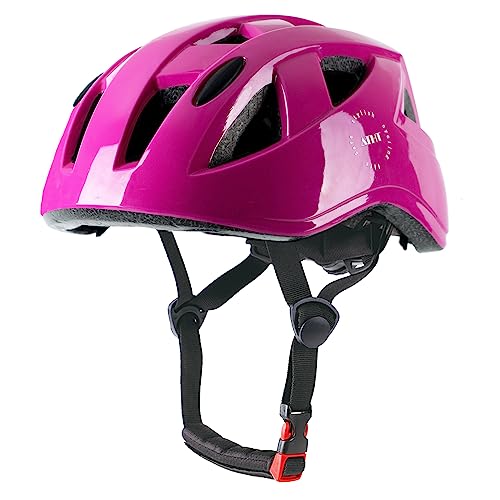
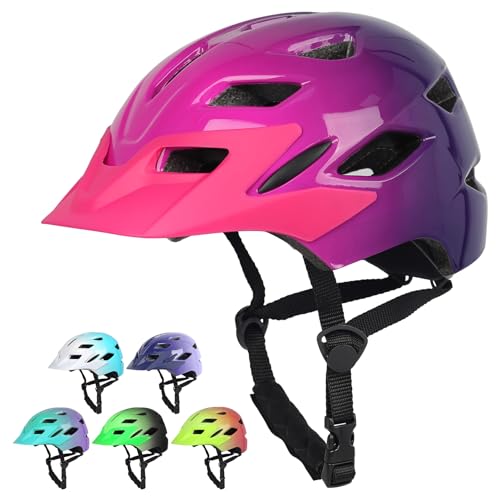
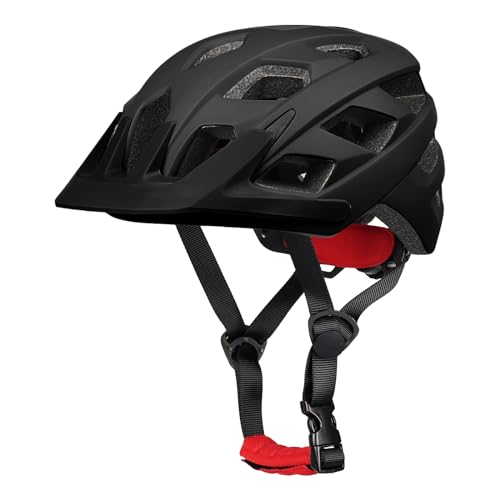
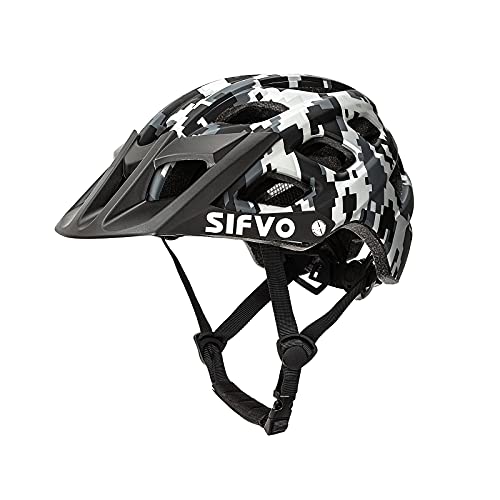
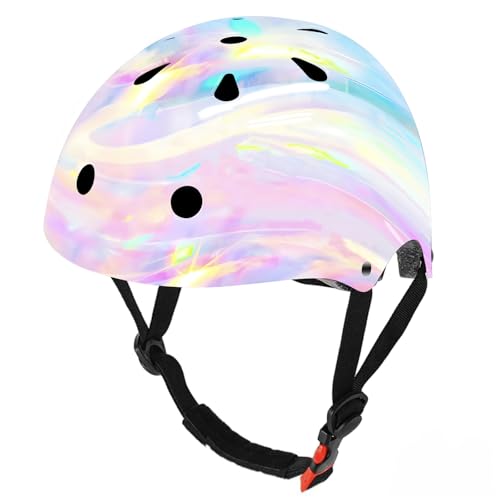
The Safety Standard Every Helmet Must Meet
In the United States, every bicycle helmet sold at retail must meet the Consumer Product Safety Commission's mandatory safety standard. This is not a marketing claim or an optional upgrade, it is federal law, and it applies to a two dollar helmet just as much as a premium one. Look for a small sticker or stamp inside the helmet confirming CPSC compliance before you buy, especially if you are shopping secondhand or from an unfamiliar online seller.
The standard covers impact absorption, how well the chin strap holds under sudden force, and how much of the head the shell actually covers. It does not test comfort or style, so two certified helmets can still feel very different on your child's head. Certification is the floor, not the finish line. Once you know a helmet meets that baseline, the rest of your decision comes down to fit, coverage for your child's age, and features like ventilation that make your child more willing to keep it buckled.
Skip anything without a visible certification mark, no matter how good the price looks. Novelty helmets sold as costume pieces or decorative toys sometimes lack real impact protection entirely, even though they look identical to the real thing in a photo.
Getting the Fit Right From Forehead to Chin Strap
Measuring your child's head
Wrap a soft tape measure around the widest part of your child's head, roughly an inch above the eyebrows, and note the number in centimeters. Match that measurement against the sizing chart for the specific helmet, since sizing varies between manufacturers even within the same age range. Age on the box is only a rough starting point, not a substitute for an actual measurement.
The two-finger and one-finger tests
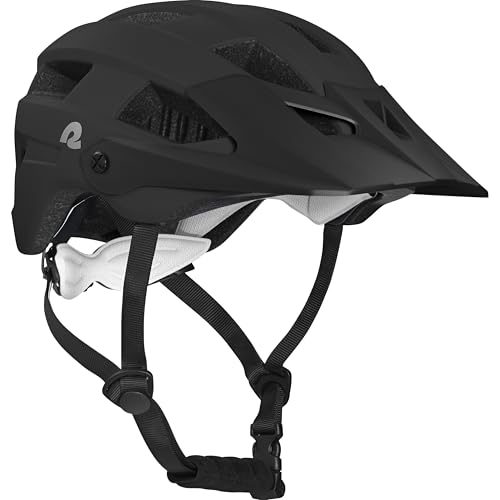
Once the helmet is on, use two simple checks. The helmet should sit level, about two finger-widths above the eyebrows, not tipped back on the crown of the head. The side straps should form a V shape just below each ear, and the chin strap should be snug enough that only one finger fits comfortably between it and the chin. If your child can open their mouth wide and the helmet does not shift, the strap is too loose.
Why a loose helmet fails when it matters most
A helmet that rocks side to side or slides forward over the eyes cannot do its job in a real fall, because the impact zone has already moved away from where the shell can protect it. Never buy a size up expecting your child to grow into it. A helmet with room to spare shifts on impact instead of staying put, which defeats the purpose entirely. If sizing between two options, choose the smaller size and use the removable padding pads included with most helmets to fine-tune the fit.
Matching the Helmet to Your Child's Age and Riding Style
The best kids bike helmet for a toddler looks very different from the one that suits an eight-year-old racing around the block, so age and riding habits should guide your shortlist as much as the size chart does. Helmets for toddlers and very young riders are typically built with more coverage around the back of the head and sides, since younger kids fall more often and less predictably, and their balance is still developing. These helmets also tend to be lighter, since a heavy shell can tire out a small neck quickly. If your toddler is just moving from a balance bike to their first pedal bike, our guide to choosing the right kids bike for every age covers how bike size and helmet fit should be considered together, since an oversized bike often leads to more frequent tumbles.
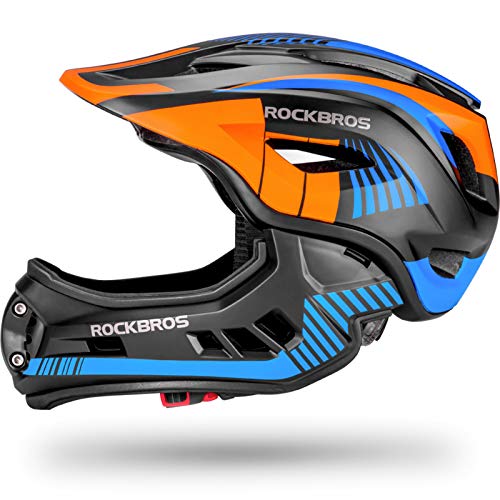
As kids move to bigger bikes and higher speeds, many parents start looking at helmets with MIPS, a rotational protection layer that lets the shell shift slightly against the head on angled impacts, which are more common in real falls than straight-on hits. It is not required by law, but for a child riding trails, tackling hills, or moving up to something sturdier like a fat tire kids bike built for rougher terrain, the added protection is worth the modest price difference. Ventilation also becomes more important at this stage, since older kids ride longer and work up more of a sweat, and a hot, stuffy helmet is one a child is far more likely to fight you on wearing.
When a Crash Means It's Time for a New Helmet
Bike helmets are designed to absorb one significant impact by crushing internally, and that process is not reversible even if the outer shell looks fine afterward. Any fall where your child's head made hard contact with pavement, a curb, or another rider means the helmet has likely done its job and needs to be replaced before the next ride, regardless of visible cracks.
Outside of a crash, plan on replacing a helmet every three to five years anyway, since foam padding degrades with sun exposure, temperature swings, and general wear even without a hard hit. Check periodically for cracks in the shell, frayed straps, or a buckle that no longer clicks securely. A helmet handed down from an older sibling is only safe to reuse if you know its full history and it is still within that replacement window.
Helping Your Child Actually Want to Wear It
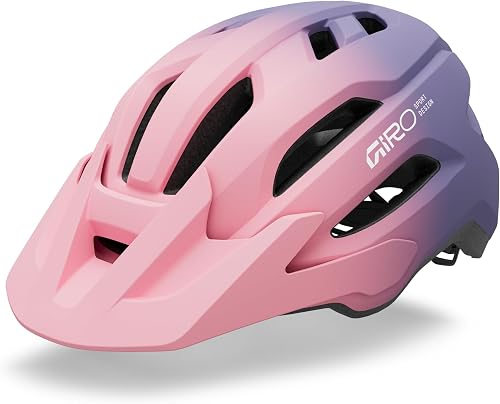
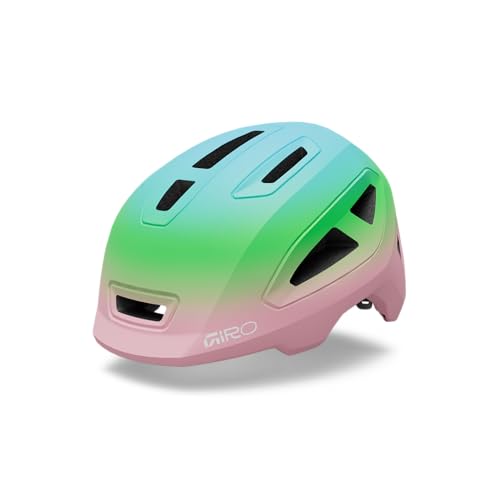
The safest helmet in the world does no good sitting in the garage. Letting your child pick between a few certified, properly sized options, whether that means a favorite color or a pattern they are excited about, goes a long way toward getting a helmet worn without a fight every single time. Comfort matters just as much as looks here, since a helmet that pinches or traps heat gets pulled off the moment you turn away.
Building the habit early makes it stick. Buckling the helmet before every single ride, without exception, teaches kids that it is simply part of getting on a bike rather than a punishment or a chore. Modeling the behavior yourself by wearing your own helmet sends the same message without a single word.
Frequently Asked Questions
How do I know if a kids bike helmet fits correctly?
It sits level and low on the forehead, does not shift when you shake your child's head gently, and the chin strap is snug enough that only one finger fits underneath it comfortably.
At what age can a child stop wearing a bike helmet?
There is no age where helmets stop mattering. Most safety experts and state laws recommend helmets for all ages, and many adult cyclists continue the habit they built as kids.
Is MIPS necessary for a toddler helmet?
It is helpful but not essential for very young riders on balance bikes and slow first rides. It becomes more valuable once a child is riding faster or on uneven terrain.
Can I reuse an older sibling's helmet?
Only if it has never been in a crash, shows no cracks or strap damage, and is still within the typical three to five year replacement window. When in doubt, replace it.
Why does my child refuse to wear their helmet?
Usually it is discomfort, heat, or a poor fit rather than pure stubbornness. Letting them choose the design and double-checking the fit often resolves the resistance quickly.
Do bike helmets expire even without a crash?
Yes. Foam liners break down from sun, heat, and age over time, which reduces how well they absorb impact even if the helmet looks undamaged on the outside.
What is the actual difference between cheap and expensive kids helmets?
Both must pass the same CPSC safety test, so protection is not necessarily better in a pricier model. Higher prices typically buy lighter weight, more ventilation, and features like MIPS rather than a higher safety ceiling.
Making Helmet Safety a Lasting Habit
Finding the best kids bike helmet for your child really comes down to a handful of habits repeated consistently, not one perfect purchase. A properly fitted, certified helmet paired with a consistent buckle-up routine does more for your child's safety than any single feature on the box. Revisit the fit every few months, since kids grow quickly, and replace the helmet without hesitation after any real crash. That combination of the right size, the right habits, and timely replacement is what actually keeps a young rider protected.