Best Electric Scooter for Kids: A Complete Buying Guide
Disclosure: We may earn a commission when you buy through links on this page, at no extra cost to you. As an Amazon Associate I earn from qualifying purchases. Learn more
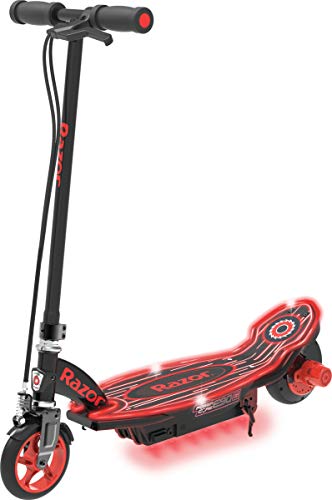
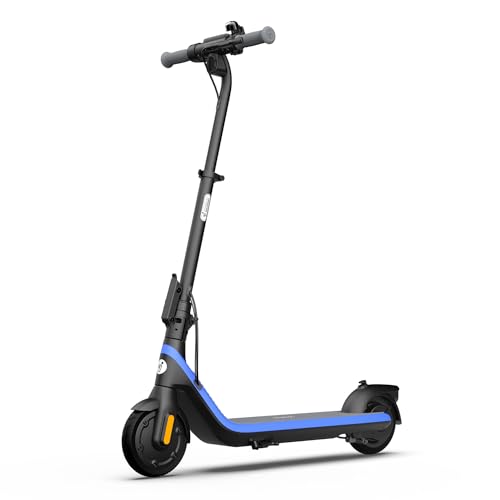
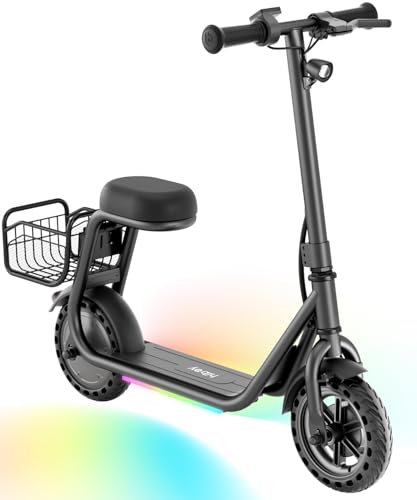
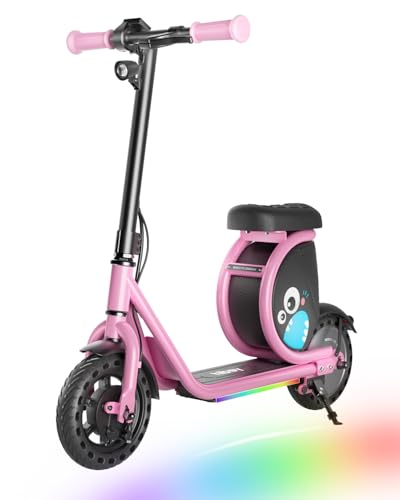
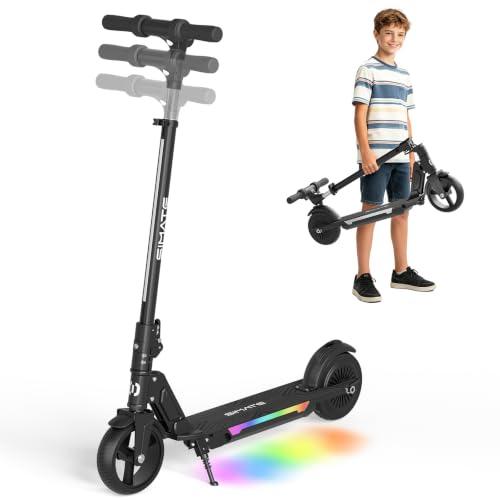
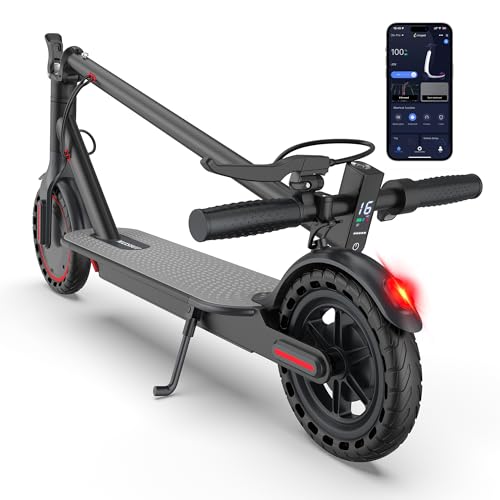
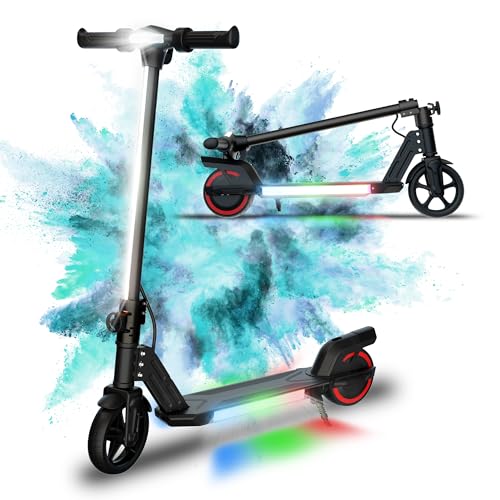
Finding the best electric scooter for kids starts with age and weight, not top speed. A scooter that feels thrilling to a confident ten-year-old can be genuinely dangerous for a cautious six-year-old, even if both fit the same weight limit on paper. The right choice balances a capped top speed, a stable deck, and brakes your child can actually operate with the hand or leg strength they have right now. Battery range matters too, since a scooter that dies halfway through a neighborhood loop just frustrates everyone involved. This guide walks through the practical factors that separate a scooter your kid will ride safely for years from one that ends up sitting in the garage after a single scary spill.

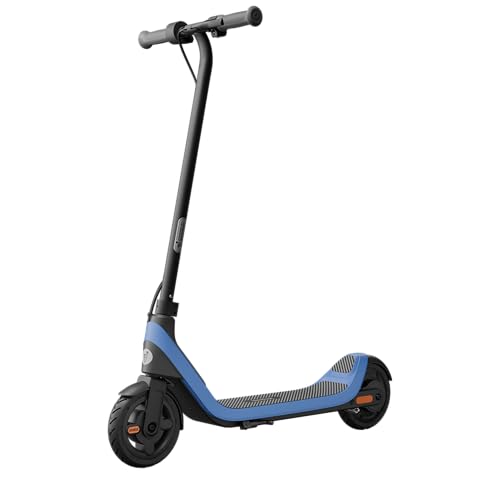
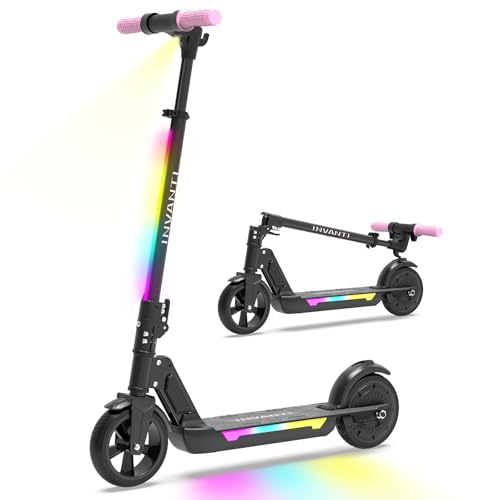
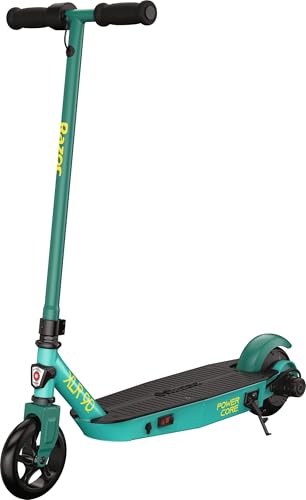
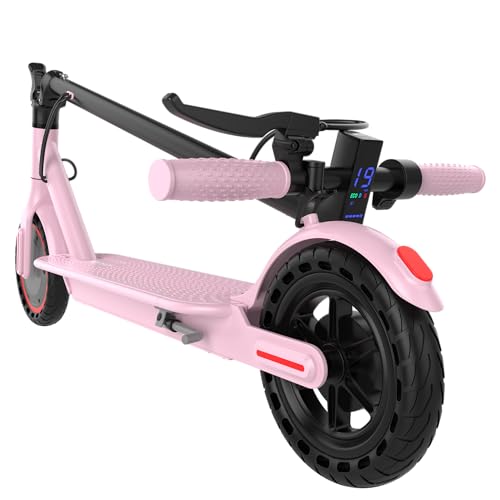
Matching Top Speed to Your Child's Age and Confidence
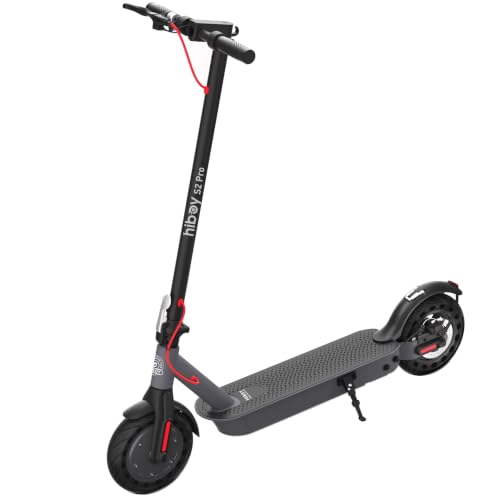
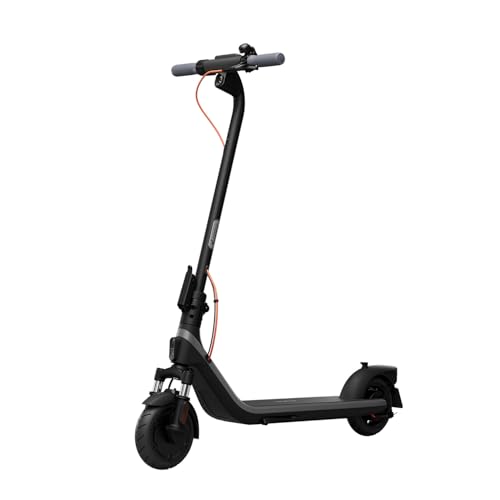
Speed is the single biggest safety variable, and it should be the first thing you check, not an afterthought. There is no single best electric scooter for kids that suits every family, because the right pick depends heavily on how old your child is and how much scooter experience they already have.
As a rough guide, riders under eight do best with a top speed around 6 to 8 mph, which feels quick enough to be fun but still leaves plenty of reaction time. Kids between 8 and 12 generally handle 9 to 12 mph once they've mastered braking and turning on a manual scooter first. Teens with real riding experience can usually manage 13 to 15 mph, but that's a ceiling, not a starting point.
Look for a scooter with adjustable speed modes rather than a single fixed setting. Even better is a model where the top speed can be locked by a parent, so your child can't nudge the throttle into a higher gear when you're not watching. Soft-start acceleration, where the motor ramps up gradually instead of lurching forward, also makes a huge difference for younger riders who startle easily.
Weight Capacity, Deck Size, and Wheel Choice for a Stable Ride
Every electric scooter has a maximum rider weight, and it's worth building in a real buffer rather than buying right at the limit. A scooter rated close to your child's current weight will feel sluggish and strain the motor as they grow, so aim for a limit at least 20 to 30 pounds above where they are today.
Deck width and length matter almost as much as weight rating. A narrow deck forces a child's feet close together, which hurts balance at low speed and makes sharp turns feel tippy. A wider, longer deck gives younger riders room to plant their feet naturally and shift their weight without overcorrecting.
Wheel Size and Material
Larger wheels, generally 6 inches or more, roll over sidewalk cracks and small pebbles far more smoothly than compact wheels, which reduces the sudden jolts that cause falls. Air-filled or foam-filled tires soak up bumps better on rougher pavement, while smaller solid rubber wheels work fine for smooth driveways or indoor use but transmit more vibration outdoors.
If your child is torn between a standing scooter and something more forgiving to balance on, it helps to compare formats side by side. A self-balancing hoverboard uses a completely different riding motion than a kick-style scooter, so it's worth understanding which one actually matches your kid's coordination before you decide.
Brakes, Speed Locks, and Other Safety Features Worth Checking
A scooter is only as safe as its ability to stop reliably, so pay close attention to the braking system before anything else. Hand brakes, similar to a bicycle lever, give younger kids more consistent stopping power than a foot brake, which requires enough leg strength and coordination to press down hard while balancing.
Some models combine both, letting a child use whichever feels more natural in the moment. Electronic braking that engages smoothly, without a sudden jolt, is gentler on small hands and reduces the chance of a forward tumble over the handlebars.
Beyond brakes, look for a physical or app-based speed lock that parents control, front and rear reflectors for dusk riding, and a built-in headlight if your child rides near sunset. A certification label confirming the battery and electrical system meet recognized safety standards is worth checking for on any listing, especially for a first scooter. Pairing the right scooter with a properly fitted kids bike helmet and wrist guards rounds out the safety picture more than any single scooter feature can on its own.
Battery Range and Charging Time for a Kid's Actual Riding Habits
Manufacturer range numbers are almost always measured under ideal conditions: flat pavement, a lighter test rider, and mild weather. In practice, most kids' electric scooters deliver somewhere between 6 and 12 miles per charge, which sounds like plenty until you factor in hills, cold mornings, and a heavier or older sibling occasionally borrowing it.
Build in roughly a 30 percent buffer when comparing the advertised range to how far your child actually rides in a typical session. A scooter used mostly around the block or in a cul-de-sac rarely needs more than a few miles of range, so don't overpay for battery capacity your kid will never use.
Charging time varies more than most parents expect, from under two hours on smaller batteries to four or five hours on larger ones. If your child wants to ride again the same afternoon, a shorter charge time or a swappable battery pack saves a lot of disappointment.
Where and How Kids Should Actually Ride
Most kids' electric scooters are built for sidewalks, driveways, and paved paths, not for road use, and local rules often reflect that. Many areas restrict electric scooter riders under a certain age from street riding entirely, and some require a helmet by law regardless of the rider's age.
Before your child's first ride, walk the actual route they'll use most often. Check for cracked pavement, blind driveway exits, and any spot where they'd need to cross a street, since those are the moments that call for the most caution.
- Practice starting, stopping, and turning in an empty parking lot or park before allowing neighborhood rides.
- Set clear boundaries for how far from home your child can ride unsupervised.
- Require a helmet and closed-toe shoes every single time, with no exceptions for "just a quick ride."
Frequently Asked Questions
What age can a kid start riding an electric scooter?
Most children are ready for a speed-limited electric scooter around age 8, once they've shown solid balance and control on a manual scooter or bike. Younger kids can use very low-speed models with close adult supervision.
How fast should a kid's electric scooter go?
Under 8 mph works well for younger, less experienced riders. Kids 8 to 12 typically handle 9 to 12 mph, while teens with more experience can manage up to about 15 mph on a well-built model.
Do kids need a helmet on an electric scooter?
Yes, every time, regardless of distance or speed setting. A properly fitted helmet paired with wrist and knee pads significantly reduces injury risk from the falls that happen even at low speeds.
How long does a kid's electric scooter battery actually last per charge?
Most models deliver 6 to 12 miles of real-world range, though hills, cold weather, and rider weight can shrink that noticeably. Short, frequent rides around the neighborhood rarely come close to draining a full charge.
Can kids ride electric scooters on the street?
Generally no. Most kids' electric scooters are designed and legally intended for sidewalks, driveways, and paved paths, and many local rules restrict younger riders from street use entirely.
What weight limit should I look for on a kids' electric scooter?
Choose a model rated at least 20 to 30 pounds above your child's current weight. This protects the motor and battery from strain and gives the scooter room to still work well as your child grows.
How do I stop my child from riding faster than a safe speed?
Look for a scooter with a parent-controlled speed lock or app setting rather than relying on a dial your child can adjust themselves. This keeps the agreed-upon top speed in place even when you're not standing right next to them.
Getting Your Family to the Right Fit
The best electric scooter for kids is the one your child can start, steer, and stop confidently every single ride, not simply the one with the highest top speed or longest range on the spec sheet. Match the speed and weight rating to where your kid is today, not where you expect them to be next year, and let helmet and pad habits form from the very first ride. A scooter that fits well now will earn far more use, and far fewer close calls, than one bought to grow into.