Best Scooter for Toddlers: A Complete Buying Guide
Disclosure: We may earn a commission when you buy through links on this page, at no extra cost to you. As an Amazon Associate we earn from qualifying purchases. Learn more

A toddler scooter looks like a shrunken version of what a six-year-old rides, but the resemblance stops at the surface. Balance is still forming between eighteen months and three years old, leg strength is limited, and a toddler's attention moves on fast. Scooters built for this age solve a different problem than the models made for grade-schoolers: they need to stay upright almost on their own, turn without a wrist motion small hands haven't learned yet, and sometimes double as a seat when little legs get tired. This guide breaks down what actually separates a real toddler scooter from a scaled-down kids' model, plus how to tell whether a child is ready to try one at all.
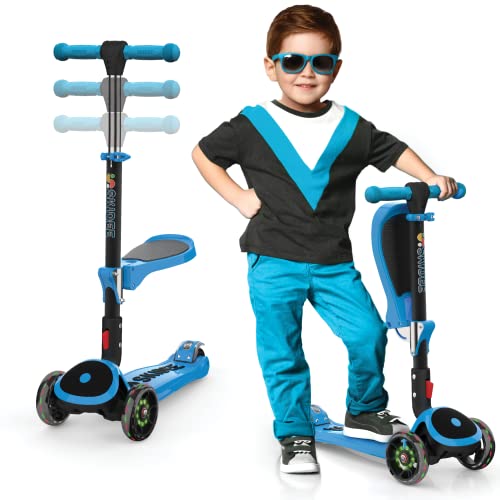
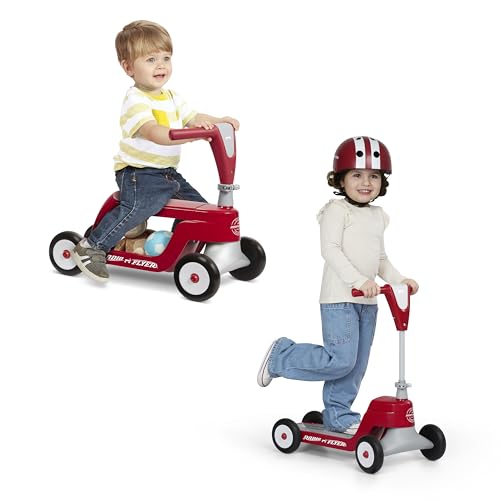
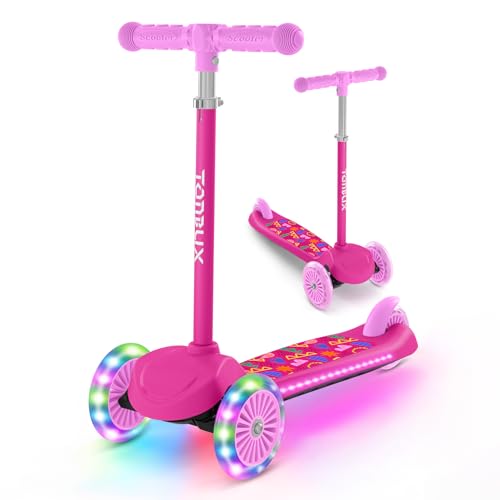
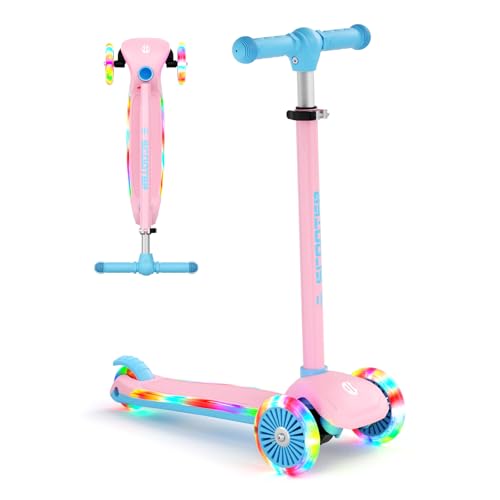
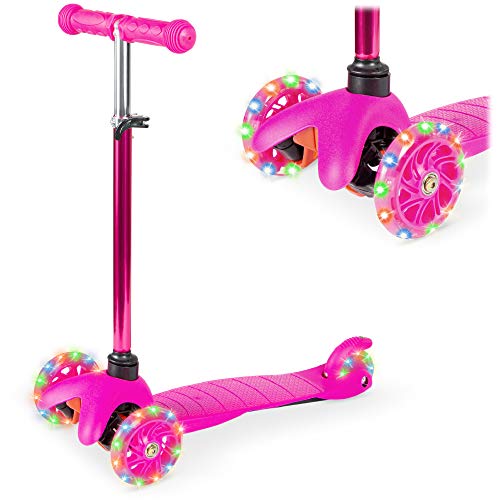
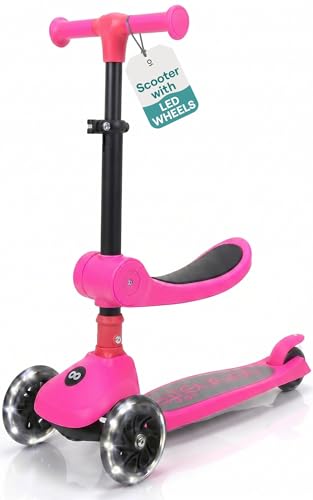
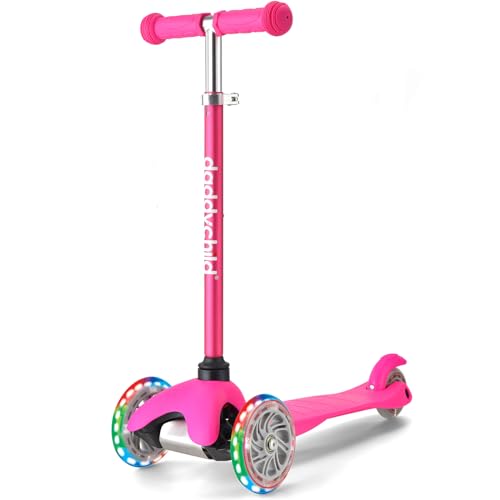
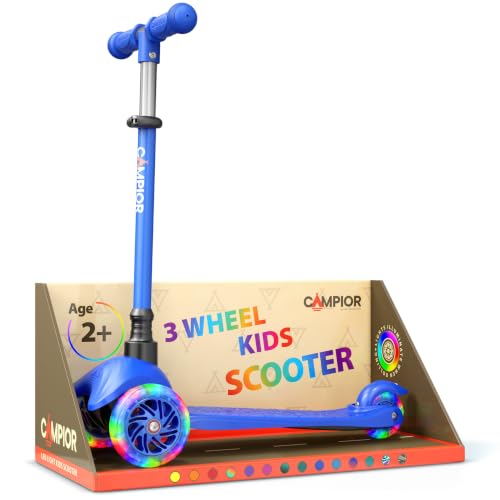
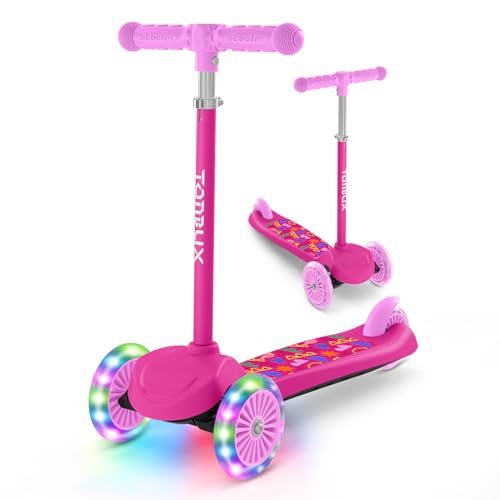
Why Toddler Scooters Belong in Their Own Category
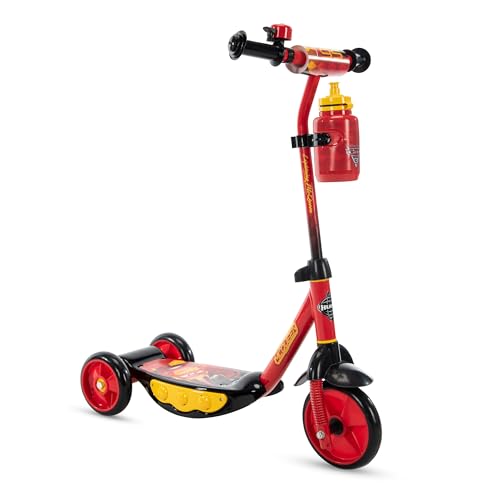
Most kids' scooters assume the rider can already balance on a narrow base and correct with their core when they wobble. Toddlers can't do that yet. A genuine toddler scooter compensates with a wider wheelbase, a deck set closer to the ground, and steering that doesn't require twisting a handlebar. Skip anything marketed broadly as a "kids scooter" without checking the age and weight range specifically, since a model built for a five- or six-year-old will feel tippy and unpredictable under a two-year-old.
The wheel count matters less than people assume. Three wheels and four wheels both work fine for toddlers as long as the stance is wide and the deck sits low. What actually causes trouble is any scooter with a narrow track between the front wheels, since that erases most of the stability advantage regardless of how many wheels it has.
Signs a Toddler Is Actually Ready to Ride
Age on the box is a rough guide at best. Two children born a month apart can be a full developmental stage apart in balance and coordination. Watch for these markers instead of going strictly by birthday:
- Walking confidently for several months, without frequent stumbling on flat ground
- Standing briefly on one foot, even just a second or two, which signals the equilibrium needed for a push-off
- Already pushing themselves around on a ride-on toy or riding a tricycle with some control
- Understanding and responding to simple instructions like "hold on" or "push with your foot"
If a toddler is still working on steady walking, a scooter usually leads to frustration rather than fun. Ride-on toys that build core strength and leg coordination first can smooth that gap; our guide to alternatives to baby walkers covers a few options worth trying before moving to a scooter.
What Actually Makes a Toddler Scooter Stable
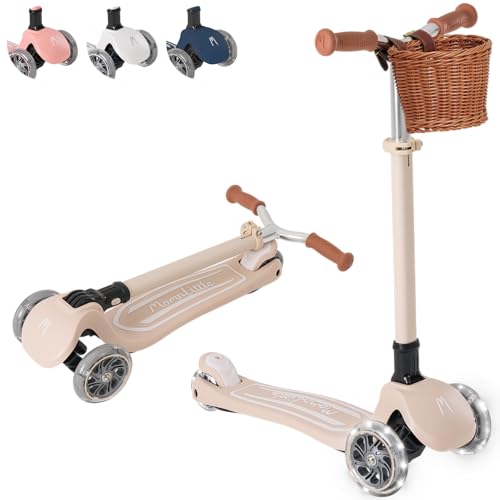
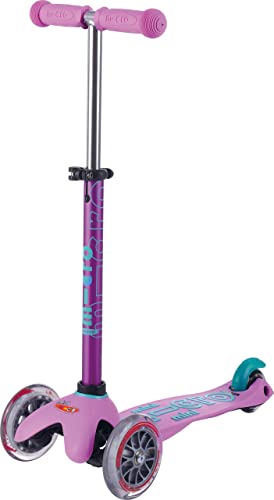
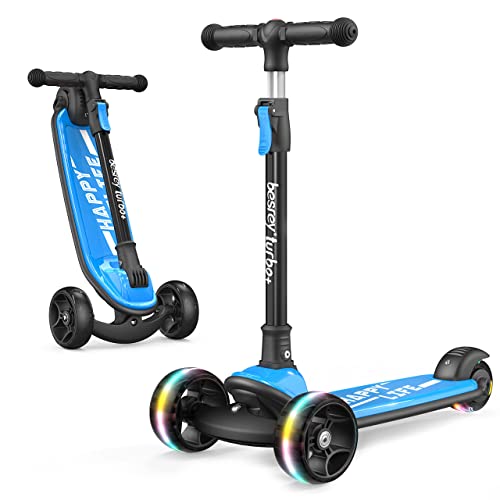
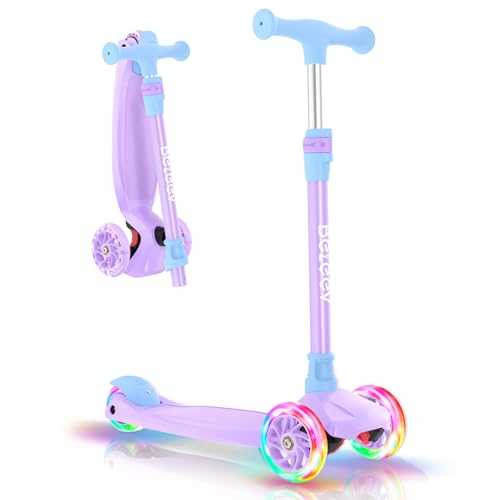
Stability comes down to a handful of measurable details rather than marketing language. A wide stance between the front wheels lets a toddler stand still without tipping while they figure out how to push off, and it matters more than the total wheel count. A low deck keeps their center of gravity close to the ground, so a wobble is easier to recover from than it would be on a taller frame.
Deck length matters too, and it's easy to overlook. A short deck forces feet close together heel to toe, which makes balancing harder for a toddler who hasn't developed that skill yet. A slightly longer deck lets them plant their feet side by side, closer to how they'd stand normally, which feels far more natural at this age. Soft, non-marking wheels also help by absorbing small bumps and cracks in the sidewalk that would otherwise jolt a rigid-wheeled scooter off course.
How Lean-to-Steer Works, and Where It Trips Kids Up
Most toddler scooters use a fixed handlebar paired with a deck that pivots when the rider shifts their weight side to side, rather than a handlebar that turns the front wheel directly. That design is intentional. A toddler leaning gently in one direction turns gradually, instead of jerking the wheel hard the way a small child might yank a traditional handlebar.
The catch is that lean-to-steer isn't intuitive on day one. Many toddlers try to steer the way they'd steer a stroller or ride-on toy, pulling or pushing the handlebar left and right instead of shifting their weight. Expect a few sessions of straight-line practice before turning clicks. Once a toddler masters leaning to steer and starts asking for more speed and sharper turns, that's usually the cue they're outgrowing this stage; our guide to kick scooters for kids covers what the next phase of balance and steering looks like.
Seats, Push Handles, and Whether a Toddler Needs One
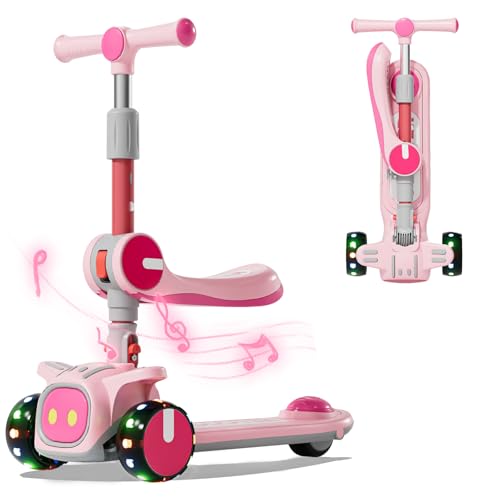
A subset of toddler scooters include a small seat that clips onto the deck, letting a child ride while sitting before they're ready to stand and push. This isn't essential for every toddler, but it helps close the gap for a younger or more cautious rider who wants to move but can't yet balance while standing. Most of these seats are removable, so the same scooter can convert to a standard stand-up model once the child is ready.
Some models also include a detachable push handle for a parent to hold, which is genuinely useful in the early weeks. It lets an adult guide direction and control speed without hovering directly over the child's shoulders, and it comes off easily once it's no longer needed. Neither feature is mandatory, but both can extend how early a family can start using a scooter without forcing a toddler to stand before they're ready.
Getting the Fit Right as They Grow
Check the manufacturer's weight limit against a toddler's current weight and leave meaningful headroom, since most families want a scooter to last more than one growth spurt. An adjustable handlebar matters just as much. At minimum it should sit somewhere between hip and chest height while the toddler stands on the deck, low enough that they're not reaching up and losing balance in the process.
Multiple height settings are worth the extra cost, since toddlers grow quickly during these years and a fixed-height handlebar can become awkward within months. Once a toddler has outgrown the wide, low stance of a true toddler model, sizing up becomes the priority; our guide to scooters for a six year old lays out what changes in a scooter built for that next stage.
Making the First Rides Stick
Start on a flat, smooth surface away from driveways, curbs, and any kind of slope, even a gentle one. A short, wide stretch of garage floor or sidewalk gives a toddler room to wobble and self-correct without the scooter gaining speed on its own. Staying within arm's reach for the first several sessions matters more than any product feature, and expect a lot of stopping by simply stepping off the deck rather than using a brake.
A properly fitted helmet isn't optional, even for slow laps around the yard. Toddlers tend to fall differently than older kids, often straight backward or sideways rather than forward, so a helmet that sits low and snug at the back of the head matters as much as the front fit. For sizing guidance that applies well to scooter riding too, see our skateboard helmet buying guide. Keep early sessions short. Ten or fifteen focused minutes tends to go further than a long outing that ends in a meltdown over tired legs.
Questions Parents Ask Before Buying
What age can a toddler start using a scooter?
Most children are ready for a basic three- or four-wheel scooter somewhere between two and three years old, though it varies by child. Readiness signs like steady walking and brief one-foot balance matter more than the number on the calendar.
Does a toddler scooter need a seat?
Not always. A seat helps younger or more hesitant toddlers get comfortable with the motion before they're ready to stand and push, but plenty of toddlers go straight to standing without ever needing one.
Is a three-wheel or four-wheel scooter more stable for a toddler?
Both can work well. What matters far more than the wheel count is a wide stance between the front wheels and a low deck. A narrow three-wheel scooter can feel less stable than a well-designed four-wheel one, and the reverse is also true.
Can a two-year-old ride a scooter safely?
Many two-year-olds can manage a stable, low toddler scooter with close supervision, especially one with a seat or push handle for the first few weeks. Every child develops at a different pace, so watch for readiness signs rather than a strict age target.
What weight limit should a toddler scooter have?
Compare a toddler's current weight to the manufacturer's stated limit and look for meaningful headroom above it. A scooter with room to spare holds up better through a growth spurt and lasts longer before a size-up becomes necessary.
How long does it take a toddler to learn to ride a scooter?
Most toddlers get comfortable standing and pushing off within a few short sessions, though learning to lean and steer smoothly often takes a few weeks of casual practice. Progress tends to come in bursts rather than a steady line.