Best Tactical Flashlights: A Complete Buying Guide
Disclosure: We may earn a commission when you buy through links on this page, at no extra cost to you. As an Amazon Associate I earn from qualifying purchases. Learn more




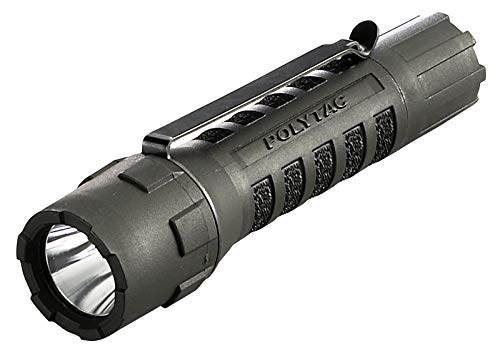

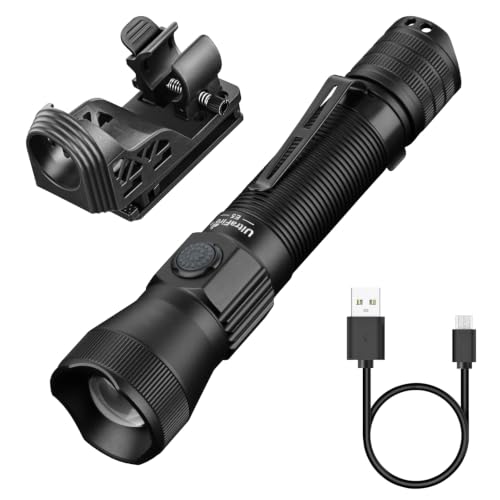
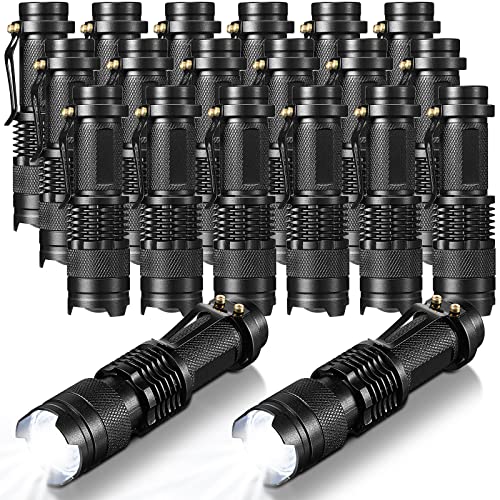
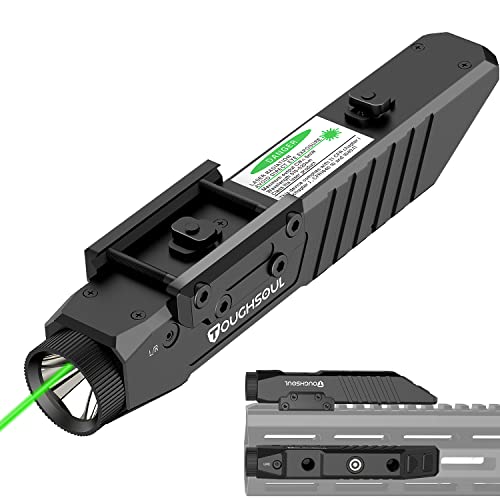
Lumens vs. Candela: What Actually Matters for a Tactical Beam
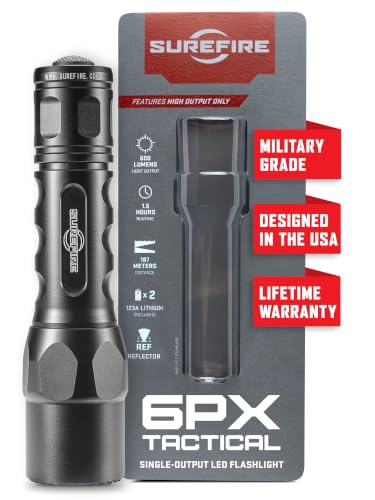
Shoppers usually start by comparing lumen numbers, but that figure only tells half the story. Lumens measure total light output, essentially the volume of light a bulb produces in every direction. Candela measures beam intensity, or how far that light actually punches down a hallway or across a parking lot. A light with a huge lumen count but low candela will flood a room without reaching much distance.
The best tactical flashlights balance both numbers rather than chasing lumens alone. For everyday carry and home checks, 300 to 1000 lumens with moderate throw covers most situations. For search-and-rescue or property-perimeter use, prioritize candela and beam distance, since a spot-focused beam reaches much farther than a flood beam at the same lumen rating.
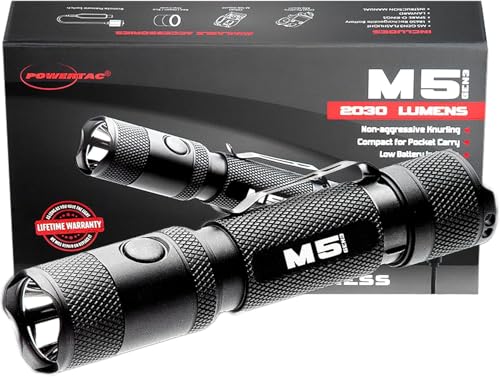
Runtime also swings hard depending on the mode selected. A light rated for 2000 lumens on turbo might only sustain that output for a few minutes before stepping down to protect the battery and the emitter from heat, so check the runtime chart for each brightness setting, not just the peak number printed on the box.
Rechargeable Cells vs. Disposable Batteries
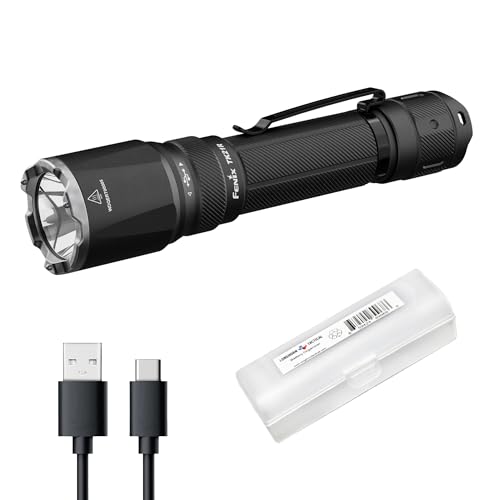
Most modern duty and EDC lights run on rechargeable lithium-ion cells, typically 18650 or the larger 21700 size, charged directly through a USB-C port on the body of the light. This setup is cheaper over time and convenient for anyone who remembers to top off the battery regularly.
Disposable CR123A or AA-powered lights trade that convenience for shelf-stable backup power. A drawer full of CR123A cells does not degrade the way a lithium-ion pack slowly does, which matters for a light that sits untouched in a car console or bug-out bag for months.
- Rechargeable 18650/21700: lower cost per use, needs regular charging, ideal for daily carry
- Disposable CR123A/AA: instant fresh power, longer shelf life, better for infrequent emergency use
- Hybrid lights: accept both cell types, giving flexibility when a charger is not available
Anyone who splits time between daily carry and true emergency preparedness should lean toward a hybrid light that accepts both formats rather than committing to one battery ecosystem, and pairing that light with a broader kit of emergency preparedness supplies covers the gaps a single flashlight cannot.
Durability and Water Resistance Ratings Explained
An IP rating tells you exactly what a housing can survive, and it is worth decoding instead of skimming past. The first digit covers dust resistance on a 0-6 scale, and the second covers water resistance on a 0-9 scale. IP68 means fully dust-tight and rated for continuous submersion at a specified depth, which is the benchmark most serious tactical lights aim for.
Impact resistance gets measured separately, usually as a drop rating in meters. A body machined from aircraft-grade aluminum with a hard-anodized finish shrugs off drops onto concrete far better than a plastic-bodied consumer flashlight. Look for both numbers on the spec sheet rather than assuming "tactical" branding alone guarantees ruggedness.
A tactical flashlight that will live in a glove box, tool bag, or duty belt needs to handle temperature swings too, since extreme heat can shorten lithium-ion battery life and cold weather can sap runtime noticeably.
Strobe and Momentary-On Modes: When They Actually Help
Strobe mode rapidly flashes the beam, which disrupts a person's ability to track movement or judge distance in low light. It is most effective in short bursts combined with repositioning rather than holding it on continuously, since a static strobing light is easy to locate and approach.
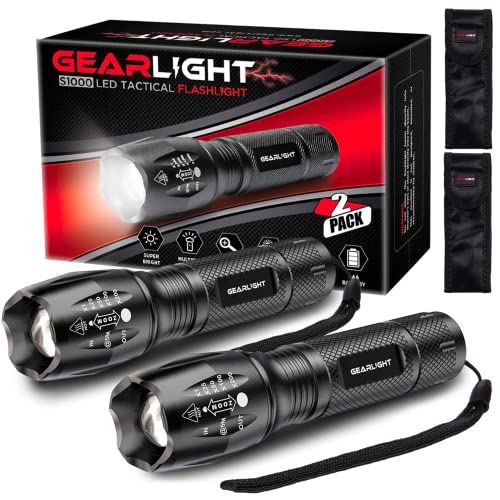
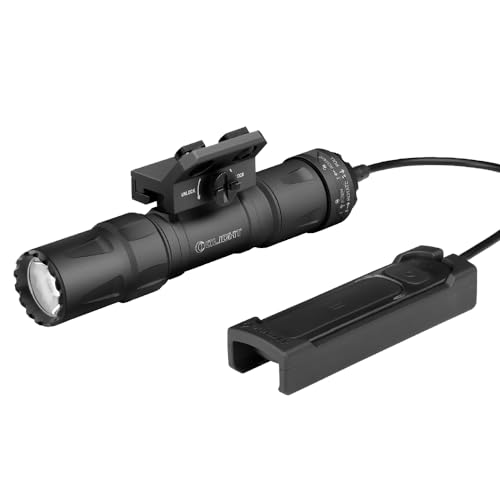
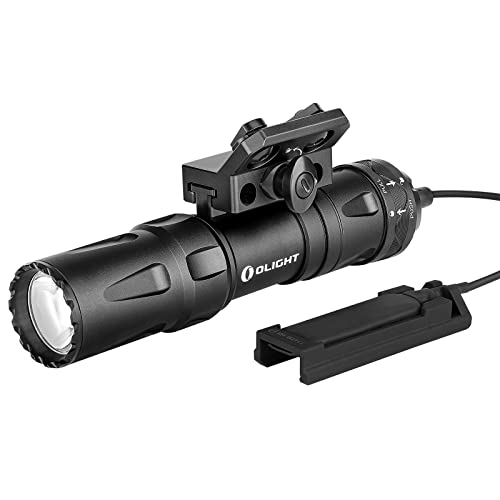
Momentary-on activation, usually via a tail switch, lets the user flash the beam without fully clicking the light on. This matters for situational awareness: a quick flash checks a dark stairwell or room without announcing a fixed light source for several seconds. A separate side switch typically handles mode cycling and battery-level indication, so many duty lights combine both switch types for full one-handed control, including with gloves on.
Not every buyer needs a strobe function. Someone using a light mainly for camping, home repairs, or dog walks may find a simple two-mode light (high and low) far more practical than digging through a strobe and SOS cycle to reach standard brightness.
Duty and Professional Use vs. Everyday Carry
Duty lights built for law enforcement or security work are engineered around reliability under stress: reinforced internals, tactical tail switches, higher candela for identifying threats at distance, and mounting compatibility for a belt holster or weapon-mounted setup. These lights are typically larger and heavier because durability takes priority over pocket comfort.
An EDC-focused light trims size and weight for comfortable daily pocket carry, usually with a simpler single side-switch interface and a more modest brightness ceiling. Choosing between the two comes down to how the light will actually be used day to day rather than which one sounds more capable on paper.
Buyers who also want a hands-free option for trail use, home projects, or checking a crawl space alongside a pocket light may want to compare notes with our guide to the best rechargeable headlamp options, since a headlamp and a handheld light solve different problems rather than competing with each other.
Mounting, Clips, and Everyday Handling Features
A pocket clip that holds the light securely without printing through fabric matters more in daily use than most buyers expect before owning one. Deep-carry clips sit lower in the pocket, while reversible clips let left-handed users mount the light bezel-up or bezel-down based on preference.
A crenellated bezel, the notched ring around the lens, does double duty as a self-defense edge and a way to stand the light on its head for reflected-ceiling lighting in a tent or room. It also helps prevent the light from rolling off a flat surface, a small detail that saves scrambling for a dropped light in the dark.
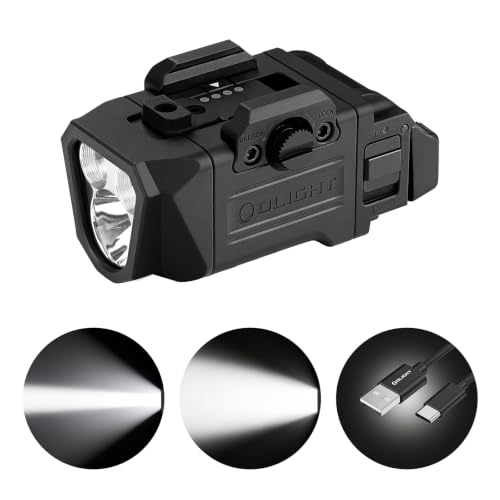
For anyone considering a weapon-mounted or rail-compatible light, confirm the mounting hardware matches the intended platform before buying, since mount diameters and rail systems are not universal across brands. Buyers building out a broader everyday-carry kit often add a light alongside other compact tools, and browsing options like paracord survival bracelets is a low-cost way to round that kit out.
Frequently Asked Questions
How many lumens does a tactical flashlight need for self-defense?
Most guidance points to at least 300 lumens for daytime use and around 100 lumens in already-dark conditions. Many buyers land in the 300 to 1000 lumen range for a light that disorients effectively without excessive size or cost.
Is a higher lumen count always better?
No. Extremely high lumen counts drain batteries faster, generate more heat, and often step down output after a short burst. Balanced output with good candela and runtime usually serves daily needs better than a peak number alone.
What is the difference between throw and flood beams?
A throw beam is focused and travels farther, useful for scanning distance or open areas. A flood beam spreads wider and lights up a close area evenly, better suited for tasks like reading a map or working under a car hood.
Do tactical flashlights need to be waterproof?
Full waterproofing is not mandatory for every buyer, but at minimum an IPX4 splash-resistant rating protects against rain and accidental spills. Anyone using the light outdoors regularly should look for IPX7 or IP68 for real submersion protection.
Can a tactical flashlight run on regular AA batteries?
Some models are designed to accept AA or CR123A disposable batteries, either exclusively or as a backup alongside a rechargeable cell. Check the compatible battery list before buying if shelf-stable backup power is a priority.
How long do rechargeable flashlight batteries last?
Lithium-ion cells in these lights typically hold a useful charge cycle count in the hundreds before capacity noticeably declines, translating to several years of regular use before a replacement cell is needed.
Is a strobe mode necessary?
It is useful for self-defense or security scenarios but unnecessary for general outdoor or household use. Buyers who only need a reliable everyday light can skip models that emphasize strobe and SOS modes over simple, fast access to standard brightness.
Choosing the Right Light for the Job
The right tactical flashlight depends less on chasing the highest spec sheet number and more on matching output, battery type, and durability rating to how the light will actually be carried and used. A glove-box emergency light has different priorities than a duty belt light or a nightstand light kept for home checks.
Start with the primary use case, confirm the battery format fits daily habits, and verify the durability rating matches the environment before comparing brightness numbers. That order keeps the decision grounded in practical need rather than marketing claims, and it tends to produce a light that still earns its place in a pocket or bag a year after purchase.