Best RV Mattress: A Buying Guide for Non-Standard Camper Sizes
Disclosure: We may earn a commission when you buy through links on this page, at no extra cost to you. As an Amazon Associate I earn from qualifying purchases. Learn more
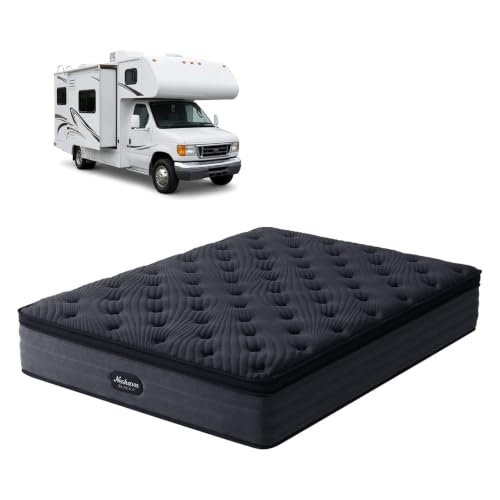
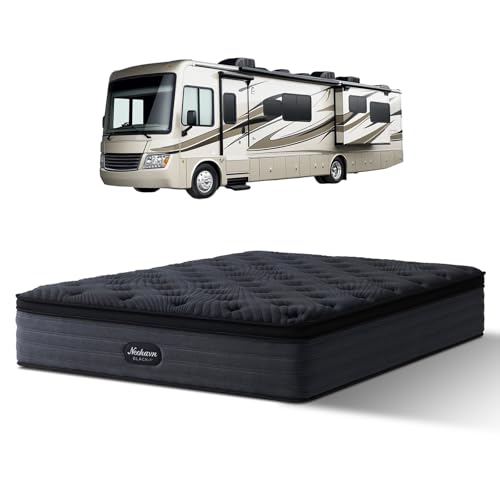
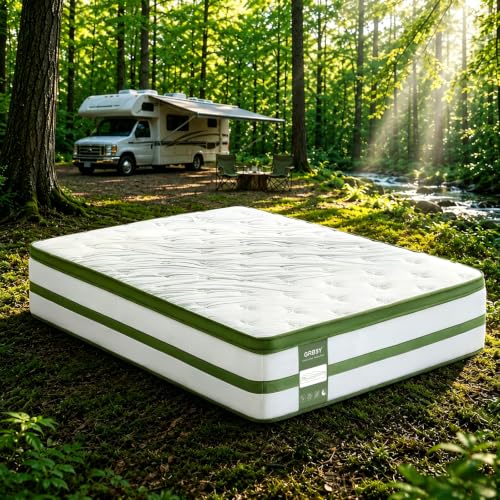
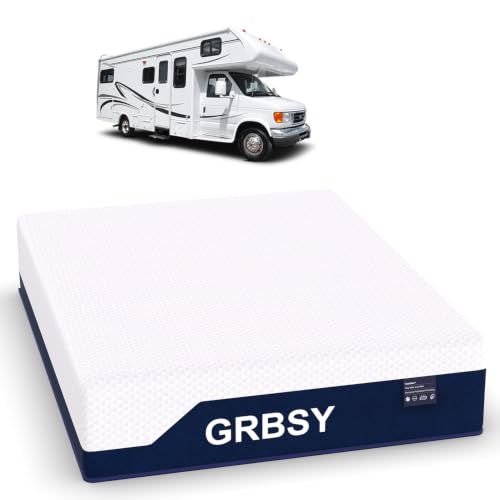
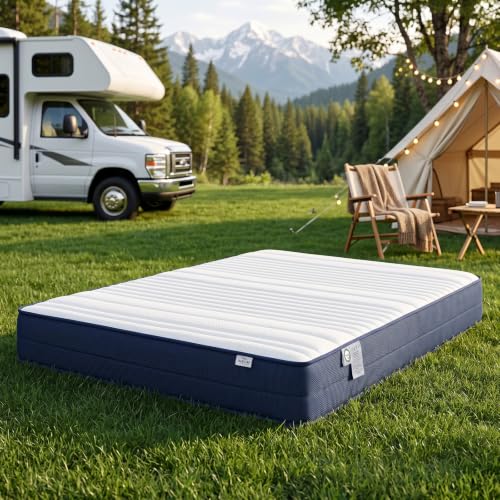
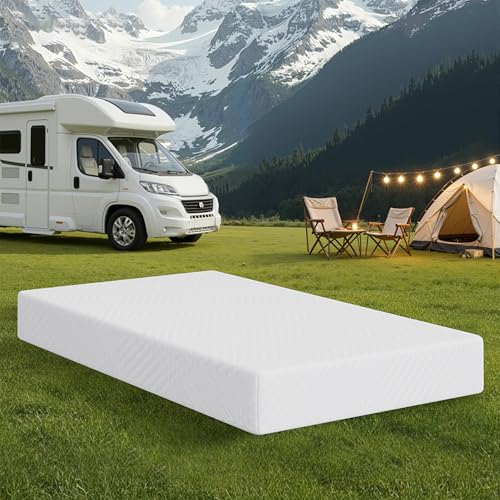
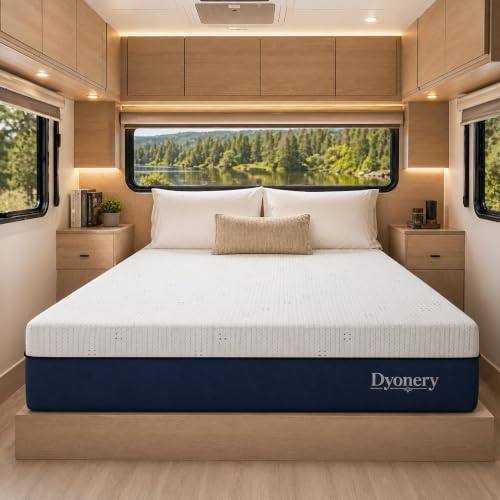
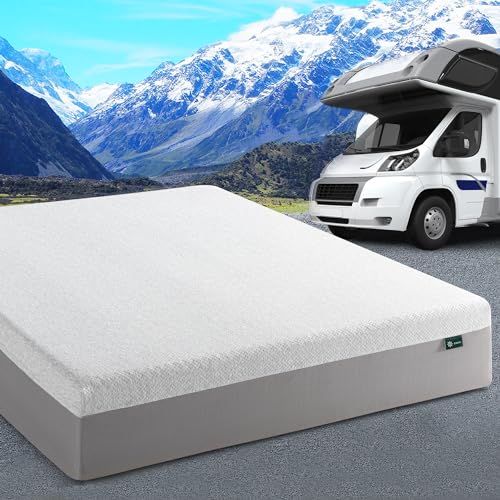
Shopping for a mattress for your camper is nothing like shopping for one at home. The bed platform in a travel trailer or motorhome rarely matches a standard bedroom size, the weight of what you choose can matter almost as much as the comfort, and a sealed-up cabin creates problems that a spare bedroom never has to deal with. If you are trying to find the best rv mattress for your rig, the criteria that matter most are fit, weight, moisture control, and how the mattress behaves in a small enclosed space. This guide walks through each of those factors so you know exactly what to check before you buy.
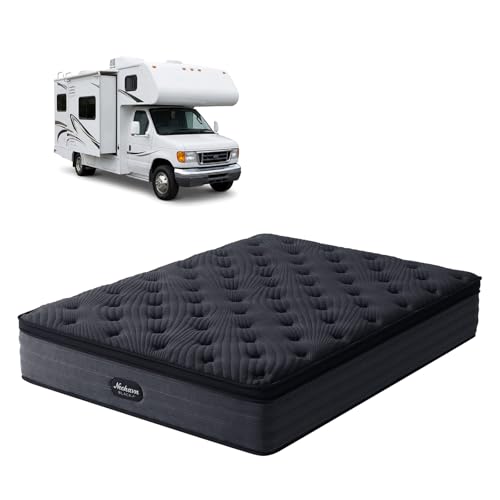
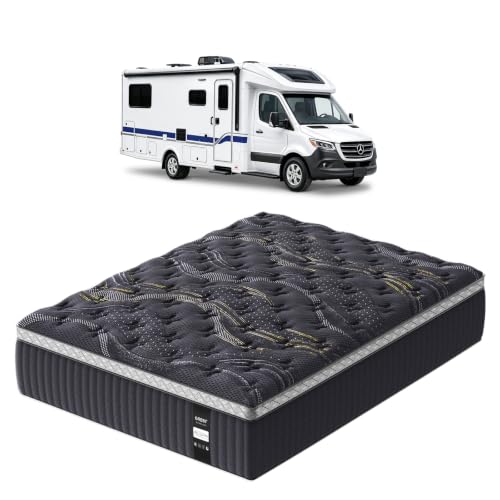
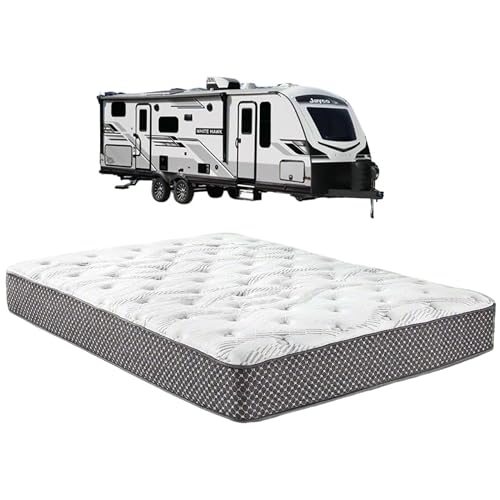
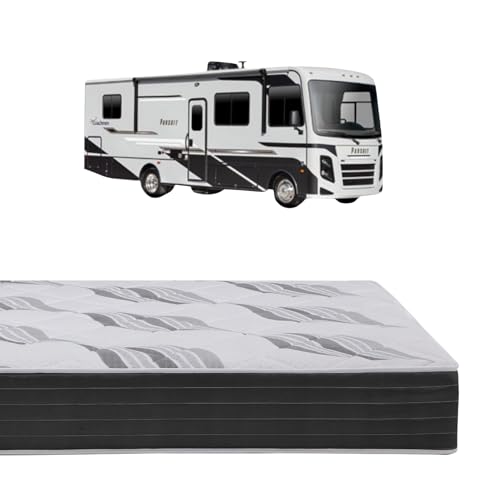
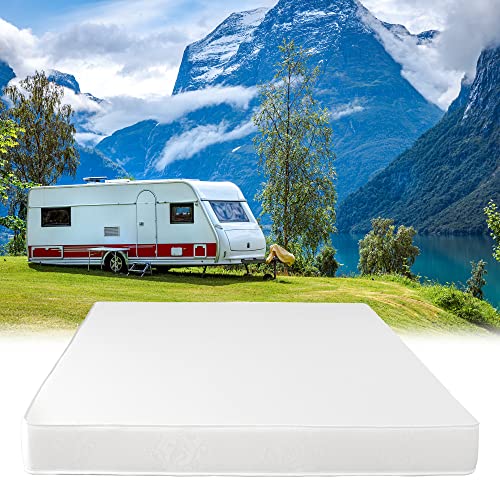
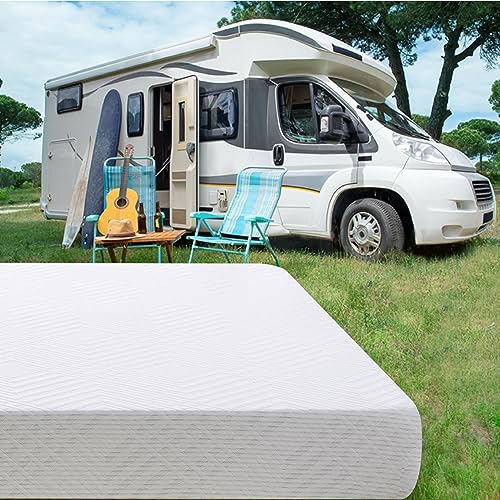
Why RV Mattress Sizes Don't Match Home Sizes
Home mattress sizes were designed around bedroom furniture and floor space. RV mattress sizes were designed around a chassis, a set of cabinets, and a weight budget, which is why the two rarely line up. Manufacturers trim length, width, and thickness wherever they can to squeeze a sleeping area into a smaller footprint without pushing the rig's total weight or dimensions out of range.
Short Queen, RV King, and Other Non-Standard Dimensions
The most common size you will run into is the RV short queen, which keeps the familiar 60 inch width of a household queen but trims about five inches off the length. RV king, three-quarter, and full sizes follow the same logic: the width or length gets shortened just enough to clear a wall, a wheel well, or a slide mechanism. None of these are simply smaller versions of a home mattress; they are cut to fit a specific footprint.
Corner Cuts, Slide-Outs, and Bunk Spaces
Many campers also need angled corners to clear cabinetry, closets, or a curved wall, which is something a rectangular home mattress was never built to handle. A rv bunk mattress adds another layer of complexity, since bunk spaces are often narrower and shorter than a standard twin and may need to be trimmed to fit a fixed shelf. Before you shop, take note of any corner cuts or irregular edges your current mattress has, because that shape is easy to overlook until the new one won't sit flush.
Finding the Right Size and Fit for Your Sleeping Area
Getting the dimensions right matters more here than almost anywhere else you would buy a mattress, since a poor fit can leave gaps along the frame or keep a slide-out from closing properly.
How to Measure Before You Shop
Measure the sleeping platform directly rather than trusting the size listed in your owner's manual, since aftermarket beds and modifications are common. Record width, length, and maximum thickness, then check for any obstructions like a raised lip, a wheel hump, or cabinet overhang that could limit how thick a mattress you can use. If your rig has a slide-out bed, measure it both extended and retracted to confirm the mattress will not interfere with the mechanism.
When a Custom or Cut-to-Fit Mattress Makes Sense
If your platform has an odd shape, angled corners, or dimensions that fall between standard camper sizes, a custom or cut-to-fit mattress is often worth the extra cost. Trying to force a standard rectangle into an irregular space usually means gaps at the edges or a mattress that shifts around while you drive, so a made-to-measure option can solve problems a stock size simply cannot.
Weight: Why Lighter Matters More in an RV
A household mattress buyer almost never thinks about how much their bed weighs. In an RV, weight is part of the equation from the start, since everything you add competes with your rig's gross vehicle weight rating, or GVWR.
How Mattress Weight Affects GVWR and Slide-Outs
Camper mattresses are generally built lighter than household ones, using thinner comfort layers and skipping heavy components like steel border rods. That matters because a mattress placed inside a slide-out has to stay under the weight capacity of that specific mechanism, not just your rig's overall GVWR. If you have already added upgrades to your rig, such as RV keyless entry door locks, you already know how quickly small additions eat into a fixed weight budget, and a mattress is no different.
Preventing Moisture and Mold Under the Mattress
This is one of the most common complaints among camper owners, and it rarely comes up in a home mattress guide because a house bedroom has airflow that an RV platform usually lacks.
Why Enclosed Platforms Trap Condensation
Body heat warms the underside of the mattress overnight, and when that warm, moist air meets a cold RV floor or wall, it condenses instead of dissipating. On a solid platform with no airflow, that moisture has nowhere to go, and after repeated nights it can turn into damp foam, a musty smell, and eventually visible mold spots on the mattress or the plywood beneath it.
Ventilated Foundations and Airflow Solutions
The fix is almost always about airflow rather than the mattress material itself. A ventilated foundation or a mesh underlay raises the mattress slightly off the platform so air can circulate underneath.
During humid stretches or full-time use, a small dehumidifier running in the cabin overnight can also cut down on the moisture that collects under the mattress. Checking underneath periodically, especially after several nights of use, catches problems before they turn into a mold issue.
Off-Gassing in a Small, Enclosed Space
Every foam mattress releases some odor when it is first unwrapped, as compounds trapped during manufacturing and shipping slowly dissipate into the air. In a house, that smell spreads through an entire bedroom and often a hallway too. In a camper, the same amount of off-gassing is concentrated into a fraction of the air volume.
Why RV Cabins Need Extra Ventilation Time
Poorly ventilated spaces hold onto off-gassing odors much longer than a room with open windows and normal air exchange, which is exactly the situation inside a closed-up rig. Unbox and air out a new mattress outside or with windows and roof vents fully open for at least a day or two before you sleep on it, and avoid running the furnace or air conditioner in a fully sealed cabin during that period. Looking for a mattress with low-VOC certification can also shorten how long that initial odor lingers.
Firmness and Motion Isolation for Life on the Road
Comfort still matters, but the priorities shift slightly in a camper. A medium-firm feel tends to work best for most sleepers in this setting, since it holds up under repeated setup and travel better than a very soft mattress while still offering enough cushioning for side and back sleeping. If you are sharing a compact bed, look for a mattress that isolates motion well, so one person shifting position or getting up in the night does not wake the other in such close quarters. Foam layers generally handle this better than coil-heavy designs, which tend to transfer more movement across the surface.
Frequently Asked Questions
What is the most common RV mattress size?
The RV short queen is the most widely used size, measuring 60 inches wide by about 75 inches long. It keeps the same width as a standard queen but is roughly five inches shorter to fit typical camper platforms.
Can you put a regular mattress in an RV?
Sometimes, but only if your platform and slide-out have enough clearance for the extra length, width, and weight of a standard mattress. Measure carefully first, since even a few extra inches can block a slide-out or leave gaps along the frame.
How thick should an RV mattress be?
It depends on where the mattress sits. Slide-out beds typically need a thinner profile, often in the five to six inch range, so the mechanism can still operate and any nearby emergency exit window remains usable. Fixed platforms usually allow more room for a thicker, more cushioned mattress.
Why does my RV mattress get moldy underneath?
Solid platforms with little to no airflow trap the moisture created by body heat overnight, and that condensation has nowhere to evaporate. Over time it soaks into the foam and creates the damp, musty conditions mold needs to grow.
How long does RV mattress off-gassing take?
Most of the initial odor fades within a day or two if the mattress is unwrapped in a well-ventilated space. In a closed-up camper, that process can take noticeably longer, so airing it out with windows and vents open before your first night is worth the extra time.
Do RV mattresses need a special foundation?
They benefit from one, even if it is not strictly required. A ventilated foundation or mesh underlay helps prevent the condensation and mold issues that come with setting a mattress directly on a sealed plywood platform.
Making Your Decision
The best rv mattress for your rig is the one that actually fits your platform's dimensions, stays within a reasonable weight for your slide-out and GVWR, and holds up to the moisture and ventilation challenges of a closed cabin. Get the measurements right first, plan for airflow underneath the mattress, and give any new foam a day or two to off-gas before your first night on the road.