Best Mattress Foundation: A Buying Guide for Better Sleep
Disclosure: We may earn a commission when you buy through links on this page, at no extra cost to you. As an Amazon Associate I earn from qualifying purchases. Learn more
If your mattress has started to sag in the middle, squeak when you roll over, or feel unsupported even though it's still under warranty, the problem might not be the mattress at all. It could be what's underneath it. A mattress foundation is the base that holds your mattress, and using the wrong one can shorten its lifespan, void your warranty, and leave you with a bed that never feels quite right no matter how good the mattress itself is. This guide walks through the different types of foundations, how to match one to your mattress, and what actually matters when you're comparing options.


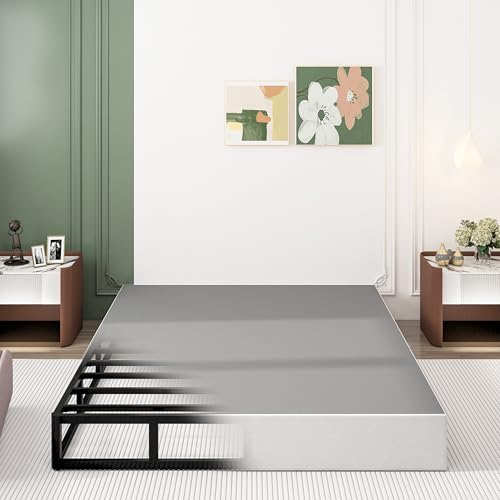

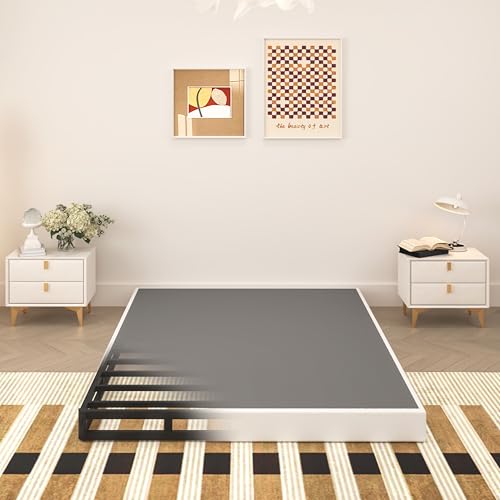
Box Spring, Foundation, or Adjustable Base: Sorting Out Your Options
The word "foundation" gets used loosely, but there are a few genuinely different products hiding under that label, and picking the wrong mattress foundation is the single biggest mistake buyers make. Each option supports weight differently, and mixing up the categories is what leads to premature sagging, warranty disputes, and a bed that never quite feels right.
Box Springs
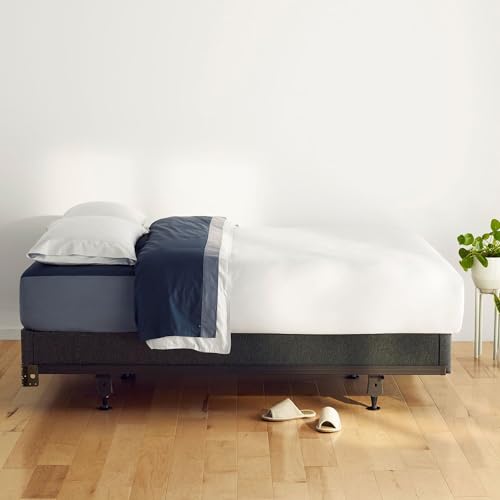
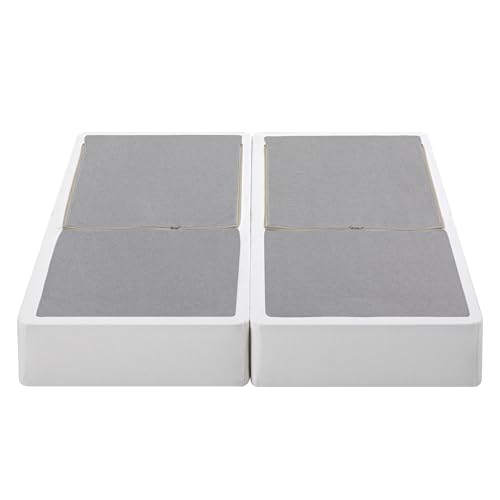
A traditional box spring is a wooden frame filled with coil springs and wrapped in fabric. It was built for older innerspring mattresses that needed extra cushioning and shock absorption. Box springs add noticeable bounce, which some side and stomach sleepers still like, but they aren't rated for memory foam, latex, or most hybrid mattresses. Put a foam mattress on a worn-out box spring and you'll likely see premature sagging within a year or two, and swapping in a proper mattress foundation at that point usually solves the problem for good.
Standard Foundations (Slatted Bases)
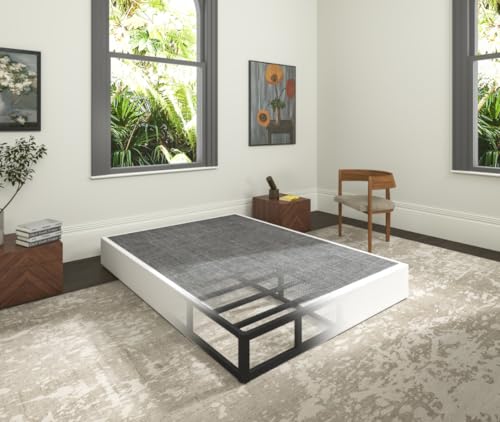
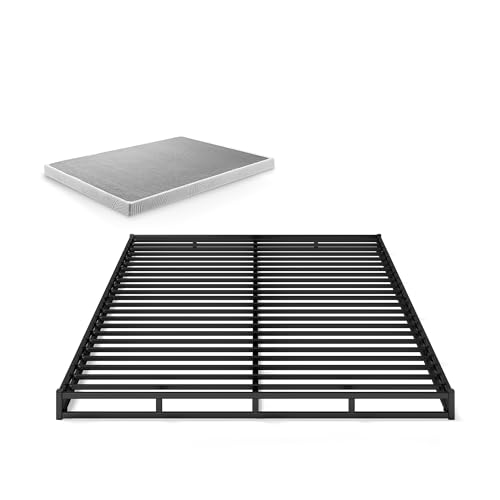
A slatted mattress foundation uses a wood or metal frame with evenly spaced slats instead of springs. This is the closest thing to a universal option since it works with innerspring, foam, latex, and hybrid mattresses alike, as long as the slat spacing matches what the manufacturer requires. If you're working with a metal bed frame that already includes a slat system, you may not need a separate foundation at all. This style also tends to be the easiest to find replacement parts for if a slat ever cracks or warps.
Adjustable Bases
Adjustable bases let you raise the head or foot of the bed and are compatible with most modern foam, latex, and pocketed-coil hybrid mattresses. They are not a fit for traditional innerspring mattresses with interconnected coils, which can't flex without damaging the coil grid. Because the motorized frame doubles as the support surface, you generally won't need a separate foundation underneath it.
Platform Beds as Built-In Foundations
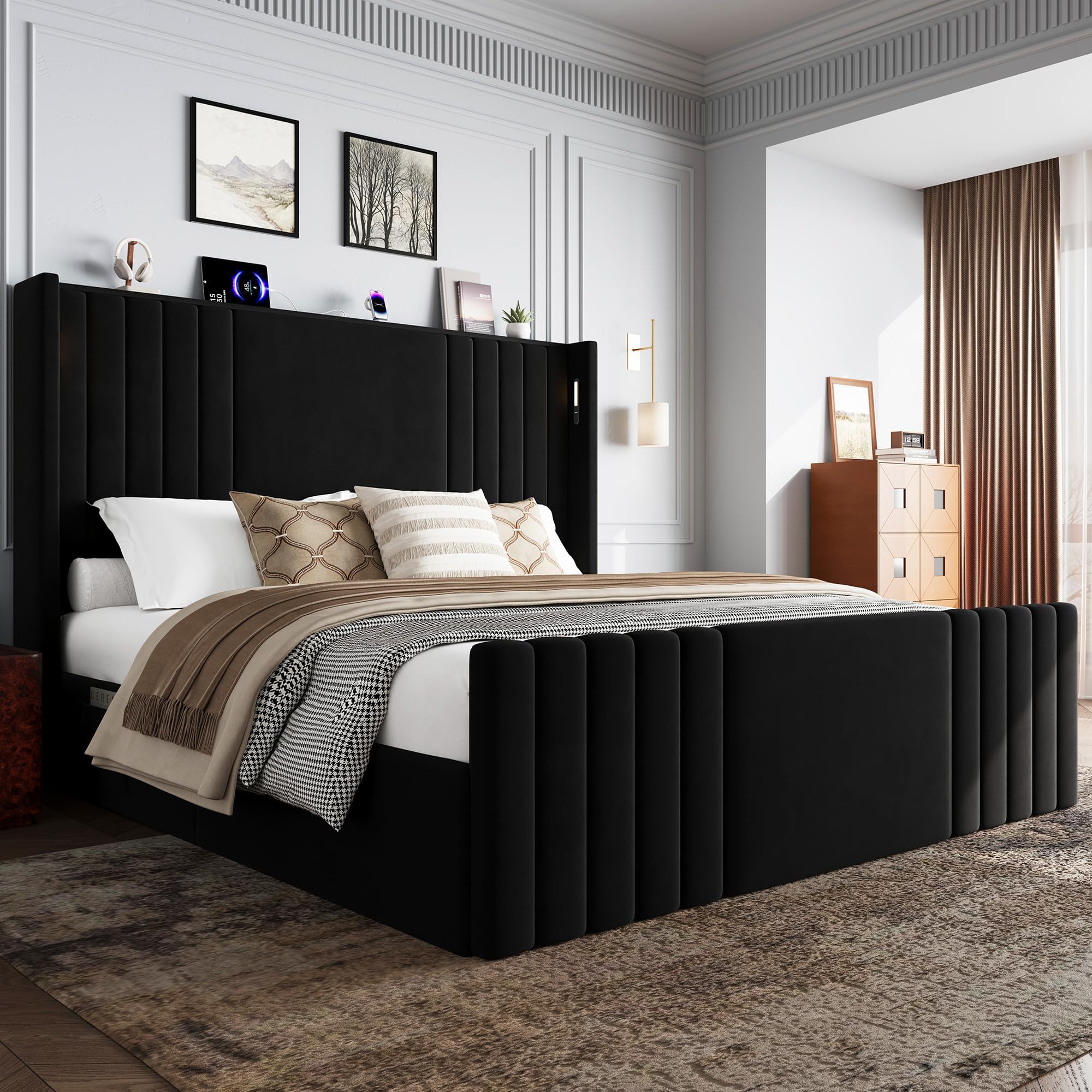
Many platform bed frames already function as a foundation, with slats built directly into the frame. If you own or are shopping for one of these, check the slat spacing before assuming your current mattress is compatible, since a frame that looks solid can still have gaps wider than what your mattress needs. Our guide to the best mattress for a platform bed covers which mattress types pair well with this setup.
Matching Your Foundation to Your Mattress Type and Warranty Terms
Every mattress warranty includes fine print about what counts as "proper support," and the mattress foundation underneath is where most warranty claims get denied.
Slat Spacing Rules by Mattress Type
Memory foam and latex mattresses generally need slats spaced no more than 2.75 to 3 inches apart. Wider gaps let the mattress sag between the slats over time, which manufacturers can point to as owner-caused damage rather than a defect. Innerspring mattresses are more forgiving because their internal coils add their own structure, but checking the spec sheet before buying is still worth the two minutes it takes. When in doubt, measure your current setup and compare it against the mattress brand's published requirements rather than assuming any foundation will work.
Weight Capacity and Center Support
Queen, king, and California king foundations need a center support leg or rail that touches the floor. Without it, the middle of the frame flexes under normal body weight, even when the slats themselves are properly spaced. This is one of the most common causes of a bed that develops a persistent squeak or dip within the first year. If yours has started making noise, our guide on how to fix a squeaky bed walks through diagnosing whether the frame or the foundation is the culprit. Weight capacity ratings also matter for two-person beds, since most foundations are rated well below the combined weight the mattress itself can handle.
Reading the Fine Print Before You Buy
Most manufacturers will ask for photos of your bed's support structure before honoring a warranty claim. Keep the original documentation for your foundation, including any spec sheet that lists slat count and spacing, so you have it on hand if you ever need to prove your setup met the requirements. A few extra minutes spent confirming compatibility with your specific mattress foundation before checkout can save a lot of frustration later.
Height, Profile, and Setup Considerations
Once you've settled on the right category and confirmed it fits your mattress, the remaining decisions come down to how the finished bed height and assembly work for your space.
Low Profile vs High Profile
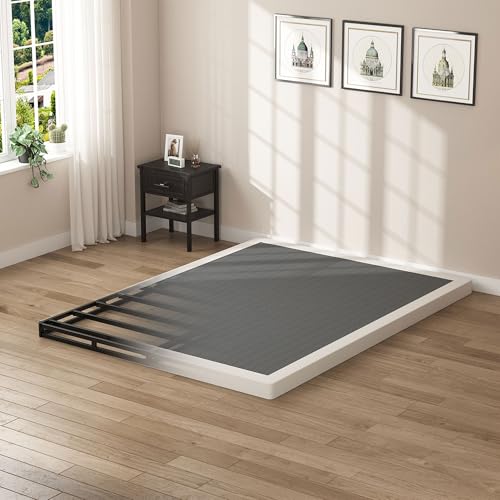
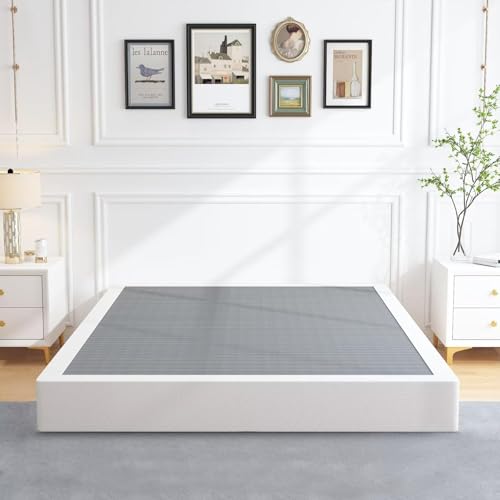
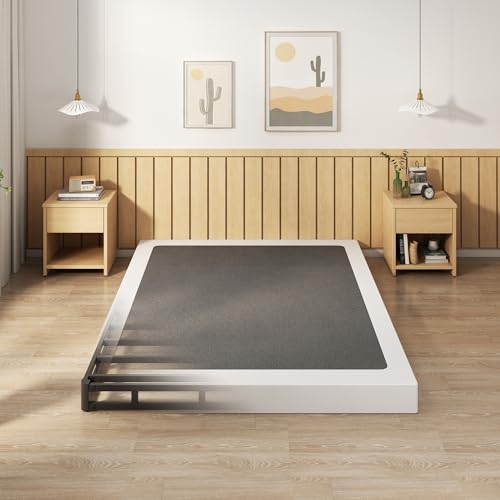
A mattress foundation typically comes in low profile heights around five to six inches and high profile heights closer to nine inches. A low profile foundation keeps the overall bed height manageable for shorter users, kids' rooms, or rooms with low windows, while a high profile option gives you easier access to under-bed storage and a more traditional bed height. Add the foundation height to your mattress thickness before you buy to make sure the finished bed still works with your headboard and bedding. This is easy to overlook when shopping online, since product photos rarely show the finished height next to a person for scale.
Getting the Center Support Right
If your foundation ships in pieces, don't skip the center support beam even if the bed feels sturdy without it during initial setup. Weight distributes unevenly once someone is actually sleeping on the mattress every night, and a missing center rail is the most common reason a seemingly solid frame starts to sag within months. It's worth double-checking the assembly instructions against what actually shipped in the box, since missing hardware is a common complaint with flat-packed foundations.
What a Foundation Actually Costs You Over Time
Box springs tend to be the cheapest upfront option, but they're also the most limited in terms of mattress compatibility and the shortest lived, since the internal coils wear out. A slatted mattress foundation costs more initially but lasts longer and works across more mattress types, which matters if you plan to replace the mattress before the foundation. Adjustable bases carry the highest price tag by a wide margin, largely because of the motorized components, but they replace the need for a separate frame and headboard base in many setups.
Factor in delivery too. Foundations are bulky, and some retailers charge separately for white-glove setup or old-frame removal, which can add a meaningful amount to the total once you account for it. If you're planning to buy a new mattress and foundation together, timing the purchase around a sale period can meaningfully change the total cost. Our guide on when to buy a mattress breaks down when retailers typically discount both, and bundling the two purchases often unlocks a better deal than buying them separately.
Frequently Asked Questions
Can I put a mattress directly on a floor instead of using a foundation?
You can, but airflow underneath the mattress will be limited, which can lead to moisture buildup and mold over time. Most manufacturers also void warranty coverage if the mattress isn't placed on an approved base.
Do I need a box spring if I have a platform bed?
No. Platform beds are designed to support a mattress on their own using built-in slats, so adding a box spring on top is unnecessary and can actually push the bed height too high.
How do I know if my current foundation is still good?
Check for visible sagging, squeaking when you shift weight, or slats that have shifted out of position. If the surface isn't flat and level anymore, it's time to replace it regardless of how old the mattress on top is.
Will using the wrong foundation void my mattress warranty?
Yes, in most cases. Manufacturers specify slat spacing, center support requirements, and sometimes even foundation brand compatibility, and claims are commonly denied when the support setup doesn't match those terms.
Can a bunkie board replace a full foundation?
A bunkie board, which is a thin, solid panel, can work as a low-profile alternative when slats are spaced too far apart, but it isn't a substitute for a properly built foundation on beds that need real weight distribution.
Do adjustable bases work with every mattress?
No. They're generally suited to foam, latex, and pocketed-coil hybrid mattresses that can flex. Traditional innerspring mattresses with interconnected coils usually aren't built to bend and can be damaged on an adjustable base.
The Bottom Line
Choosing the right mattress foundation isn't just about what fits your bedroom. It's about matching the support type to your specific mattress, keeping your warranty intact, and getting the height and setup right from the start. Take a few minutes to check your mattress manufacturer's requirements before you buy, and the foundation you choose will hold up for years instead of months.