
Best RV Keyless Entry Door Locks: A Complete Buying Guide
Disclosure: We may earn a commission when you buy through links on this page, at no extra cost to you. As an Amazon Associate I earn from qualifying purchases. Learn more
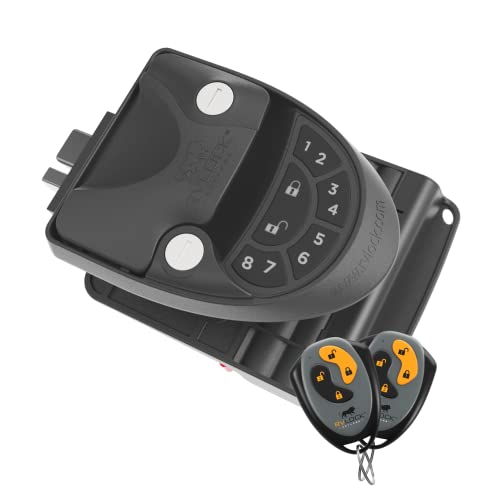
Fumbling for a key while your arms are full of camp chairs, a leash, and a bag of groceries gets old fast, especially when the door is barely a foot from your face and wobbling slightly because you just backed the rig into a site. That is the moment most RV owners start looking for a keyless entry lock. But the best rv keyless entry door locks are not the same hardware you would put on a house door. They run on 12V battery power instead of household current, they have to survive highway vibration and weather exposure, and they have to fit a door thinner than almost anything in a typical home. This guide covers what actually matters when you shop for one: power and battery life, weatherproofing, fitment, how your camping style changes the right pick, and what installation really involves.
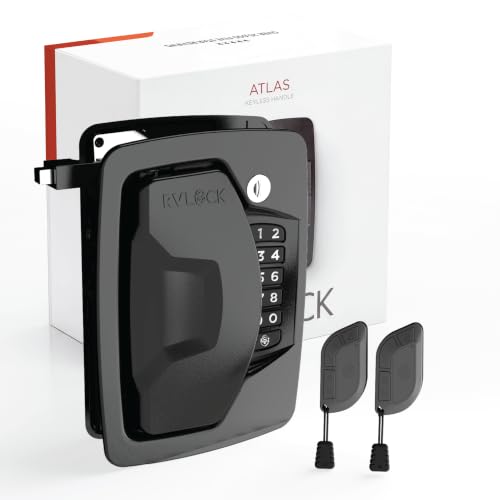
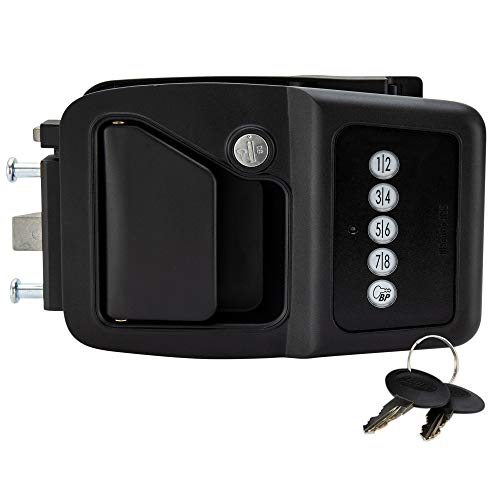
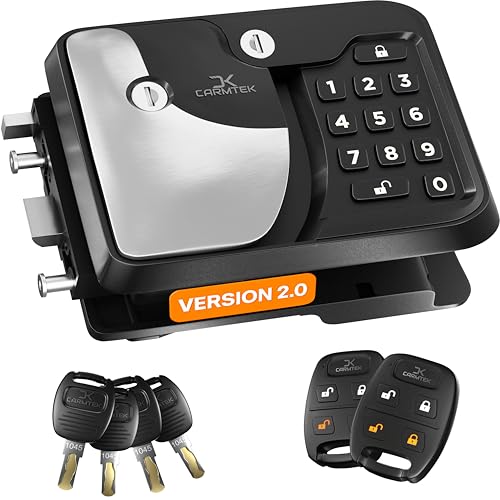

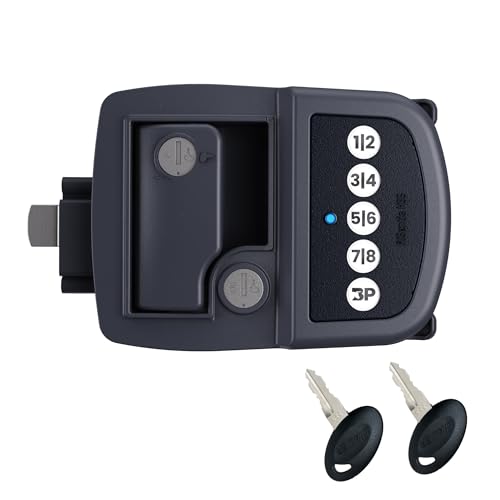
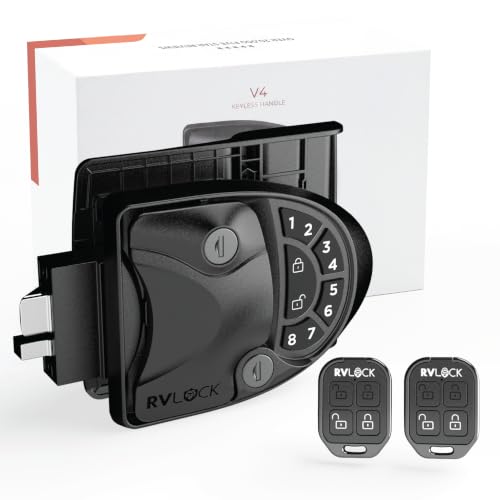
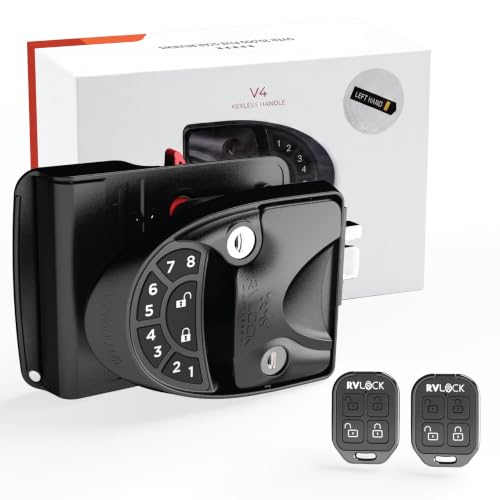
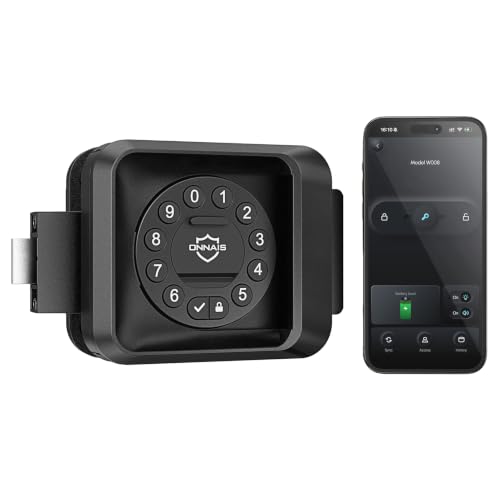
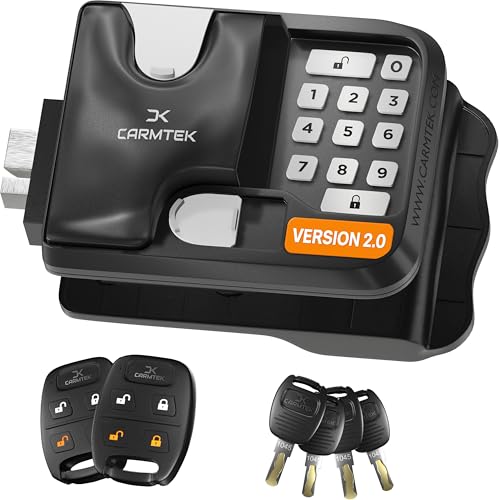
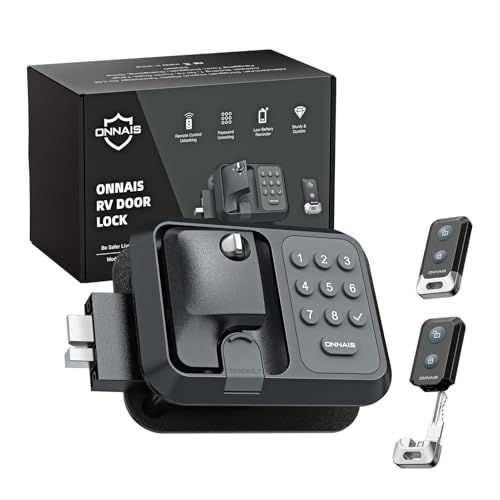
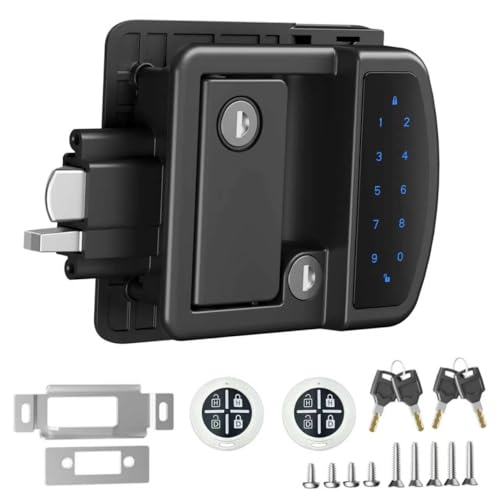
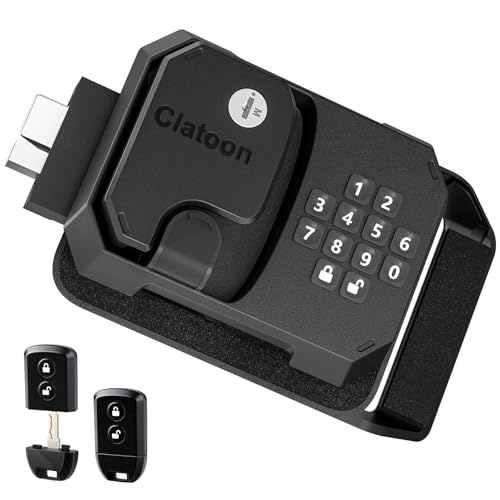

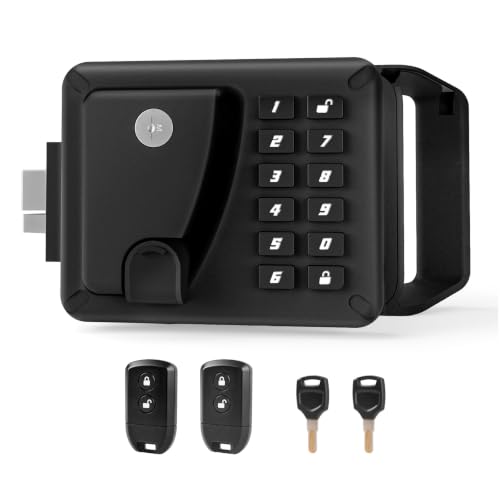
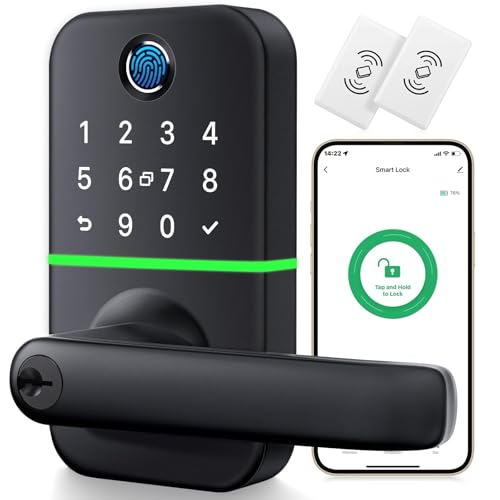
What Actually Matters in a 12V RV Keyless Entry Lock
Once you start comparing options, the best rv keyless entry door locks tend to separate from the rest on four fronts: power and battery life, weatherproofing and vibration resistance, fob range versus keypad reliability, and whether there is a mechanical backup you can actually use.
Battery Habits That Matter More on a Rig
Most keyless RV locks run on their own battery pack, typically a set of AA cells sealed inside the exterior handle, rather than tapping into your rig's 12V electrical system the way a home lock might tap into household AC. That independence is useful when you are boondocking with no shore power, but it also means battery management is entirely on you. A keypad-only lock sips power and can run for months between changes. Add a remote fob to the mix and the lock has to stay awake listening for a signal almost constantly, which drains batteries noticeably faster. Cold weather makes this worse, since alkaline batteries lose output as temperatures drop, which is exactly when you do not want to be locked out. Lithium AA batteries hold up better in freezing conditions and are worth the extra cost. Swap batteries on a schedule, once a season is reasonable, rather than waiting for a warning tone.
Weatherproofing and Vibration Resistance
A house door lock lives under an eave, mostly protected from rain and largely stationary. An RV lock lives outside full time, exposed to rain, road spray, dust, and sun, and it also has to survive the vibration of towing or driving for hours at a stretch. Look for a sealed housing with a real waterproof rating rather than a vague weather resistant claim, and check whether the manufacturer mentions vibration or cycle testing. A lock not built for constant vibration can develop loose internals, false triggers, or premature keypad wear far faster than the same lock would sitting still on a house door.
Remote Fob Range and Keypad Backup
A remote fob is genuinely convenient when your hands are full, but treat keypad access as the primary method and the fob as a bonus rather than the other way around. Fob range varies widely between models, and trees, metal awnings, and other rigs parked nearby can shorten it in practice. If your trailer or motorhome has two entry doors, check whether one system can control both, since running two completely separate keyless setups on the same rig gets confusing fast.
A Mechanical Key Override You Can Actually Reach
Every keyless RV lock should include a physical key override, and it should be more than a line on the spec sheet. Dead batteries, water intrusion, or a corroded circuit board can disable the electronic side of a lock without warning, and a hidden or hard-to-reach key cylinder does you no good on the road. Keep a spare key somewhere other than inside the RV, and test the override while the lock is still new so you are not learning how it works during an actual lockout.
Matching the Lock to Your Trailer or Motorhome Door
Cutout Size and Door Thickness
RV entry doors are built differently from a house door, and that difference is the first thing to check before comparing features. A typical travel trailer or fifth wheel opening runs close to 3.75 inches tall by 2.75 inches wide, with a door thickness around 1.25 to 1.5 inches, noticeably thinner than a solid residential exterior door. A lock listed as fitting the standard cutout is a starting point, not a guarantee, since manufacturers build locks around specific hardware families and two doors that look similar can still take different lock bodies. Measure your existing opening and door thickness before you order, and never drill, file, or enlarge the cutout to force a lock to fit. If a replacement does not match your rig's opening, the fix is finding the correct hardware family, not modifying the door.
Hinge Side, Latch Position, and Screen Door Clearance
Beyond raw dimensions, confirm the latch and deadbolt spacing, which side the door hinges on, and how much clearance you have for a screen door. A lock body even a fraction of an inch too deep can bind against a screen door track or interfere with the paddle handle's swing. If you are unsure how your current lock is configured, pull it and check the markings before shopping, since matching the existing hardware family is usually faster than measuring from scratch.
How You Camp Changes What You Need
Full-Time Living vs Weekend and Seasonal Trips
Someone living in their rig full time is opening that door a dozen times a day, which puts real wear on a keypad and makes reliable battery life a bigger deal than it would be for a rig that comes out of storage a few weekends a year. If you camp often, prioritize a lock with a track record for keypad durability and easy battery access, since you will be using the entry and replacing batteries far more than an occasional weekend camper will.
Boondocking, Storage Lots, and Long-Term Parking
Dry camping and boondocking mean no shore power and often long stretches without checking on the rig daily, so a lock that fails quietly, with batteries dying unnoticed, is a bigger risk than at a full-hookup site where you are in and out constantly. If your trailer spends the off season in a storage lot, weatherproofing matters even more, since it absorbs months of sun, rain, and temperature swings with nobody around to catch early warning signs like a sticking latch. Full-timers who already run other 12V RV appliances day to day are usually comfortable managing battery upkeep, which makes a keyless lock an easy addition rather than one more thing to worry about.
Installing a Keyless Lock Without Removing Your RV Door
Replacing a factory RV lock with a keyless model is usually a manageable weekend project, not a job that requires removing the door itself. Because RV doors use a pre-cut opening sized to a specific hardware family, a correctly matched replacement lock typically drops into the existing cutout and secures with a few screws, no carpentry required. A screwdriver and sometimes a drill for pilot holes are usually all you need, and most owners finish the swap in under an hour.
The catch is entirely in the fit, not the labor. If you ordered the wrong hardware family, no amount of careful work will make it click into place cleanly, and forcing it risks damaging the door skin or latch mechanism. If your rig has an unusual door thickness or the lock needs to control a second door, it is worth having a dealer or RV service center handle the swap. It is also a good moment to check your rig's house battery and deep cycle battery charger, since a healthy 12V system and fresh lock batteries both keep you from being stranded outside your own door.
RV Locks vs Home Keyless Entry: Why They're Not Interchangeable
It is tempting to assume any keyless lock will work anywhere, but RV and residential hardware solve different problems. A home keyless lock is usually built around AC power or a hub-connected smart lock ecosystem, a thick wood or fiberglass door, and a deadbolt sized to standard residential backset measurements. None of that translates to a rig that vibrates down the highway and sits outside in the weather year round. RV locks are built lighter, sealed against moisture, and sized for a much thinner door, while home locks are built for stationary use and often prioritize smart-home integration over vibration resistance. If you are shopping for a standard home entry door instead, our keyless entry lock guide covers what to look for there. For a door that tows and lives outdoors, the RV-specific criteria in this guide are the ones that matter.
Frequently Asked Questions
Can you install a keyless entry lock on an RV without power locks?
Yes. Most keyless RV door locks are self-contained, with their own battery-powered keypad and lock mechanism, so they do not require factory power locks or additional wiring. You are simply replacing the manual lock hardware with a battery-operated version that fits the same opening.
Why do RV doors have two locks?
Many RVs come with both a deadbolt and a paddle handle lock, or a similar dual-lock setup, as a basic security layer, since a single latch is easier to force than two independent mechanisms. When you upgrade to keyless entry, check whether the replacement lock covers both functions or whether you will still need a separate deadbolt.
Are RV door locks universal, or do they vary by brand and model?
They vary. RV manufacturers build doors around specific hardware families, so a lock that fits one trailer's cutout and latch spacing will not necessarily fit another, even if the listed dimensions look similar. Always confirm fitment against your actual door rather than assuming a listed cutout size guarantees compatibility.
How long do batteries last in an RV keyless entry lock?
A keypad-only lock can often run for several months on a set of AA batteries, but adding a remote fob shortens that considerably, since the lock has to keep listening for the fob signal. Cold weather also reduces battery output, so many RV owners replace batteries on a seasonal schedule rather than waiting for a low-battery warning.
Why would an RV keyless lock unlock on its own?
Unexpected locking or unlocking usually traces back to a stray signal from the remote fob, moisture that has worked its way into the housing, or battery corrosion affecting the internal circuitry. If it happens more than once, check the housing seal and battery compartment for water damage before assuming the fob itself is at fault.
What should you do if the batteries die and you're locked out?
This is exactly why a mechanical key override matters. Keep a spare key stored somewhere other than inside the RV, a lockbox on the tow vehicle works well, so a dead battery never turns into being stranded outside your own rig.
Do RV keyless entry locks work reliably in cold weather?
Reliability depends mostly on the batteries, not the lock's electronics. Lithium batteries hold their charge better than alkaline in freezing temperatures, so switching to lithium is one of the simplest ways to keep a keyless lock working through a cold-weather trip.
Making Your Decision
Picking the best rv keyless entry door locks comes down to matching hardware to how your rig actually lives on the road, not just picking whichever option has the longest feature list. Get the fitment right first: cutout size, door thickness, and latch position rule out anything that will not physically work before you look at power or fob range. From there, weigh battery type and weatherproofing against how often you camp and whether the rig sits in storage for long stretches. A lock with a solid mechanical key override, a sealed housing, and battery habits you will actually keep up with will serve you better than one with extra features you will rarely use.