Best Roller Skates for Kids: A Complete Buying Guide
Disclosure: We may earn a commission when you buy through links on this page, at no extra cost to you. As an Amazon Associate I earn from qualifying purchases. Learn more
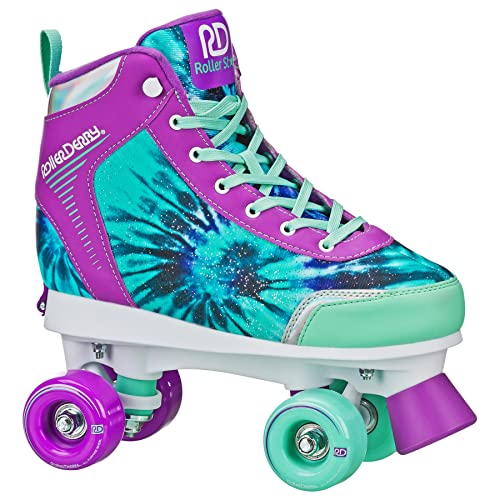
A child's feet do not sit still for long. A skate that fits perfectly in spring can feel cramped by fall, and a boot borrowed from an older sibling's hand-me-down box often does more harm than good. Roller skates for kids come with a different set of priorities than skates built for teens or adults: growth room, a closure a small child can manage, wheels forgiving enough for a wobbly first push-off, and a boot light enough not to drag down tired legs. This guide walks through those priorities so you can match a pair to your child's age, skill, and where they'll actually skate.

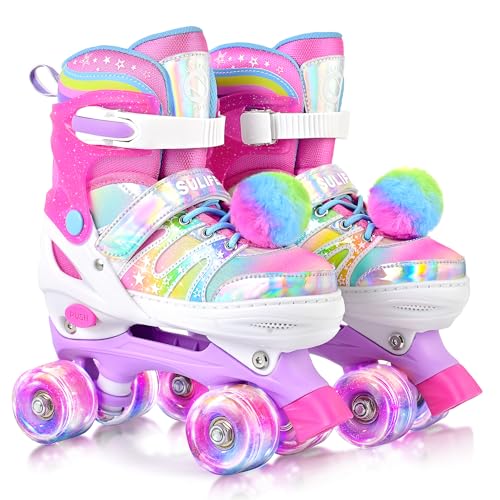
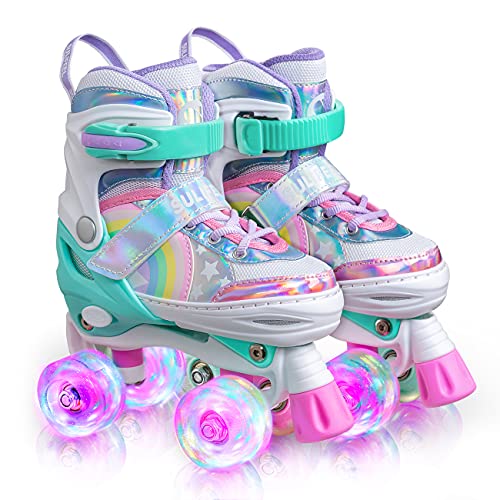
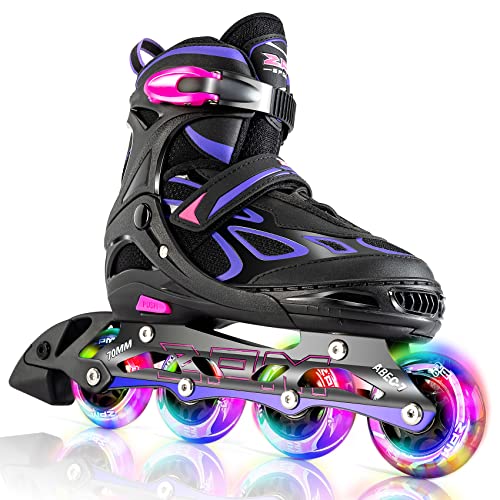
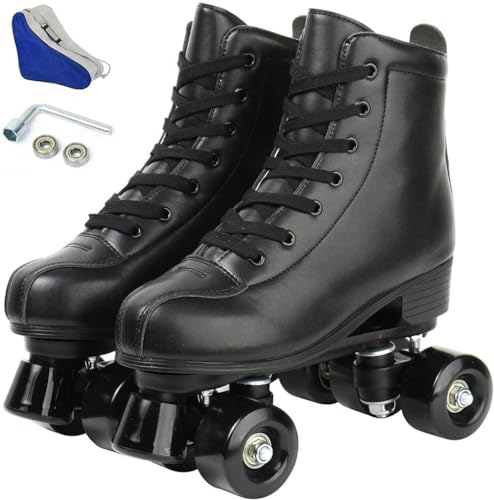
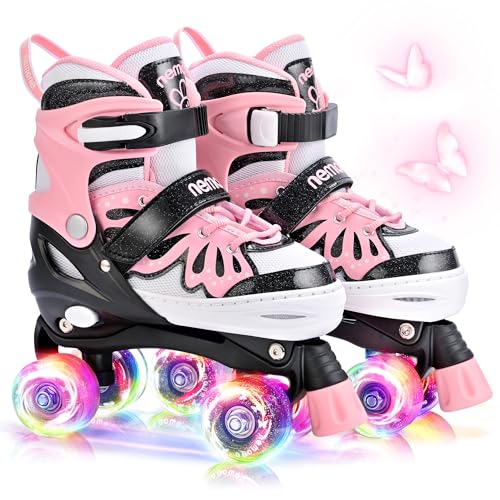
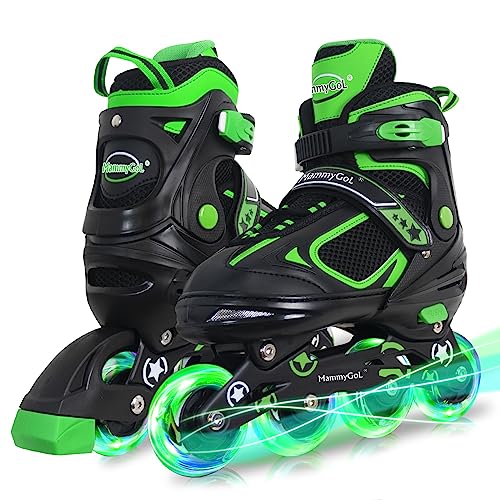
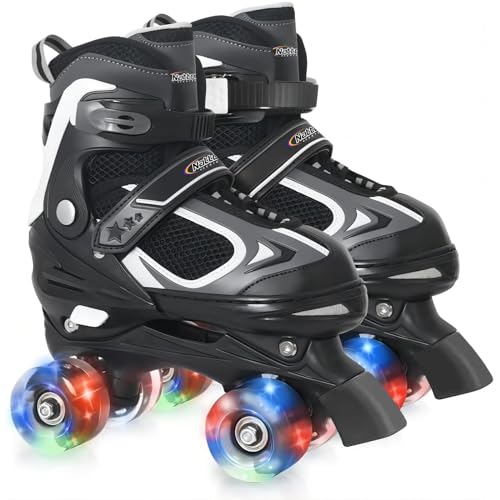
Why Kids' Skates Need Their Own Set of Rules
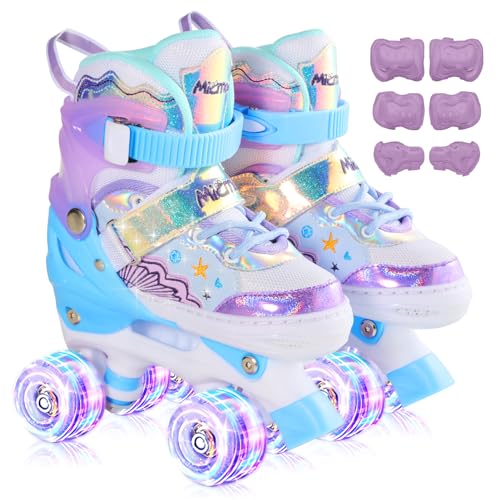
Scaling down an adult skate design rarely works well for a young beginner. Kids have less ankle strength, shorter attention spans for learning technique, and feet that change size several times before they're finished growing. A skate built specifically for children accounts for all three: softer support that still holds the ankle upright, a simplified closure, and sizing that adjusts instead of forcing a new purchase every few months. Treat those differences as the starting filter before comparing any other feature.
Sizing That Keeps Pace With Growing Feet
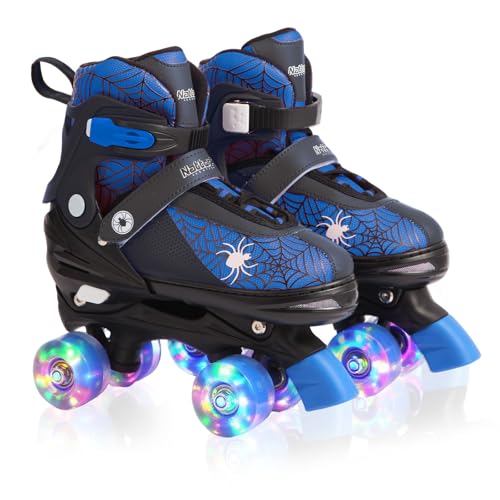
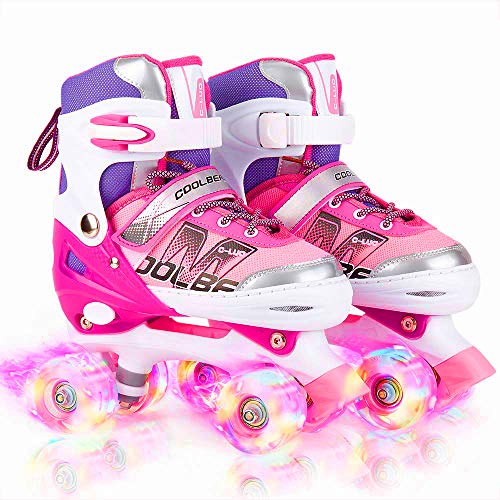
Most kids move through two or three shoe sizes in a single year, which makes a fixed-size skate a short-lived investment. Adjustable models solve this with a slide mechanism or push-button dial built into the sole, usually covering a span of three to four sizes in one pair.
How Adjustable Sizing Works
Pressing a button or twisting a dial extends the shell of the boot while the internal lining stays roughly the same shape. This lets one pair track a growing foot over a year or more without a full ankle refit each time. Measure your child's foot heel to toe with them standing, then check that measurement against the size range printed on the box rather than guessing from their regular shoe size, since skate sizing rarely matches street shoes one for one.
When to Size Up (and When Not To)
It's tempting to buy toward the top of an adjustable range so the skates last longer, but a boot set too loose undermines balance from the first try. Keep the current setting snug, with just enough room to wiggle the toes, and move the slider up only as the foot actually grows. A skate that's too big teaches bad habits, like leaning on the ankle instead of the arch, that are hard to unlearn later.
Closures a Child Can Manage Without Help
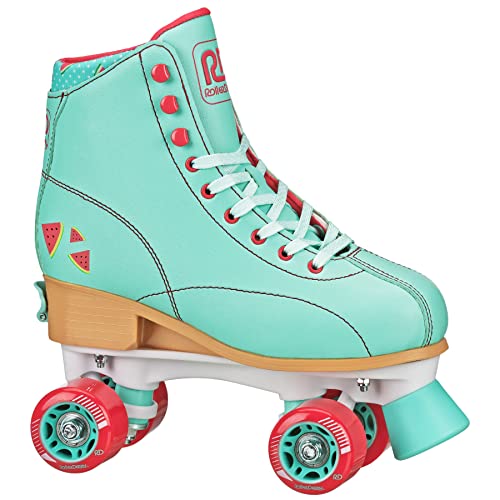
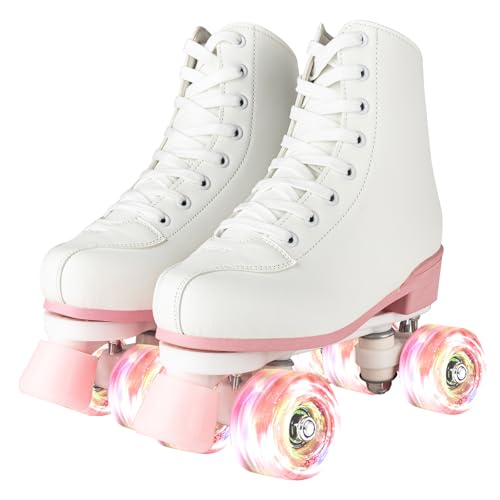
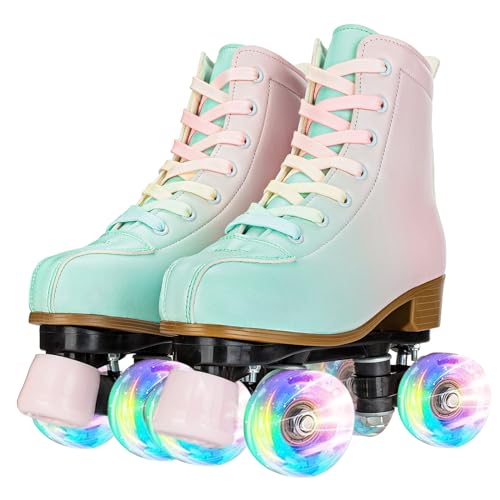
A skate that fits well on paper still fails if a five-year-old can't get it tight enough alone. Wide Velcro straps remain the easiest closure for younger kids to pull snug themselves, since they don't require the fine motor control that laces or ratchet buckles demand. For a child who's already skating confidently, a top strap paired with laces can add a more precise, locked-in fit, but that's usually a step to introduce once basic balance is solid rather than on day one. Whichever closure you pick, have your child sit down and practice tightening it themselves before the first skate session, so struggling with straps doesn't cut a practice run short.
Wheels for Rink Nights and Driveway Practice
Wheel hardness is graded on a durometer scale, and most kids end up skating in more than one setting: a smooth rink floor at a birthday party, then the driveway or sidewalk the next weekend. Dedicated indoor wheels, rated in the low 90s and up, roll fast on polished floors but feel harsh and skittery on rough pavement. Dedicated outdoor wheels sit closer to 78A to 85A, soft enough to absorb cracks and pebbles but too grippy and slow for a rink floor. Because kids rarely stick to one surface, many children's skates ship with a hybrid wheel around 85A, a middle ground that handles both settings reasonably well without needing a second set of wheels. If your child ends up skating outdoors most weekends as they get older, our outdoor roller skates guide covers the softer wheel and bearing specs worth stepping up to at that stage.
Weight and Boot Stiffness for Small Bodies
A heavy boot tires small legs fast, which is one reason kids give up on skating before they've had a real chance to get comfortable. Look for lighter shell materials and a boot that flexes at the ankle joint without collapsing sideways when weight shifts. Too much stiffness fights natural movement and makes pushing off feel clumsy, while too little support lets the ankle roll inward on turns. A well-built kids' skate sits in between: firm enough to keep the joint stacked over the wheel, soft enough to bend with a stride that's still developing.
Frame material plays a smaller but real role in overall weight too. Plastic or composite plates keep the whole package light, which matters more for a young beginner than the added stiffness a metal plate offers. Save the sturdier, heavier builds for older kids who skate often enough to notice the difference in energy transfer, and let a first pair prioritize ease of movement over performance extras.
Quad or Inline for a First-Time Skater
For a child who has never skated before, quad skates are usually the more forgiving starting point. Two wheels in front and two in back create a wider platform under each foot, and the front toe stop mirrors the instinct kids already have to dig a toe in and stop while running. Inline skates ask more of a beginner's balance and use a heel brake that takes longer to master, which is why most families treat them as a follow-up once a child has a season or two of quad skating behind them, not a first purchase.
Building Confidence Safely
Readiness usually shows up somewhere between three and five years old, once a child can stand and take a few steps without holding on to an adult for balance. A helmet built for wheeled sports, plus wrist guards and knee and elbow pads, should be treated as part of the purchase rather than an optional extra; our skateboard helmet guide breaks down the fit and certification details that apply here too. Let your child practice standing and taking small steps without constant hand-holding, since too much support early on slows down real balance development. Once they can glide a few feet on their own, add stopping practice on flat, open ground before letting them skate near curbs, stairs, or other kids. If your child seems hesitant about skates altogether, a kick scooter offers a gentler way to build the same confidence and balance first, and plenty of families use one as a bridge toward skating later.
Frequently Asked Questions
What age can a child start roller skating?
Most kids are ready somewhere between three and five, once they can stand and walk a short distance without holding your hand for balance. Some children get there earlier and some later, so let their own coordination guide the timing rather than a strict age cutoff. If a toddler isn't quite ready, a balance bike builds similar core stability that makes the jump to skates easier down the road.
How do I find the right roller skate size for my child?
Trace your child's foot on paper while they're standing, measure heel to toe, and compare that number to the brand's own size chart instead of their everyday shoe size. Aim for a snug fit with roughly a thumb's width of space at the toe, not extra room to grow into right away.
Are quad skates safer than inline skates for kids?
Quad skates tend to be the safer starting choice because their wider stance and front toe stop are easier for a beginner to control. Inline skates can work well later, once a child has built up balance and grown comfortable braking with their heel.
What wheel hardness is best for a child who skates both indoors and outdoors?
A hybrid wheel around 85A durometer handles both settings reasonably well, which suits most kids who split time between a rink floor and a driveway or sidewalk. Dedicated soft outdoor wheels or hard indoor wheels only make sense once a child skates almost exclusively in one setting.
How many sizes do adjustable kids' skates typically cover?
Most adjustable models span three to four sizes through a sliding or push-button mechanism built into the sole. That range usually buys a full year or more of use before a new pair is needed.
What protective gear does a beginner need?
Plan on a helmet designed for wheeled sports, wrist guards, and knee and elbow pads at minimum. Wrist guards matter especially early on, since new skaters tend to catch falls with their hands first.
Helping Your Child Roll With Confidence
The right pair of kids' roller skates comes down to matching growth room, a closure your child can actually manage, and wheels suited to where they'll skate most. Get those basics right and the rest, balance, speed, and confidence, tends to follow with practice. Start on flat, familiar ground, keep the gear appropriate to your child's size right now, and let their skill build at its own pace.