Best Kick Scooter for Kids: A Complete Buying Guide
Disclosure: We may earn a commission when you buy through links on this page, at no extra cost to you. As an Amazon Associate I earn from qualifying purchases. Learn more
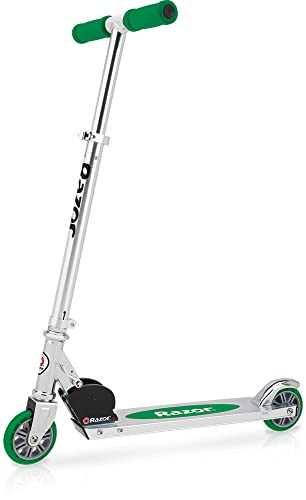
Finding the best kick scooter for kids comes down to matching the ride to your child's balance, height, and where they'll actually use it. Unlike electric or motorized scooters, a kick scooter runs entirely on leg power, which makes it a genuinely good tool for building coordination, leg strength, and confidence on wheels. The right choice looks different for a wobbly three year old than it does for a steady eight year old who already rides a bike without training wheels. Wheel count, deck height, handlebar adjustment, and braking style all shift as your child grows. This guide walks through what actually matters at each stage, how to size a scooter correctly, and where kids tend to ride most, so you can pick one that fits your child now and keeps up as their skills improve.

Two Wheels or Three: Matching the Scooter to Your Balance Stage
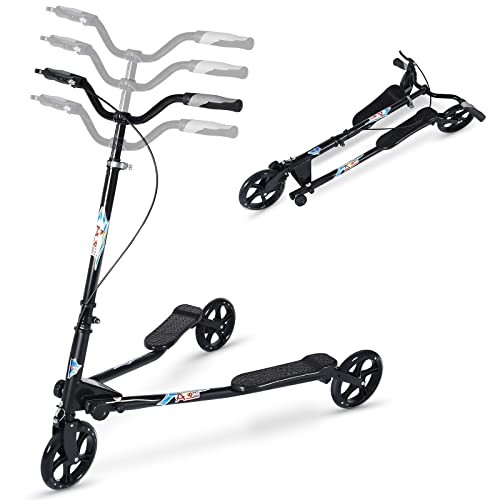
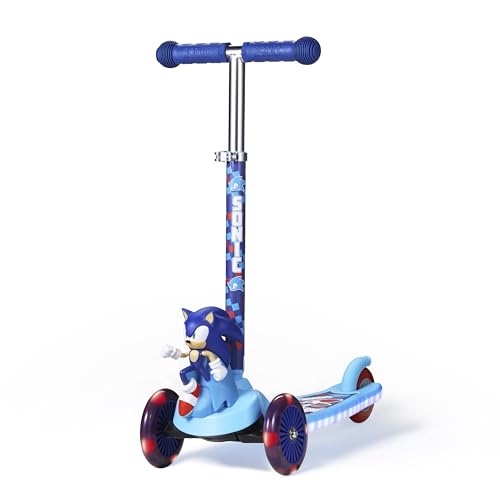
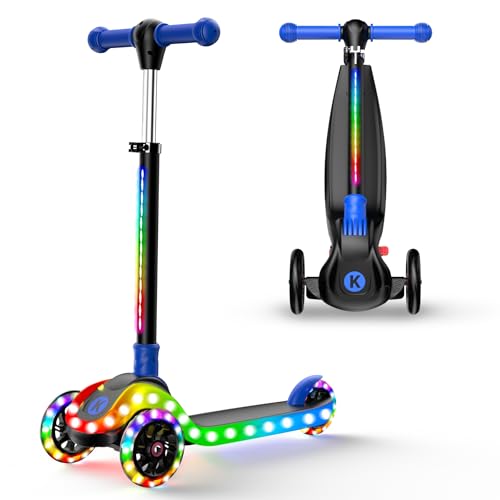
The single biggest fork in the road is wheel count, and it maps almost directly to age and riding experience. Three-wheel scooters use two wheels up front and steer by leaning, which means your child shifts their body weight toward a turn instead of twisting the handlebars. That lean-to-steer setup is far more forgiving for a rider who is still learning to balance, and the wider stance keeps the scooter upright even when a foot placement is a little off.
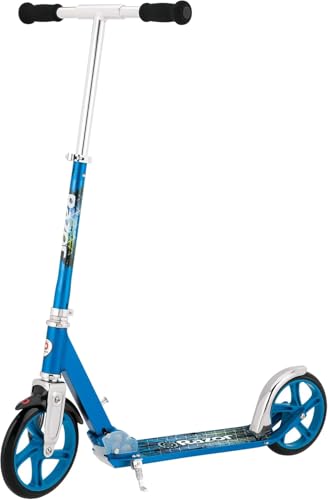
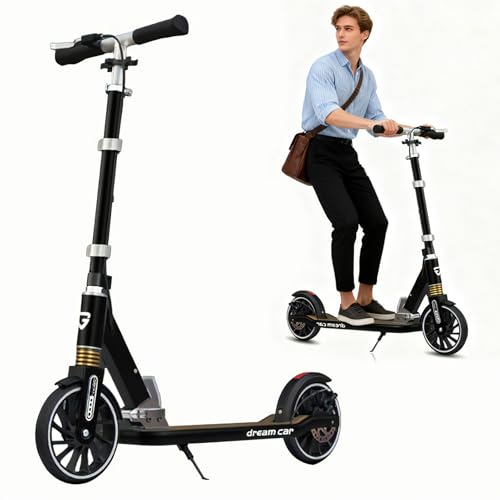
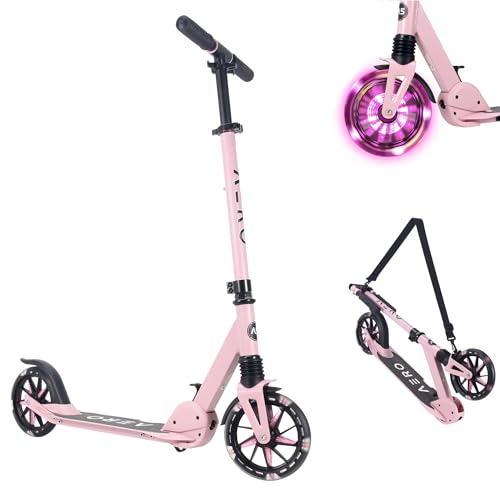
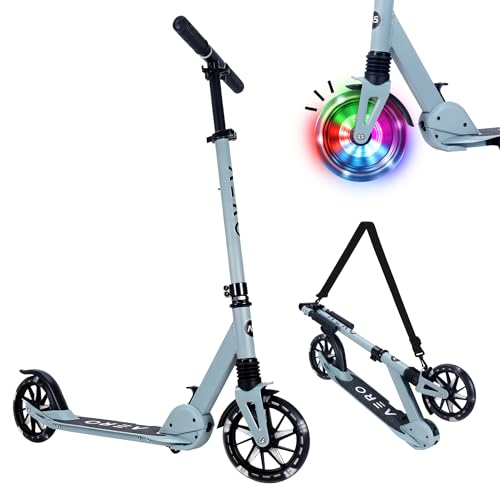
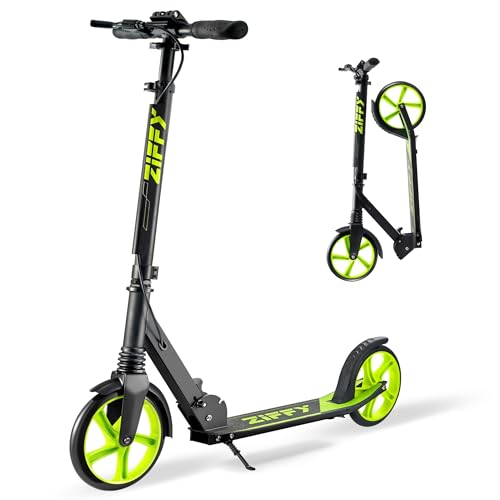
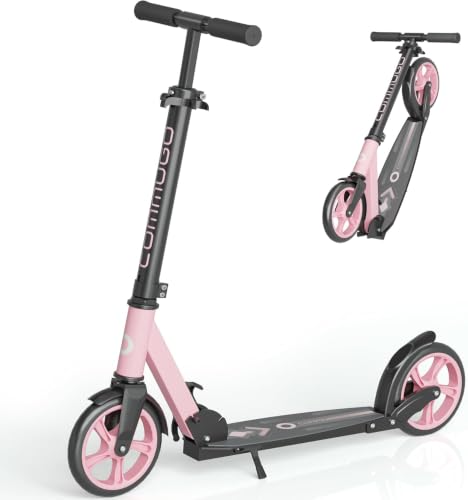
Two-wheel scooters work more like a bicycle. They steer through the handlebars, need a bit of speed to stay balanced, and reward a rider who already trusts their own sense of balance. Kids typically move from three wheels to two somewhere between four and six years old, though the real signal isn't a birthday. It's whether your child can start, stop, and turn on their current scooter without thinking hard about it. If they're still concentrating on staying upright, a two-wheel model will just add frustration. Picking the best kick scooter for kids at this stage really comes down to matching wheel count to current balance skill, not the model that looks the fastest on the shelf.
Getting the Fit Right: Handlebar Height and Deck Size
Handlebar Height
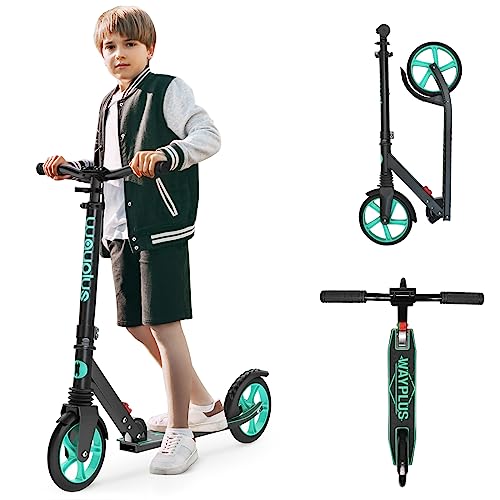
A properly fitted kick scooter has handlebars sitting somewhere between hip and belly-button height when your child stands next to it, never up near the chest or neck. Riding with the bars too high forces awkward shoulder posture and makes steering sluggish; too low and your child ends up hunched over the deck. Adjustable stem scooters solve most of this, letting the bars climb an inch or two at a time as your child grows instead of forcing a whole new purchase.
Deck Height and Weight Capacity
Deck height matters more than people expect. A low deck means less effort per push and a lower center of gravity, both of which help newer riders. Every model also lists a maximum rider weight, and it's worth checking that number rather than assuming a scooter marketed for kids fits every kid; a lightweight starter scooter meant for a toddler-and-up crowd may top out well below what an older, taller child weighs.
Wheels, Deck Grip, and How the Scooter Stops
Wheel material and size affect ride quality more than most parents realize. Polyurethane wheels roll smoother and quieter than the hard plastic wheels found on bargain scooters, and larger wheels roll over sidewalk cracks and small pebbles without jolting to a stop. Smaller wheels keep the scooter lighter and easier for little arms to carry, which is a real tradeoff worth weighing against where your child rides.
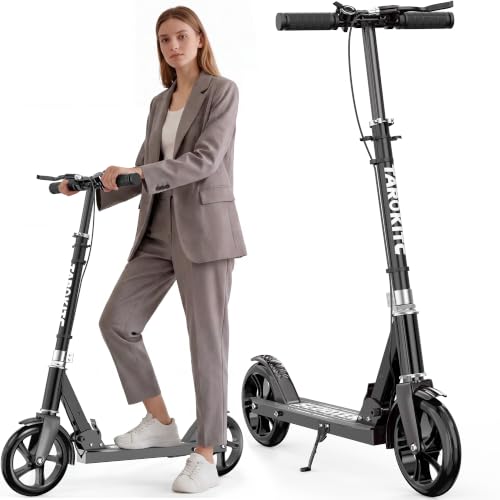
Braking style is a genuine safety question, not a minor spec. Younger kids generally do better with a simple rear foot brake, since it only asks them to shift weight onto the back wheel, a motion that feels natural even for a first-time rider. Older, more experienced riders can handle a bicycle-style hand brake, which stops faster and doesn't require lifting a foot off the deck mid-ride. The deck surface itself should have a textured or grip-taped finish; a smooth deck gets slippery fast once shoes pick up any moisture or dust.
Sidewalk Cruiser or Skate Park Regular?
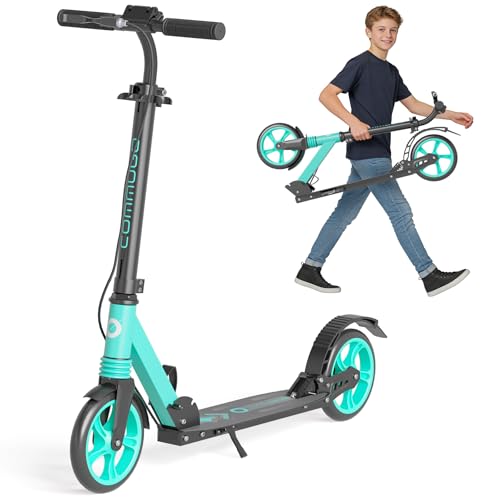
How your child actually plans to ride should shape the build you choose. A scooter meant mostly for driveways, sidewalks, and the school run benefits from a lightweight aluminum frame and a quick folding mechanism, since it will get carried up stairs and stashed in a hallway more often than not. That same lightweight frame usually isn't built to survive drops off curbs or ramps.
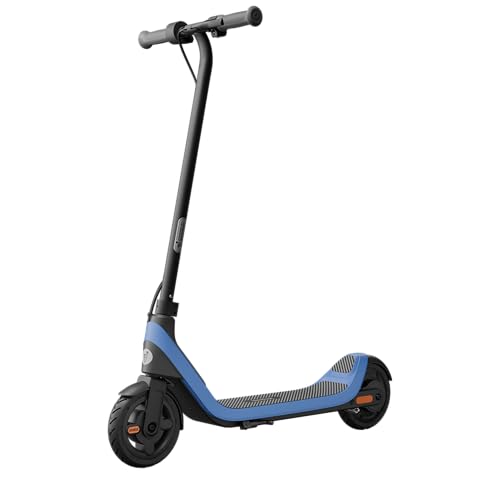
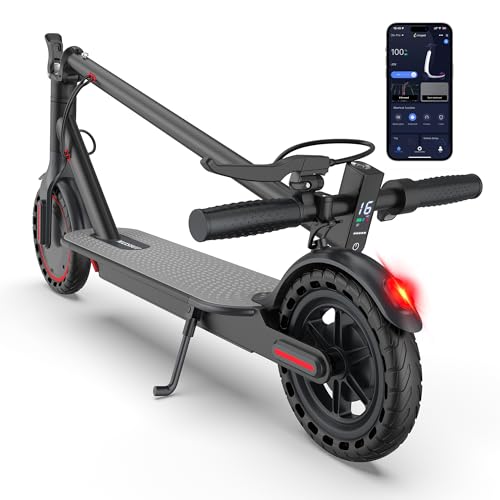
Kids who want to try a skate park need a sturdier steel or reinforced frame that can absorb hard landings, along with a wider deck for foot placement during tricks. If your family is choosing between a foot-powered model and a battery-powered scooter for older riders, keep in mind that a kick scooter's simplicity, no charging, no throttle, no speed limiter to worry about, is exactly what makes it a better first scooter for building fundamentals before adding a motor into the mix. For a toddler who is just starting out, a dedicated scooter built for younger riders will usually fit better than a scaled-down version of an older kid's model. Getting this best kick scooter for kids decision right early on tends to save a second purchase a few months later.
Frequently Asked Questions
What age can a child start riding a kick scooter?
Most kids can start on a three-wheel scooter around age two to three, once they can stand and walk steadily on their own. A parental push handle on some models helps bridge the gap before they can propel themselves.
Should I choose a two-wheel or three-wheel scooter?
Choose three wheels for a beginner who is still developing balance, and two wheels once your child can confidently start, steer, and stop without wobbling. Most kids make that switch somewhere between four and six.
How do I know if the handlebar height is correct?
Have your child stand beside the scooter; the handlebar grips should land between their hip and belly button. If the bars sit near the chest or well below the waist, adjust the stem or size up.
What's a safe weight limit to check before buying?
Every scooter lists a maximum rider weight, usually printed on the deck or in the product specs. Leave some buffer above your child's current weight so the scooter still has room to grow with them.
Do kids need a helmet on a kick scooter?
Yes. A properly fitted bike or multi-sport helmet is worth using every ride, even on short driveway trips, since falls happen most often while a child is still learning balance and braking.
Foot brake or hand brake, which is safer for a young rider?
A rear foot brake is usually safer for younger or newer riders because the motion feels natural and doesn't require letting go of the handlebar. Hand brakes suit older kids with more scooter experience.
When should I size up to a bigger scooter?
If the handlebars can't adjust any higher, your child's knees bump the front wheel while riding, or they've clearly outgrown the listed weight limit, it's time to move up to the next size.
Building Balance, One Push at a Time
A kick scooter rewards patience more than speed, and the right fit does more for a child's confidence than any flashy feature. Start with what matches your child's current balance and skill, not their age on paper, and let the handlebar and deck adjust as they grow into the next stage.