Best Robot Vacuum Cleaner Under $500 In 2026: Top Picks For Every Home
Disclosure: We may earn a commission when you buy through links on this page, at no extra cost to you. As an Amazon Associate I earn from qualifying purchases. Learn more
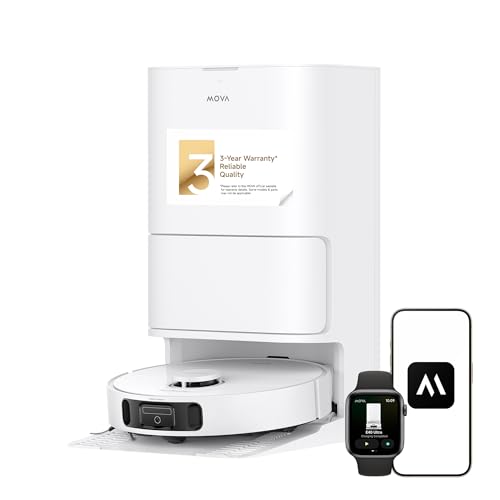
The robot vacuum market has undergone a dramatic shift in the last two years. Features that used to justify $1,200+ price tags LiDAR navigation, self-emptying bases, AI obstacle avoidance, and smart room mapping have migrated into the under-$500 robot vacuum segment, fundamentally changing what shoppers can expect at this price point. In 2026, a $400 robot vacuum can genuinely compete with machines that cost three times as much on the metrics that matter most for daily home cleaning.
Whether you're searching for the best budget robot vacuum with self-emptying, the best robot vacuum for pet hair under $500, or a capable robot vacuum and mop combo that doesn't drain your bank account, this guide has a clear pick for you.
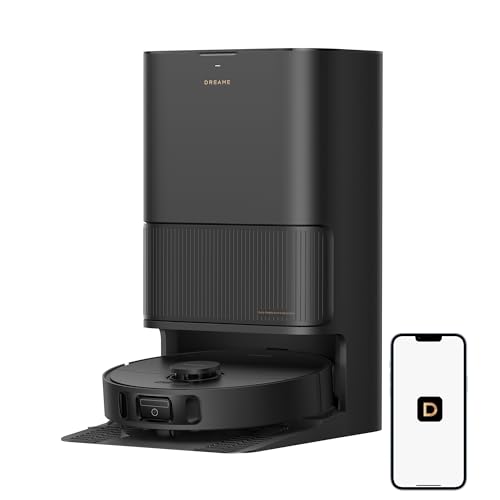
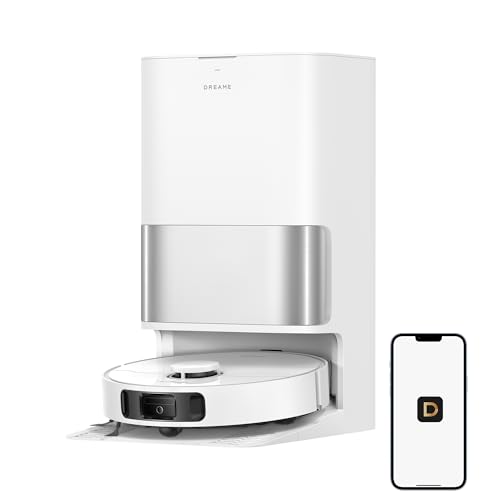
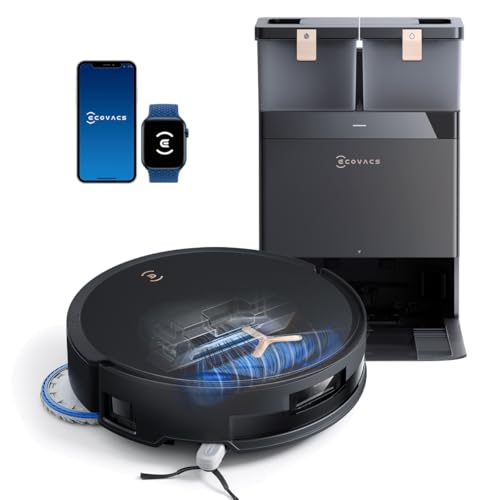
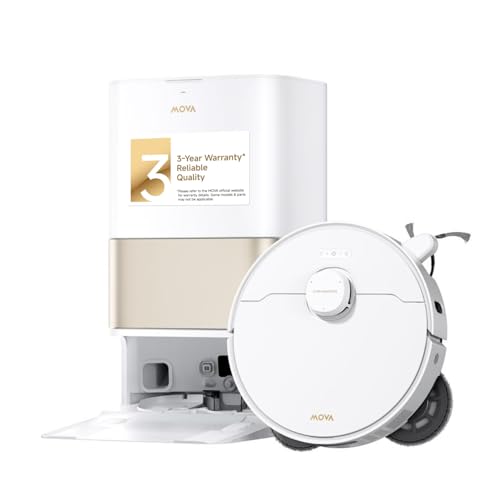
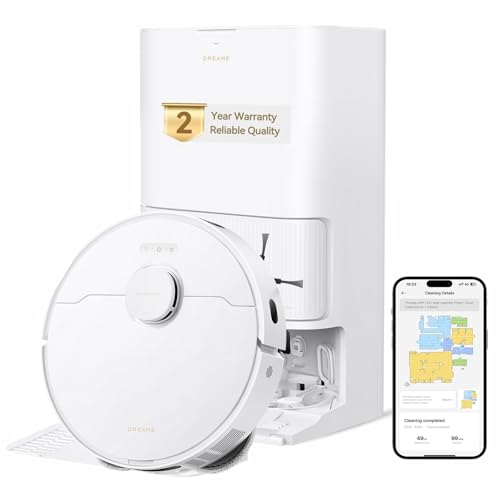

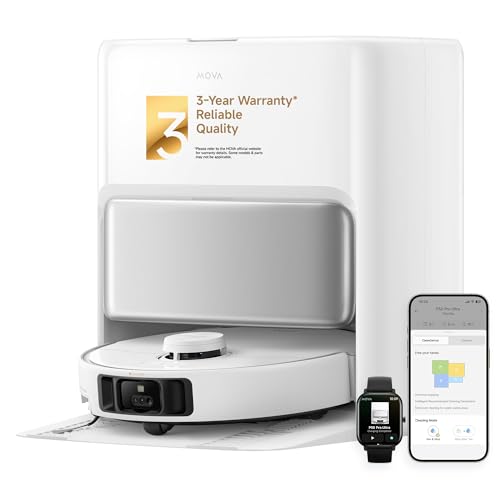
We synthesized independent testing from Vacuum Wars (150+ robot vacuums tested with a strict no-sponsorship policy), Consumer Reports (2023–2025 member survey data covering 12,800+ robotic vacuums), Tom's Guide, TechGearLab, RTINGS, and Modern Castle to identify the five best robot vacuum cleaners under $500 in 2026, one clear winner per category.
What $500 Now Buys You in Robot Vacuums — And What It Doesn't
Before the picks, here's the most important context for shopping in this price range in 2026.
What you CAN get under $500
- LiDAR navigation — laser-based room mapping that creates accurate floor plans, enables room-specific cleaning, and dramatically reduces the "random bouncing" behavior of older infrared-only robots
- Self-emptying bases — the single most impactful convenience feature; the robot returns to its dock and automatically deposits debris into a larger container, reducing how often you interact with the vacuum to once every 30–60 days
- App-based smart mapping — assign room names, set no-go zones, schedule room-specific cleans, and monitor cleaning progress from your phone
- Anti-tangle brush rolls — rubber or silicone brush designs that resist hair wrap, critical for pet owners and households with long hair
- Basic mopping capability — vibrating or spinning mop pads for light hard-floor maintenance (more on limitations below)
What you WON'T reliably get under $500:
- Auto mop washing and drying — the ability to automatically clean soiled mop pads is largely reserved for $700+ machines
- Advanced obstacle avoidance — cameras and structured light sensors that recognize and avoid socks, cables, and pet waste are more common at higher price points
- Multi-floor mapping — storing maps for 2+ floors is increasingly available at $500 but still inconsistent in this range
- High-pressure mopping — truly effective scrubbing (as opposed to light damp wiping) generally requires $600+ machines
With that context established, here's what the best machines at this price tier actually deliver.
5 Best Robot Vacuum Cleaners Under $500 in 2026
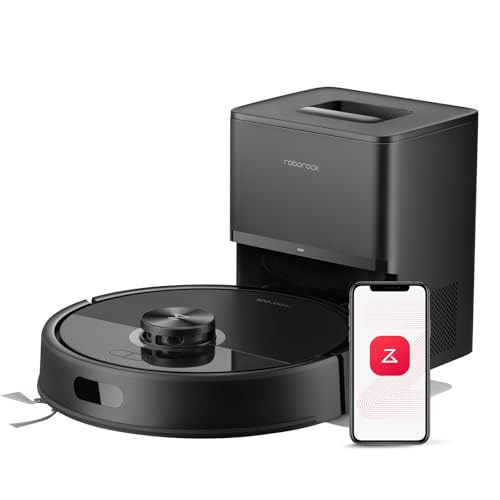
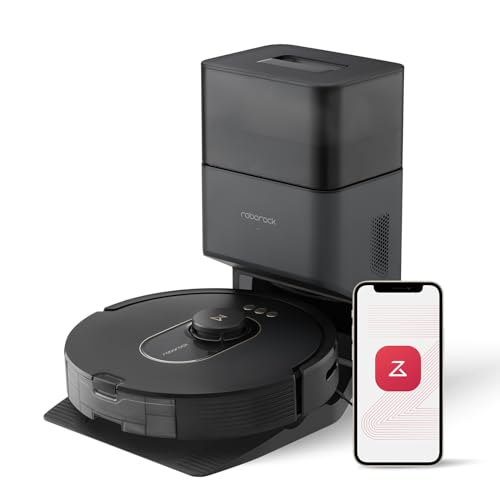
1. Roborock Q5 DuoRoller+ — Best Overall Robot Vacuum Under $500
Why it tops the list: Vacuum Wars the most rigorous independent robot vacuum testing operation on YouTube with over 300,000 subscribers and a strict no-sponsorship policy consistently places the Roborock Q-series at the top of the $300–$600 price range in their ongoing rankings. The Roborock Q5 DuoRoller+ represents Roborock's most compelling value proposition under $500: a machine that delivers cleaning performance previously found only in much more expensive models, anchored by the brand's best-in-class app ecosystem and LiDAR navigation.
The Q5 DuoRoller+'s standout engineering feature is its dual-brush DuoRoller system two interlocking rubber rollers that work in tandem to agitate and extract debris from carpets and hard floors simultaneously. This design produces measurably stronger cleaning results than the traditional single-brush-plus-bristle setup used by most competitors at this price. The 5,500 Pa of suction (more than twice the power of the Shark IQ's estimated 2,000 Pa) combined with the DuoRoller brush generates the kind of deep-carpet extraction normally associated with $600+ machines.
Roborock's PreciSense LiDAR navigation is another genuine differentiator: the laser-based room mapping creates accurate, persistent floor plans that allow room-level scheduling, no-go zone configuration, and cleaning history tracking through the Roborock app. Tom's Guide praises Roborock's app as one of the most polished and feature-complete in the robot vacuum category an assessment echoed across multiple publications. The robot recharges and resumes mid-clean on large floor plans, so a single cleaning cycle genuinely covers the full home regardless of size.
The self-emptying dock holds debris for up to 7 weeks, and Roborock uses sealed bag-style collection that keeps allergens contained during emptying a meaningful advantage over bagless self-empty systems. The Q5 doesn't mop, which some shoppers will find limiting for mop capability at this price, the Roborock Qrevo QV35A (below) is the upgrade path within the same brand ecosystem.
Key Specs & Features:
- 5,500 Pa HyperForce suction
- DuoRoller dual rubber brush system anti-tangle design
- PreciSense LiDAR 3D mapping
- Self-emptying dock up to 7-week capacity (sealed bag)
- Adaptive route algorithm adjusts cleaning pattern to room layout
- App control: room-specific cleaning, no-go zones, scheduling
- Alexa, Google Home, and Apple Siri compatible
- Battery: up to 180 minutes runtime
Pros:
- Among the strongest suction power in this price range
- DuoRoller dual brush produces noticeably better carpet and hard floor results
- Best-in-class Roborock app most feature-complete navigation at this price
- Sealed bag self-empty contains allergens better than bagless alternatives
- Long 180-minute battery handles large homes in single sessions
- Vacuum Wars top-rated in the $300–$600 category
Cons:
- No mopping function vacuum-only
- Higher-suction "Max" mode significantly reduces battery life
- No camera-based obstacle avoidance (relies on contact sensors) picks up cables if not pre-tidied
Best for: Most households looking for the strongest cleaning-per-dollar robot vacuum under $500; pet owners who need reliable daily debris and hair pickup without a $600+ investment
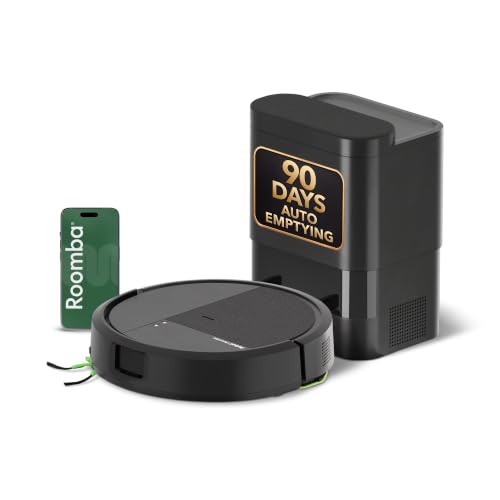
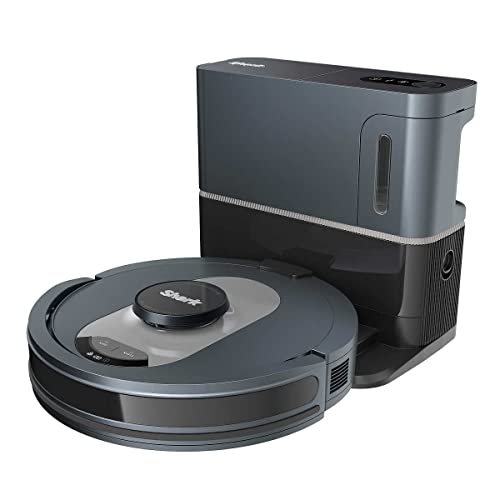
2. Shark IQ Robot Self-Empty XL RV1001AE — Best for Shark Brand Loyalty & Accessibility
Why it tops the list: For American shoppers who prefer buying from a brand with strong domestic retail availability, established customer service, and broad compatibility with an existing Shark ecosystem, the Shark IQ RV1001AE remains one of the most recommended self-emptying robot vacuums under $400 in the U.S. Consumer Reports tested the Shark IQ RV1001AE and confirmed it excelled at navigating test floors in a grid-like pattern and maneuvered reliably over dark carpets — an area where some cheaper robots using infrared sensors fail badly by mistaking dark carpet for a drop-off edge.
Tom's Guide's hands-on testing found the Shark IQ cleaned over 95% of all test materials on both hardwood and carpet with the neat row-by-row cleaning pattern a visible sign of its systematic navigation approach. On hardwood, it nabbed up to 99% of crushed cereal and granular kitty litter, significantly outperforming the Eufy RoboVac X8 Hybrid and Roborock S6 MaxV at the time of testing on carpet performance metrics.
The self-emptying XL base holds approximately 30 loads from the onboard dustbin roughly equivalent to 30 days of daily cleaning in most homes before requiring manual emptying. The base uses a bagless collection system, which eliminates ongoing bag costs (a meaningful long-term savings over bagged alternatives). The Shark IQ's self-cleaning brushroll is designed to prevent and minimize the hair tangling that makes pet-owner maintenance so frustrating with traditional bristle-style brush rolls.
Consumer Reports' 2025 member survey data found Shark as a brand receives average reliability ratings among robot vacuum brands — useful context for long-term ownership. The Shark IQ lacks multi-floor mapping (a limitation for multi-story homes) and its camera-based navigation, while effective at grid-pattern cleaning, doesn't achieve the spatial precision of LiDAR alternatives like the Roborock Q5. However, at its typical price of $150–$400, it delivers an impressive self-empty feature at a price point where many competitors still require manual bin emptying.
Key Specs & Features:
- Camera-based IQ Navigation systematic row-by-row cleaning pattern
- Self-emptying XL base bagless, holds ~30 loads (~30 days)
- Self-cleaning brushroll reduces hair tangling
- BotBoundary magnetic strip system for no-go zones
- App control: room selection after initial mapping cycle, scheduling
- Alexa and Google Assistant compatible
- Wi-Fi: 2.4 GHz
Pros:
- Strong cleaning performance Tom's Guide recorded 95%+ pickup on all test materials
- Self-emptying at a competitive price point
- Navigates dark carpet without sensor false-positives (Consumer Reports verified)
- Widely available at major US retailers Best Buy, Target, Walmart, Amazon
- Bagless base means no ongoing bag cost
- Self-cleaning brushroll reduces hair maintenance
Cons:
- Camera-based navigation less spatially precise than LiDAR
- No multi-floor mapping not ideal for two-story homes
- Some users report app connectivity issues (Best Buy review aggregate)
- Louder than some competitors at full suction
- Side brushes rated relatively weak by Consumer Reports may scatter debris near edges
Best for: Shark brand loyalists, shoppers who want self-emptying under $400, households with single-floor open-plan layouts, those buying from major US retail stores
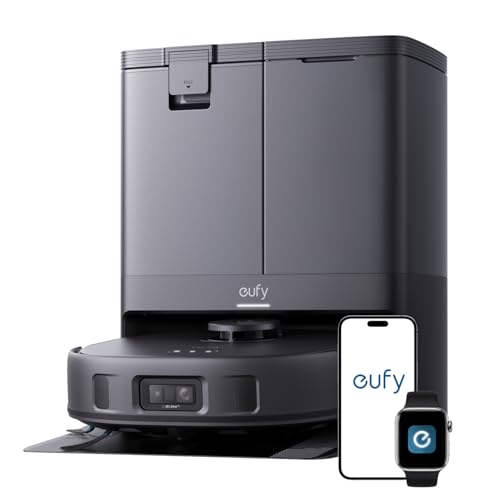
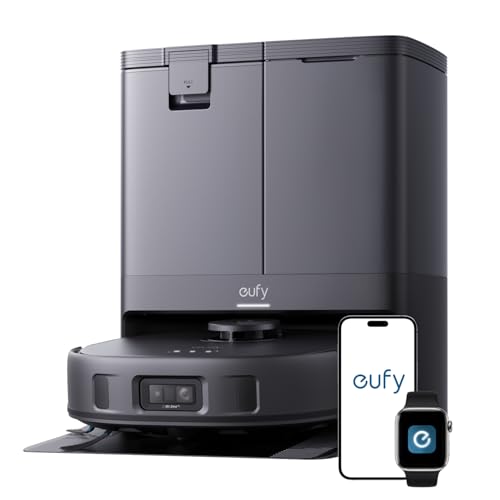
3. Eufy X10 Pro Omni — Best Premium Robot Vacuum Under $500
Price: ~$450–$700 | Suction: 8,000 Pa | Self-Empty: ✅ | Mop: ✅ (dual spinning, 12mm auto-lift) | Navigation: iPath LiDAR + AI obstacle avoidance
Why it tops the list: The Eufy X10 Pro Omni is the most feature-complete robot vacuum available at or under $500, regularly cited as "flagship features at half the cost" by Vacuum Wars who found its mopping capability genuinely impressive, completely removing dried coffee and grape juice stains in a single pass in their testing. Launched in February 2024 at $799, by late 2025 the X10 Pro Omni is regularly available for $450–$500 during sales events, making it one of the most dramatic value propositions in the robot vacuum category.
The X10 Pro Omni's cleaning specs rival machines that cost twice as much: 8,000 Pa of suction is among the highest in the under-$500 segment, and the dual spinning MopMaster 2.0 mop pads rotate at 180 RPM with approximately 2.2 lbs (1 kg) of downward pressure significantly more aggressive mopping force than the Roborock S8 Pro Ultra (0.6 kg) or iRobot Combo J9+ (0.7 kg) at their price points. The 12mm automatic mop lift raises the mop pads when the robot detects carpet, preventing wet pads from soaking rugs during a combined vacuum-and-mop session a feature that was exclusive to $1,000+ machines just two years ago.
The Omni Station handles the dirty work automatically: it self-empties the dustbin, refills the robot's clean water tank, and washes and dries mop pads at 45°C dramatically reducing the hands-on maintenance most robot vacuum/mop combos require. The AI.See obstacle avoidance system uses a camera to detect and navigate around cables, toys, socks, and other floor clutter in real time, reducing the number of stuck-robot rescues that frustrate users of contact-sensor-only models.
One important sizing note: the X10 Pro Omni is 4.47 inches tall Eufy recommends at least 5.12 inches of clearance under furniture. It won't fit under very low-profile platform beds or kick-board sofas. For homes with substantial low-clearance furniture, the Roborock Q5 (at a lower profile) may be more practical.
Key Specs & Features:
- 8,000 Pa suction highest in the under-$500 category
- Dual spinning mops at 180 RPM with 2.2 lbs downward pressure
- 12mm auto mop lift for carpet detection
- Omni Station: auto-empty, auto-refill clean water, mop wash and dry at 45°C
- iPath LiDAR navigation + AI.See obstacle avoidance
- App: room mapping, no-go zones, zone-specific cleaning schedules
- Height: 4.47 inches (requires 5.12" clearance)
Pros:
- Most feature-complete robot vacuum under $500 self-empty, mop wash, auto-refill in one station
- 8,000 Pa suction rivals machines priced at $800+
- Aggressive dual mop system for genuine hard floor cleaning (not just damp wiping)
- AI obstacle avoidance reduces stuck-robot incidents
- Vacuum Wars-confirmed excellent mopping on everyday stains
Cons:
- 4.47-inch height restricts access under low-clearance furniture
- On-sale pricing needed to hit $500 MSRP launched higher
- Mop pad washing doesn't use hot water (45°C = warm, not sanitizing)
- RTINGS noted inconsistency on dried-on tough stains vs. Vacuum Wars' more positive results
Best for: Hard floor heavy households that want simultaneous vacuum and mop, pet owners who want self-emptying plus mop washing in one station, shoppers who want the most features per dollar under $500
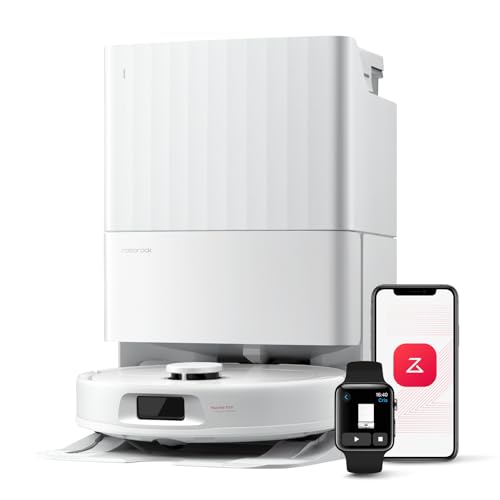
4. Roborock Qrevo Series QV35A — Best Robot Vacuum and Mop Combos
Price: ~$400–$650 | Suction: 8,000 Pa | Self-Empty: ✅ | Mop: ✅ (dual spinning, auto-wash) | Navigation: LiDAR + Smart Obstacle Avoidance
Why it tops the list: The Roborock Qrevo QV35A is Roborock's dedicated robot vacuum and mop combo optimized for the under-$500 segment, and it carries the navigation and software quality that makes Roborock the most consistently recommended robot vacuum brand by serious independent testers. Like the X10 Pro Omni, the QV35A combines 8,000 Pa suction with dual 200 RPM spinning mops a configuration that delivers far more effective floor scrubbing than the vibrating pads found on cheaper mop-capable robots.
The QV35A's all-in-one dock handles automatic mop washing after each cleaning session, which is critical for maintaining mop hygiene over daily use mop pads that aren't cleaned between sessions spread bacteria-laden dirty water rather than cleaning. The anti-tangle dual brush system (JawScraper anti-tangle brush comb plus an anti-tangle side brush) is Roborock's solution to the hair-wrap problem that plagues pet owners, and independent reviewers consistently confirm it outperforms traditional bristle-based competitors at extracting pet and human hair from both carpet and grout lines.
Where the QV35A edges the Eufy X10 Pro Omni is in Roborock's navigation ecosystem: the PreciSense LiDAR combined with Roborock's Smart Obstacle Avoidance and the app's room-level customization creates a more reliably consistent daily cleaning experience with fewer interruptions. For users who want to genuinely set a schedule and not think about it again, Roborock's autonomous operation has fewer unexpected stops and stuck incidents than most alternatives.
Key Specs & Features:
- 8,000 Pa suction with dual rubber anti-tangle brush system
- Dual 200 RPM spinning mops 30 water level settings
- Auto mop washing at dock after each clean
- All-in-one dock: self-empty + mop wash
- LiDAR navigation + Smart Obstacle Avoidance
- App: room-specific cleaning, no-go zones, mop-only zones, water level control
- Alexa and Google Assistant compatible
Pros:
- Best-in-class Roborock navigation most consistent room coverage
- Spinning mop pads at 200 RPM provide real scrubbing on hard floors
- Auto mop washing maintains pad hygiene between sessions
- Anti-tangle dual brush system handles pet hair effectively
- 30 water level settings for precise mop moisture control
- Roborock's polished app is the standard-setter for robot vacuum software
Cons:
- No auto mop-pad drying mop pads stay damp at dock unless you dry manually
- Obstacle avoidance uses sensors rather than cameras — less precise than camera-based systems at avoiding small objects
- May require tidying floor of cables and loose items before running
Best for: Mixed-floor homes (carpet + hard floors), pet owners who mop regularly, anyone who wants the best robot vacuum mop combo under $500 with Roborock's proven navigation reliability
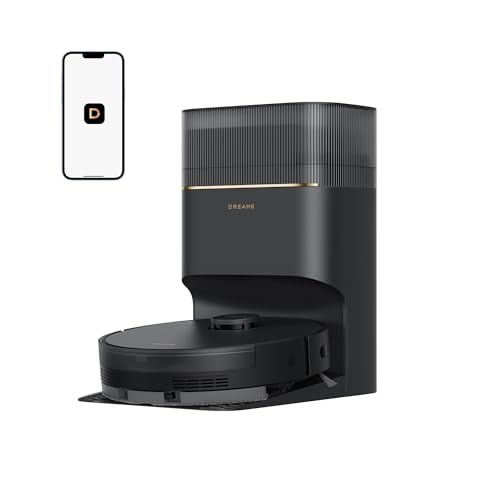
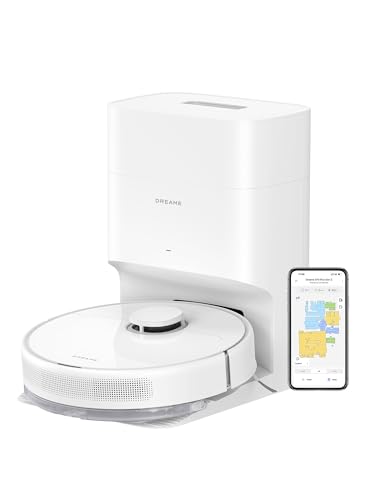
5. Dreame D10 Plus — Best Budget Robot Vacuum with Self-Empty Under $350
Price: ~$280–$350 | Suction: 6,000 Pa | Self-Empty: ✅ | Mop: ✅ (basic vibrating pad) | Navigation: LiDAR
Why it tops the list: For shoppers who want LiDAR navigation, a self-emptying base, and basic mopping capability all under $350 a combination that would have been impossible to find two years ago the Dreame D10 Plus is the standout value pick in the market. Dreame is the sister brand to Ecovacs and shares manufacturing infrastructure with some of the most powerful robot vacuums on the market; the D10 Plus strips away premium features to hit its price point without compromising the core cleaning and navigation architecture.
Vacuum Wars rates the D10 Plus category as "consistently delivering the best balance of features, cleaning power, and overall value" in the $300–$600 range, and the D10 Plus specifically earns praise for bringing LiDAR-class navigation to under $350 a meaningful improvement over the infrared bump-and-bounce navigation still used by competitors at similar price points. The 6,000 Pa suction handles everyday debris, pet hair, and dust on both carpet and hard floors capably, and the self-emptying dock holds approximately 45 days of collected debris before requiring manual emptying.
The mop function is worth calibrating expectations around: the D10 Plus uses a standard vibrating mop pad rather than the spinning mops found on the QV35A and X10 Pro Omni. Vibrating pads provide adequate damp wiping for light maintenance on hard floors but won't remove stuck-on stains or provide the aggressive scrubbing of spinning mop systems. For households that primarily need vacuuming with occasional light mopping, this trade-off is perfectly acceptable at the price.
Key Specs & Features:
- 5,000 Pa suction
- LiDAR navigation room mapping, no-go zones, zone cleaning
- Self-emptying dock up to 45-day capacity
- Basic vibrating mop pad for light hard floor maintenance
- App control: Dreame Home app, room-specific scheduling
- Alexa and Google Assistant compatible
- Anti-tangle brush design
- Battery: up to 180 minutes
Pros:
- LiDAR navigation under $350 best navigation accuracy at this price tier
- Self-emptying base at budget pricing major convenience at a low upfront cost
- 180-minute battery covers large homes comfortably
- Dreame brand quality sister company to Ecovacs with proven manufacturing credentials
- Strong value proposition: LiDAR + self-empty + mop for under $350
Cons:
- Vibrating mop pad is light-duty not suitable for mopping deeply stained floors
- No auto mop washing pad must be manually cleaned and replaced
- 5,000 Pa suction is adequate but not exceptional compared to 8,000 Pa alternatives
- Dreame app less mature than Roborock's fewer customization options
Best for: Budget-conscious shoppers who want LiDAR navigation and a self-emptying base without spending $400+; apartment dwellers and small-to-medium home owners who want capable daily automation at the lowest possible price
Robot Vacuum Buying Guide: What Matters Most Under $500
1. LiDAR Navigation vs. Camera vs. Infrared: Why It Matters
LiDAR (Light Detection and Ranging) uses a spinning laser sensor to map your home in 2D, creating persistent floor plans stored in the app. LiDAR robots clean in systematic row-by-row patterns, miss fewer spots, and return to where they left off after recharging. Three of the five picks on this list (Roborock Q5, Eufy X10 Pro Omni, Roborock QV35A) use LiDAR.
Camera-based navigation (Shark IQ) uses visual landmark recognition to map rooms and clean in rows. It's effective but less spatially precise than LiDAR, and can struggle in low-light conditions or rooms rearranged since the last mapping run.
Infrared bump navigation is the technology in the cheapest robot vacuums the robot bumps into walls and furniture to understand space. It produces random-pattern cleaning that misses spots and revisits others. At this price range, there's no reason to accept infrared-only navigation.
2. Self-Emptying: The Most Impactful Convenience Feature
Every pick on this list includes a self-emptying base and for good reason. Vacuum Wars calls self-emptying the single most impactful convenience feature in robot vacuums, transforming daily cleaning from a "novelty you have to maintain" into a genuinely hands-off system. Without self-emptying, you're manually emptying a small onboard bin after every cleaning run typically less than a cup of debris capacity on most robots, meaning it fills within one cleaning session. With a self-emptying base, you interact with the robot once every 30–60 days rather than every day.
Key question: bagged vs. bagless self-empty? Bagged systems (Roborock) keep allergens contained and make emptying clean and easy. Bagless systems (Shark IQ) eliminate the ongoing bag cost ($15–$40/year depending on brand) but expose you to dust when emptying the base canister.
3. Mopping: What Spinning vs. Vibrating Really Means
Not all robot mops are equal. Two fundamentally different mopping technologies exist in the under-$500 range:
Vibrating mop pads (Dreame D10 Plus) oscillate the pad against the floor surface. Effective for light maintenance fresh foot traffic and loose surface dirt. Not effective for dried-on stains or sticky residue. Think of it as a damp Swiffer.
Spinning mop pads (Eufy X10 Pro Omni at 180 RPM, Roborock QV35A at 200 RPM) rotate against the floor with downward pressure, providing genuine scrubbing action. Vacuum Wars confirmed the X10 Pro Omni removed dried coffee and grape juice stains completely in a single pass something no vibrating-pad robot can reliably do.
If mopping performance matters to you, the spinning-pad designs on the Eufy and Roborock picks are the only systems in this price range worth serious consideration.
4. Suction Power (Pascal Rating): Context Matters
Robot vacuum suction is measured in Pascals (Pa). Here's a practical framework:
- 2,000–3,000 Pa: Adequate for hard floors and low-pile carpet; struggles with embedded dirt in thick carpet
- 5,000–6,000 Pa: Good all-surface performance; handles most carpets confidently
- 8,000 Pa+: Strong carpet deep-cleaning; rivals many full-size stick vacuums
One important caveat from The Smart Home Hook Up's testing: maximum suction mode drastically reduces battery life on most robots. A 5,500 Pa robot running at its full "Max" setting may clean 20 minutes before needing a recharge. Most users run their robots at normal or Boost mode (roughly 60–70% of rated suction) for balanced performance and runtime.
5. What to Look for if You Have Pets
For pet owners specifically, three features are non-negotiable: (1) anti-tangle rubber brush roll to prevent hair wrap, (2) adequate suction (5,000+ Pa for embedded pet hair in carpet), and (3) HEPA-level filtration to capture the allergen proteins in pet dander rather than recirculating them. All five picks on this list include anti-tangle brush designs. The Roborock Q5 DuoRoller+ and Roborock QV35A are the top pet-hair picks for their combination of dual rubber rollers and sealed filtration. For households with pets who also want mopping, the Roborock QV35A is the best single recommendation.
Frequently Asked Questions
What is the best robot vacuum under $500 in 2026?
The Roborock Q5 DuoRoller+ is the best overall robot vacuum under $500 for most households delivering exceptional suction, LiDAR navigation, a self-emptying dock, and Roborock's industry-leading app at $280–$350. For shoppers who want the most features per dollar including mopping, mop washing, and AI obstacle avoidance the Eufy X10 Pro Omni at $450–$500 is the top premium pick in this price range.
Is a robot vacuum under $500 good enough for daily use?
Yes — decisively. Vacuum Wars' 150+ model testing database confirms that the $300–$600 segment consistently delivers the best balance of cleaning performance, features, and value of any price tier. A well-chosen robot vacuum under $500 with LiDAR navigation and self-emptying will match or exceed the cleaning results of 2019-era $1,000+ models.
What is the best robot vacuum for pet hair under $500?
The Roborock Q5 DuoRoller+ is the top pick for pet hair its dual rubber DuoRoller brush system outperforms traditional bristle designs in preventing hair tangling, and its 5,500 Pa suction extracts embedded pet fur from carpet effectively. For pet owners who also want mopping, the Roborock Qrevo QV35A adds spinning mops and auto-mop washing to the same strong anti-tangle architecture.
Do robot vacuums under $500 have LiDAR?
Yes — LiDAR navigation is widely available under $500 in 2026. Three of the five picks on this list (Roborock Q5, Eufy X10 Pro Omni, Roborock QV35A) use LiDAR. The Dreame D10 Plus also offers LiDAR at under $350. Only the Shark IQ RV1001AE uses camera-based navigation instead.
Are robot vacuums a replacement for a regular vacuum?
Not for deep cleaning. Robot vacuums excel at daily maintenance keeping surface debris, pet hair, and dust under control between manual cleaning sessions. For deep-cleaning embedded dirt from thick carpets, a full-size corded upright or canister vacuum still outperforms any robot. The most effective strategy combines a robot vacuum for daily automated maintenance with a full-size vacuum for weekly or biweekly deep cleaning.
Final Verdict: Best Robot Vacuum Under $500 for Every Need
The $300–$500 robot vacuum market in 2026 delivers genuinely impressive autonomous cleaning at prices that are accessible to most households. The five picks above represent the clearest value at every point in that range. Choose based on your floor type, whether mopping matters, and how much you're willing to spend any of these machines will measurably improve your home's cleanliness with minimal daily effort.