Best Rechargeable AA Batteries: Which One Fits the Way You Use It?
Disclosure: We may earn a commission when you buy through links on this page, at no extra cost to you. As an Amazon Associate I earn from qualifying purchases. Learn more

The best rechargeable aa batteries for your devices: eneloop, Amazon Basics, Energizer and lithium options compared.
Remote controls, game controllers, wireless mice, flashlights, kids' toys, camera flashes and smart locks all eat AA batteries, and single use batteries add up fast in cost and waste. Rechargeable AA batteries pay for themselves after a handful of charges, but they are not all alike. NiMH batteries like eneloop hold charge for years in a drawer and handle hundreds or thousands of cycles, while newer 1.5V lithium rechargeables deliver steady voltage for high drain devices and charge over USB. This guide to the best rechargeable aa batteries starts with how you use them, then matches the features that matter.
We cover who should buy which type, picks for specific devices, the key features to compare, common mistakes, care tips and answers to common questions. Every battery in the table above is sold new on Amazon US. Keep batteries away from children and pets, never mix old and new or different types in one device and recycle worn batteries at a battery drop off.





Who Should Buy Which Rechargeable AA Batteries?
First time buyers and most households should buy low self discharge NiMH batteries like eneloop or Amazon Basics, power users should buy high capacity NiMH like eneloop pro or 1.5V lithium rechargeables, value seekers should buy multi packs and gift shoppers should buy a kit with a charger. Here is how to match batteries to your needs.
Start by counting the AA devices in your home and how often you replace their batteries. Devices that drain batteries monthly, like game controllers, toys and flashlights, pay back the cost of rechargeables fastest. Low drain devices like remotes still benefit, but more slowly.
For First Time Buyers
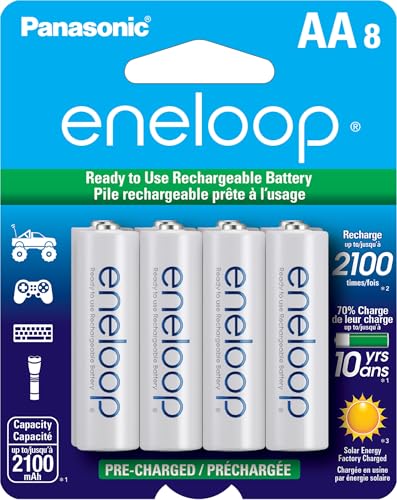
First time buyers do best with pre charged, low self discharge NiMH batteries that work in almost any AA device. Panasonic says its eneloop AA batteries, at around $24 for eight, recharge up to 2,100 times, deliver 2,000mAh minimum, come pre charged using solar power and keep up to 70 percent of their charge after 10 years in storage.
Low self discharge means batteries stay ready in a drawer for emergencies or occasional use, unlike older NiMH batteries that drained in weeks. eneloop also lists use down to minus 4 degrees Fahrenheit.
You will need a NiMH charger if you do not already own one; many kits include one.
Buy at least two sets for your busiest devices so one set charges while the other is in use. Label sets with tape or colored stickers so you keep them together.
Panasonic says eneloop cells are made in Japan and work in hundreds of household devices, from remotes and flashlights to toys, wireless keyboards and digital cameras.
For People Who Want the Best Performance
High drain devices like camera flashes, game controllers and powerful flashlights benefit from high capacity batteries. Panasonic's eneloop pro line offers higher capacity than standard eneloop, at around $64 for a 12 pack. The eneloop pro power pack, at around $61, includes eight AA, two AAA, an advanced individual charger and a storage case.
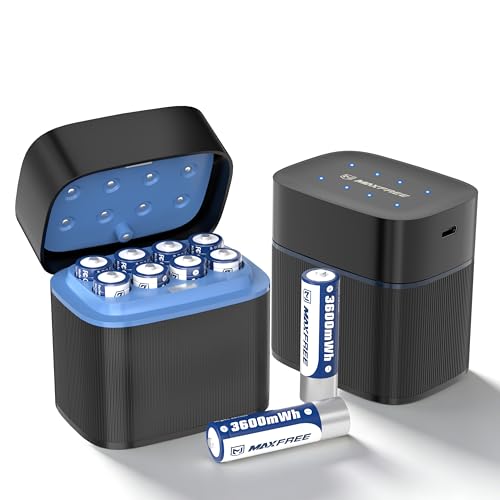
For steady voltage, 1.5V lithium rechargeables are another option. Maxfree lists 3,600mWh per cell, 2,500 plus charge cycles, overcharge and short circuit protection and an 8 bay charging case that charges all eight in about three hours, at around $25.
The trade off for high capacity NiMH is fewer total cycles and faster self discharge than standard eneloop.
Lithium rechargeables keep full voltage until nearly empty, then drop quickly. That means devices run at full power longer, but battery gauges may show full until the cells suddenly run out, so keep a spare set charged.
For Value Seekers
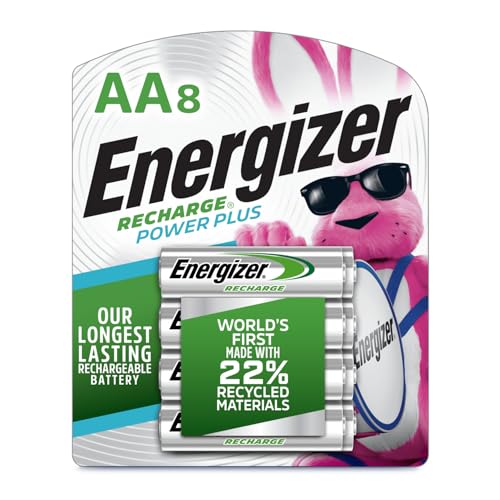
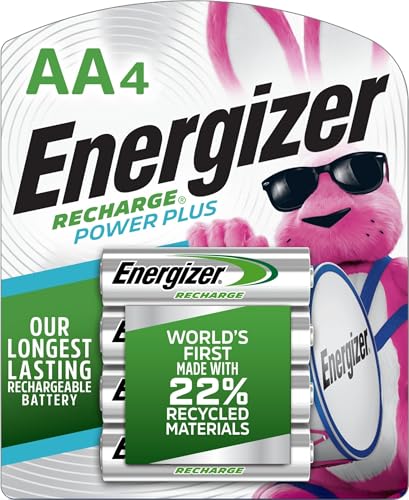
Value seekers should buy larger packs from reliable brands. Amazon Basics 8 pack NiMH batteries, at around $10, list 2,000mAh, low self discharge, pre charged and up to 1,000 recharges. Energizer Power Plus rechargeable AA batteries, at around $20 for eight, list hundreds of charges and 22 percent recycled materials, according to Energizer.
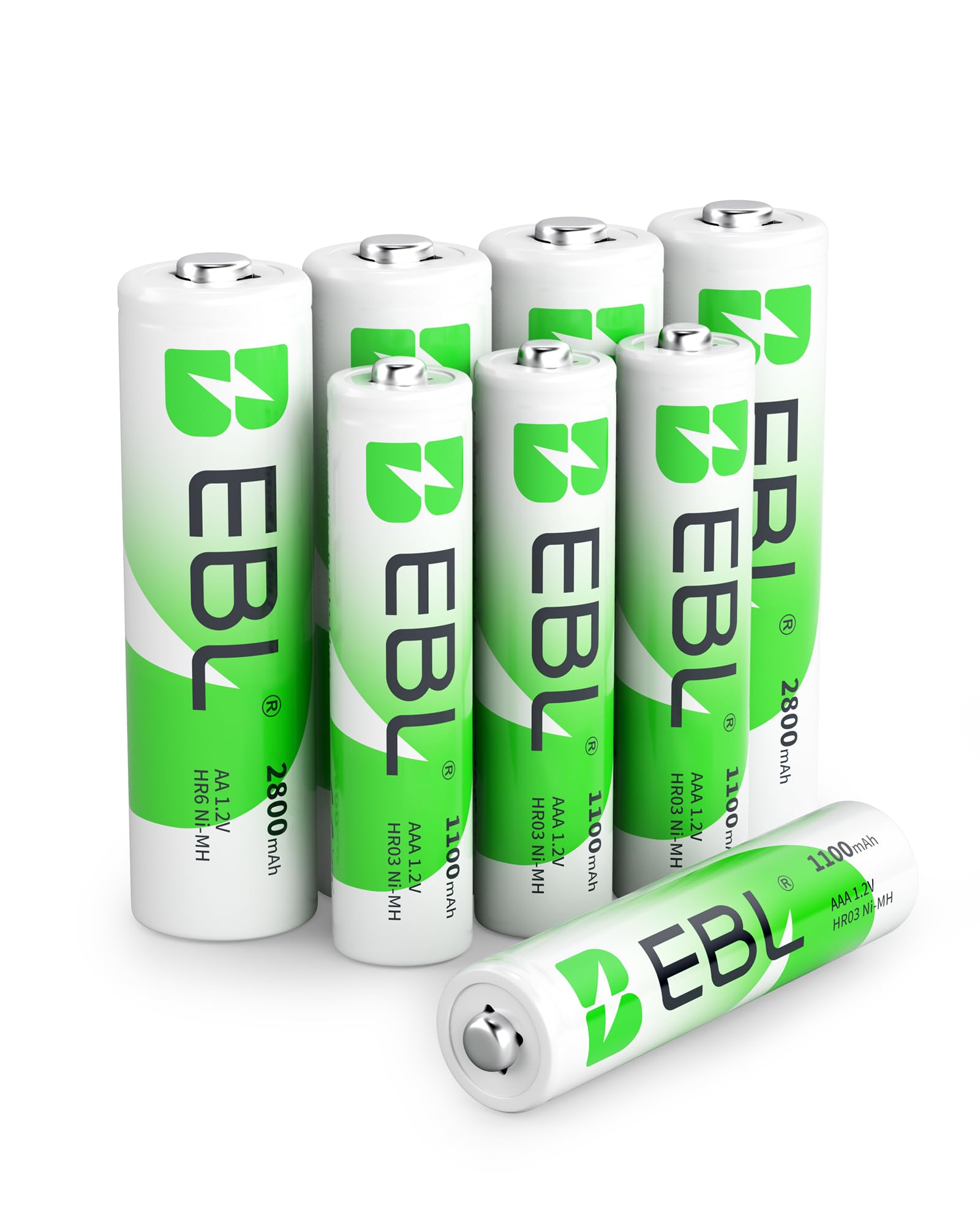
EBL sells a combo of four 2,800mAh AA and four 1,100mAh AAA NiMH batteries at around $16, a budget way to cover both sizes in one purchase.
Buying in bulk lowers the cost per battery, and keeping a charged set ready means you never run out.
Check that your charger supports the batteries you buy.
Amazon Basics and Energizer cells are widely available and work in most NiMH chargers, which makes it easy to add more batteries to your collection over time without buying a new charger.
For Gift Shoppers
A battery kit with a charger makes a practical gift for new parents, gamers and households with many gadgets. The eneloop pro power pack with charger and case covers everything, and lithium kits like Maxfree's come with a charging case that doubles as storage. Add a note about recycling old single use batteries.
For kids and new parents, pair batteries with a storage case and a smart charger so batteries stay organized and safely out of reach.
Choosing Rechargeable AA Batteries for Your Situation
Different devices favor different battery types.
Check your device manual for any battery guidance, especially for flashes, smart locks and medical devices.
Best Rechargeable AA Batteries for Gaming Mouse: What to Prioritize
For the best rechargeable AA batteries for gaming mouse use, prioritize low weight, low self discharge and reliable capacity. Standard eneloop or Amazon Basics NiMH work well and keep charge between sessions. Some mice show inaccurate battery levels with 1.5V lithium cells, so NiMH is often the safer choice.
Keep a second charged pair next to your desk so you can swap batteries in seconds when the mouse warns of low power mid game.
Best Rechargeable AA Batteries for Flash Cameras
The best rechargeable AA batteries for flash cameras deliver high current for fast recycle times. High capacity NiMH like eneloop pro is a popular choice among photographers. Some lithium rechargeables can trigger overheating protection in flashes, so check your flash maker's guidance.
Photographers often carry two or three charged sets of four for a day of shooting and rotate them so each set cools before recharging.
Best for Remotes, Clocks and Low Drain Devices
Low drain devices like remotes and wall clocks run for months on standard low self discharge NiMH batteries. Some clocks and smoke alarms are designed for 1.5V alkaline, so check device instructions. Never use rechargeables in devices that say not to.
For emergency flashlights and weather radios, keep a set of fully charged low self discharge NiMH batteries in a case with your emergency kit, and top them up every six months.
Key Features to Compare in the Best Rechargeable AA Batteries
Chemistry, capacity, cycle life, self discharge, charger and safety matter most. Here is what to look for.
Battery Chemistry (NiMH vs Lithium Rechargeable)
NiMH batteries run at 1.2V nominal, hold up well in cold and suit most devices. Lithium rechargeable AA batteries, like Maxfree's, regulate output to a steady 1.5V, which suits devices that read low voltage as low battery. Lithium rechargeables need their own chargers or USB charging.
NiMH also handles cold better than many lithium rechargeables, which matters for outdoor cameras, trail cameras and winter flashlights. eneloop lists use down to minus 4 degrees Fahrenheit.
Capacity (mAh and mWh)
NiMH capacity is listed in mAh, like eneloop's 2,000mAh minimum. Lithium rechargeables are often listed in mWh, like Maxfree's 3,600mWh. To compare, multiply mAh by voltage: 2,000mAh at 1.2V is about 2,400mWh. Higher capacity means longer runtime per charge.
Higher capacity NiMH cells usually trade some cycle life and storage time for runtime. Standard eneloop cells last more cycles, while eneloop pro cells run longer per charge.
For trail cameras and outdoor sensors, low self discharge matters as much as capacity, since these devices sit for weeks between checks.
Cycle Life and Self Discharge
Cycle life tells you how many times a battery can be recharged: eneloop lists up to 2,100, Amazon Basics up to 1,000 and Maxfree 2,500 plus. Self discharge tells you how fast stored batteries lose charge; eneloop's 70 percent after 10 years is excellent for emergency kits.
Real world cycle counts depend on how deeply you drain batteries and how hot they get while charging. Avoiding full drains and using a smart charger helps batteries reach their rated cycles.
Chargers
Smart chargers with individual bays, like Panasonic's BQ-CC65 4 position quick charger with an LCD panel and USB port, charge each battery separately and stop when full. Avoid cheap timer chargers that can overcharge. Lithium kits include dedicated chargers.
Smart chargers also detect damaged cells and refuse to charge them. Some, like Panasonic's BQ-CC65, include a USB port so you can charge a phone from the same unit.
Chargers that also handle AAA cells add flexibility for remotes, small flashlights and kids' toys. The eneloop pro power pack includes both sizes, and EBL's combo pairs AA and AAA cells.
Safety Protections
Look for overcharge, overcurrent, short circuit and overheating protection, which Maxfree lists for its lithium cells. Use the charger made for your battery chemistry, and do not charge damaged or swollen batteries.
Do not carry loose batteries in pockets with keys or coins, which can short them. Use a case when traveling, and follow airline rules for spare batteries.
Common Mistakes to Avoid When Buying Rechargeable AA Batteries
The most common mistake is buying high capacity batteries for low drain devices, where standard low self discharge cells last longer between charges. Another is mixing chemistries or old and new batteries in one device, which can cause poor performance or leaks. People also use cheap chargers that overcharge and shorten battery life. Finally, some buyers put 1.5V lithium rechargeables in devices that expect NiMH or alkaline behavior without checking compatibility.
Another mistake is assuming rechargeables arrive fully charged. Even pre charged cells lose some charge in shipping and storage, so top them up before the first use in high drain devices.
Care and Maintenance Tips
Charge batteries fully before first use unless they are pre charged. Store them at room temperature in a case, away from metal objects that could short them.
Charge sets together and keep them together so they age evenly. Remove batteries from devices you will not use for months. Recycle batteries that no longer hold a charge at a battery recycling drop off.
If a battery gets hot, swells or leaks, stop using it and recycle it safely. Clean battery contacts in devices with a dry cloth if you see corrosion.
Rechargeable AA Batteries: Your Questions Answered
How long will rechargeable AA batteries run per charge?
Runtime depends on capacity and the device. High capacity NiMH or lithium rechargeables run longest in high drain devices like controllers and flashes, while standard NiMH can run remotes and clocks for months per charge.
Game controllers often run 20 to 40 hours per charge on standard NiMH cells, depending on vibration and lighting features.
How long do rechargeable batteries last overall?
Most rechargeable AA batteries last several years and hundreds to thousands of cycles. eneloop lists up to 2,100 cycles, Amazon Basics up to 1,000 and Maxfree 2,500 plus. Capacity slowly declines with age.
Batteries that sit unused for long periods last longest when stored partly charged in a cool, dry place and topped up every few months.
Are lithium rechargeable AA batteries better than NiMH?
Lithium rechargeables deliver a steady 1.5V and often charge faster, which suits some high drain devices. NiMH batteries are cheaper, widely compatible, handle cold well and hold charge longer in storage. Choose based on your devices.
Lithium rechargeables also weigh less than NiMH cells, which can help in handheld controllers and wireless mice used for long sessions.
Are solar chargers worth it?
For solar garden lights, use batteries made for them, like Tenergy Solla NiMH AA cells at around $25, which are designed for outdoor solar lights and resist leaks. Solar chargers can top up AA batteries while camping or during power outages, but they charge slowly and depend on sunlight. For everyday use, a plug in smart charger is faster and more reliable.
Can I use rechargeable AA batteries in any device?
Most AA devices work with rechargeables, but some smoke alarms, medical devices and clocks are designed for alkaline batteries. Check the device manual, and use the battery type the maker recommends for safety devices.
Do rechargeable batteries save money?
Yes. A set of rechargeable AA batteries can replace hundreds of single use batteries over its life. Even after buying a charger, most households save money within the first year, especially with high drain devices.
Final Thoughts
The best rechargeable aa batteries match your devices. Standard eneloop and Amazon Basics NiMH suit most households, eneloop pro and Maxfree 1.5V lithium cells suit high drain devices, Energizer Power Plus offers reliable value and kits with chargers make practical gifts. Use a smart charger and recycle old batteries.
For more home tech guides, see the best edc flashlights, the best batteries for xbox controller, the best compact cameras for travel and the best tactical flashlights. Then compare current prices in the product table above.