
Best Antique Cameras for Every Need 2026: How to Pick the Right One
Disclosure: We may earn a commission when you buy through links on this page, at no extra cost to you. As an Amazon Associate I earn from qualifying purchases. Learn more
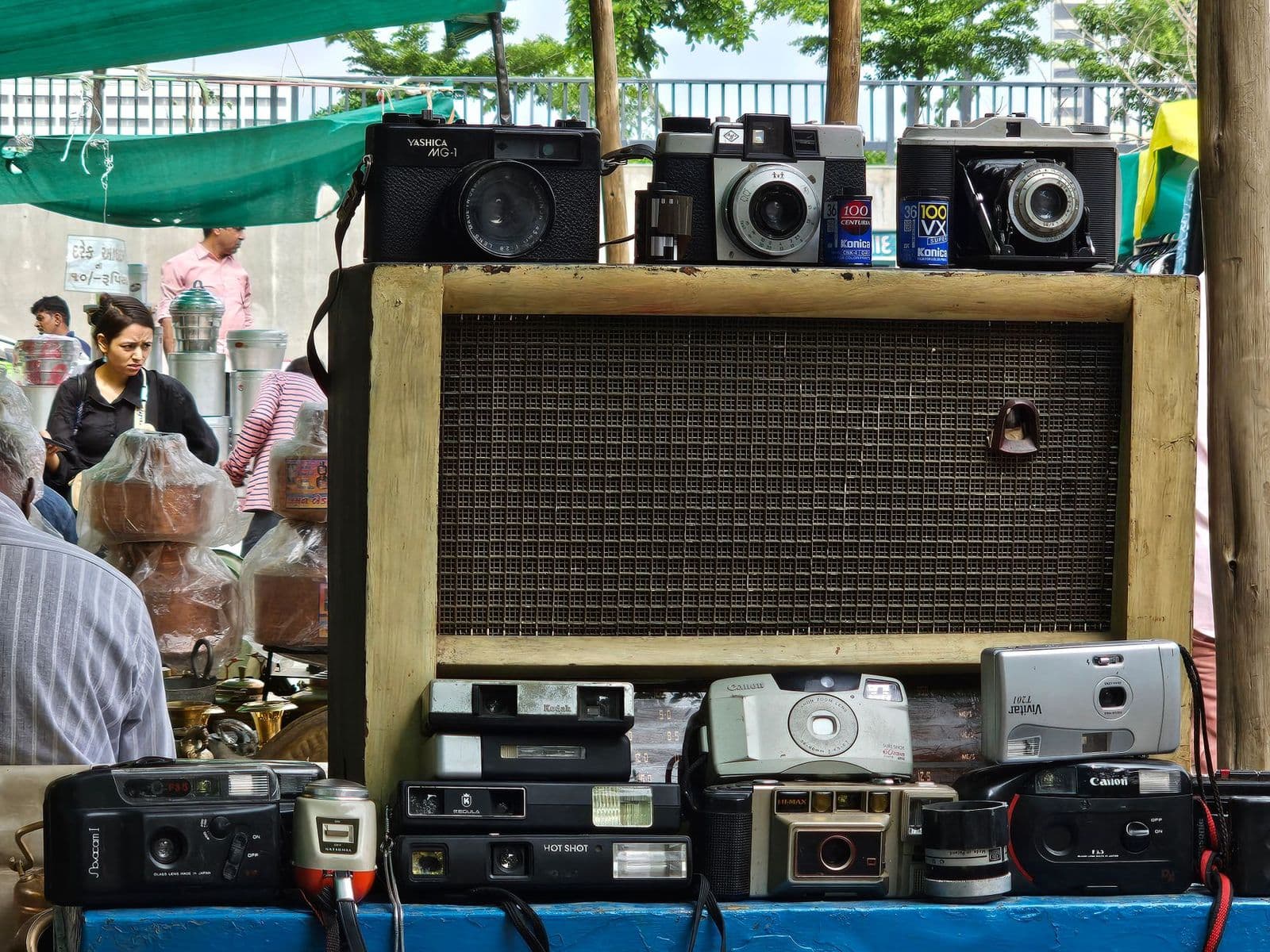
Learn how to pick the best antique cameras by purpose and condition, with checks for shutters, seals and film, plus care tips for a lasting collection.
There is no single antique camera that suits every buyer, because the word antique covers a shelf ornament, a working film camera and a first step into collecting. The best antique cameras for a mantel display would disappoint a photographer, and a fine shooting camera can be wasted sitting behind glass. Start with the job you want the camera to do, and the right type and condition follow from that decision.
One fact shapes every antique purchase: condition is the product. Two cameras of the same era and format can differ completely in shutter health, lens clarity and completeness, so this guide teaches you to judge the individual camera in front of you rather than a name or an age. Work through the checks below in the order they matter most.
Best Antique Cameras: Who Should Buy Which Type?
The word camera covers a wide modern family, from film era antiques to security devices that watch a doorstep, and this guide is only about the kind you hold in your hands and load with film. Antique buyers fall into three broad camps, and each camp should judge the same camera by different standards. A flaw that ends a purchase for one camp can be a footnote for another.
For Display and Decor Collectors
A display buyer shops with the eyes first. Look for a complete camera with its original case, clean metal and leather, all dials and knobs present, and a lens that looks clear even if you never plan to shoot with it. Working order matters less here, so a tired shutter is a reason to pay less rather than a reason to walk away. Learn to separate honest wear, which adds character and sits lightly on a shelf, from damage such as bent parts, cracked glass and missing pieces, which only lowers what the camera is.
For Shooters Who Want to Run Film
A shooter needs a machine first and an ornament second. The shutter must fire at every speed, the film advance must turn smoothly, the body must be light tight, and the format must still have film made for it. Cosmetic wear is acceptable and often lowers the price in your favor. If your main goal is simply to make pictures today, an antique is a deliberate detour into a slower craft, and the guide to best cameras for photography covers the modern route for comparison.
A trial roll is part of the purchase, so judge a promising camera by what it costs to prove: one roll of film, processing, and an honest look at the frames for light leaks, focus accuracy and even spacing between exposures.
For First Time Collectors on a Budget
A first antique should be common, simple and cheap to feed, such as a basic box camera or a straightforward folding camera in a format that is easy to check. Common types teach you every inspection skill in this guide at a low cost of failure, and parts and advice are easy to find. That learning curve is different from choosing a first modern camera, the subject of guides to best starter cameras, because here you judge one old camera at a time instead of comparing new models on a shelf.
Key Features to Compare
None of the checks below uses the spec sheet language of new cameras. An antique predates autofocus, stabilization and electronic metering, and it also sits outside the world of best digital cameras, where the picture appears on a screen the moment it is taken. Judge an antique on its mechanics, its glass and its condition instead.
Working Order: Decide Your Purpose First
The first check is not a feature at all but a decision: are you buying a working camera or a display piece? A shelf piece only needs to look complete and honest, while a shooter needs a shutter that fires cleanly, a light tight body and a lens clear enough to form a sharp image. Prices follow working order more than they follow age, so the same camera can be a bargain for one purpose and a mistake for the other. Decide before you shop, because sellers describe condition for the buyer they imagine, and that buyer may not be you.
Bellows, Light Seals, and Shutter Health
Old light seals are the most common failure on antique cameras. The foam strips that seal the film door turn sticky or crumble with age, and the light that slips past them fogs your film in streaks. Folding cameras add a second weak point, since their bellows develop pinholes at the corners that leak light the same way. Check a bellows by opening the camera in a dark room and shining a small flashlight inside while you look for points of light, then fire every speed and listen for a clean, even action, since old lubricant thickens with age and slow speeds drag or stick first.
Film Format and Running Costs
A working antique needs film and processing, and both are running costs that outlive the purchase price. The common roll formats are still made and can be processed by mail order labs, which keeps a shooter supplied without much fuss. Some formats are gone entirely, and a camera built for one of them is a display piece whatever its condition, because no film exists to load into it. Add the arithmetic up before you buy: an active shooter can spend more on film in a year than the camera itself cost.
Lens Condition and Glass Clarity
The lens is the one part of an antique that cannot be swapped or cheaply repaired, so judge it with care. Fungus etches fine branching patterns into the glass, haze lays a soft film across the whole image, and rough cleaning leaves fine scratches from past owners. Hold the lens toward a bright light and look through it at an angle to see what a casual glance misses. Light marks at the very edge matter far less than haze in the center, because the center of the glass does most of the work in every frame.
A lens hood and a plain protective filter guard the front element in use, and both are cheap insurance on a camera you actually shoot.
Era, Format, and Build
Antiques sort into format classes, such as box cameras, folding cameras, twin lens designs and rangefinder designs, and each class has its own handling and its own typical faults. Earlier eras favor metal and leather construction that survives well, while later eras trade some of that solidity for lighter weight and more features. Judge a camera by its format class and the build habits of its era rather than by any famous name attached to it. Listings lean hard on the word quality, but for antiques quality means the condition of this one camera, the same condition first thinking that runs through guides to best quality cameras for newer gear.
Common Mistakes to Avoid When Buying Antique Cameras
- Paying a shooter price for a display grade camera whose shutter and seals were never checked.
- Skipping the bellows and seal inspection, then losing the first roll of film to light leaks.
- Buying a format whose film is no longer made when you fully intended to take photographs.
- Treating an antique as an investment, when prices move both ways and enjoyment is the only return you can count on.
- Judging by age alone, since a younger common camera in fine condition usually beats an older rare one in poor condition as a first purchase.
How to Make Your Antique Camera Last Longer
Store an antique dry, because damp air is what feeds the fungus that ruins lenses, and a shelf in a lived in room beats a sealed box in a basement. Keep the camera in a padded case away from direct sun and heat, which dry out leather coverings and old seals alike. Wipe the lens only with a clean lens cloth, never a shirt, since grit trapped in clothing fabric scratches coatings. For long storage, leave the shutter untensioned, and through the year give the mechanism a few gentle firings so old parts keep moving instead of stiffening in place.
Handle the camera by its body rather than by a strap lug or a folding door, since old hinges and lugs are the parts most likely to be fatigued. In humid climates, keep fresh silica gel packs near stored cameras and dry or replace them on a schedule, because a spent pack does nothing at all.
Frequently Asked Questions
Can an antique camera still take photographs?
Yes, an antique camera can still take photographs if its shutter fires, its body is light tight and its film format is still made. Expect a slower and more deliberate process than any modern camera offers, with no automatic exposure to rescue a guess. Many shooters pair the camera with a phone light meter app or a small handheld meter to judge light. The first roll is best treated as a check of the camera as much as of your own technique.
How much should I spend on a first antique camera?
A sound first antique in a common format usually costs about $40 to $120 in working order, while display only pieces in rougher shape cost less. Budget beyond the sticker price if you plan to shoot, because a seal replacement or a basic service is a common first expense on an old camera. Rare formats and famous eras cost more without teaching you anything extra. Spend the difference on film instead, since shooting is what turns a purchase into a hobby.
What should I check first when buying an antique camera in person?
Check first that the shutter fires at several speeds and that the film advance turns without grinding, because those two actions decide whether the camera can work at all. Bring a small flashlight to inspect the bellows for pinholes and the lens for fungus before money changes hands. Seal foam is cheap to replace, so crumbling seals are a negotiating point rather than a deal breaker. Lens fungus, by contrast, cannot be cleaned back to clear glass, so price it as permanent.
Does an antique camera need film that is still made?
Yes, a shooting antique needs a film format that is still manufactured, because the camera is only a light tight box without something to record the image. A few discontinued formats can be adapted or respooled by specialists, but that adds cost and fuss to every roll. Display buyers can ignore the question entirely and choose on looks and completeness. Shooters should confirm the format and a processing route before paying, not after.
Will an antique camera increase in value?
No one can promise that an antique camera will increase in value, and you should treat any such promise as a sales line. Values follow fashion, condition and the size of the collector market, and they fall as readily as they rise. Buy the camera because you want to use it or display it, and let any future resale be a bonus rather than the plan. Keeping the original case and paperwork helps a later sale, but it should never be the reason for the purchase.
The Bottom Line
Pick your purpose first, then judge condition, then confirm the film situation, and an antique purchase rarely goes wrong. Buy the best antique cameras for the use you actually have in mind, check seals and shutter before the price seduces you, and let enjoyment rather than resale carry the decision.


