Best Razor Electric Scooter: A Complete Buying Guide
Disclosure: We may earn a commission when you buy through links on this page, at no extra cost to you. As an Amazon Associate I earn from qualifying purchases. Learn more
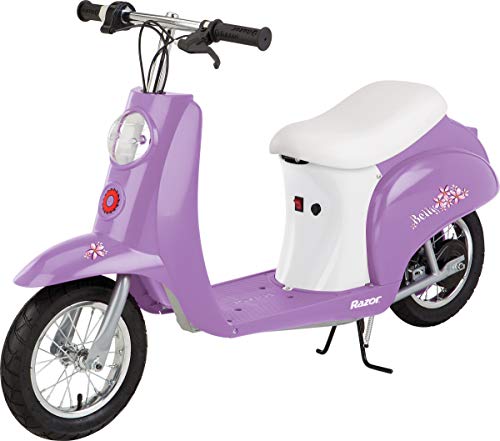
A buying guide to choosing the right Razor electric scooter based on motor power, battery life, tires, and weight capacity.
Type "electric scooter" into any marketplace search bar and you'll get hundreds of results from brands nobody has ever heard of, most selling for suspiciously similar prices with suspiciously similar specs. Razor is one of the few names in that search that actually built its reputation over decades rather than a single viral ad campaign. That history changes how you should shop the lineup. Instead of comparing generic spec sheets, this guide focuses on what's specific to buying within the Razor catalog: the Power Core motor technology, how the model tiers are actually organized, why parts availability matters more than people think, and what keeps resale value higher than a no-name competitor.

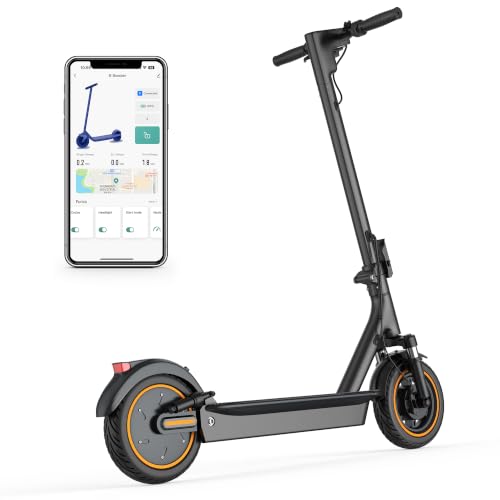
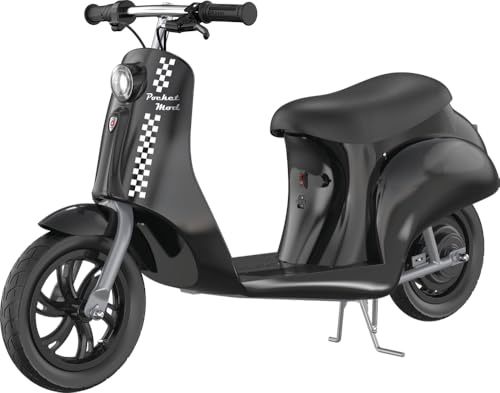
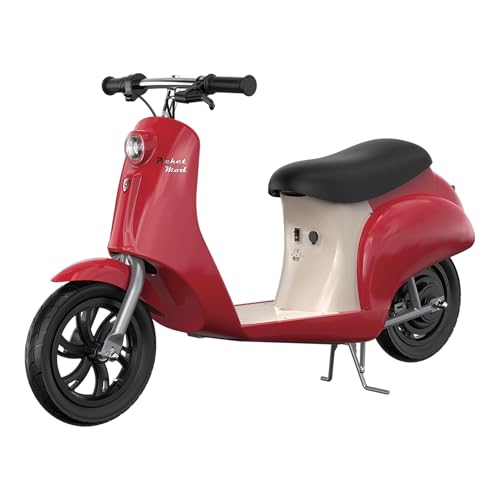

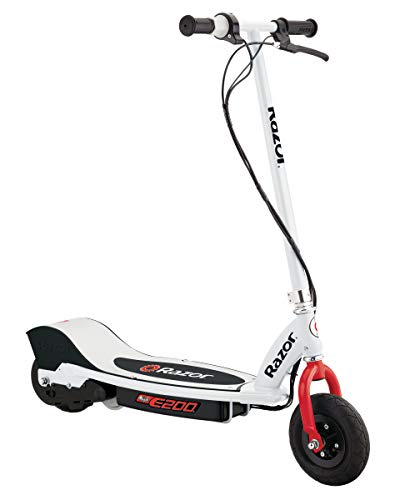
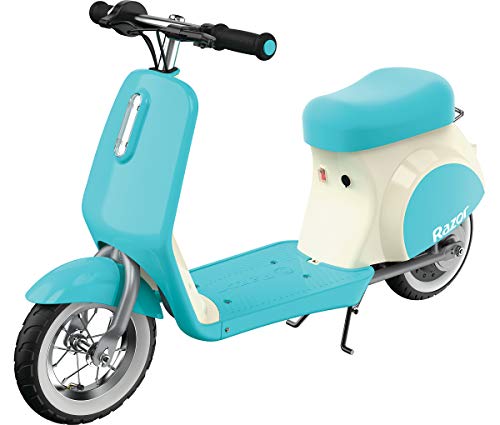
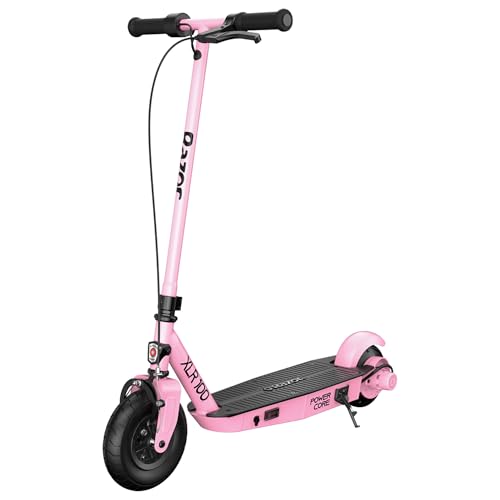
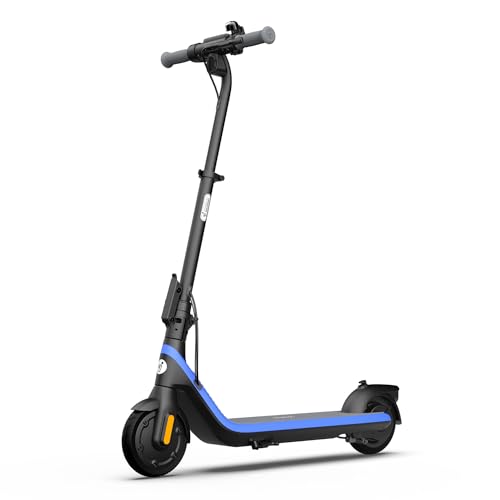
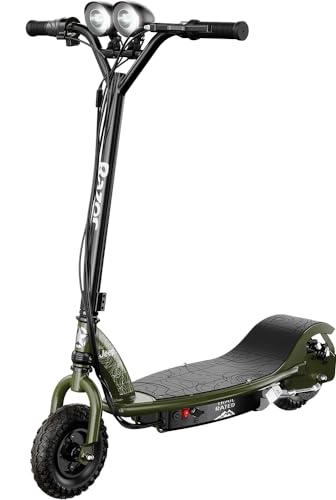

What Makes Razor Different From Generic Electric Scooter Brands
A scooter from an unfamiliar brand can look identical to a Razor in a product photo, sometimes down to the frame shape. What you can't see in a photo is whether the company will still exist in two years if a controller fails, or whether a replacement battery will ever be manufactured again. Razor has been selling kick scooters and, later, electric scooters through major retailers for a long time, which means there's a support infrastructure behind the brand: documented manuals, a customer service line, and a track record of parts staying in production well after a model stops being the newest thing on the shelf.
That doesn't mean every Razor model is automatically the better buy over every alternative. A generic scooter can still be a reasonable choice for occasional, low-stakes use. But if you want a scooter that's going to see regular use for a season or more, the brand's staying power is worth paying a little extra for, and it's the main reason Razor keeps showing up at the top of buying guides across the category.
Power Core Technology: The Brushless Motor Advantage
Power Core is Razor's name for a hub-driven brushless motor built directly into the rear wheel, rather than a motor connected to the wheel through a chain or belt. This isn't just marketing language, it's a real mechanical difference that affects how the scooter rides and how much upkeep it needs.
Chain-driven motors, still common on entry-level scooters across the market, need periodic lubrication and occasional tension adjustment, and the chain itself is one more part that can stretch, slip, or snap. A brushless hub motor eliminates that chain entirely. Power comes on more smoothly from a stop, the ride is noticeably quieter, and there's simply less hardware exposed to grit and moisture that could wear out over time.
The tradeoff is that Power Core models sit at a higher price point than Razor's basic chain-driven scooters, and not every scooter in the catalog includes the feature. If quiet, low-maintenance operation matters more to you than shaving dollars off the sticker price, confirm the listing actually says Power Core rather than assuming any electric Razor has it.
Decoding Razor's Lineup: E-Series, EcoSmart, and Power Core Tiers
Razor's electric scooter names can look interchangeable until you know what separates the tiers. Broadly, the catalog splits into three groups.
EcoSmart-branded and other entry-level electric models are built around simplicity: smaller motors, shorter ride times, and a lighter frame meant for shorter, casual rides rather than daily commuting. These are the closest thing to an electric version of Razor's classic kick scooter, aimed at riders who want an easy first step into a motorized ride.
E-Series models step up the motor output, battery capacity, and typically the tire size, positioning them for older kids, teens, and lighter adults who want more range and a sturdier build without moving into full commuter territory. This tier is usually where pneumatic, air-filled tires start showing up as an option instead of solid rubber.
Power Core models sit at the top, combining the brushless hub motor with the largest batteries and, on the higher-end options, features like disc brakes and larger wheels built for longer trips over rougher pavement. If your plan is regular use on real streets and sidewalks rather than laps around a driveway, this is the tier worth focusing your search on, even though it costs more upfront.
Replacement Parts and Long-Term Repairability
This is where buying an established brand pays off in a way that's easy to underestimate before something breaks. Because Razor has sold electric scooters at major retailers for so long, individual replacement parts, tires, throttles, brake cables, battery packs, are widely available on their own rather than requiring you to replace the entire scooter over one worn component.
That matters more than it sounds. A scooter tire wearing out or a throttle cable fraying is a normal, expected failure point on any electric scooter after enough use, not a sign of a bad product. The real question is whether you can fix it for a fraction of the original price or whether you're stuck buying a whole new scooter. With a brand that's still actively selling and supporting its lineup, replacement parts are usually one search away. With an off-brand scooter that may not exist as a company in a year, you're often out of luck the moment something wears out.
If you're comparing a Razor to a cheaper unfamiliar brand and the specs look nearly identical, factor in this difference. The scooter that's easier to repair usually ends up cheaper over its full lifespan, even if it cost more on day one.
Resale Value: When a Razor Is Worth the Premium
Recognizable brands hold their value better on the used market, and electric scooters are no exception. A Razor listed secondhand tends to sell faster and closer to its original price than a generic model, largely because buyers trust the name enough to purchase something they can't physically inspect, and because they know parts exist if something needs fixing after the sale.
This matters most if you're buying for a kid who's likely to outgrow the scooter within a year or two, or for a rider who might upgrade to a faster model down the line. In both cases, being able to recoup a meaningful chunk of the purchase price through resale changes the real cost of ownership. It's worth keeping the original box and manual if you have the space, since a complete listing with documentation tends to sell faster than a bare scooter alone.
If resale isn't a priority for you, an off-brand scooter can still make sense for a short-term or low-budget need. But if you expect to sell or hand the scooter down eventually, the brand premium is partly an investment you get back later rather than money spent purely on the name.
One more detail that affects resale: condition matters far more than age for electric scooters. A three-year-old Razor with a healthy battery and intact tires will typically sell for more than a one-year-old model that's been left outside through a wet winter. If you plan to sell eventually, storing the scooter indoors and keeping the battery from sitting fully drained for long stretches will do more for its resale value than anything else you control.
Questions Buyers Ask Before Choosing a Razor Electric Scooter
Do all Razor electric scooters have Power Core motors?
No. Power Core is a specific feature found on select models in the lineup, not a standard included with every electric Razor. Entry-level and some mid-range models still use a chain-driven motor. Check the listing details rather than assuming.
Is a Power Core model worth the extra cost over a standard Razor electric scooter?
If you want a quieter ride, less routine maintenance, and generally better power delivery, yes. If you're buying for occasional, light use and budget is the priority, a standard chain-driven model in the entry tier can still be a fine choice.
Are Razor electric scooters good for adults, or mainly built for kids?
Some are built with adults in mind. The larger E-Series and Power Core models typically carry higher weight capacities and larger frames suited to teens and adults, while the smaller EcoSmart-style models are sized and rated for younger riders.
How much does riding style affect real-world range?
More than most buyers expect. Hills, rider weight, cold weather, and frequent stop-and-go riding all reduce range compared to the manufacturer's stated figure. Treat listed range as a best-case number and expect somewhat less in daily use.
Where can I find replacement parts for an older Razor electric scooter?
Razor sells parts directly and through major retailers, and because the brand has been on the market for a long time, third-party sellers also stock common wear items like tires and throttles. Search by your model's exact name printed on the deck or in the manual for the best match.
For riders who aren't quite ready for a throttle-controlled scooter, our best electric scooter for kids guide walks through age-appropriate entry points, and our best kids scooter guide covers manual, non-motorized options if that's a better fit for now. If a handlebar scooter isn't the shape you're after, the best electric hoverboard scooter guide covers Razor's self-balancing alternative. And whichever model you land on, our best kids bike helmet guide is worth a look before the first ride, since a properly fitted helmet matters just as much on a scooter as it does on a bike.