Best Electric Hoverboard Scooter: Complete Buying Guide
Disclosure: We may earn a commission when you buy through links on this page, at no extra cost to you. As an Amazon Associate we earn from qualifying purchases. Learn more
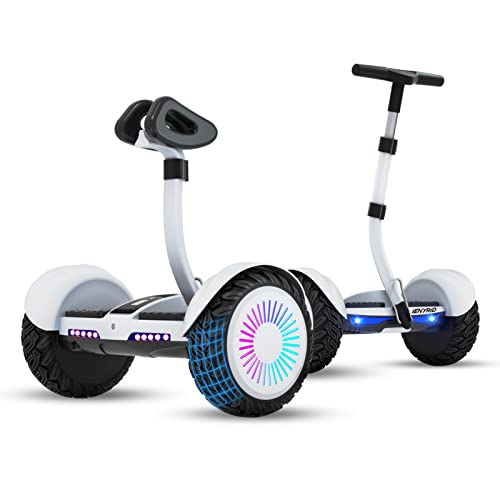
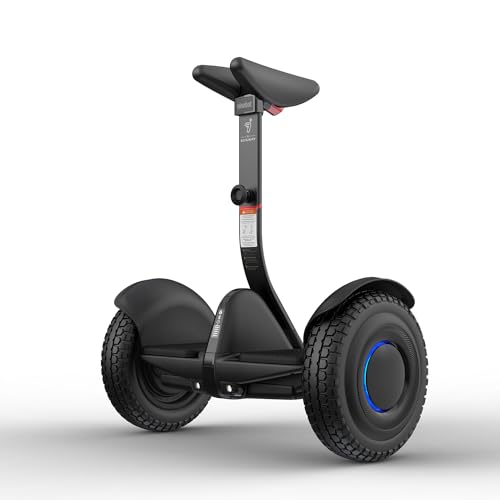
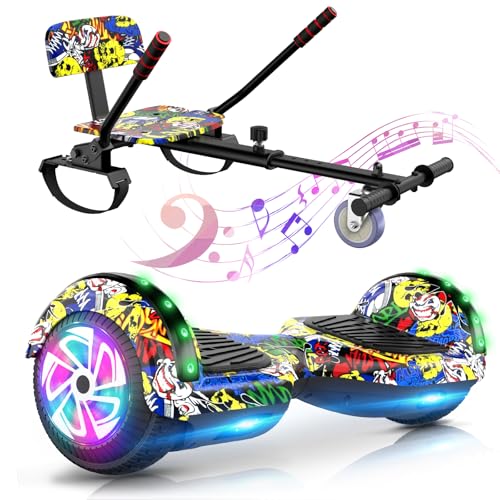
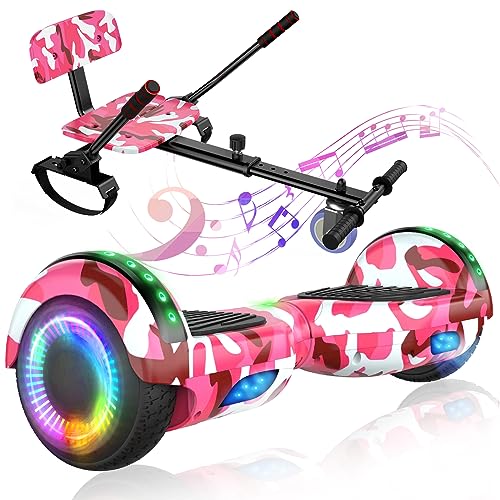
Picking the best electric hoverboard scooter for your family means looking past flashy colors and marketing claims to the details that actually affect safety and daily use. Board weight capacity, tire size, and battery range all shape how a hoverboard performs once it leaves the box. A model built for a lightweight eight-year-old on smooth sidewalks handles very differently than one meant for a teenager riding gravel paths after school. Fire-safety certification matters just as much as speed specs, since a handful of poorly made batteries have caused real damage over the years. This guide walks through the specifics that separate a reliable board from a risky one, so you can shop with confidence instead of guesswork.


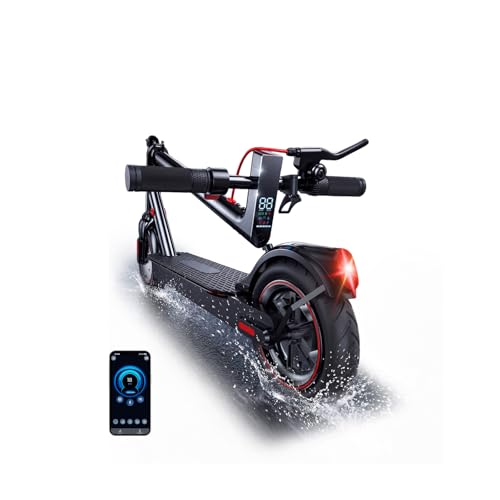
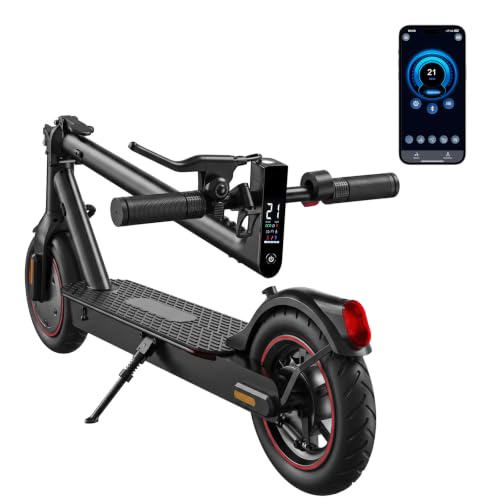
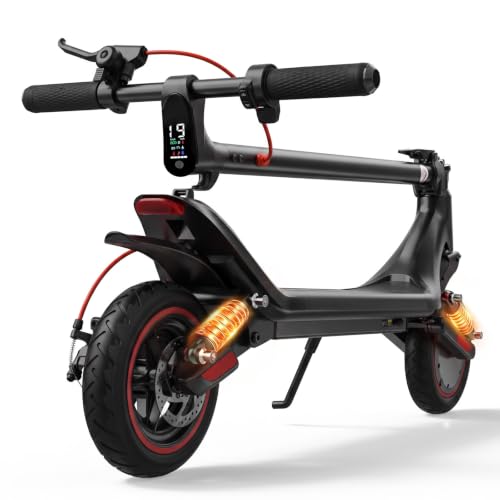
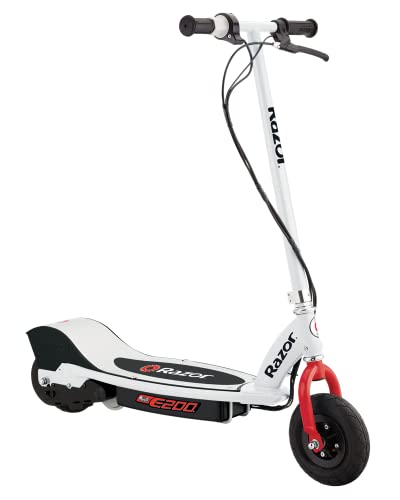
Why UL 2272 Fire-Safety Certification Comes First
Before comparing colors or top speeds, check for UL 2272 certification. This standard covers the entire electrical system of a hoverboard, including the battery pack, the charger, and the wiring that connects them. It exists because early hoverboards on the market used mismatched or poorly insulated battery cells that could overheat during charging, and several of those failures made national news.
A genuinely certified board carries a small holographic UL sticker, usually on the underside near the charging port. If a listing does not mention UL 2272 anywhere, or the seller cannot confirm it, treat that as a hard pass regardless of price. Certification also should extend to the charger itself, since a mismatched charger can undermine an otherwise safe battery.
Certification lowers risk, but it does not eliminate it entirely. Store the board away from bedding or curtains while charging, unplug it once it reaches full charge, and avoid leaving it charging overnight unattended.
Weight Capacity and Rider Age: Getting the Fit Right
Hoverboards typically list a minimum and maximum rider weight, and both numbers matter. Boards need roughly 40 to 45 pounds of downward pressure just to trigger the gyroscopic sensors correctly, so a rider under that threshold may find the board jerky or unresponsive. On the upper end, exceeding the stated weight limit puts real strain on the plastic chassis and motor, which can lead to cracking or sudden shutdown mid-ride.
- Lighter boards (roughly 44 to 130 pounds) suit younger kids around ages 8 to 12
- Mid-range boards (around 130 to 220 pounds) fit most teens and adults
- Heavy-duty boards (220 pounds and up) are built for larger adult riders
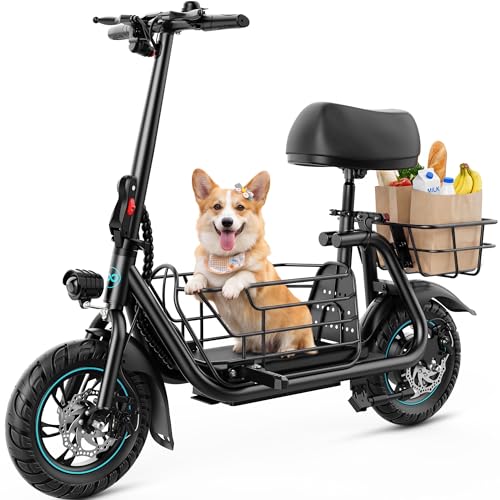
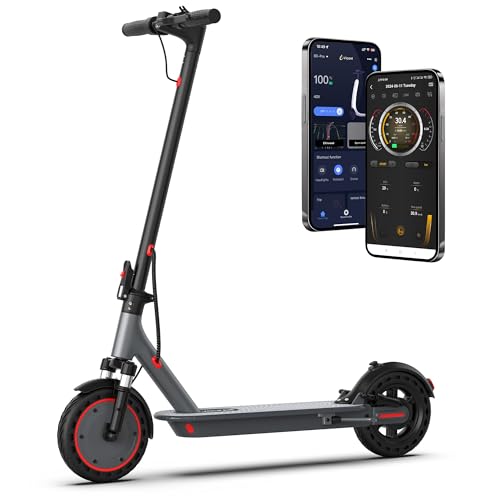
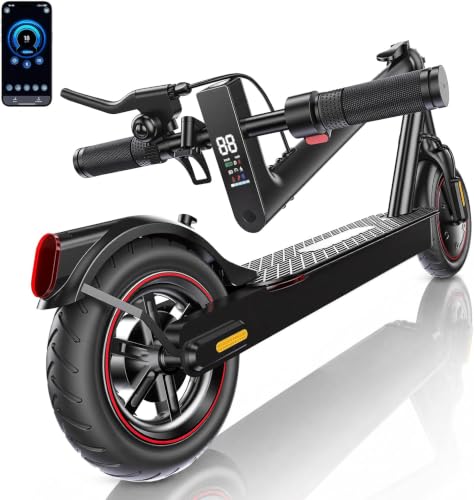
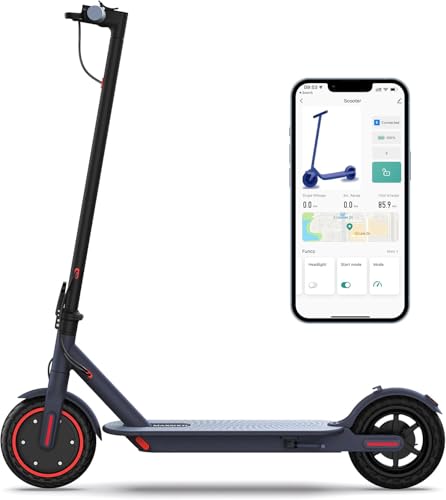
Age matters as much as weight, since balance, reaction time, and judgment around traffic and obstacles still develop through the early teen years. For a child who is not quite ready for the balance demands of a hoverboard, a standing electric scooter built for kids can be a gentler entry point before moving up to a self-balancing board.
Wheel Size and Terrain: Sidewalk Cruisers vs. Off-Road Builds
Wheel size and tire type decide where a hoverboard can actually go. Standard boards use 6.5 to 8-inch solid wheels, which work fine on driveways, sidewalks, and gym floors but struggle with cracks, gravel, or grass. Larger 8.5 to 10-inch air-filled tires absorb bumps far better and hold traction on dirt paths, uneven yards, or light gravel.
That difference is part of why the best electric hoverboard scooter for a suburban rider who mostly cruises the driveway looks nothing like the one built for a kid who wants to ride across the yard and down a gravel path. Off-road-style boards also tend to run more powerful dual motors to compensate for the added rolling resistance of soft ground.
If most riding will happen indoors or on paved paths, a smaller-wheeled, lighter board is easier to control and store. If the plan includes yards, trails, or uneven sidewalks, prioritize the larger pneumatic tires even if it means a slightly heavier board.
Battery Range, Charging Time, and Real-World Riding Distance
Listed range numbers assume ideal conditions: a light rider, flat pavement, and moderate speed. In practice, most hoverboards deliver somewhere between 7 and 12 miles per charge on smooth ground, and that number drops noticeably, often by a quarter or more, on grass, inclines, or with a heavier rider aboard.
Charging times generally run from 2 to 4 hours depending on battery capacity. A larger battery means longer range but also a longer wait between rides, so weigh that trade-off against how the board will actually be used. Boards intended for daily short trips around a neighborhood don't need the biggest battery on the market, while a board meant for longer outdoor sessions benefits from the extra capacity.
Watch battery health over time as well. Lithium-ion packs lose some capacity after repeated full-discharge cycles, so partial charges and avoiding total drain before recharging can extend the board's usable life by a meaningful margin.
Frequently Asked Questions
How long does a hoverboard battery actually last per charge?
Most boards run 7 to 12 miles on a full charge under ideal conditions. Rougher terrain, colder weather, and heavier riders all shorten that range, sometimes by 25 percent or more.
Do all hoverboards need to be UL 2272 certified?
Yes. UL 2272 covers the battery, charger, and wiring system as a whole. Boards without it have a documented history of overheating and fire risk, so this certification should never be treated as optional.
What age is appropriate for a first hoverboard?
Most manufacturers set a minimum age around 8, but coordination and judgment still vary widely at that age. Close adult supervision and a helmet are worth keeping in place well into the early teen years.
Can a hoverboard handle grass, gravel, or light off-road terrain?
Only models with larger, air-filled tires and dual motors handle rough ground well. Standard solid-wheel boards are built for pavement and will struggle or stall on soft or uneven surfaces.
How long does it take to fully charge a hoverboard?
Charging typically takes 2 to 4 hours, depending on battery size. Always use the charger that came with the board, since mismatched chargers are a common cause of battery problems.
What happens if a rider exceeds the weight limit?
The chassis and motor take on stress they weren't designed for, which can cause cracking, overheating, or a sudden loss of balance control. Staying within the rated range keeps both the rider and the board safe.
Do hoverboards work well in rain or wet conditions?
Most standard boards are not fully waterproof and should be kept away from puddles, wet grass, or rain. A handful of higher-end models carry water-resistance ratings, but checking the specific rating before riding in damp conditions is always worth the extra minute.
Riding Smart From Day One
The best electric hoverboard scooter for your household is the one matched to rider weight, terrain, and safety certification, not the one with the flashiest paint job. Start with a short supervised session on a flat, open surface so the rider gets a feel for balance before adding speed or uneven ground. Protective gear, a verified UL 2272 label, and a charging routine that avoids unattended overnight charging go a long way toward making every ride a good one.