Best Range Hoods Under Cabinet: A Complete Buying Guide
Disclosure: We may earn a commission when you buy through links on this page, at no extra cost to you. As an Amazon Associate we earn from qualifying purchases. Learn more

Shopping for the best range hoods under cabinet space allows? Learn CFM limits, ducted vs ductless venting, and how to measure your cabinet before you buy.
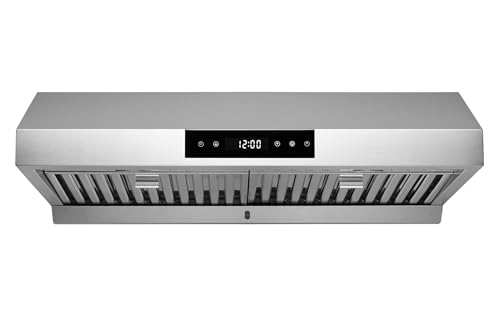
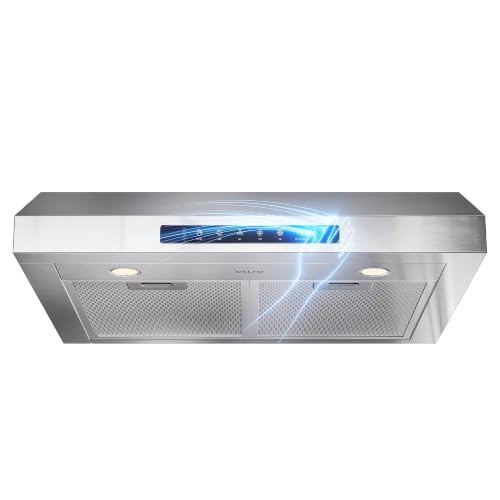
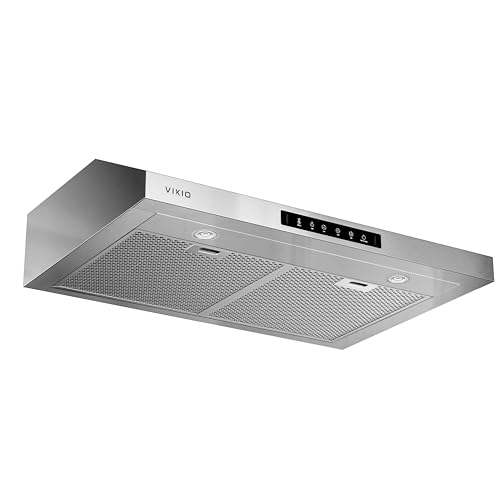
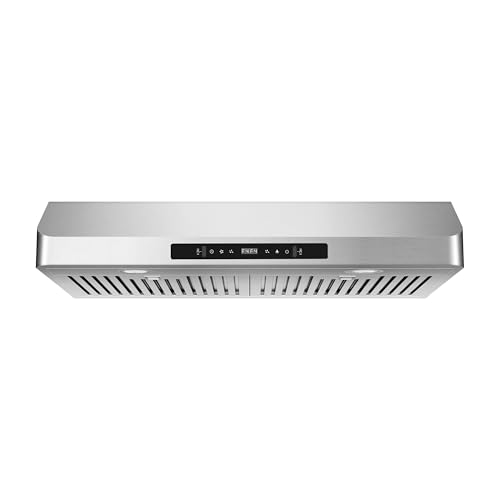
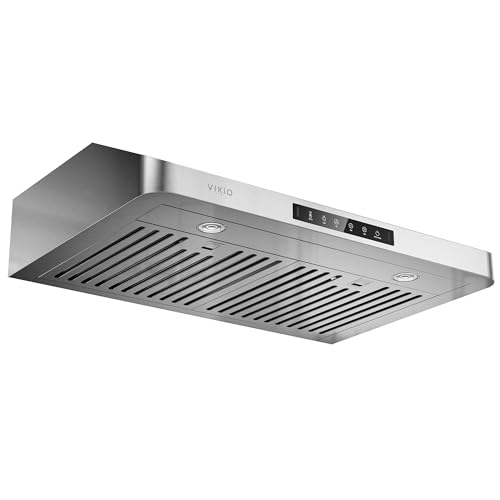
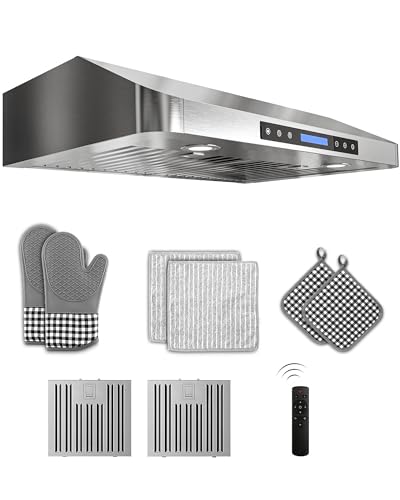
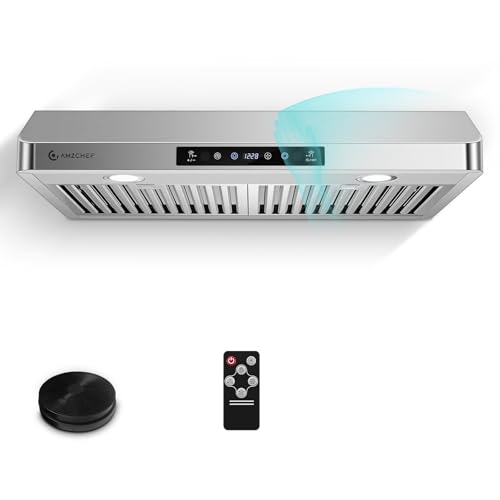
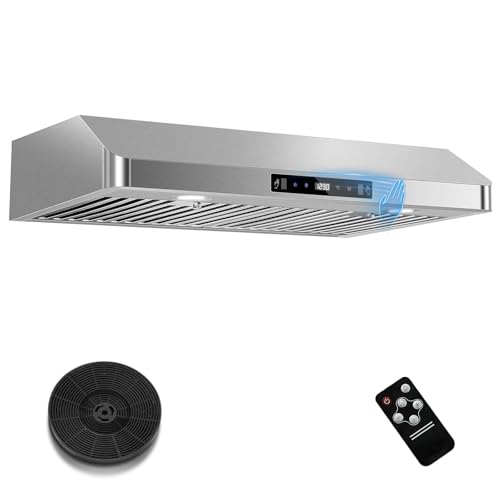
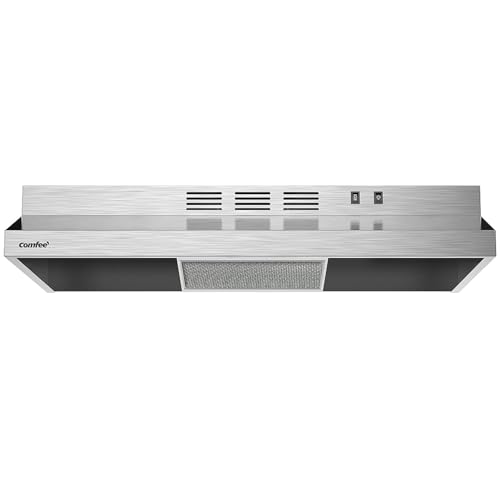
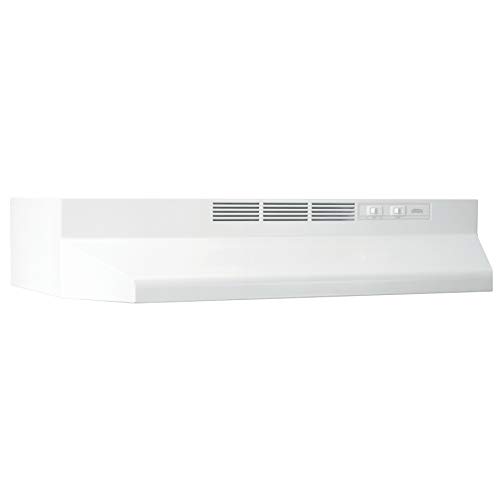
Cracking open the cabinet doors above your stove and trying to picture a range hood squeezed into that shallow gap is where most people's search actually starts. Unlike a wall-mount hood that can be as tall or as powerful as the wall allows, an under-cabinet range hood has to work inside a box someone else already built, usually 12 to 13 inches deep and only as wide as the cabinet sitting above your cooktop. That constraint shapes everything about shopping for the best range hoods under cabinet space actually allows, from how much air the blower can realistically move to how loud it sounds once it's running a few inches from your head. This guide focuses on what changes when a hood has to live inside existing cabinetry: the airflow ceiling that comes with a compact housing, how to confirm your cabinet will actually work before you buy, what to do if there's no cabinet over your cooktop at all, and why noise behaves differently in an enclosed space than it does out in the open.




Why Cabinet Space Puts a Ceiling on Airflow and Fan Size
Every range hood needs a blower housing large enough to move air efficiently, and under-cabinet units have the least room to work with of any style. That single constraint explains most of the performance gap you'll notice when comparing an under-cabinet hood to something mounted on open wall space.
The CFM Trade-off of a Compact Housing
Because the blower has to fit inside a shallow footprint, most under-cabinet hoods land between 200 and 400 CFM, with a handful of higher-end compact units pushing closer to 600 CFM at the top of what the format can realistically support. A wall-mount chimney-style hood built for a similar price point often clears that ceiling by a wide margin simply because its housing isn't boxed in by cabinet dimensions. If you cook at high heat often, sear regularly, or run a gas cooktop with strong combined burner output, it's worth running the actual CFM math for your kitchen before assuming a compact under-cabinet unit will keep pace.
Ducted Airflow Squeezed Into a Cabinet Cavity
Ducted models still outperform recirculating ones in an under-cabinet installation, but the duct itself has to travel through or around the cabinet cavity, which limits how straight a path it can take. If your cabinet backs up to an interior wall with no clear route outside, running real ductwork gets complicated fast, and a ductless range hood that filters and recirculates air becomes the more realistic choice, even though it won't clear smoke quite as thoroughly as a properly vented setup.
Confirming Your Cabinet Can Actually Fit One
Getting the measurements right before you shop is what separates a smooth install from a returned box and a second trip to the store. Before any hood can earn a spot among the best range hoods under cabinet space allows, it has to physically fit, and that starts with these three measurements.
Depth and Housing Clearance
Standard wall cabinets run about 12 to 13 inches deep, and the hood's housing needs to sit entirely inside that space or it will hang below the cabinet face. Measure the cabinet directly above your cooktop rather than trusting a "standard" number, since older kitchens and custom cabinetry vary more than most people expect.
Minimum Mounting Height Above the Cooktop
Most manufacturers set the minimum clearance at 24 to 30 inches between the cooktop surface and the bottom of the hood, with gas ranges sometimes calling for a taller minimum than electric ones. Mount it too low and it crowds tall pots or blocks your line of sight. Mount it too high and it loses much of its ability to catch smoke before it spreads across the kitchen.
Matching Width to Your Cooktop
The hood should be at least as wide as your cooking surface, and in practice the cabinet width above it usually decides the question for you anyway. If you're pairing the hood with a high-output gas cooktop, lean toward the wider end of what your cabinet allows rather than the narrowest option that technically fits.
What to Do When You Don't Have a Cabinet Overhead
Plenty of kitchens simply don't have a cabinet sitting above the cooktop, whether it's an open shelf layout, a range set against a windowed wall, or a renovation that removed the upper cabinets entirely. An under-cabinet hood needs something to mount to, so this situation calls for a different approach.
Wall-Mount and Chimney-Style Alternatives
When there's open wall space instead of a cabinet, a wall-mount or chimney-style hood is usually the more practical fix rather than trying to force an under-cabinet unit to work without proper support. These attach directly to the wall or ceiling and free you from the depth limits that shape under-cabinet models, often with a noticeably higher airflow ceiling as a result.
Building a Custom Box With an Insert or Liner
If you'd rather keep the tucked-in look of an under-cabinet hood, an insert or liner kit mounted inside a custom-built box can recreate that footprint even without existing cabinetry. A carpenter or cabinet installer builds a shallow enclosure to the hood manufacturer's spec, and the liner does the actual venting work inside it. This route costs more upfront than buying a standalone unit, but it lets you match the surrounding cabinetry, or finish it in a decorative style if you want the hood itself to stand out rather than disappear.
Living With the Noise in a Confined Space
Sone ratings tell you how loud a hood is in isolation, but where the hood sits changes how that noise actually reaches you.
Why Proximity Changes How Loud It Feels
An under-cabinet hood sits only a foot or two from your ears, closer than a wall-mount unit typically gets, so the same sone rating tends to feel louder in daily use. A hood rated in the 1 to 3 sone range at low speed is comfortable at this distance, while anything climbing past 6 or 7 sones on high starts to dominate a small kitchen fast.
Cabinet Resonance and Vibration
Because the housing is wedged directly against wood cabinetry rather than open wall or ceiling, vibration from the motor can transfer into the cabinet box and hum louder than the blower alone would suggest. A well-balanced fan and a properly sealed mounting bracket cut down on that resonance more than a higher price tag does.
Frequently Asked Questions
What size under-cabinet range hood do I need?
Match the hood's width to your cooktop, or go slightly wider if your cabinet allows it. Standard widths run 24, 30, and 36 inches, with 30 inches fitting most residential ranges.
Can I install a range hood under any cabinet?
Not quite. The cabinet needs enough depth for the housing and enough clearance above the cooktop to meet safety guidelines. A shallow or low-hanging cabinet may need modification before a standard unit will fit.
How much CFM do I need for an under-cabinet hood?
Most kitchens do fine with 200 to 400 CFM for everyday cooking. Heavier cooking styles or a larger gas cooktop may call for closer to 600 CFM, which sits near the practical ceiling for this format.
What can I do if there's no cabinet above my cooktop?
A wall-mount or chimney-style hood is usually the simplest fix since it doesn't depend on existing cabinetry. Building a custom box around an insert or liner is another option if you want to keep the tucked-in look.
Why does my under-cabinet range hood sound louder than its rating suggests?
Sitting close to your ears and mounted directly against cabinetry both make noise more noticeable than the same rating would feel on a wall-mount unit. Vibration transferring into the cabinet box adds to that effect.
Is a ducted or ductless under-cabinet hood better?
Ducted is generally more effective since it removes air rather than recirculating it, but it depends on whether a reasonably direct duct path to the outside exists in your cabinet cavity. Ductless becomes the practical choice when that path isn't there.
Fitting the Hood to the Kitchen You Actually Have
An under-cabinet range hood works well once you stop expecting it to match the airflow of a hood twice its size and start planning around the space you actually have. Measure the cabinet first, keep CFM expectations realistic for a compact housing, and have a backup plan ready if there's no cabinet overhead to begin with. Get those pieces right, and the best range hoods under cabinet constraints allow will handle daily cooking without asking for a bigger kitchen than you've got.