Best Gas Stove Cooktop: A Complete Buying Guide
Disclosure: We may earn a commission when you buy through links on this page, at no extra cost to you. As an Amazon Associate we earn from qualifying purchases. Learn more
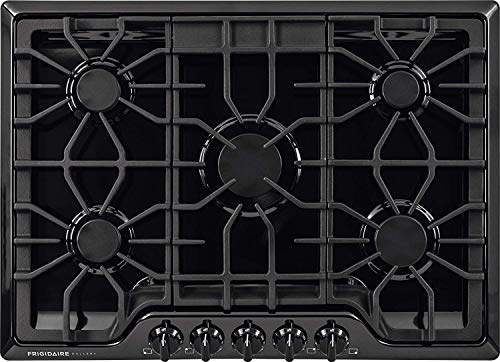
Shopping for the best gas stove cooktop? Learn burner mix, BTU ratings, sizing, ventilation, and installation tips before you buy.
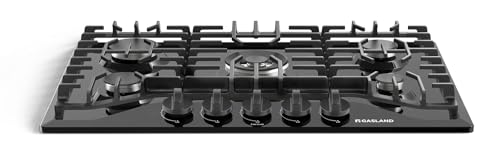
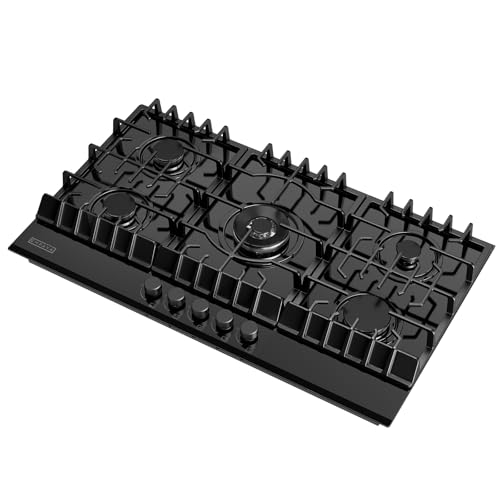
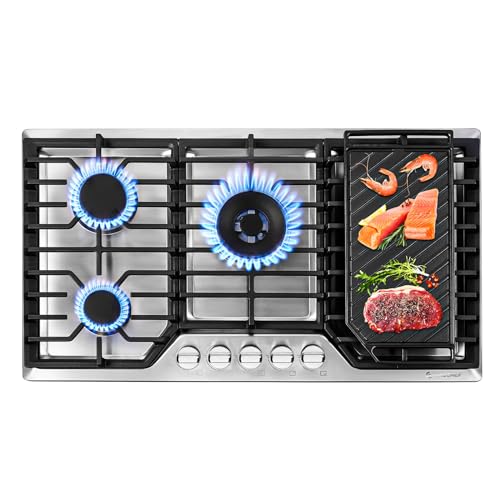
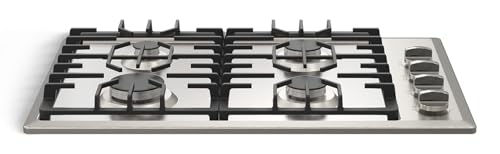
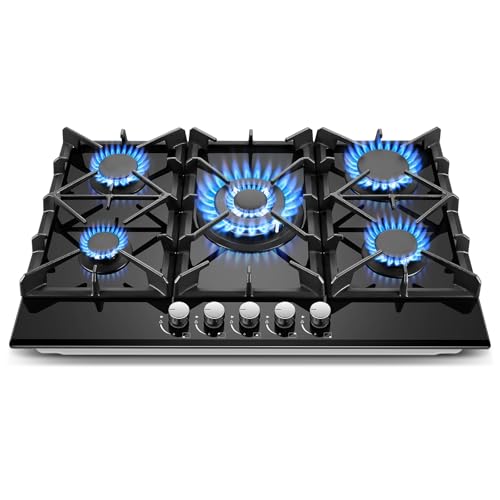
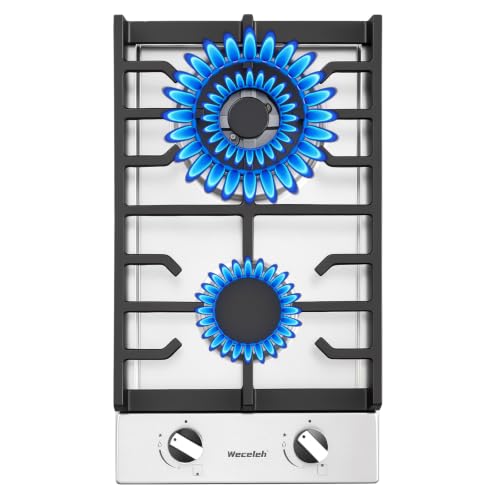
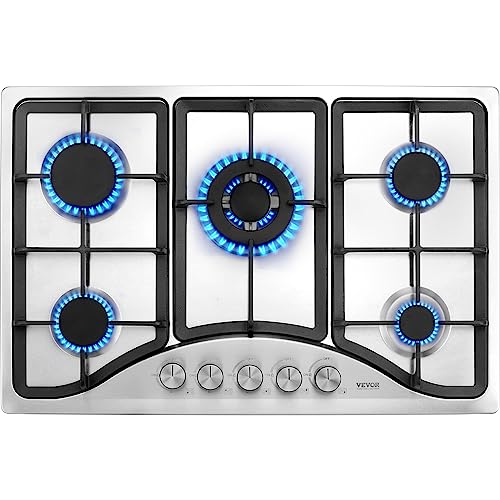
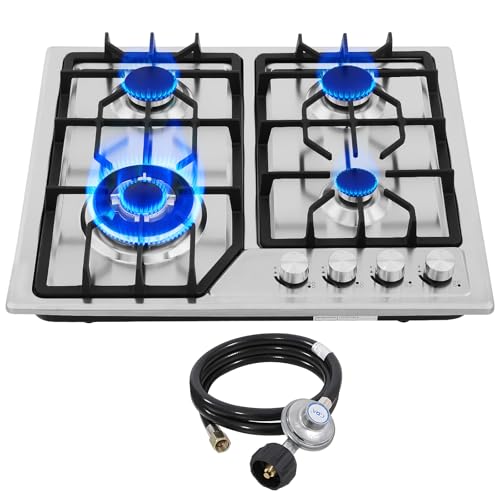
Choosing the best gas stove cooktop for your kitchen comes down to more than burner count. You need the right BTU spread, a width that matches your countertop cutout, and a gas line setup a licensed installer can actually work with. Home cooks favor gas because the flame gives instant, visible heat control, which matters for searing, wok work, and simmering delicate sauces without guesswork. Before you shop, think about how you actually cook: heavy stir-frying calls for a strong power burner, while a household that mostly boils pasta and simmers soup gets more value from an even burner mix. This guide walks through burner output, sizing, installation, cleaning, and how gas stacks up against electric and induction so you can shop with confidence.


Burner Output and BTU Ranges That Actually Matter
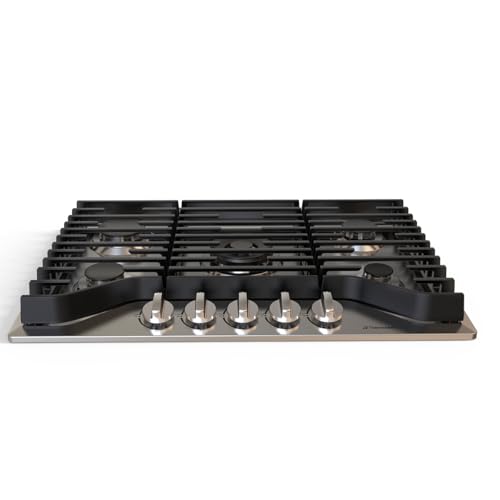
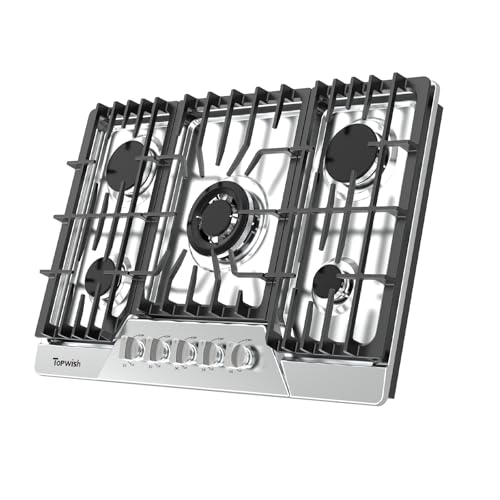
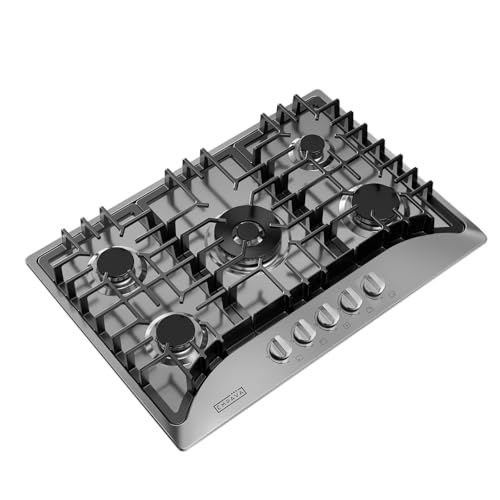
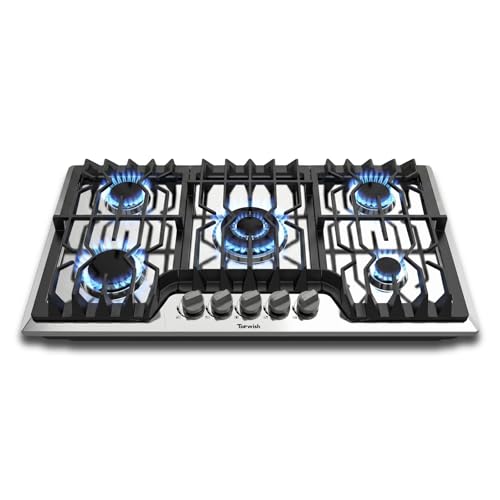
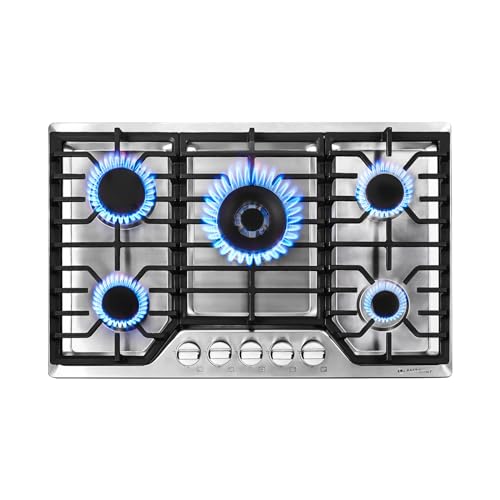
BTU, or British thermal unit, ratings tell you how much heat a burner can produce per hour, and a good cooktop spreads that output across a useful range rather than giving you four identical burners. Simmer burners typically sit between 3,000 and 5,000 BTUs, which keeps sauces from scorching and chocolate from seizing. Mid-range burners in the 9,000 to 13,000 BTU zone handle everyday sauteing, boiling, and pasta water. A single power burner rated 17,000 BTUs or higher earns its keep when you sear meat or heat a wok quickly.
Continuous vs. Individual Grates
Continuous grates span the entire cooktop surface, so you can slide a heavy pot or wok from one burner to another without lifting it. Individual grates sit over each burner separately and are lighter to lift for cleaning, though they leave gaps that some cooks find less convenient for large pans.
Ignition Type
Standing pilot lights stay lit at all times and ignite the burner the instant you turn the knob, but they waste a small amount of gas around the clock. Electronic spark ignition only sparks when you turn the dial, which saves fuel and keeps the kitchen a bit cooler, though it depends on household electricity and will not ignite during a power outage.
Matching Cooktop Width to Your Countertop Cutout
Gas cooktops are sold in a handful of standard widths, and getting this measurement right saves you a countertop repair later. A 30 inch model is the most common choice for typical kitchens and apartments, usually fitting four burners into a roughly 28 by 19 inch cutout. A 36 inch model steps up to five or six burners and needs a wider opening, closer to 34 and a half by 19 and a half inches, which suits households that cook multiple dishes at once.
If you are replacing an existing cooktop, measure the current cutout before you shop rather than assuming a new unit will match. Manufacturers vary slightly in trim overlap and mounting clips, so a model that is technically the same nominal width can still need minor cutout adjustment. When in doubt, bring the old unit's dimensions, or a tape measure and photo of the opening, when you compare replacement options.
What the Gas Line and Hood Setup Actually Requires
Every gas cooktop needs a dedicated gas supply line, typically a half inch line with its own shutoff valve, run by a licensed plumber or gas fitter rather than a general contractor. Building codes in most areas require a permit and inspection for new gas line work, and skipping that step can cause problems later when you sell the home. If you are converting from electric, budget for both the line installation and a possible outlet or wiring change nearby, since many cooktops still need power for the igniter and any electronic controls.
Ventilation matters just as much as the gas connection. A 30 inch cooktop generally needs 300 to 450 CFM of range hood airflow, while a 36 inch model with more burners performs best with 600 CFM or more. A range hood sized to your cooktop's output clears grease, smoke, and combustion byproducts far more effectively than an undersized fan squeezed under a cabinet. Downdraft vents are an option for islands without overhead cabinets, but they pull less efficiently than an overhead hood and struggle with tall stockpots.
Keeping Grates and Burner Caps Clean Without a Fight
Sealed burners keep spills from dripping into the cooktop's internals, which makes daily wipe downs faster and prevents the burnt smell that comes from grease pooling under an open burner. Open burners, more common on professional style cooktops, deliver slightly better flame response but need more frequent disassembly to clean properly.
Removable grates and burner caps should lift off without tools, so check that detail before you buy rather than after. Most porcelain coated grates and caps go straight into a sink of hot soapy water or a dishwasher's top rack, though hand washing tends to preserve the finish longer. Wipe the cooktop surface itself while it is still slightly warm, since cooled grease and sauce residue harden and take real effort to scrub off. A soft brush works well for the small ports around each burner head, where clogged debris can cause uneven flames or a yellow tip instead of a clean blue one.
Why Some Cooks Never Switch Back to Electric or Induction
Gas gives you a visible flame that responds the instant you turn the dial, which matters most for high heat techniques like wok cooking, flambeing, or charring peppers directly over the burner. You can also use any type of cookware on gas, unlike induction, which only works with magnetic pans. Cooks who already own a mixed set of cookware often stick with gas cooktops for that flexibility alone.
That said, gas has real trade offs. A meaningful share of the heat escapes around the sides of the pan instead of transferring into the food, so gas burners waste more energy than induction and heat the kitchen more in warm weather. Gas cooktops also lack the automatic shutoff and boil detection features common on many electric and induction models, so you still need to keep an eye on what is cooking. If indoor air quality or a completely flat, easy to wipe surface matters more to you than flame control, induction is worth a look. Weigh the trade offs honestly instead of assuming gas always wins for every kitchen.
Frequently Asked Questions
What BTU range should I look for in a gas cooktop?
Look for a spread rather than one number: at least one simmer burner under 5,000 BTUs, several mid-range burners between 9,000 and 13,000 BTUs, and one power burner above 17,000 BTUs for searing and wok cooking.
Is a 36 inch model always the better gas cooktop?
Not necessarily. The best gas stove cooktop depends on your household's cooking habits and kitchen layout; a 30 inch, four burner unit suits most everyday cooking, while 36 inch models earn their keep in larger households that cook several dishes simultaneously.
Can I install a gas cooktop myself?
The cooktop itself can often be set into the countertop by a handy homeowner, but the gas line connection should be handled by a licensed plumber or gas fitter. Most local codes require a permit and inspection for new or modified gas lines.
Do I need a range hood with a gas cooktop?
Yes. Gas combustion produces byproducts along with grease and smoke, so a properly sized range hood or downdraft vent matters for indoor air quality, not just for keeping cabinets grease free.
Sealed or open burners, which is easier to live with?
Sealed burners are easier for daily cleaning since spills stay on the surface instead of dripping inside the unit. Open burners offer marginally more precise flame response but need more frequent disassembly and cleaning around the burner heads.
How many burners do I actually need?
Four burners cover most households comfortably. Consider five or six only if you regularly cook multiple dishes at once or entertain often, since extra burners add cost and take up more counter space without added benefit for everyday meals.
Does a gas cooktop work during a power outage?
A cooktop with standing pilot lights will still ignite manually during an outage. Models with electronic spark ignition typically will not light without power, though some can be lit carefully with a match as a backup in many cases.
Getting the Right Fit for Your Kitchen
The best gas stove cooktop for your kitchen is the one that matches how you actually cook, fits your existing cutout or plumbing, and pairs with ventilation strong enough for its burner output. Prioritize burner spread and ease of cleaning over burner count alone, since a well matched four burner unit often outperforms an oversized cooktop that never gets used to capacity. Take accurate measurements and confirm gas line requirements with a licensed professional before installation day.