Best Ductless Range Hood: A Complete Buying Guide
Disclosure: We may earn a commission when you buy through links on this page, at no extra cost to you. As an Amazon Associate we earn from qualifying purchases. Learn more
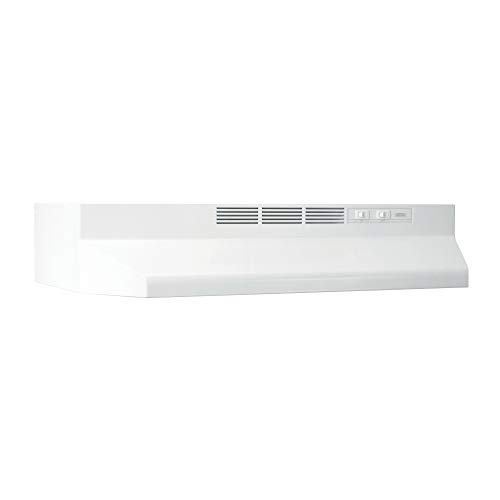
Considering a ductless range hood? See how recirculating filtration compares to ducted venting, plus filter upkeep and smoke removal performance.
If you live in an apartment, a condo, or a house with a kitchen island that sits nowhere near an exterior wall, you already know the frustration of shopping for range hoods that assume everyone can run ductwork through a roof or wall. Finding the best ductless range hood for your situation means understanding how these units actually filter cooking air, since they clean and recirculate it rather than pushing it outside. This guide walks through what genuinely matters when comparing recirculating hoods: filtration, airflow, noise, ongoing filter costs, and sizing, so you can pick one that fits your kitchen and your cooking habits instead of guessing.





Why a Recirculating Hood Makes Sense in Certain Kitchens
Ductless hoods exist because not every kitchen can vent outside. Rental units, older buildings, and condos with shared walls often have no path for ductwork, and cutting through a roof or exterior wall may not be allowed by a landlord or homeowners association. A kitchen island in the middle of an open floor plan faces the same problem: running duct through the floor or ceiling to reach an exterior wall can be expensive or structurally impossible.
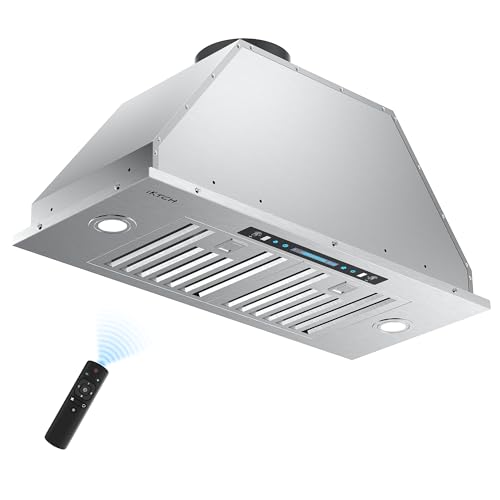
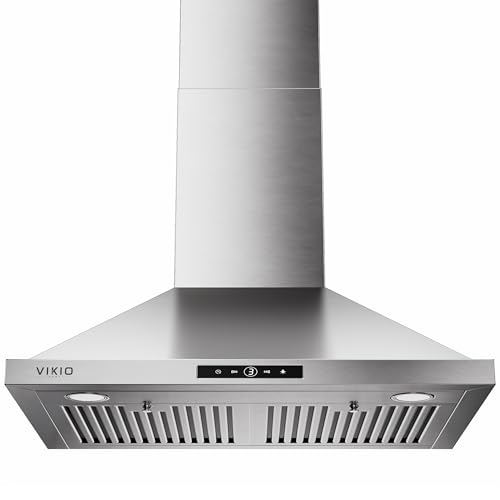
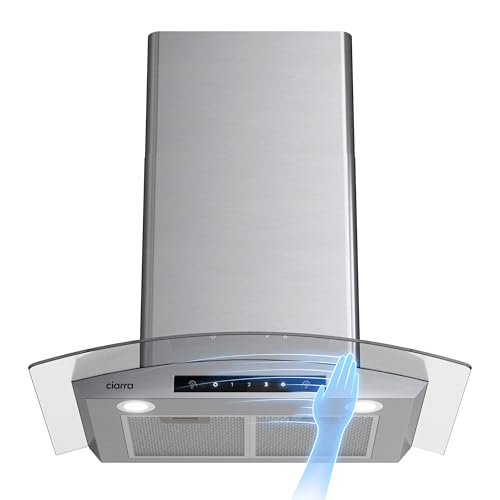
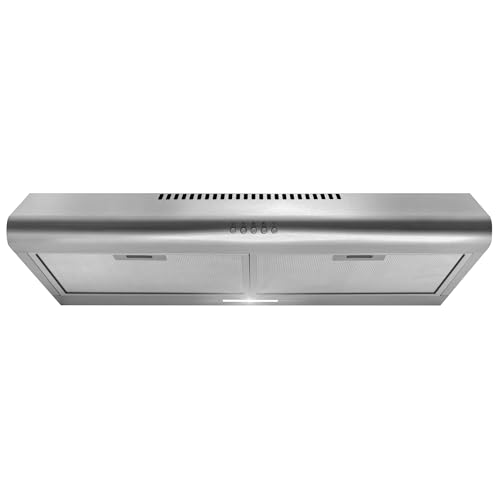
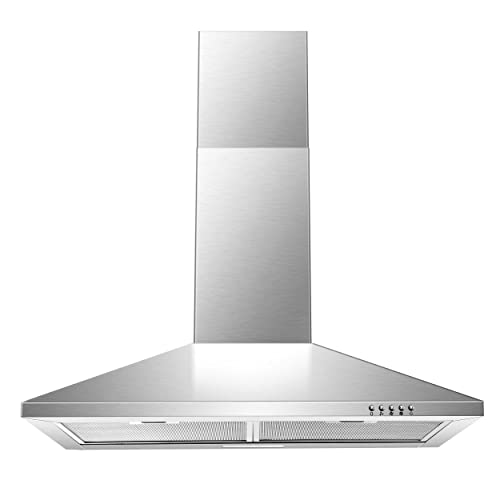
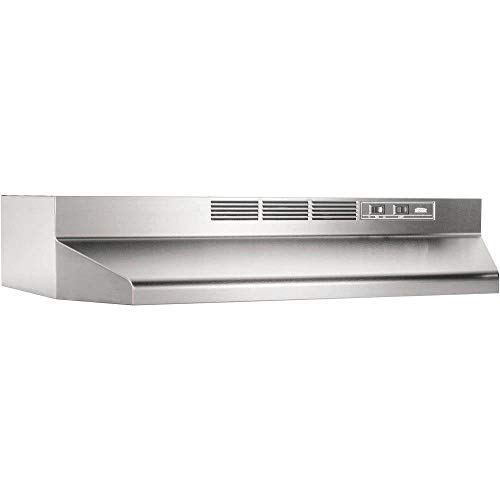
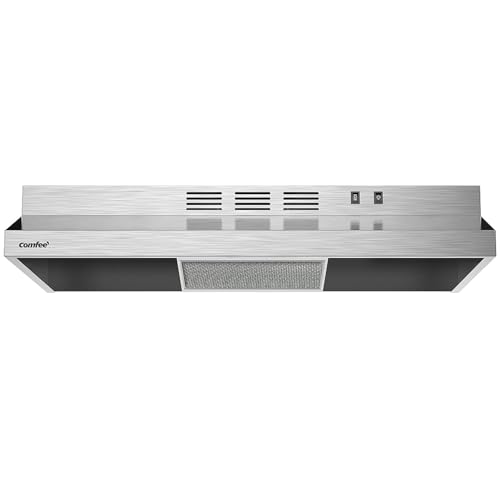
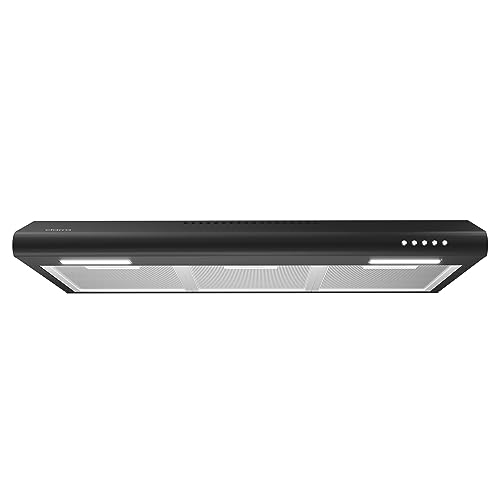
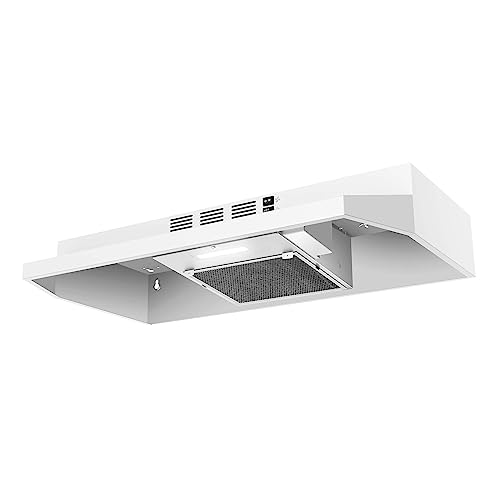
In these cases, a self-contained, recirculating hood is often the only realistic option. It mounts under a cabinet, on a wall, or above an island, pulls air through its filters, and releases it back into the room. There is no need to coordinate with an HVAC contractor or cut into your ceiling. That flexibility is the whole appeal, and it is why ductless hoods show up so often in apartment renovations and rental-friendly kitchen upgrades.
What Recirculating Filtration Can and Cannot Do
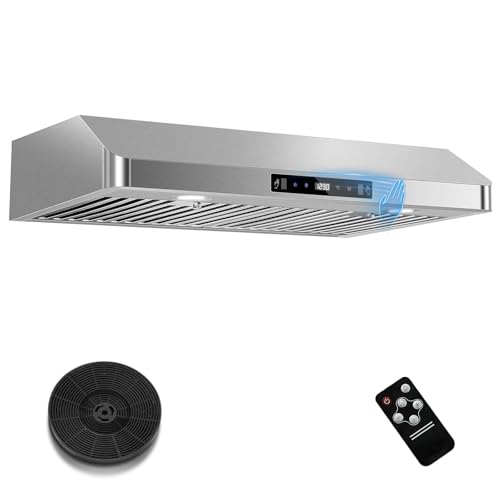
A ductless hood pulls smoke, grease particles, and cooking odors through two filter stages. Grease first hits a metal mesh or baffle filter, which traps oil droplets before they can coat your cabinets. The air then passes through a carbon or charcoal filter, which absorbs odor-causing compounds the way a household air purifier does.
Where a ductless range hood falls short compared to a vented one is heat and humidity. Ducted systems physically remove hot, moist air from a boiling pot or a searing pan and send it outside. A recirculating unit cannot do that; it filters particles and smell, then releases the same warm, humid air back into the kitchen. If you fry often or cook with a lot of steam, expect the room to stay warmer and more humid than it would with true outside venting, even with a strong filter setup.
Comparing Airflow, Filters, and Noise Across Models
CFM (cubic feet per minute) still matters for a recirculating hood, but not in the same way it does for ducted models. Because the air only has to travel a few inches through the unit rather than down a long duct run, a CFM rating in the 200 to 400 range is usually enough for typical home cooking. A higher number on the box does not always mean better performance; when you compare specs side by side, the best ductless range hood on paper is rarely just the one with the highest CFM listed, since a poorly designed high-CFM fan can blast air past the carbon filter without giving it enough contact time to actually clean anything.
Grease filter type
Baffle filters made of stainless steel handle heavy grease better and are dishwasher safe, while flat mesh filters are cheaper but need more frequent hand washing to stay effective.
Noise level
Because a recirculating unit has to force air through dense charcoal media, the motor can work harder at high speed than a ducted equivalent, which sometimes shows up as extra noise. Checking the sone rating at both low and boost speed gives a more honest picture than the spec sheet's top CFM number alone.
Budgeting for Carbon Filter Replacement
Unlike a ducted hood, where the metal grease filter is often the only part you ever touch, a recirculating hood adds an ongoing cost: the carbon filter cannot be washed or reused, and it needs to be swapped every three to six months depending on how often you cook. You will usually notice it is time for a fresh one when cooking smells start to linger in the kitchen longer than usual, even right after using the hood.
Before buying, check how much replacement filters cost and how easy they are to find, since some models use proprietary shapes that are only sold through the manufacturer. If you are weighing a recirculating unit against a budget-friendly ducted hood, factor the recurring filter expense into your total cost over a few years rather than comparing sticker prices alone.
Sizing a Ductless Hood to Your Cooktop
Getting the size right is one of the most overlooked steps in choosing the best ductless range hood for your kitchen, since even strong filtration cannot compensate for a hood that is too narrow or mounted too high. Width matters more with a recirculating hood than people expect, since there is no duct pulling air from farther away to compensate for a narrow unit. As a general rule, the hood should match or exceed the width of your cooktop; a 30 inch range typically calls for a 30 to 36 inch hood so it can capture smoke and steam rising from the back burners, not just the front ones.
Mounting height matters too. Hung too high, even a well-rated hood loses much of its capture efficiency because the plume of smoke and steam has already spread out before reaching the filters. Manufacturers usually specify a range, often around 24 to 30 inches above the cooktop, and it is worth measuring your own kitchen rather than assuming a standard installation will fit.
Frequently Asked Questions
Do ductless range hoods actually work?
Yes, for smoke and odor. They trap grease and absorb cooking smells effectively when the carbon filter is fresh, but they cannot remove heat or humidity from the room the way a vented hood can.
How often do I really need to replace the carbon filter?
Most households replace it every three to six months. Heavy cooks, especially those who fry often, may need to swap it closer to the three month mark to keep odor control working well.
Can I convert a ducted range hood to ductless?
Some hoods are designed to work either way and include a recirculating filter kit, but many ducted-only models cannot be converted. Check the manufacturer's specifications before assuming a conversion kit exists.
Are recirculating hoods loud?
Noise varies by motor quality, but pushing air through a dense carbon filter can make a unit work harder at high speed than a comparable ducted hood. Looking at the sone rating at both low and high settings gives a clearer picture than CFM alone.
Will a ductless hood remove kitchen heat when I'm boiling or frying?
No. It filters smoke, grease, and odor but recirculates the same warm, humid air back into the kitchen rather than expelling it outside like a vented system does.
What size ductless hood do I need for a 30 inch range?
Match or slightly exceed your cooktop's width. A 30 inch range generally pairs well with a 30 to 36 inch hood so the whole cooking surface stays under its capture area.
Is a ductless hood a good fit for an apartment kitchen?
Often, yes. Since installation does not require cutting through a wall or roof, a ductless unit is usually the most practical option for renters and units without existing venting. If you also want a quieter option for a small kitchen, a quiet wall mount hood built for recirculating use can be worth comparing.
Living with a Ductless Hood Long Term
A recirculating range hood is a practical, low-commitment way to control smoke and odor in kitchens where outside venting simply is not an option. Getting the most out of one comes down to picking the right size for your cooktop and staying consistent about filter changes. Treat the carbon filter like a recurring maintenance item rather than an afterthought, and the hood will keep doing its job well past the first year.