Radar Detectors: A Complete Buying Guide
Disclosure: We may earn a commission when you buy through links on this page, at no extra cost to you. As an Amazon Associate I earn from qualifying purchases. Learn more

You're cruising along, half-listening to the radio, when a wave of brake lights hits the lane ahead of you for no obvious reason. A few seconds later you see why: a patrol car tucked behind an overpass. Everyone slows down at once, and you realize you had no idea it was there until it was almost too late. That split-second warning is exactly what radar detectors are built to give you, and it's why so many drivers add one to their car even if they never plan on speeding on purpose. This guide walks through the different types of detectors, what detection range and radar bands actually mean, why false alert filtering matters more than most people expect, where to mount the unit, and whether it's even legal to use one where you live.



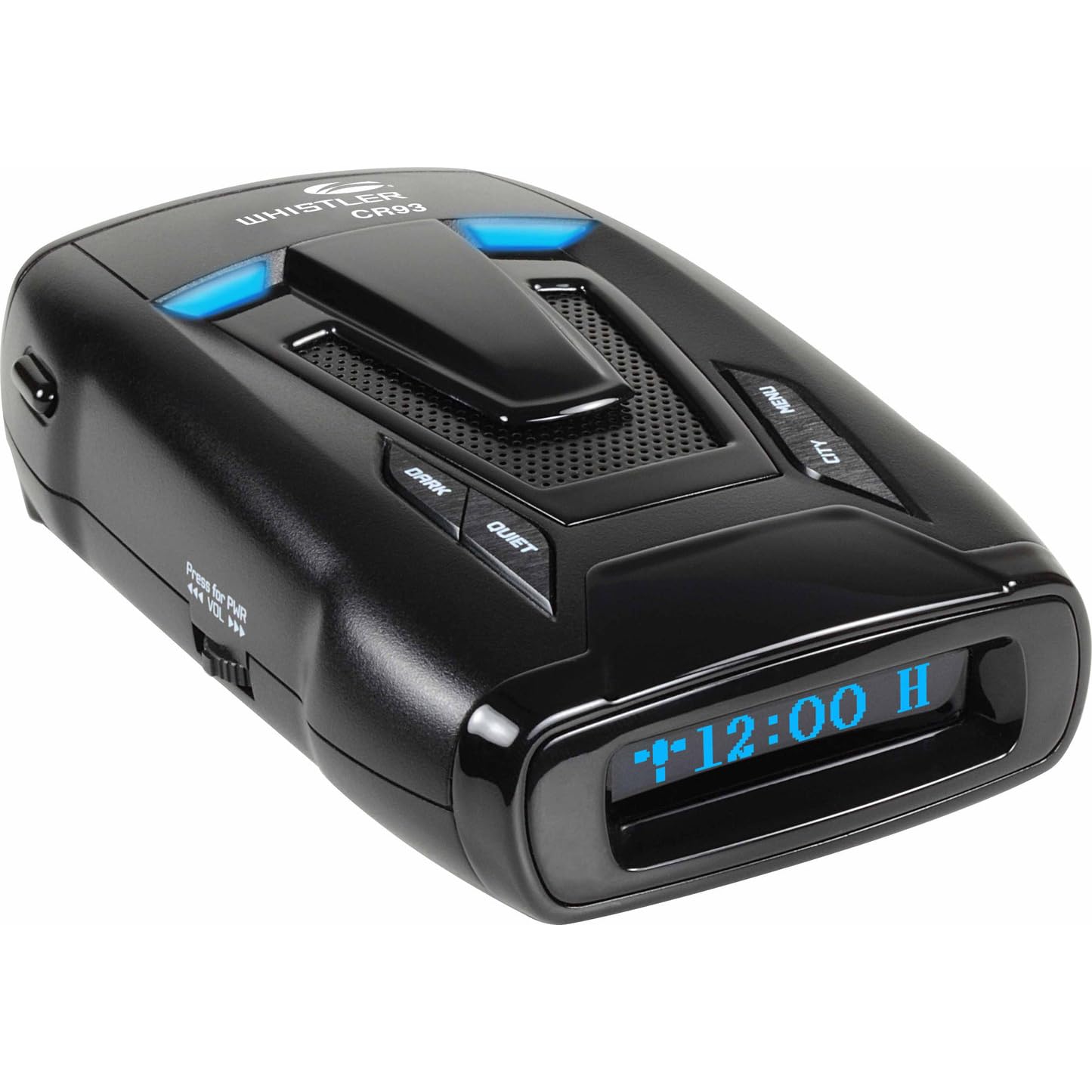
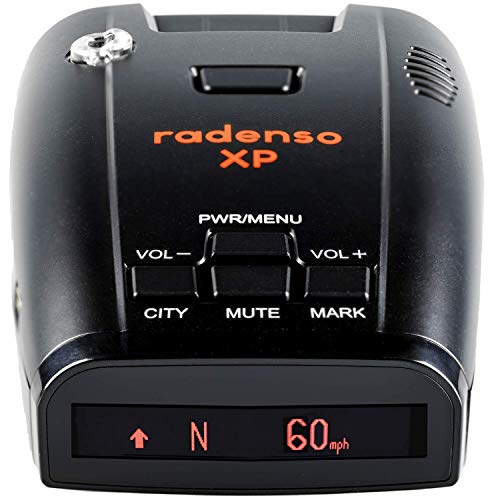
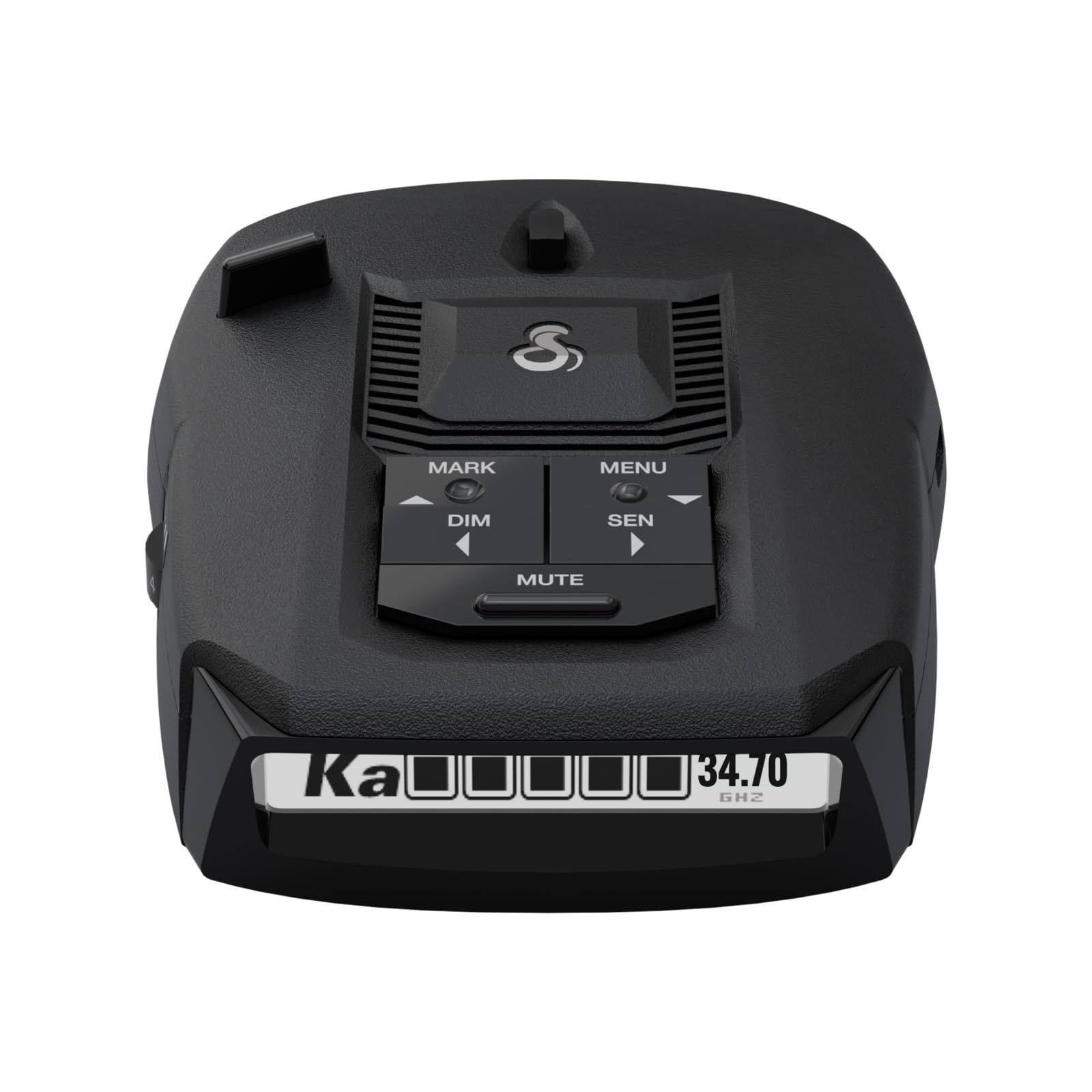

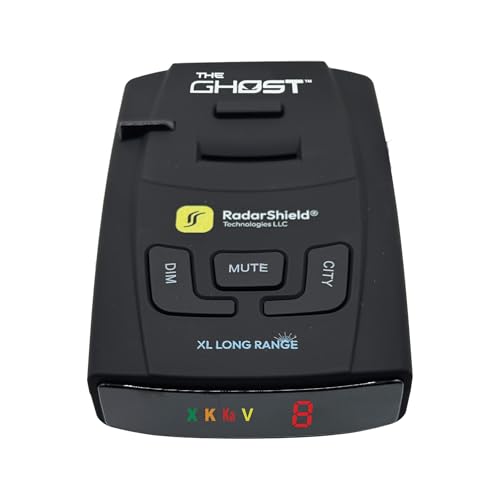
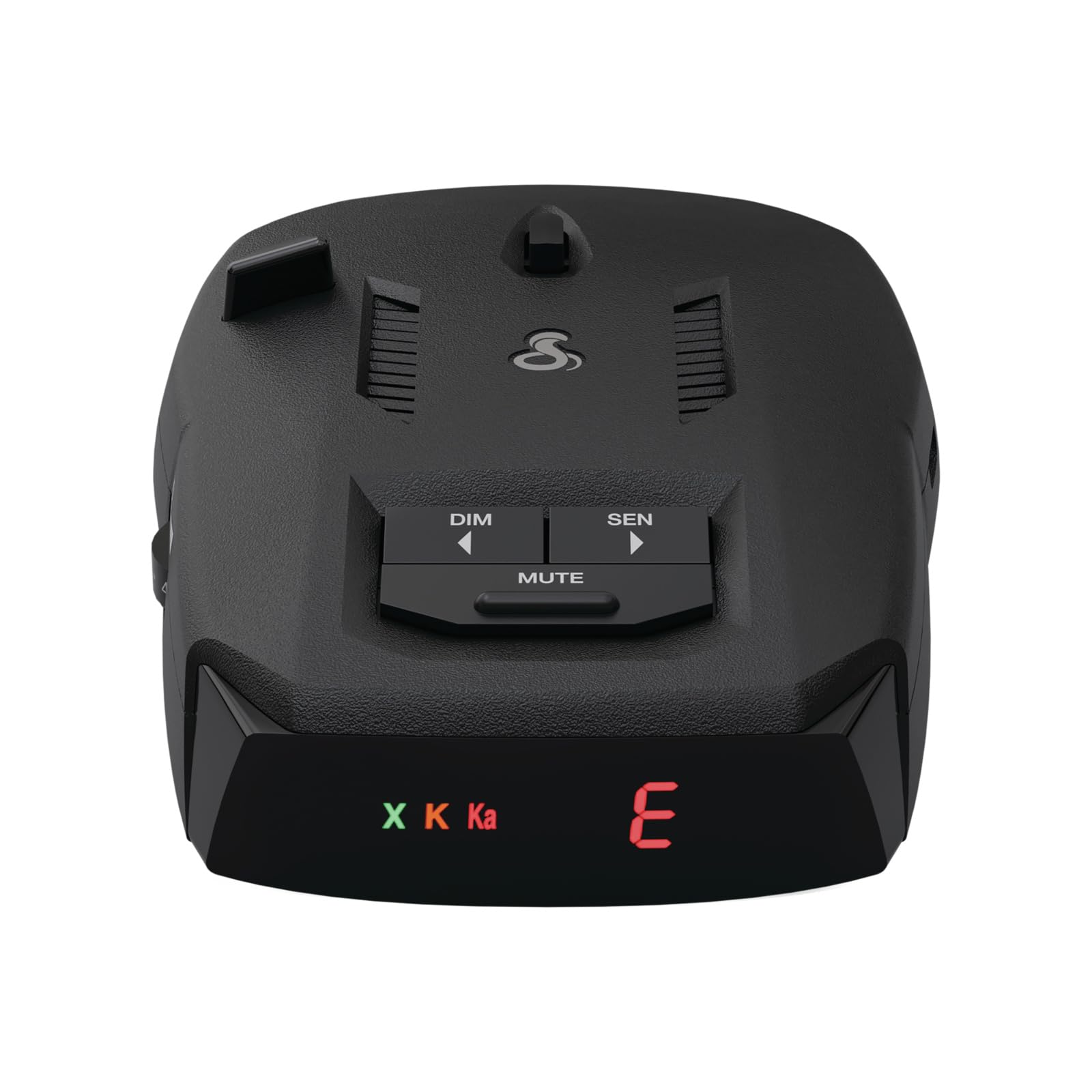
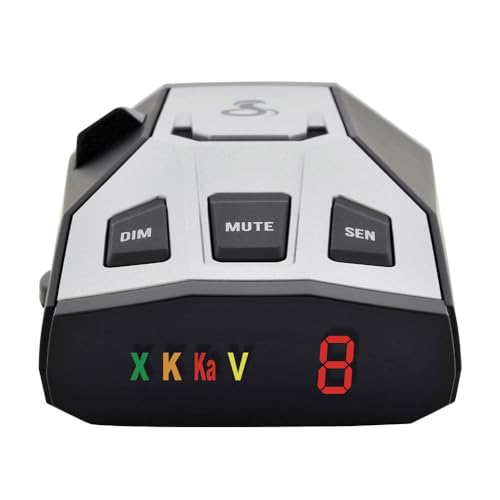
Types of Radar Detectors: Windshield Units, Remote Mounts, and App-Connected Models
Not every radar detector looks or works the same way. Before you compare specs, it helps to know which form factor actually fits how you drive and what kind of vehicle you're putting it in.
Windshield-Mount Standalone Detectors
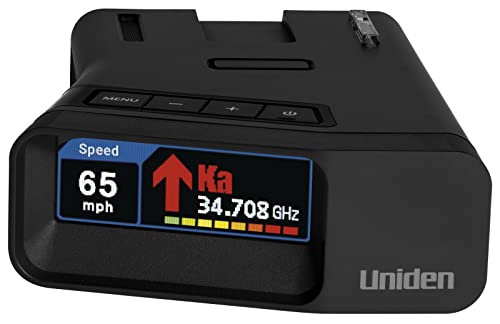
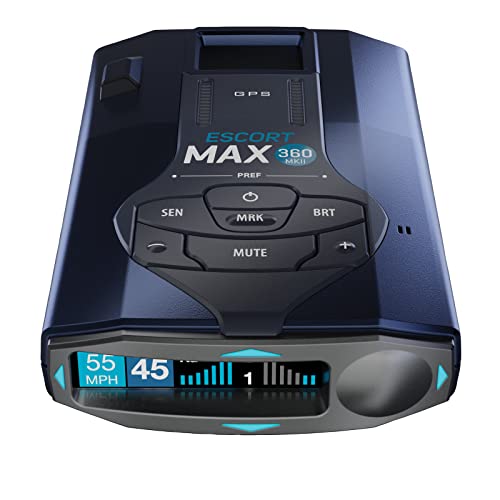
This is the classic, self-contained unit most people picture: a single puck-shaped device that clips onto your windshield with a suction mount, plugs into a 12V outlet, and has its own screen and speaker built in. Everything, the antenna, the display, and the alert system, lives in one housing. These are the easiest to install and move between vehicles, which makes them a solid default choice if you're not sure yet what you want long-term.
Remote-Mount (Hardwired) Systems
Remote-mount detectors split the hardware into two pieces: a compact sensor that gets tucked behind the grille or inside the dash, and a small separate display or LED strip that sits somewhere visible to the driver. Because the sensor is hidden, there's nothing obvious on your windshield, which appeals to drivers who want a cleaner look or don't want a device advertising itself to passengers. The trade-off is a more involved, semi-permanent installation, usually done once and left alone.
App-Connected and Bluetooth-Linked Detectors
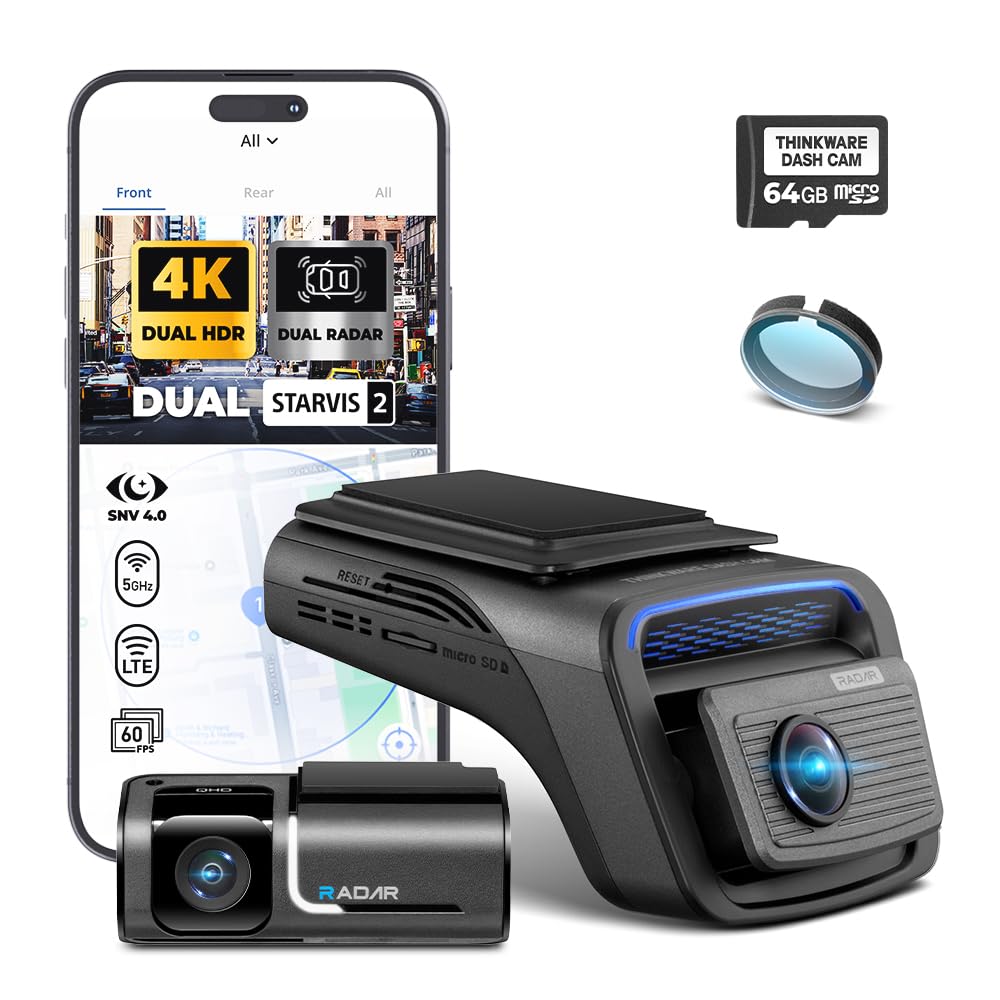
Newer models pair with a smartphone app over Bluetooth, which unlocks a few extra tricks: GPS-based false alert lockouts you can manage from your phone, over-the-air firmware updates, and in some cases shared alerts from other users of the same app. It's a similar shift to what's happened with connected dash cams, where the companion app has become as important as the hardware itself. The catch is that some of these features lean on a live connection, so it's worth checking how the detector behaves when your phone is out of range or your signal drops.
Detection Range and Radar Bands: What Actually Matters
Police radar and laser guns don't all use the same frequency, and that matters because a detector's job is to recognize those specific signals from as far away as possible.
- X band: an older frequency still used by some agencies, generally easy for a detector to pick up but also prone to interference from other X-band devices.
- K band: the most commonly used frequency today, and unfortunately the one that overlaps most with everyday sources like automatic doors and collision-avoidance sensors on other cars.
- Ka band: a higher, narrower frequency used by many modern radar guns, harder to detect quickly but less likely to trigger unrelated false alerts.
Beyond the band itself, raw detection range comes down to antenna sensitivity and how many antennas the unit has. A single-antenna detector scans mainly what's ahead of you, while multi-antenna units can pick up signals from behind as well, which matters for instant-on radar that officers deliberately trigger only for a second or two right as you pass. More antennas generally means better all-around coverage, but it also tends to push the price up, so it's a real trade-off rather than an automatic "more is better" upgrade.
False Alert Filtering: Why It Matters More Than Raw Range
A detector with an impressive range isn't very useful if it beeps at every automatic door and blind-spot sensor you pass. Because K band radar is shared by so many non-police devices, false alerts are one of the biggest everyday complaints about radar detectors, and manufacturers spend a lot of engineering effort trying to filter them out without missing real threats.
GPS-based lockouts are the main tool for this. When you drive past a stationary false alert, like the automatic doors at a grocery store, you can mark it once and the detector will remember that exact location and stay quiet there in the future. This works well for fixed sources, but it can't help with moving false alerts, since a nearby car's radar-based safety system doesn't stay in one GPS coordinate. That's a normal limitation, not a defect, and it's worth knowing going in so you don't assume something is broken the first time it happens.
Where to Mount a Radar Detector for the Best Performance
Placement affects performance more than people expect. Mounting near the top of the windshield, close to the rearview mirror, generally gives the best radar detection range because the unit sits higher and has a clearer line of sight down the road. If your windshield is already crowded with a car security camera or a phone mount, though, a low dashboard placement is a completely reasonable alternative. You'll give up a little radar range, but you'll actually gain some ability to pick up laser signals, which travel in a narrower beam and benefit from being closer to bumper height.
Power source is worth thinking through too. Corded, windshield-mount units typically run off the same 12V outlet used by other dash accessories, not unlike how a portable OBD2 diagnostic scanner draws power for a quick under-dash check. Remote-mount systems, by contrast, are usually wired directly into the vehicle's electrical system during a one-time install, which keeps cords out of sight for good.
Is a Radar Detector Even Legal Where You Drive?
This is one of the most common points of confusion, and it's worth clearing up before you buy anything.
- Radar detectors are legal for private passenger vehicles in the large majority of US states. A small number of states restrict or ban them outright, and rules for commercial trucks are often stricter than for personal cars, so it's worth a quick check for your specific situation.
- A radar detector is a passive device. It only listens for signals; it doesn't send anything out, which is a big part of why it's treated differently under the law than the next two categories.
- Laser jammers, which try to scramble a laser gun's reading, occupy a legal gray area and are restricted in more places than radar detectors.
- Radar jammers, devices that actively broadcast interference to block radar guns entirely, are illegal everywhere in the US, since they're considered interference with a licensed signal rather than a passive receiver.
Because rules vary and do change, it's smart to double-check current regulations for your state and vehicle type before your first drive with a new detector.
Frequently Asked Questions
Are radar detectors legal in every state?
No. Radar detectors are legal for personal vehicles in most states, but a couple of states restrict or ban them, and commercial vehicles often face stricter rules than passenger cars. Check your specific state before installing one.
What's the difference between a radar detector and a laser jammer?
A radar detector passively listens for radar and laser signals and alerts you when it finds one. A laser jammer actively tries to interfere with a laser gun's reading. Because jammers actively transmit, they face tighter legal restrictions than detectors in many states.
Can a radar detector detect laser, or lidar, guns?
Many modern detectors can pick up laser signals, but laser beams are much narrower than radar and give far less advance warning by nature. Detection distance and mounting height both make a real difference for how much reaction time you actually get.
Should I mount a radar detector on the windshield or the dashboard?
Windshield mounting near the mirror usually gives the best radar range because of the higher, clearer sightline. A lower dashboard placement trades a bit of that range for improved laser detection, which is a reasonable swap depending on your priorities.
Why does my radar detector keep giving false alerts?
Most false alerts come from other devices sharing the same K band frequency, like automatic doors or another vehicle's collision-avoidance radar. GPS lockouts can silence repeat alerts from fixed locations, but they can't filter out sources that are moving.
Do app-connected radar detectors work without a cell signal?
The core radar and laser detection still works without a connection, since that part happens locally in the hardware. Features that rely on the app, like shared community alerts or remote lockout management, need a working connection to function.
How many antennas does a radar detector actually need?
It depends on how you drive. A single-antenna unit covers what's ahead of you, which is fine for most highway driving. A multi-antenna detector adds rear coverage, which helps more with instant-on radar and with drivers who spend a lot of time in mixed city and highway traffic.
Finding the Right Fit for Your Drive
There's no single "right" radar detector for every driver. Someone doing mostly highway miles will care most about raw detection range, while a city commuter will care far more about false alert filtering. Start by deciding which form factor fits your car and habits, get comfortable with how bands and false alerts actually work, and pick a mounting spot that matches your priorities. Once you understand those basics, comparing individual models becomes a much shorter conversation.