Best Car Battery for Cold Weather: Complete Buying Guide
Disclosure: We may earn a commission when you buy through links on this page, at no extra cost to you. As an Amazon Associate I earn from qualifying purchases. Learn more

Winter puts more strain on a car battery than any other season. Cold slows the chemical reaction inside the cells while the engine itself becomes harder to turn over, so finding the best car battery for cold weather comes down to matching the right specifications and battery type to freezing conditions. This guide breaks down the numbers that matter, compares battery technologies, and explains how to keep a battery healthy once temperatures drop.


Why Cold Weather Is So Hard on Car Batteries
A battery produces power through a chemical reaction, and that reaction slows down as the mercury falls. At around freezing, a battery can lose roughly a third of its usable strength, and the loss grows steeper as it gets colder.
At the same time, engine oil thickens, and the starter motor needs more amperage to crank the engine, so the battery is being asked to do more with less capacity to give.
This combination explains why batteries that work fine in mild weather often fail the moment a cold snap arrives. A battery that is already weak from age or a slow parasitic drain rarely shows obvious symptoms until the first hard freeze exposes the shortfall.
Key Specifications to Check Before Buying
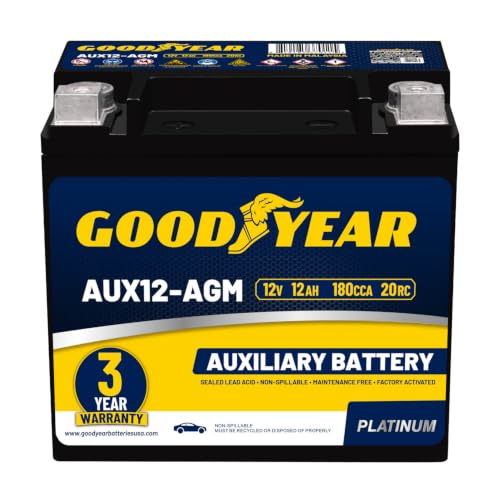
Two numbers on the battery label matter more than any marketing claim: cold cranking amps and reserve capacity. Both should be checked against the vehicle manufacturer's minimum recommendation before a purchase is made.
Cold Cranking Amps (CCA)
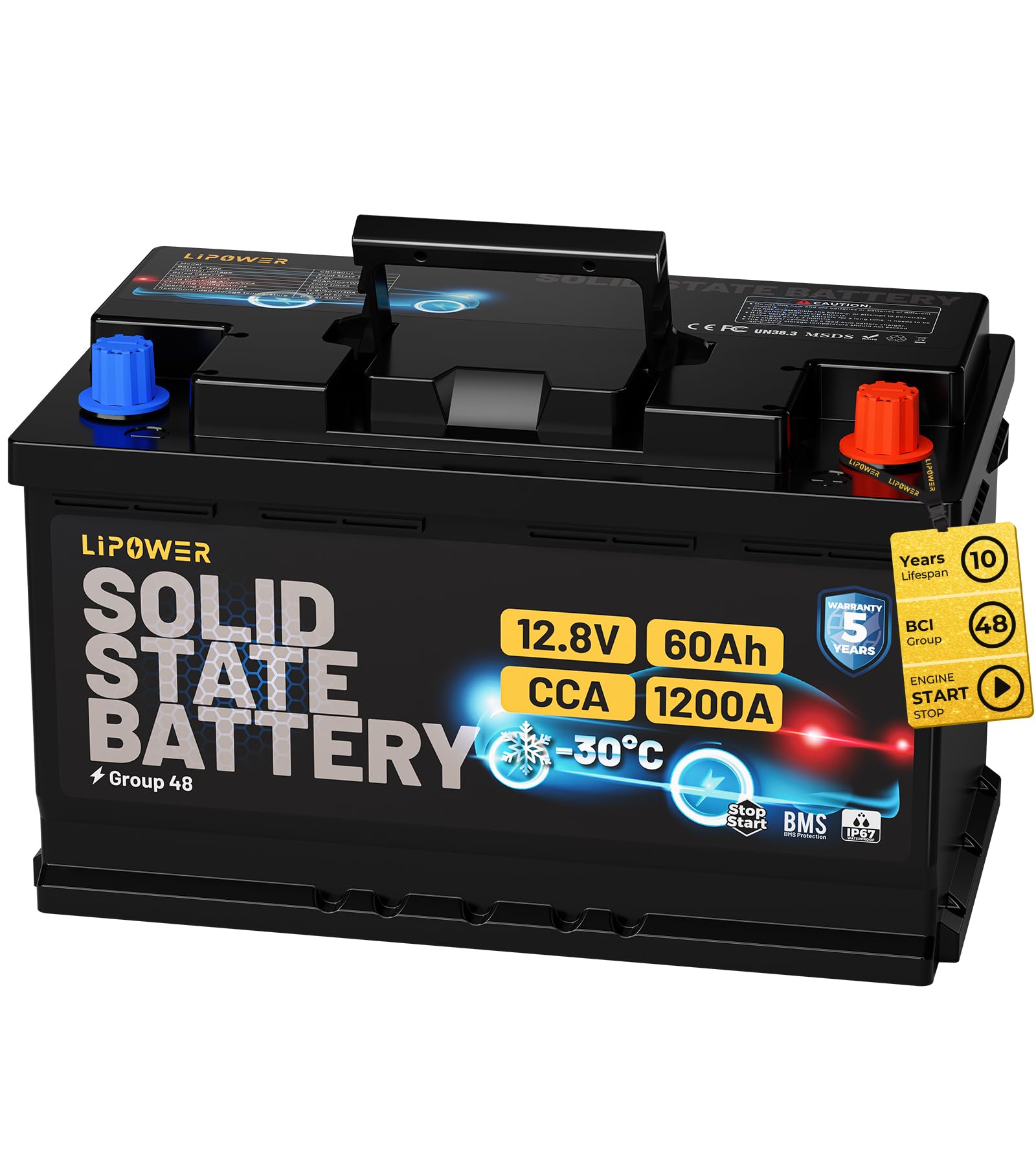
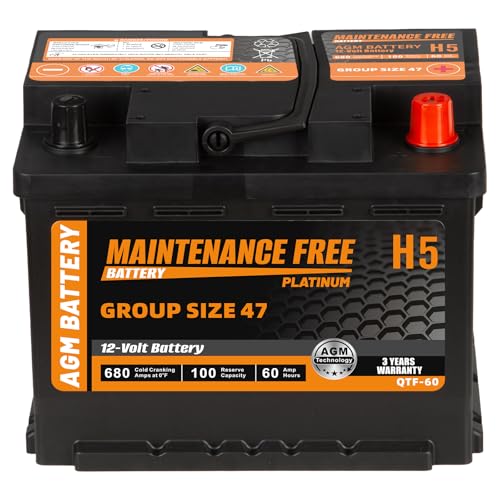
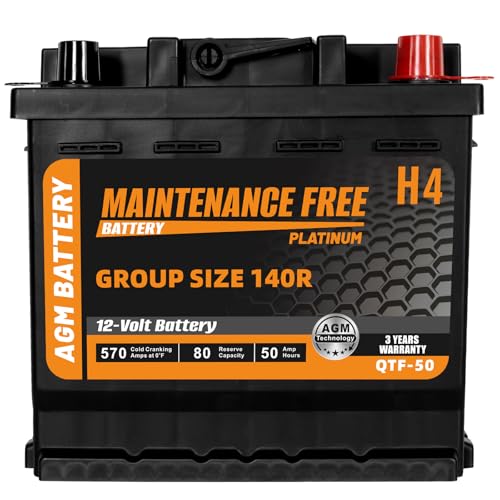
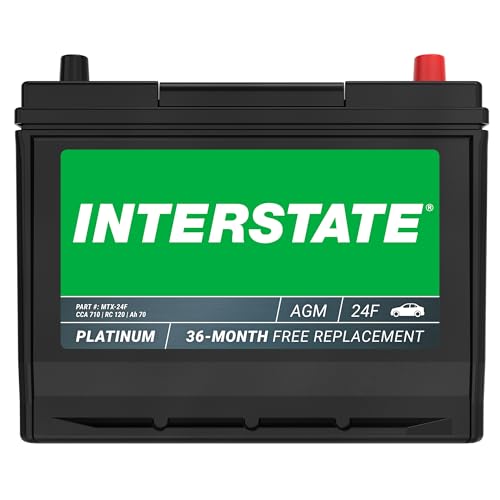
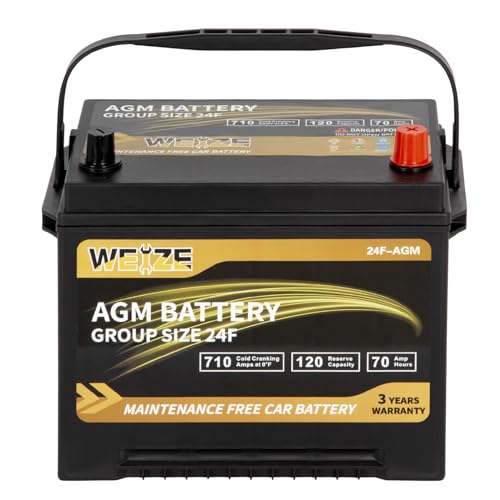
Cold cranking amps measure how much current a battery can deliver for thirty seconds at 0 degrees Fahrenheit while still keeping a usable voltage. A higher CCA rating gives more margin when the engine is hardest to start. Vehicles that see regular subfreezing mornings benefit from a battery rated at least fifty to one hundred amps above the automaker's stated minimum, provided it still fits the battery tray.
Reserve Capacity (RC)
Reserve capacity reflects how many minutes a fully charged battery can power essential electrical systems if the alternator stops charging. It also indicates how forgiving the battery will be if headlights or interior lights get left on by mistake. A reserve capacity of ninety minutes or more is a reasonable target for anyone driving in a harsh winter climate.
Battery Group Size
Group size describes the physical dimensions and terminal layout, not performance. Buying the correct group size for a specific make and model matters just as much as CCA or reserve capacity, since a battery that does not fit securely can vibrate loose or fail to make proper contact.
Battery Types and How They Handle the Cold
Not every battery chemistry copes with cold the same way. The technology inside the case has a direct effect on cranking power and lifespan once temperatures drop.
Flooded Lead-Acid Batteries
Flooded batteries use a liquid electrolyte and remain the most affordable option on the shelf. The electrolyte thickens in extreme cold, which reduces how quickly it can react and deliver current. This style still works well for moderate climates but tends to lose ground once temperatures fall well below freezing.
AGM (Absorbed Glass Mat) Batteries
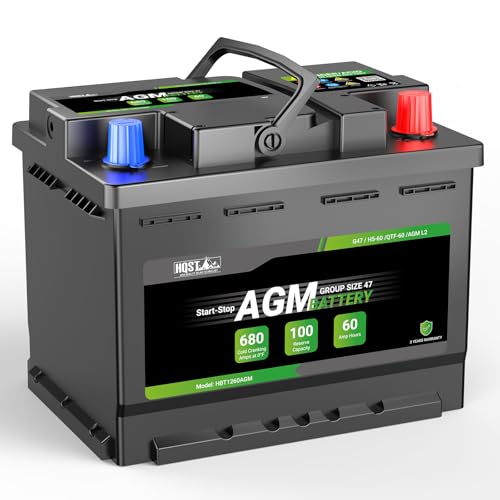
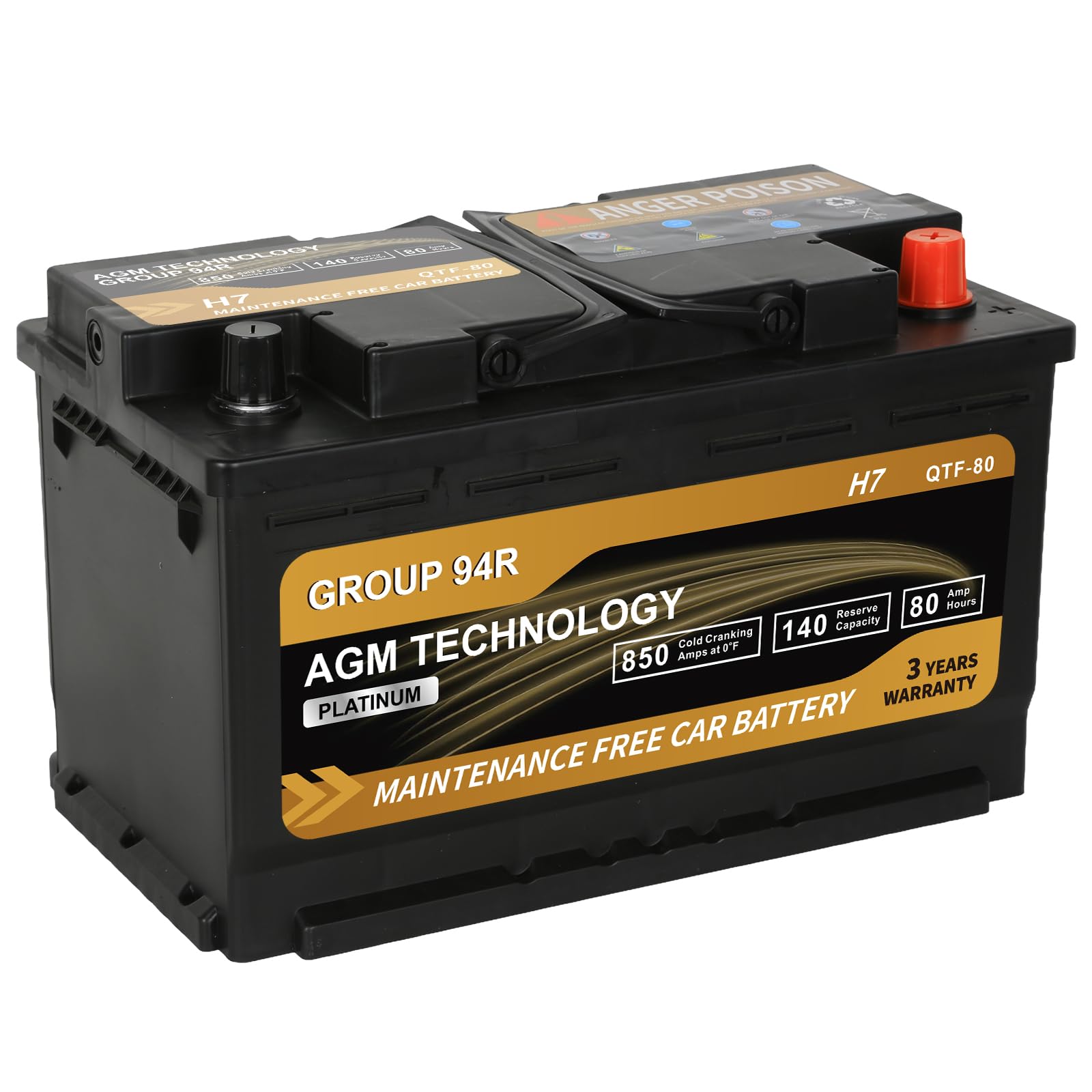
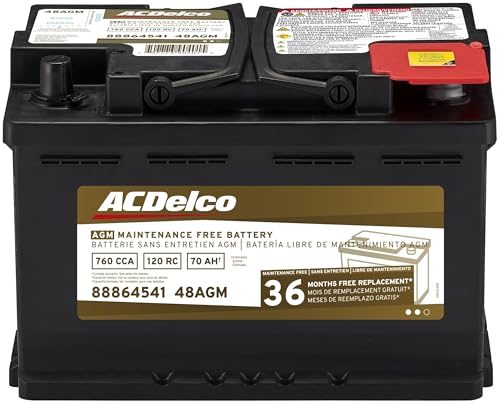
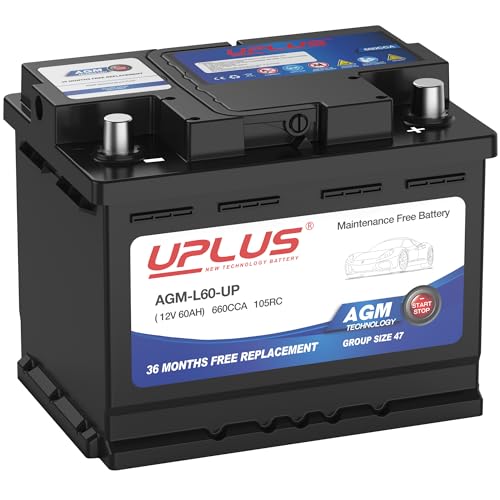
Absorbed glass mat batteries hold their electrolyte in a fiberglass mat rather than as a free liquid. That design resists vibration, self-discharges more slowly during storage, and typically maintains voltage better under the heavy load of a cold start. Many drivers researching the best car battery for cold weather end up choosing AGM for exactly these reasons, even though it usually costs more upfront.
Enhanced Flooded Batteries (EFB)
Enhanced flooded batteries sit between standard flooded and AGM designs. They are built with denser plates and improved separators, giving them better cycling ability than a conventional flooded battery without the full cost of AGM. They suit vehicles with modest stop-start systems or drivers wanting a middle ground on price.
Matching a Battery to Your Climate and Driving Habits
Someone starting a vehicle daily in a mild region has very different needs than someone parking outdoors through a harsh northern winter. Short commutes, frequent cold starts, and accessories like heated seats or remote start all add extra load that a marginal battery struggles to cover.
For Occasional Cold Snaps
A quality flooded or enhanced flooded battery with CCA that comfortably exceeds the vehicle's minimum is usually sufficient where hard freezes are the exception rather than the rule.
For Consistently Harsh Winters
Regions with long stretches below freezing call for an AGM battery with generous reserve capacity and CCA. The higher price is offset by more reliable starts and a longer service life under repeated cold cycling.
Signs a Battery Won't Survive Winter
- Slow or labored cranking, even in moderate temperatures
- Dashboard lights or accessories dimming noticeably when the engine starts
- A battery that is already three years old or more without being tested
- Visible corrosion, swelling, or a case that feels warm to the touch
- A dashboard warning light related to the charging system
Any of these warning signs are reason enough to have the battery load tested before the first serious cold spell rather than waiting for a failure on a freezing morning.
Maintenance Tips to Extend Battery Life in Cold Climates
Good maintenance stretches the useful life of any battery, cold climate or not. Terminals should be cleaned of corrosion with a wire brush and a baking soda solution, then coated lightly with dielectric grease to slow future buildup. Cables should be checked for a tight, secure connection, since a loose terminal can mimic the symptoms of a dying battery.
Parking in a garage or using an insulated battery blanket helps reduce the temperature swing the battery experiences overnight. Short trips that never let the alternator fully recharge the battery are especially damaging in winter, so an occasional longer drive or a maintenance charger helps keep the battery topped off between uses.
Choosing the best car battery for cold weather is less about a single winning brand and more about matching CCA, reserve capacity, and battery type to the climate and driving habits at hand. A battery sized correctly for the vehicle and rated well above the minimum CCA requirement will start reliably through the coldest mornings of the year.
Frequently Asked Questions
How cold does it need to be before a battery struggles to start a car?
Noticeable power loss begins near freezing and becomes severe well below zero. A battery already weakened by age often fails at the first hard freeze of the season rather than gradually.
Is a higher CCA rating always better for cold climates?
Higher CCA gives more starting margin, but the battery still needs to match the correct group size and fit the vehicle's tray and terminals. Exceeding the automaker's minimum by a reasonable amount is the safer approach.
Are AGM batteries necessary for every cold climate?
AGM is not strictly necessary everywhere, but it tends to outperform flooded designs in regions with long, harsh winters. Drivers with occasional cold snaps can often get by with a strong flooded or enhanced flooded battery instead.
How often should a car battery be tested in winter?
A load test once in the fall, before freezing weather sets in, catches most weak batteries in time for a planned replacement. Batteries older than three years benefit from being checked more than once during the season.