Best Car Batteries in 2026
A practical guide to choosing the best car batteries for reliable starts in any climate.
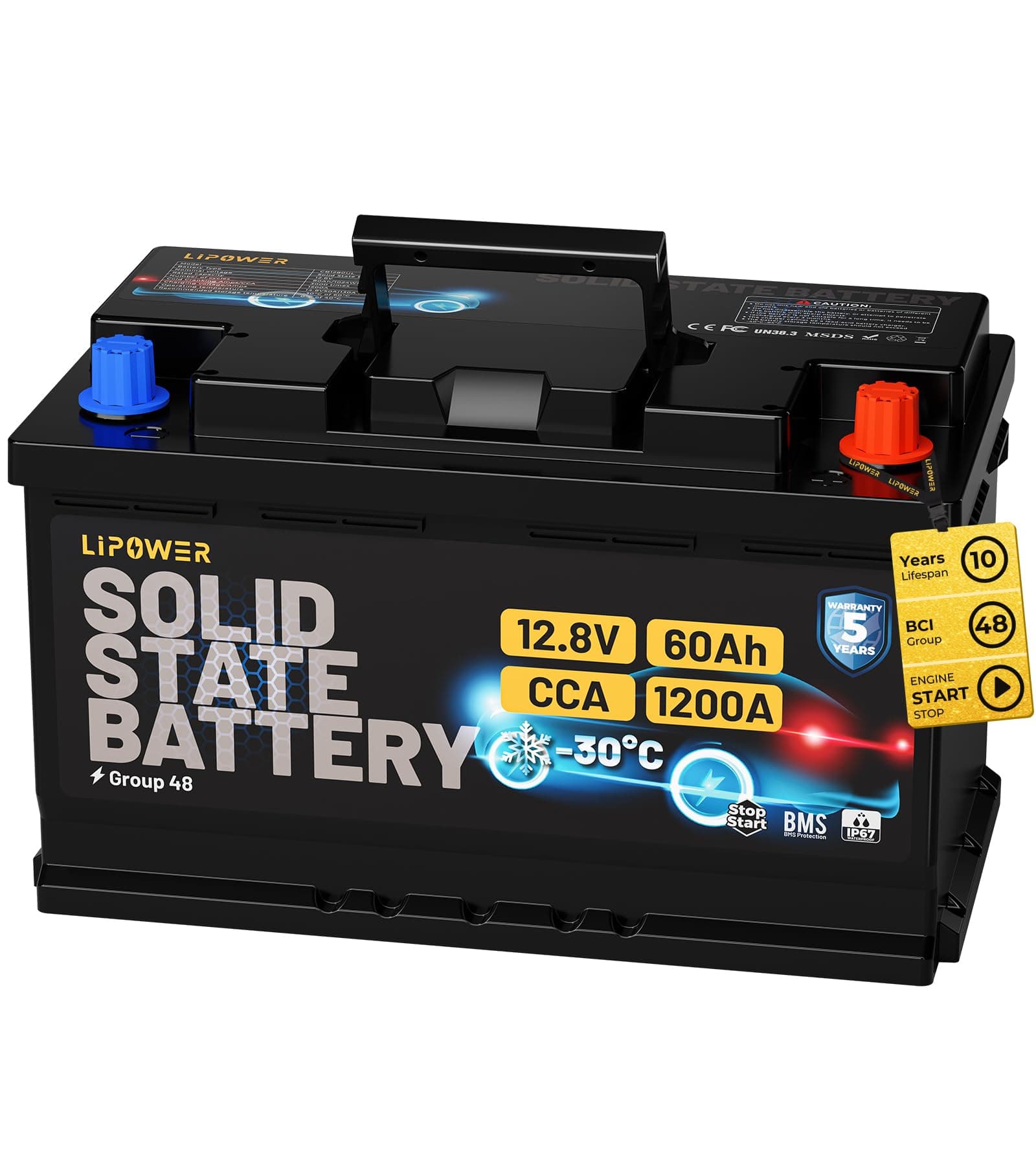
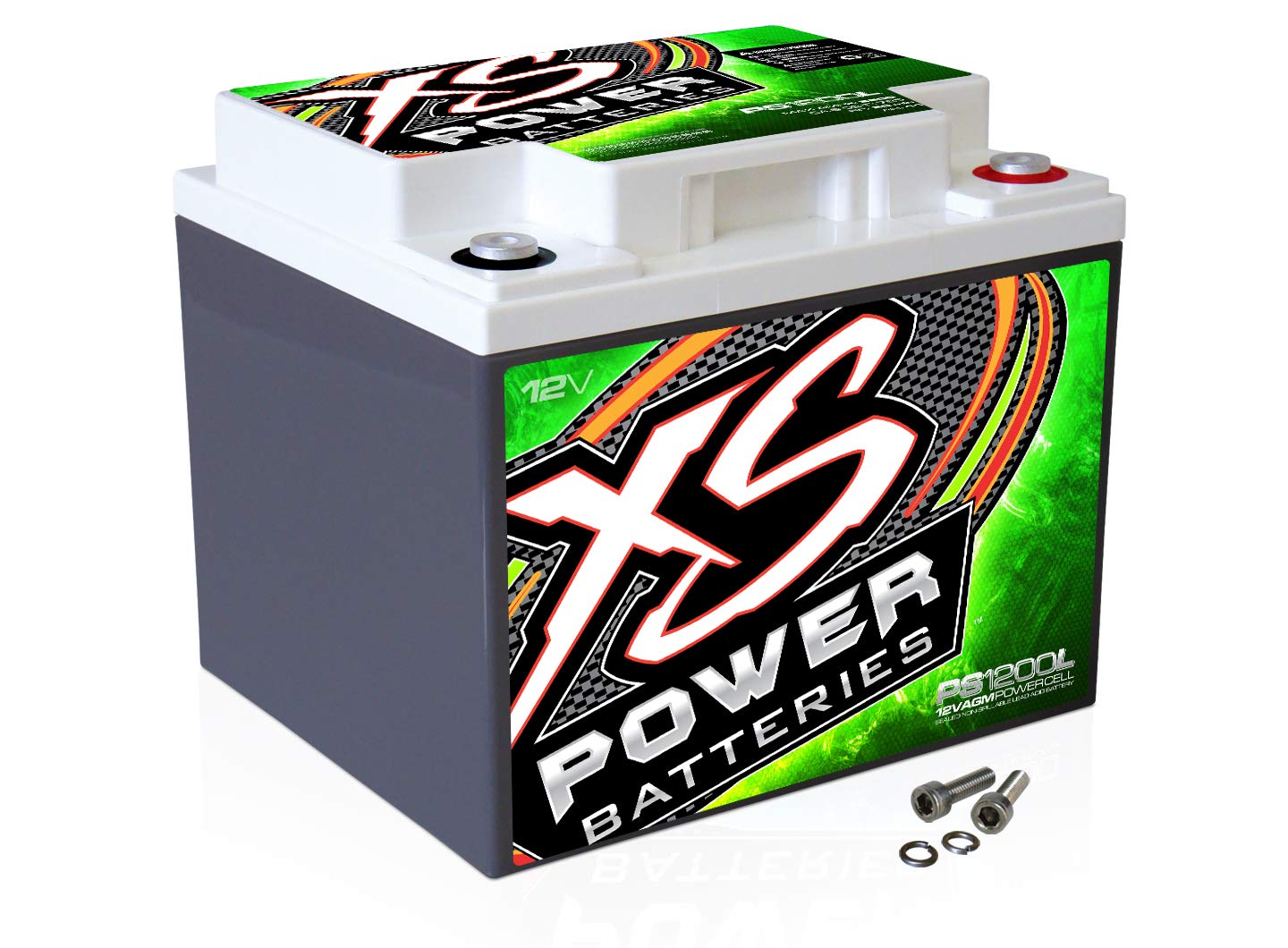
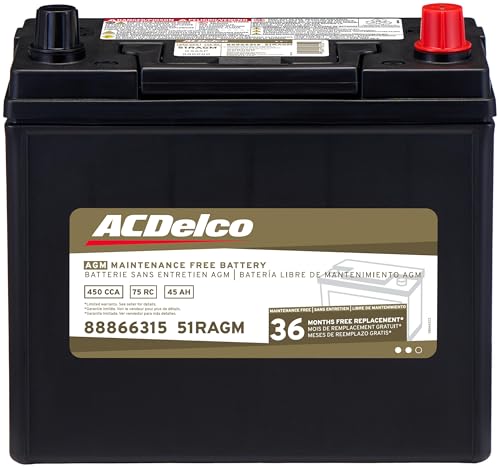
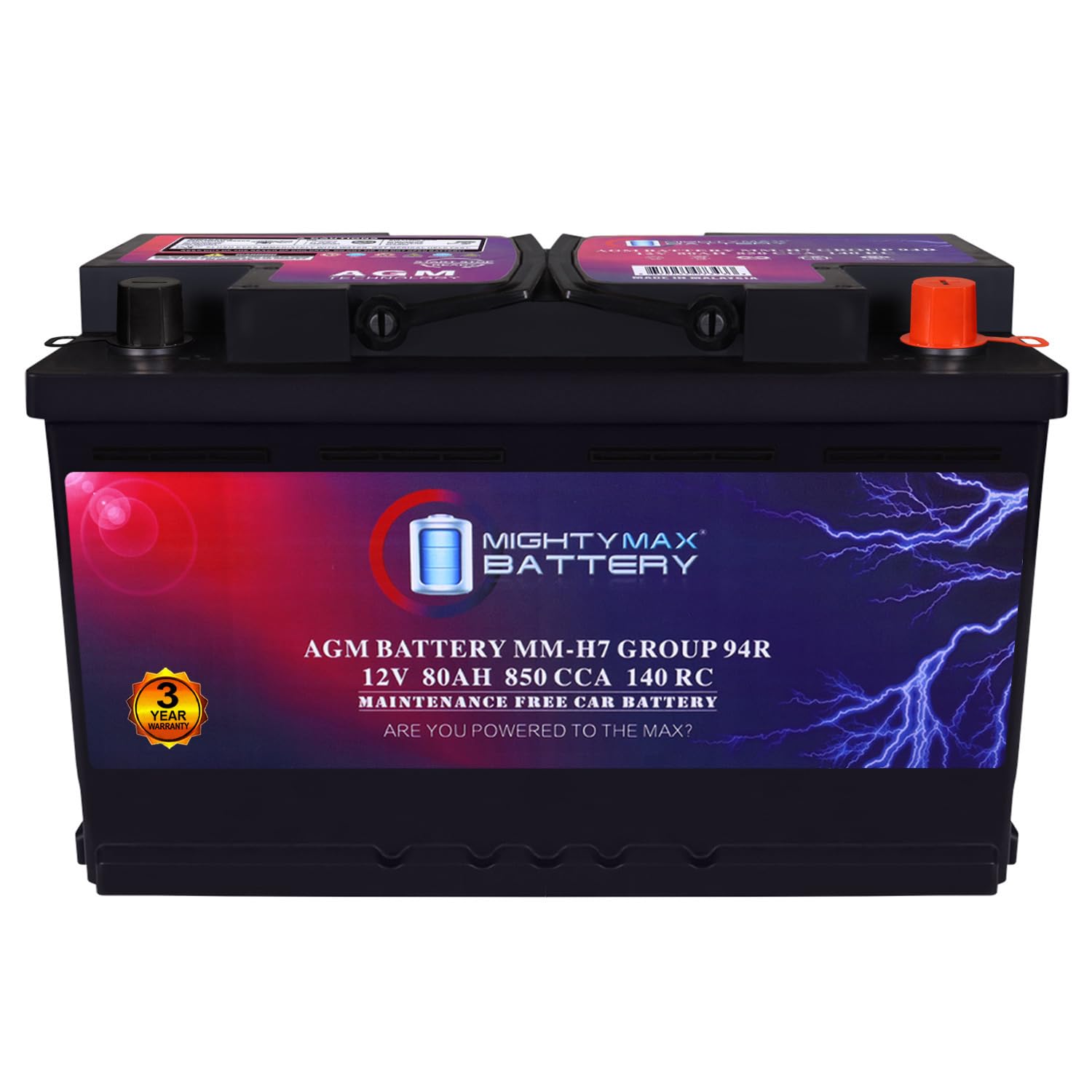
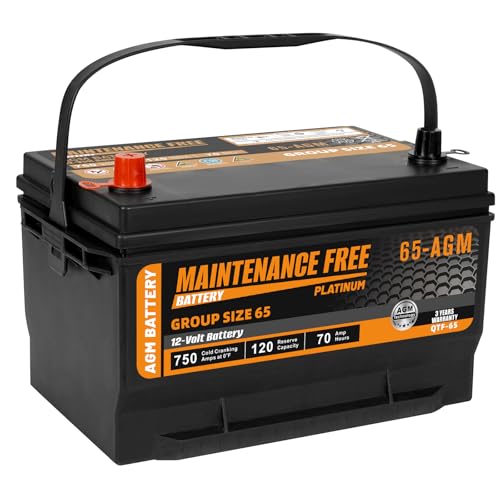
A dead battery at the worst possible moment is one of the most common and preventable car troubles drivers face. Finding the best car batteries for a specific vehicle comes down to matching cold cranking amps, group size, and battery type to the demands of daily driving and climate.
This guide covers battery types, sizing, climate considerations, and maintenance so a replacement lasts as long as possible instead of failing early.





Understanding Cold Cranking Amps
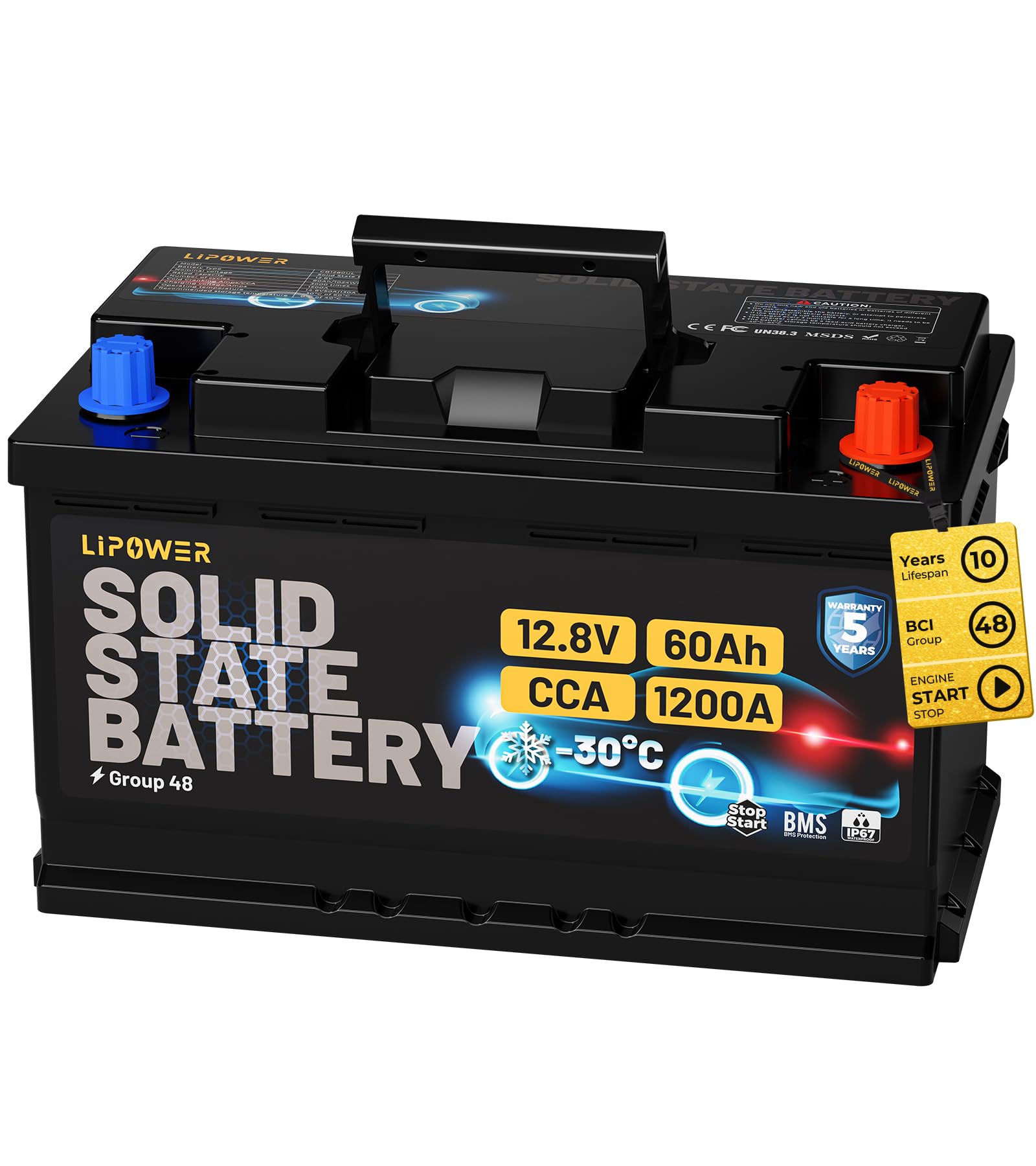
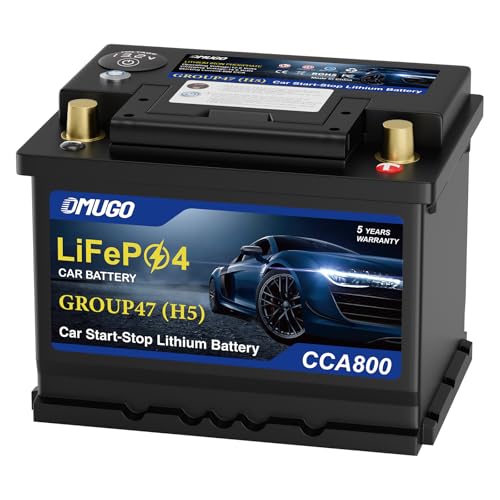
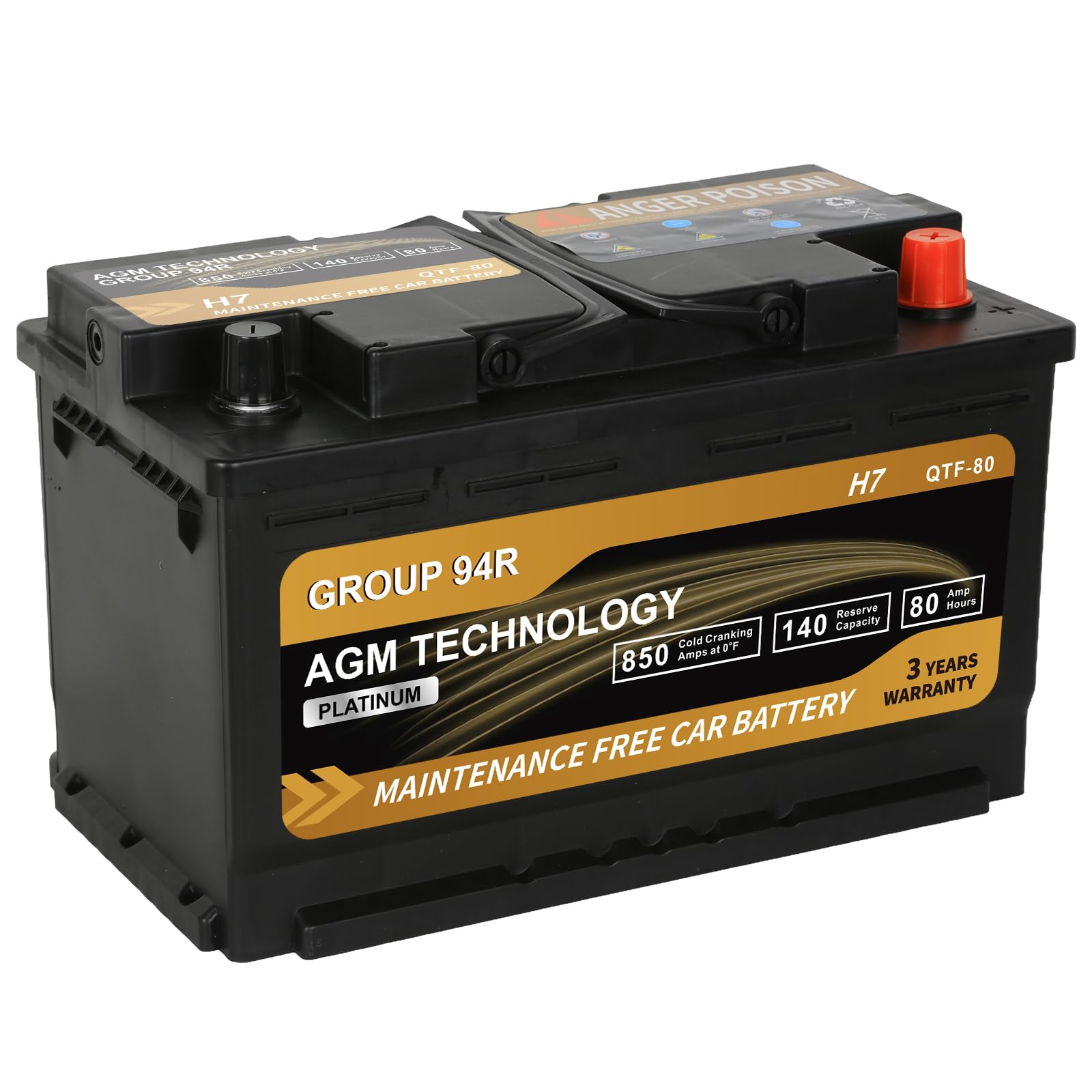
Cold cranking amps, often shortened to CCA, measure how much power a battery can deliver to start an engine in cold temperatures. Vehicles in colder climates generally need a higher CCA rating, since low temperatures reduce a battery's ability to deliver power efficiently.
Checking the manufacturer's recommended CCA range for a specific vehicle before buying helps avoid choosing a battery that struggles during winter starts.
Matching Group Size to the Vehicle
Group size refers to the physical dimensions and terminal placement of a battery, and choosing the correct size ensures it fits securely in the engine bay. A battery that is too large or too small can lead to poor connections, rattling, or difficulty closing the hood properly.
Checking the owner's manual or the old battery's label for the correct group size is the most reliable way to avoid a fitment mismatch.
Flooded, AGM, and Other Battery Types
Flooded lead-acid batteries remain the most common and affordable option, suitable for most standard vehicles with typical electrical demands. Absorbent glass mat batteries, often called AGM, offer better vibration resistance and support vehicles with higher electrical loads, including those with extensive electronics or automatic start-stop systems.
Vehicles with start-stop technology often require an AGM battery specifically, since standard flooded batteries generally cannot handle the frequent cycling this feature demands.
Climate and Battery Lifespan
Extreme heat is actually more damaging to battery lifespan than cold weather in many cases, since high temperatures accelerate internal chemical breakdown over time. Drivers in hot climates should expect somewhat shorter battery life on average compared to milder regions, even with proper maintenance.
Parking in shaded or covered areas when possible can modestly extend battery life in consistently hot climates.
Reserve Capacity and Electrical Load
Reserve capacity measures how long a battery can power essential systems if the alternator stops charging, which matters for vehicles with heavy electronics or accessories. Drivers who frequently run electronics with the engine off, such as during camping or tailgating, benefit from a battery with higher reserve capacity.
Modern vehicles with numerous computer systems and sensors generally demand more from a battery than older, simpler vehicles did.
Comparing Battery Types
The table below outlines how the best car batteries often differ based on vehicle electrical demands and driving conditions.
| Type | Typical Cost | Best For |
|---|---|---|
| Flooded lead-acid | Lower | Standard vehicles, moderate climates |
| AGM | Higher | Start-stop systems, heavy electronics |
| Enhanced flooded | Mid-range | Light start-stop use, budget balance |
Warranty and Battery Testing
Warranty length varies significantly between models, and a longer free-replacement period generally signals more confidence in long-term reliability. Many auto parts retailers offer free battery testing, which can confirm whether a weak battery is actually the cause of starting problems before spending money on a replacement.
Keeping a receipt and registering a warranty when offered simplifies the process if a replacement becomes necessary before the expected lifespan ends.
Common Mistakes When Choosing a Battery
- Choosing based on price alone without checking CCA requirements
- Buying the wrong group size and forcing an improper fit
- Ignoring start-stop system requirements that call for an AGM battery
- Ignoring warranty length when comparing similarly priced options
- Delaying replacement until a complete failure leaves the vehicle stranded
Signs a Replacement Is Needed
Slow engine cranking, dimming headlights at idle, and a battery warning light are common early signs that a battery is nearing the end of its useful life. Corrosion around the terminals and a swollen or misshapen case are also visual indicators worth checking during routine maintenance.
Testing battery voltage periodically, especially before long trips or seasonal temperature swings, helps catch a failing battery before it leaves a driver stranded unexpectedly.
Installation and Handling Safety
Disconnecting the negative terminal first and reconnecting it last reduces the risk of electrical shorts during installation. Battery acid and terminals should be handled carefully, using gloves and eye protection when working directly with an old or new battery.
Many auto parts stores offer free installation with purchase, which is a convenient option for drivers uncomfortable handling the process themselves.
Budget Range and What Changes at Each Tier
Entry-level flooded batteries cover standard vehicles with modest electrical demands at the lowest price point. Mid-range options add improved cycling durability and slightly longer warranties, while premium AGM batteries support vehicles with start-stop systems, heavy electronics, and higher reserve capacity needs.
Spending more generally buys better durability and electrical support rather than dramatically different core starting power for simple, older vehicles.
Terminal Placement and Compatibility
Terminal position and polarity vary between vehicle makes and even between model years, so confirming correct orientation matters as much as overall size. A battery with reversed terminal placement can make cable routing difficult or impossible without an adapter, even when the case dimensions otherwise match.
Checking terminal type, whether standard posts or side terminals, avoids a frustrating trip back to the store after an otherwise correct purchase.
Manufacture Date and Freshness
Batteries sitting in storage lose some capacity over time, so checking the manufacture date code stamped on the case helps avoid buying an older unit. Most codes combine a letter for the month and a number for the year, and a battery less than six months old is generally considered fresh.
Retailers with high turnover tend to stock fresher batteries on average than stores where inventory sits longer between sales.
Recycling the Old Battery
Old batteries contain lead and acid that require proper handling, and most retailers accept a used battery for recycling when a new one is purchased. Some states also charge a core deposit that gets refunded once the old battery is returned, which makes proper disposal both convenient and financially sensible.
Storing an old battery upright and away from children or pets until it can be dropped off avoids unnecessary spill or exposure risk in the meantime.
Frequently Asked Questions
How long does a typical car battery last?
Most batteries last between three and five years, though climate, driving habits, and battery type all influence actual lifespan.
Is a higher CCA rating always better?
Not necessarily. Matching the manufacturer's recommended range is more important than simply choosing the highest available rating.
Does an AGM battery fit in any vehicle?
Physical fitment often works across similar group sizes, but electrical compatibility with the vehicle's charging system should be confirmed before switching types.
Can extreme cold cause a battery to fail suddenly?
Cold temperatures can reveal a weak battery that was already declining, making sudden failure during winter more common than it might initially seem.
Final Thoughts
Choosing among the best car batteries comes down to matching cold cranking amps, group size, and battery type to a specific vehicle and climate. A well-matched battery pays off through reliable starts and fewer unexpected breakdowns for years to come.
Related reading: best car air fresheners and best car air purifiers.