
The Best Dash Cams for Every Driver in 2026
Disclosure: We may earn a commission when you buy through links on this page, at no extra cost to you. As an Amazon Associate I earn from qualifying purchases. Learn more
Having footage of an accident, a close call, or someone backing into your parked car can save you real money and hassle with insurance, which is exactly why the best dash cams have become such a common addition to daily drivers. Here is what to look for and our picks for the best dash cams for 2026.


What to Look for in Dash Cams
Not every dash cam is built the same way, and a few key specs separate genuinely useful footage from a blurry, unreliable recording.
Resolution determines how usable your footage actually is, especially for reading license plates. 1080p is the practical minimum for clear daytime footage, while 4K captures noticeably more detail, particularly useful for zooming in on plates or fine details after an incident.
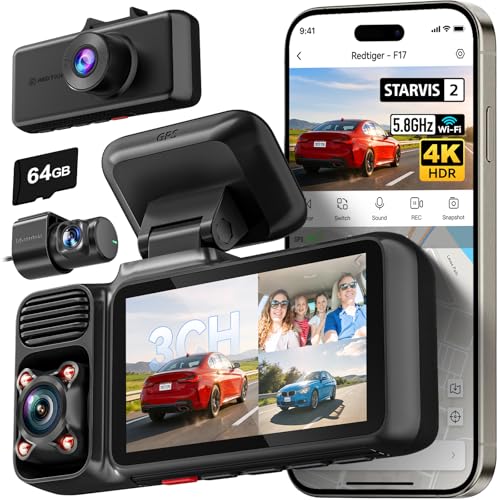
Front and rear coverage matters since a huge share of minor accidents happen from behind, whether it's someone rear-ending you at a stoplight or backing into your parked car. A dual-channel dash cam with both a front and rear camera captures a much more complete picture than a front-only unit.
Night vision and low-light performance vary significantly between models, and this is where cheaper dash cams often fall short. Look for a sensor specifically rated for strong low-light or nighttime recording, since a dash cam that only performs well in daylight misses a lot of real-world incidents.
Parking mode lets the camera keep recording, or start recording on motion or impact detection, while your car is parked and turned off. This is valuable for catching hit-and-run incidents or vandalism that happen while you're away from the vehicle.
Storage and app connectivity affect how easy it is to actually retrieve footage. Most modern dash cams support WiFi connections to a smartphone app for quick clip downloads, rather than requiring you to remove the memory card every time you need footage.
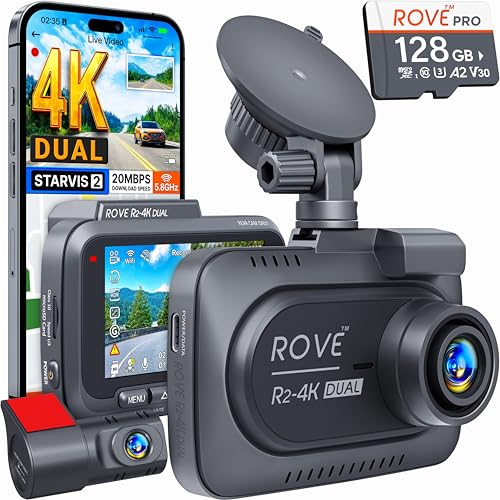
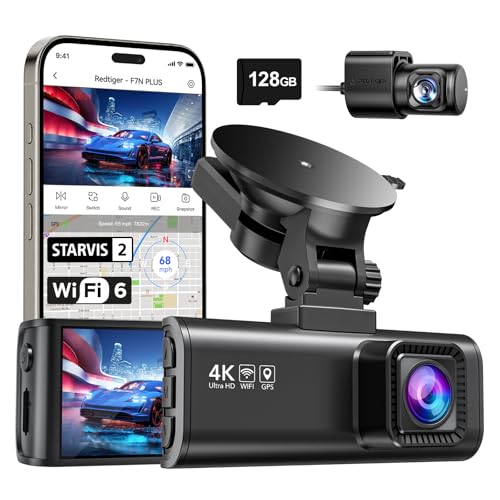
Best Overall: ROVE R2-4K DUAL Dash Cam
ROVE pairs a huge, consistently positive review base with a genuinely capable 4K front and rear setup built around Sony's STARVIS 2 sensor for strong low-light performance. It comes with a free 128GB card included, so you're ready to record right out of the box.
- Resolution: 4K front and rear, STARVIS 2 sensor
- Included: Free 128GB memory card
- Best for: Most drivers who want reliable, well-rounded coverage
Pros:
- Massive, long-established review base with a strong average rating
- 4K resolution with STARVIS 2 sensor for strong low-light performance
- Free 128GB card included, no extra purchase needed
Cons:
- Priced higher than basic single-channel dash cams
Best Premium: VIOFO A229 Plus Dash Cam
VIOFO has built a strong reputation among dash cam enthusiasts for prioritizing image quality and reliability over flashy extras, and the A229 Plus backs that up with dual STARVIS 2 sensors and HDR for genuinely sharp footage in mixed lighting conditions.
- Resolution: 2K dual STARVIS 2 sensors with HDR
- Reputation: Favored by dash cam enthusiasts for image quality
- Best for: Buyers who prioritize footage quality above all else
Pros:
- Strong reputation for image quality among dedicated dash cam users
- Dual STARVIS 2 sensors with HDR handle mixed lighting well
- Solid, consistently positive review base
Cons:
- Priced above mainstream dual-channel dash cams
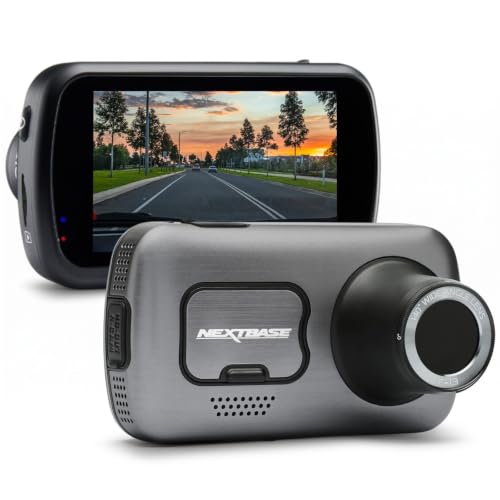
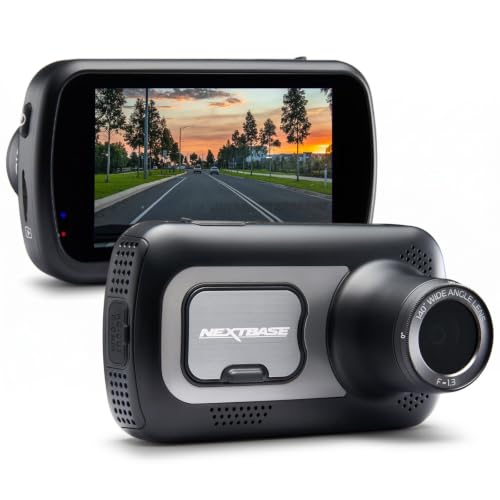
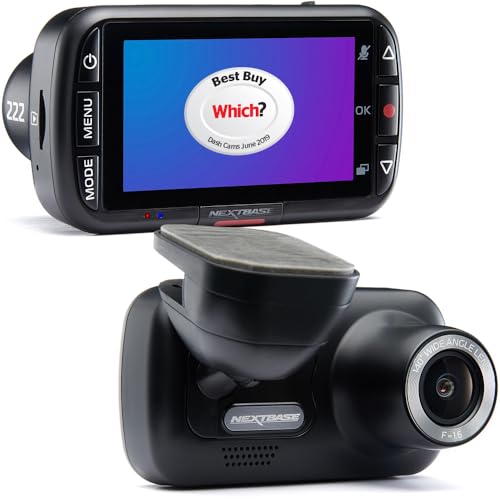
Best Budget: Nextbase 222 Dash Cam
Nextbase is one of the most established names in dash cams, and the 222 delivers clear 1080p recording from a trusted brand at the lowest price on this list. It's a smart entry point for anyone who wants reliable basic coverage without paying for 4K or dual-channel extras.
- Resolution: 1080p at 30fps
- Brand: Established, trusted dash cam manufacturer
- Best for: Budget-conscious buyers who still want a trusted brand
Pros:
- Lowest price on this list from a well-established brand
- Strong rating relative to its price point
- Simple, reliable single-channel recording
Cons:
- No rear camera included at this price point
Do You Need a Front-Only or Front and Rear Dash Cam?
A front-only dash cam covers the most common accident scenario, a collision happening in front of you, at a lower price and simpler installation. A front and rear setup adds meaningful protection against rear-end collisions and parking lot incidents, which make up a significant share of minor accidents and insurance disputes. If your budget allows, a dual-channel setup gives you a much more complete record of what actually happened in an incident, regardless of which direction it came from.
Frequently Asked Questions
Is dash cam footage admissible as evidence?
In most jurisdictions, dash cam footage is generally admissible as evidence in accident claims and legal disputes, though specific rules vary by location. Many insurance companies also accept dash cam footage to help resolve fault disputes more quickly.
Do I need to hardwire my dash cam?
Most dash cams work fine plugged into a standard 12V accessory outlet and only record while the car is running, which covers the majority of use cases. Hardwiring is only necessary if you want parking mode to keep recording while the car is off, since that requires a constant, low-draw power source.
How much storage do I need for a dash cam?
Dash cams record in a continuous loop, overwriting old footage as the card fills up, so a 128GB card typically holds several days to a couple of weeks of footage depending on resolution, while important clips can be locked to prevent overwriting after an incident.
Conclusion
For most drivers who want reliable, well-rounded coverage, the ROVE R2-4K DUAL Dash Cam remains the most trusted choice among dash cams. If footage quality is your top priority, the VIOFO A229 Plus delivers that from a brand respected by dash cam enthusiasts. Budget-conscious buyers who still want a trusted brand should look at the Nextbase 222 instead.


