Best Front and Rear Dash Cams
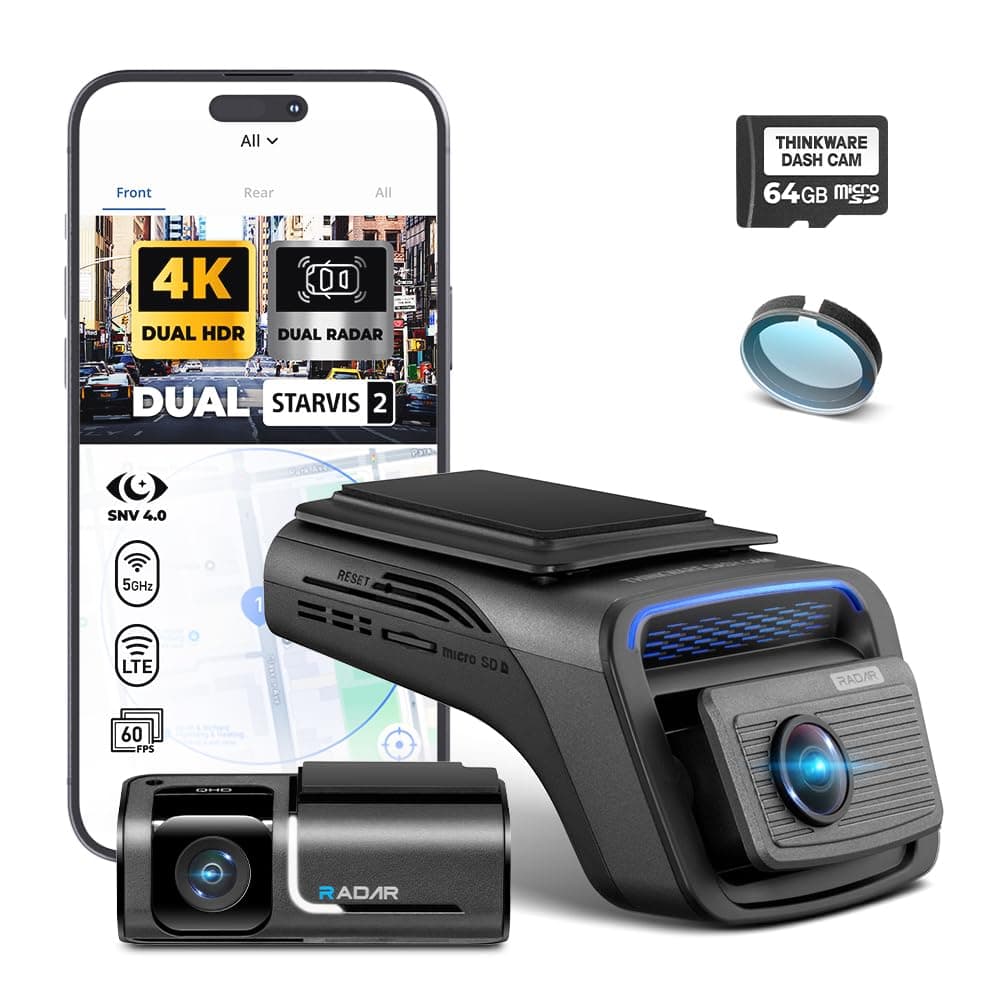
Now that the roads are becoming more crowded and traffic is crazier than ever, installing a reliable dual dash cam in your car, or another vehicle is becoming a must for most drivers. A good quality front and rear dash cam like the top-rated Blackvue BV-DR750S-2CH will record everything that is...
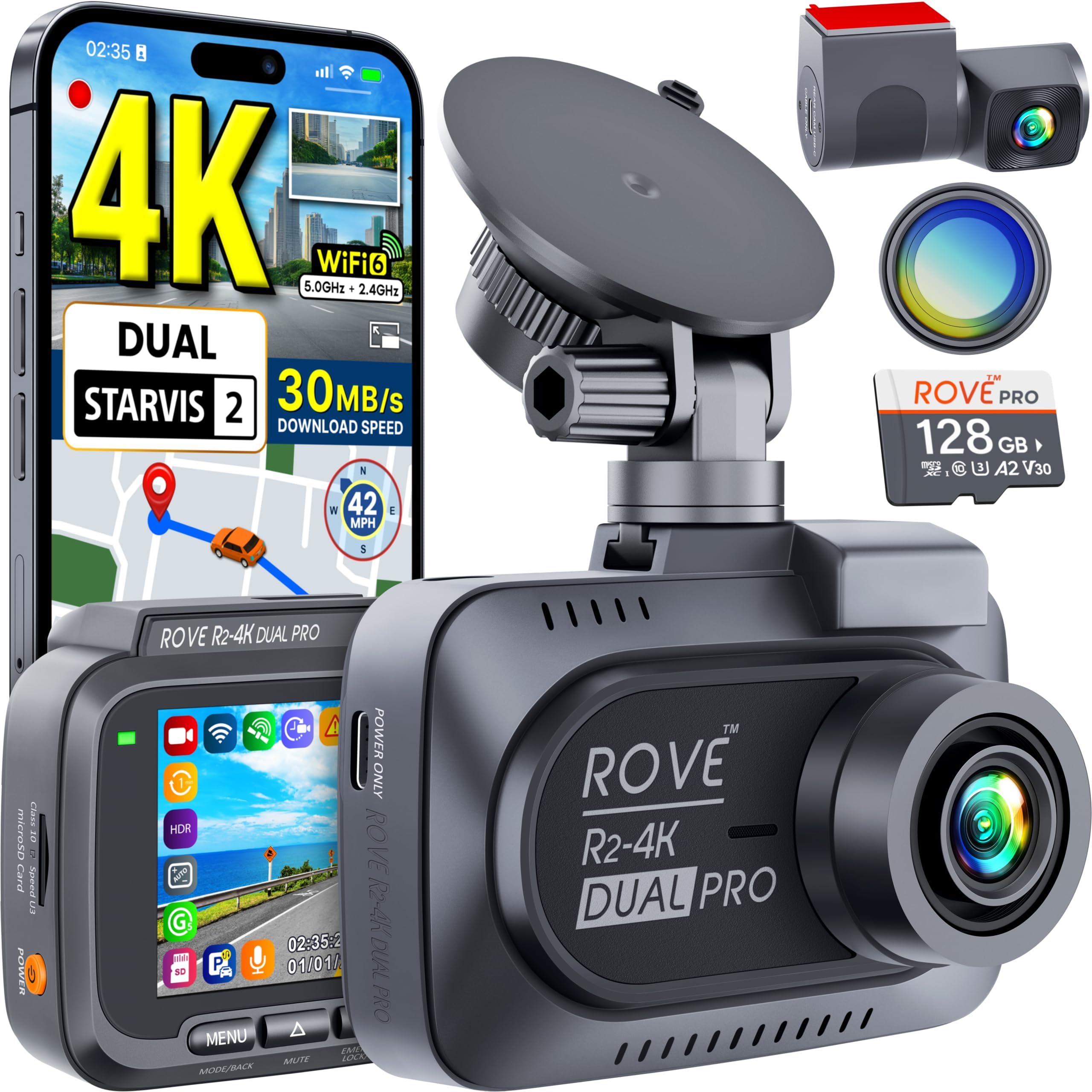
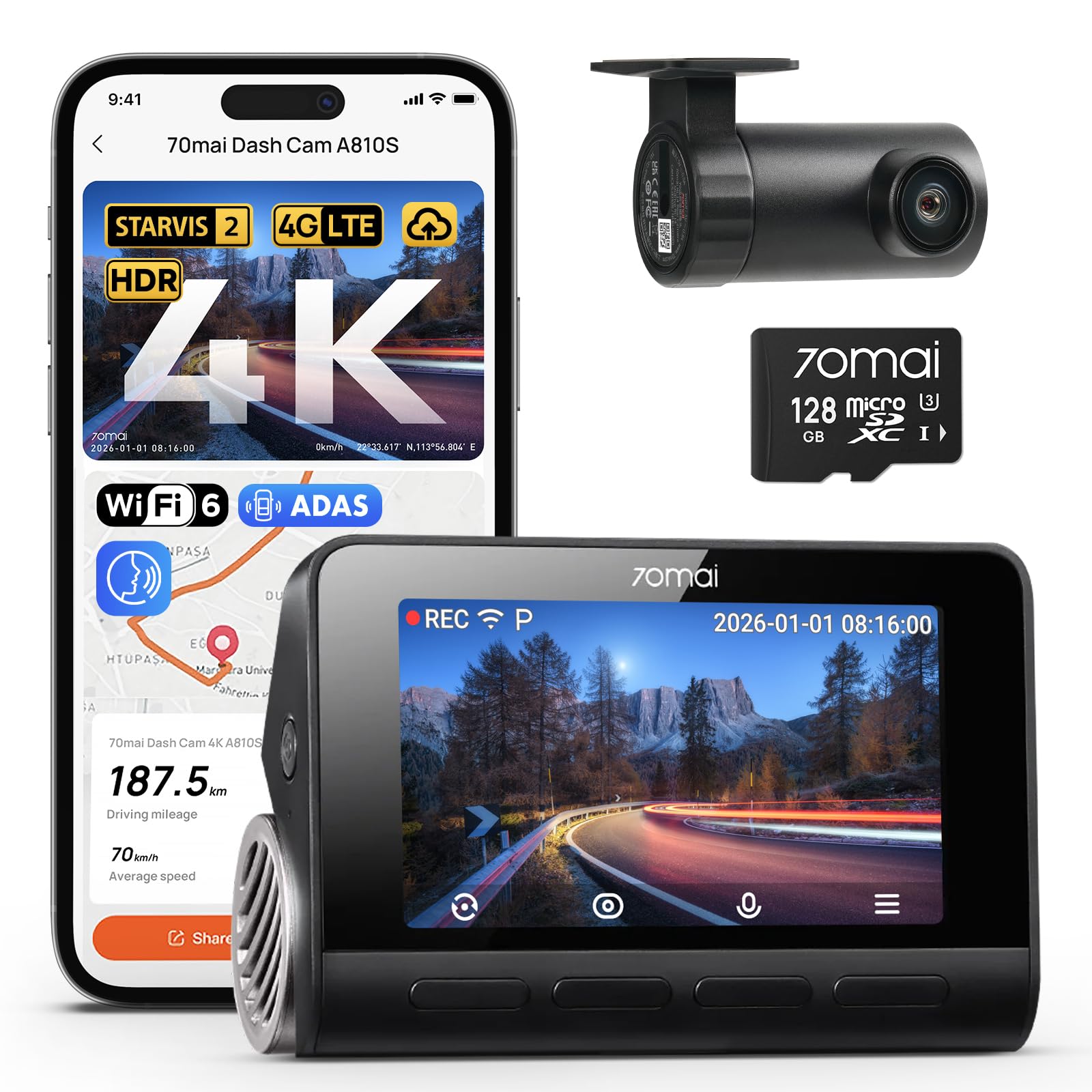
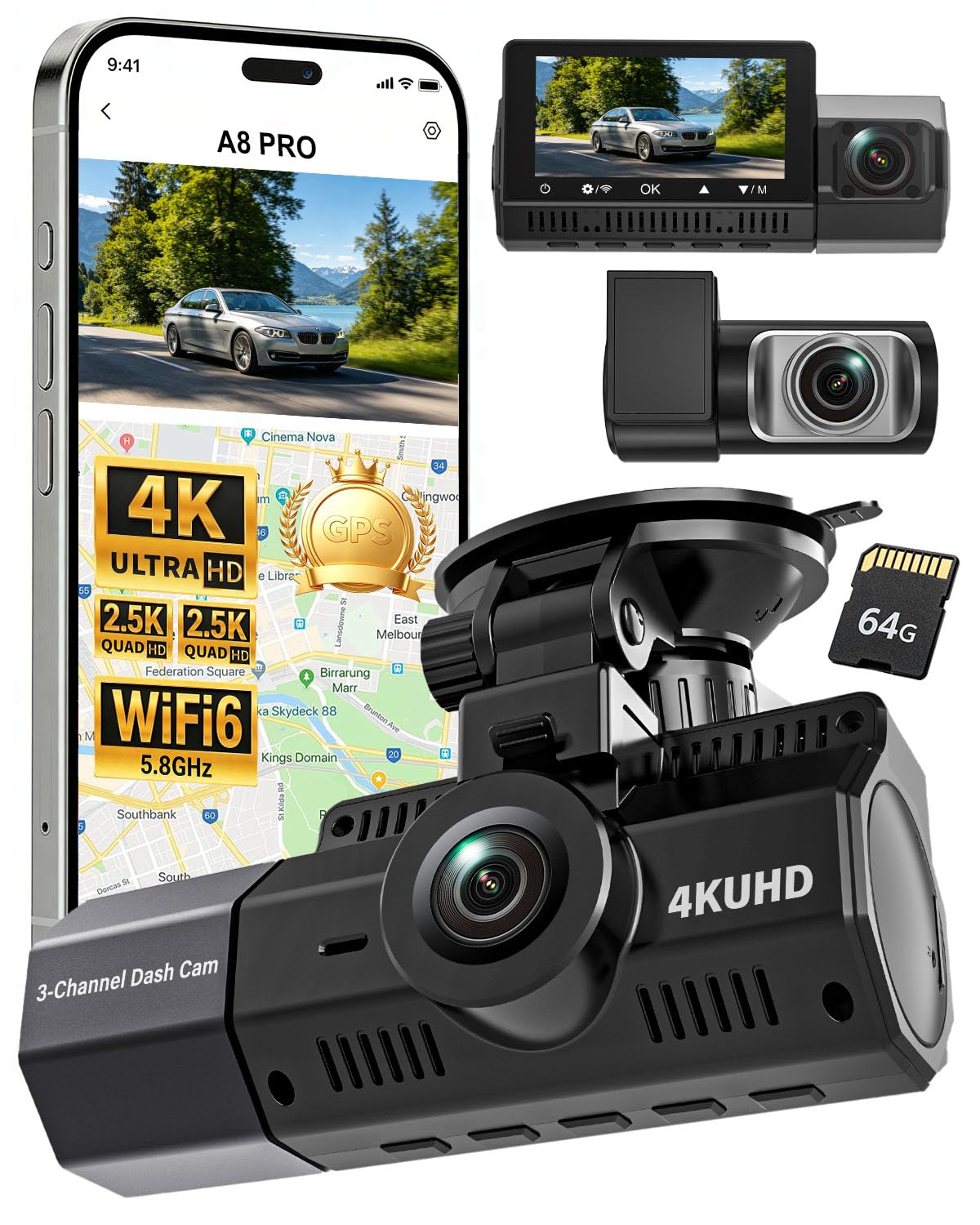
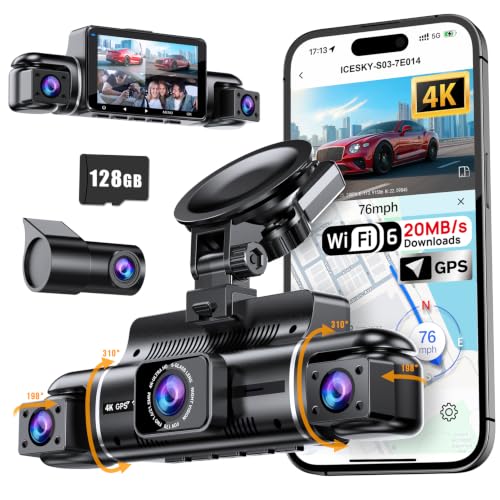
A single forward-facing camera only shows what happened in front of your car. It cannot tell you who backed into your bumper in a parking lot, or which driver actually ran the red light behind you at the intersection. That gap is exactly why front and rear dash cams have become the standard recommendation over a single-lens unit, especially for anyone who spends real time in city traffic or parks on the street. This guide covers what a two-camera system actually adds over a single-channel one, how to think about resolution on both ends, what running the rear camera cable really involves, and how much storage you need once you are recording in two directions at once.



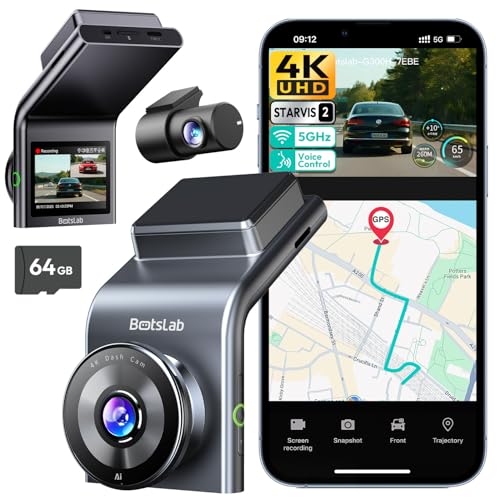
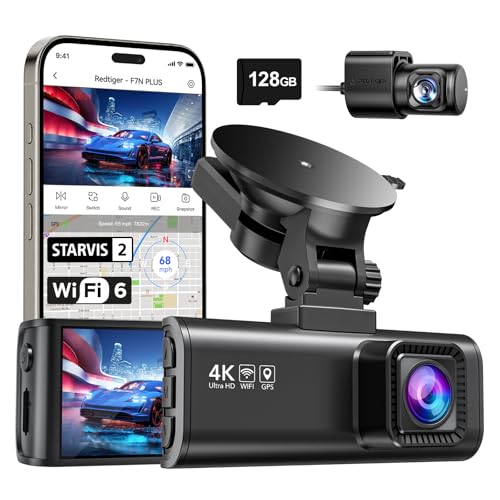
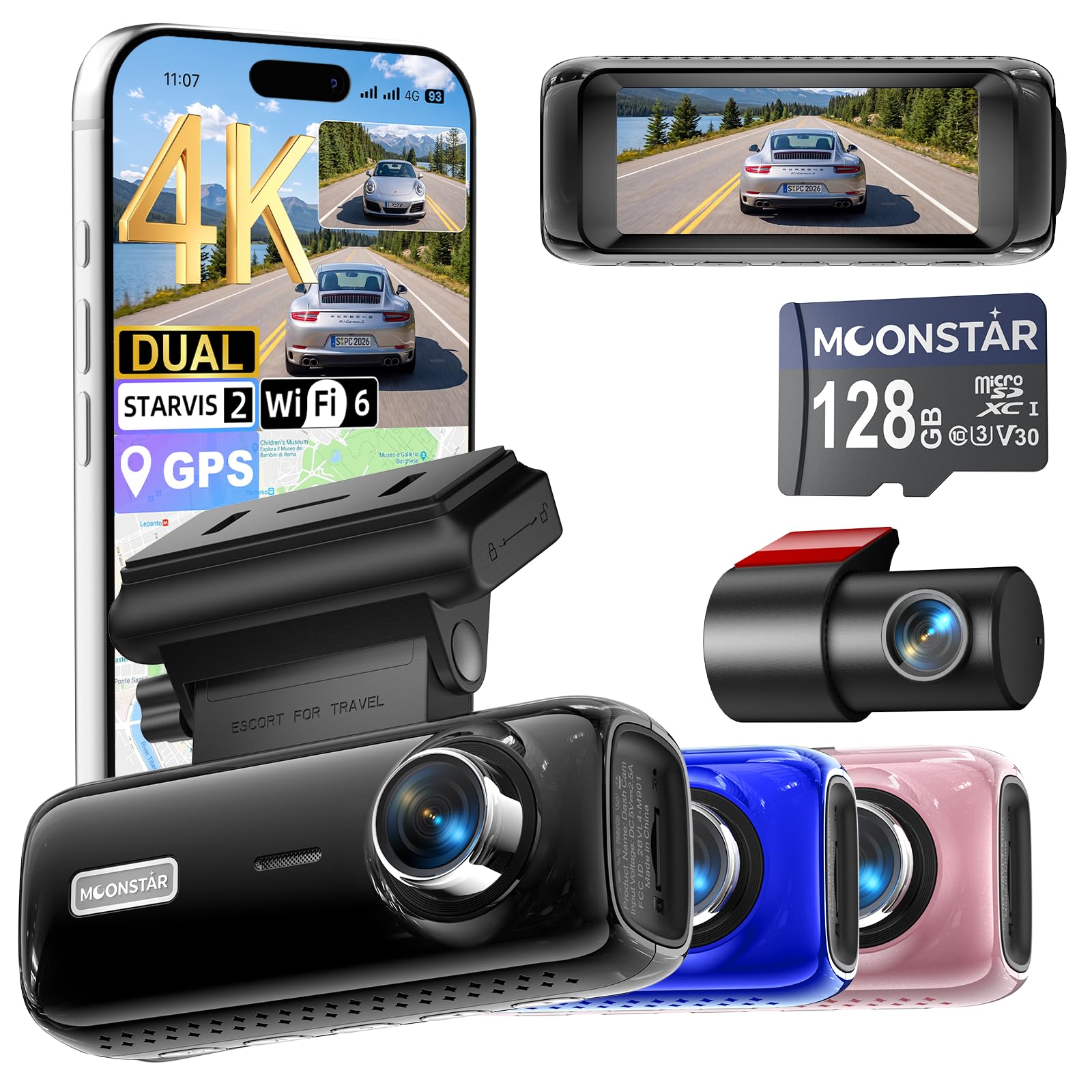
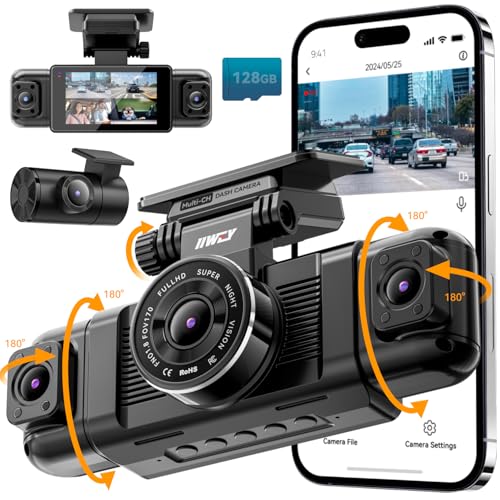
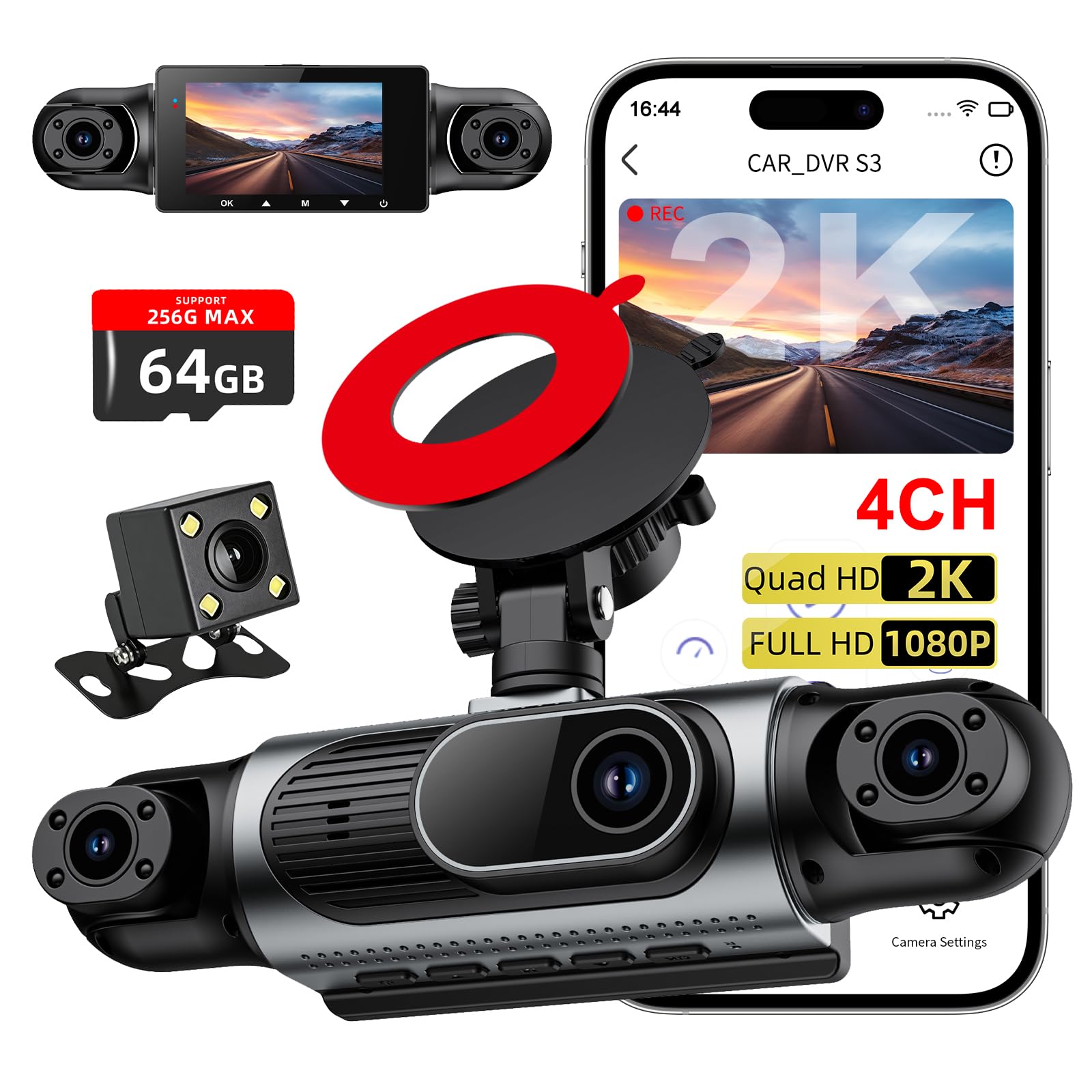
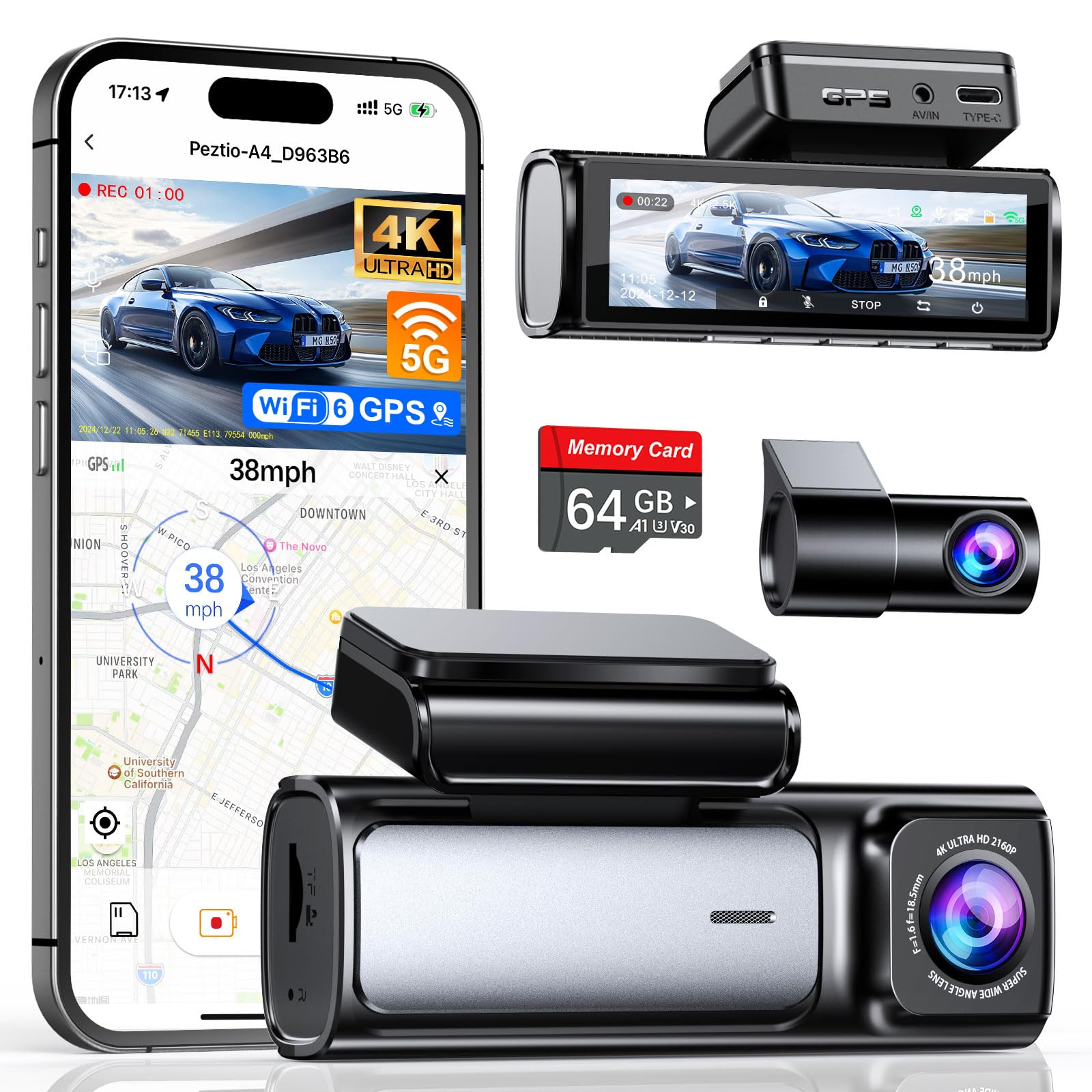
Front-Only vs. Front and Rear Coverage: What You Actually Gain
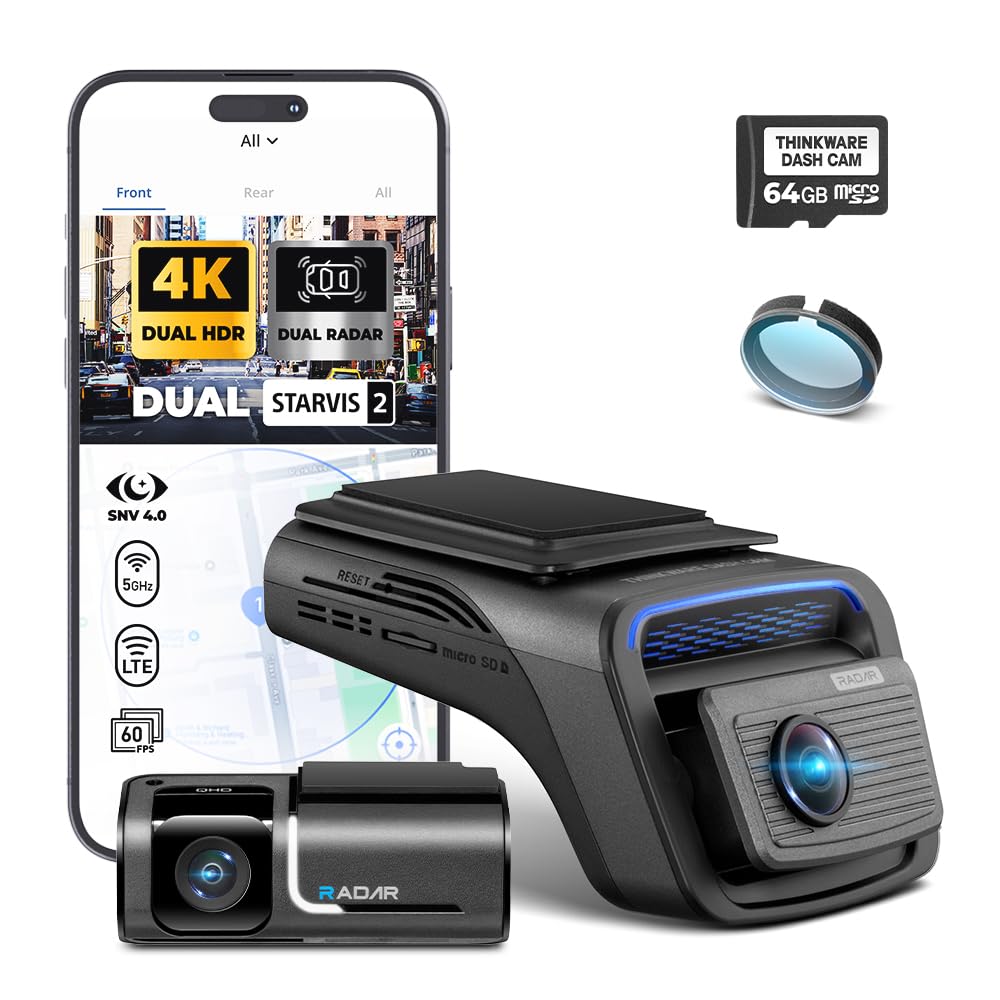
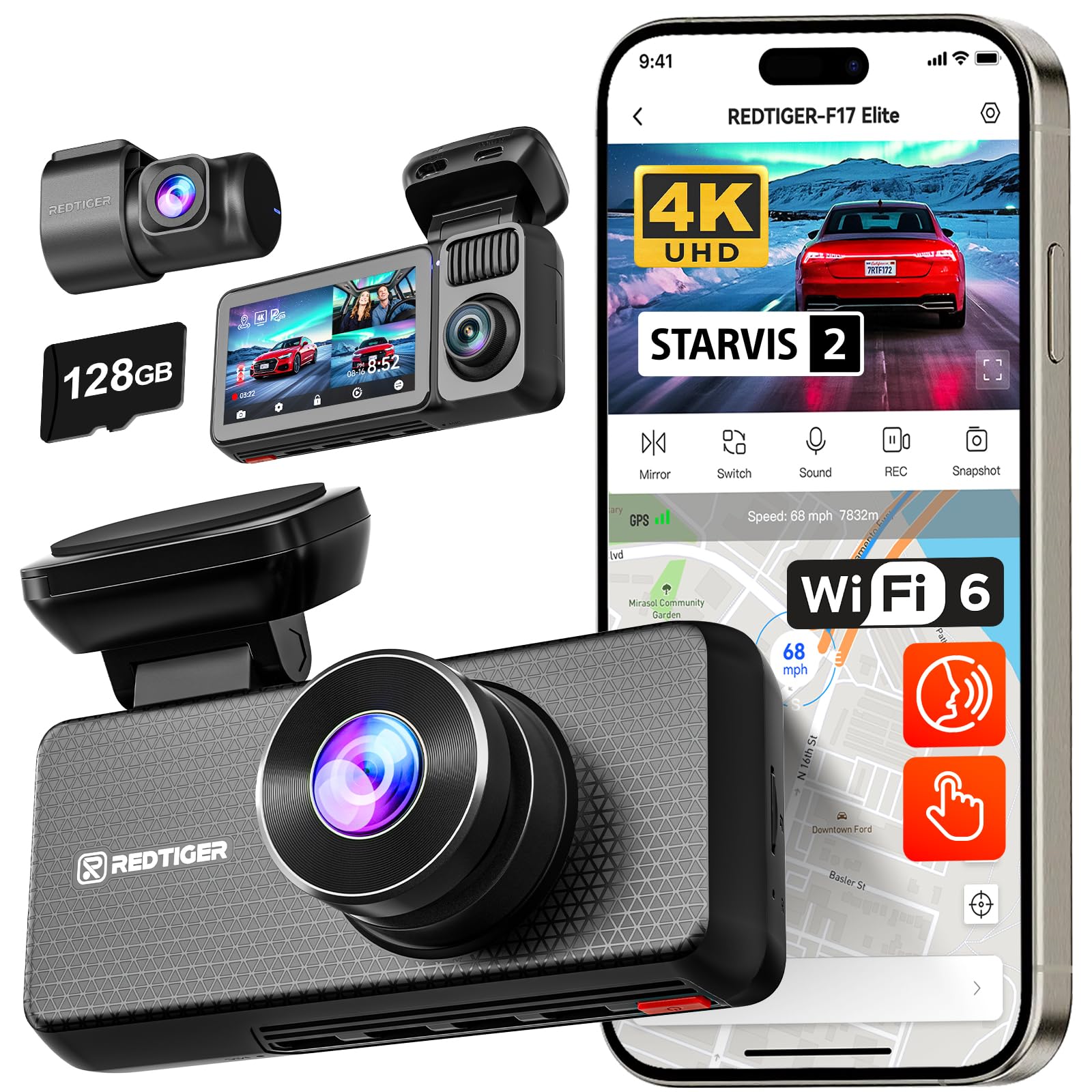
A front-only camera is cheaper and simpler to install, and for some drivers that is genuinely enough. But once you add a second lens pointed out the back window, you get a front and rear dash cam that closes a blind spot behind a large share of everyday claims: rear-end collisions at stoplights, parking lot fender benders, and hit-and-run damage while your car sits unattended.
What a Rear Camera Actually Catches
The rear lens earns its keep in situations the front camera never sees. Someone tapping your bumper while parallel parking, a car that rear-ends you while you're stopped in traffic, or a driver who clips your mirror and speeds off all get recorded from behind, not in front. Without that footage, those incidents usually come down to your word against theirs.
When a Front-Only Camera Is Still Enough
If you mostly drive on open highways, park in a private garage, and rarely deal with tight city parking, a front-only unit may cover your actual risk. The trade-off is worth thinking through honestly rather than defaulting to whichever setup costs less, since the rear camera is what protects you in the situations a front lens structurally cannot capture. If you want a broader look at single-camera options before deciding, our guide to the best dash cams breaks down what to look for across both setups.
Matching Resolution Between the Front and Rear Camera
Not every front and rear dash cam records both directions at the same quality, and that gap matters more than most buyers expect when they're comparing spec sheets.
Why the Rear Lens Is Often Lower Resolution
Many budget dual-lens systems pair a sharp front camera with a noticeably weaker rear one, since the rear sensor is often physically smaller and gets a lower share of the processing budget. That is a reasonable trade-off if the rear footage is still clear enough to read a license plate at close range, but it becomes a real problem if the rear image turns to mush anywhere past a few car lengths.
What Resolution Pairing Actually Makes Sense
Look for at least 1080p on the rear camera, since anything lower struggles with plate detail once you factor in glare, rain, or nighttime driving. A front camera in the 2K to 4K range paired with a solid 1080p rear lens is a sensible balance for most drivers, since the front camera generally needs the extra resolution more, but the rear camera still needs to be genuinely usable, not just a formality.
Running the Rear Camera Cable Without Wrecking Your Interior
This is the part of the purchase decision that catches new buyers off guard. Turning a single front camera into a front and rear dash cam means running a cable the full length of the car, and how well that goes depends on your vehicle and how much effort you put into hiding it.
Cable Routing Options
Most kits route the rear camera cable along the headliner, down the A-pillar or along the door seals, and across the trunk or hatch area to reach the rear windshield. Tucking the cable behind interior trim panels rather than leaving it exposed takes more time during installation but makes a noticeable difference in how finished the setup looks, and it keeps the cable from getting snagged or pulled loose.
Hardwiring the Rear Camera for Parking Mode
If you want the rear camera active while the car is parked and off, the system needs a hardwire kit tapped into a constant and switched power source, usually through the fuse box, rather than running off the cigarette lighter alone. This is also where a professional install earns its cost for drivers who are not comfortable pulling trim panels themselves, since a rushed cable run is the most common reason rear cameras end up loose or disconnected within the first few months.
Storage Needs Double When You Add a Second Camera
Running a front and rear dash cam means recording two video streams instead of one, so your memory card fills up roughly twice as fast, and that catches a lot of first-time buyers off guard when they reuse a card sized for a single-channel setup.
How Much Card Capacity You Actually Need
A single 1080p channel might use around 5GB per hour, but a front and rear dash cam recording simultaneously can easily use 8 to 10GB per hour combined. For daily commuting plus parking mode coverage, a 128GB card gives you a reasonable buffer, while drivers who want a longer history before old footage gets overwritten should look at 256GB or higher.
Loop Recording and Card Endurance
Loop recording automatically overwrites the oldest footage once the card fills up, so a bigger card mainly buys you more time before something you might need gets erased. Because a dual-channel system writes data almost continuously, use a card rated specifically for continuous read and write cycles rather than a standard consumer card, which tends to wear out and start dropping footage much sooner under that workload. Drivers who spend long hours on the road for work face this storage crunch even harder, which is part of why our guide to the best dash cam for truckers puts so much weight on high-endurance cards and larger capacities.
Frequently Asked Questions
Do I really need both a front and rear camera, or is front-only enough?
It depends on where you drive and park. If you deal with tight city parking, street parking, or heavy stop-and-go traffic, the rear camera covers real risks a front-only unit simply cannot see.
Why is the rear camera resolution usually lower than the front?
The rear sensor is typically smaller and gets less processing priority, since manufacturers assume the front view matters most. As long as the rear footage stays clear enough to read plates at close range, this trade-off is generally acceptable.
How much SD card storage do I need for a front and rear dash cam?
Plan for roughly double what a single-channel camera would use, since you're recording two streams at once. A 128GB to 256GB high-endurance card covers most daily drivers comfortably.
Can I install the rear camera myself, or do I need a professional?
Many drivers install the rear camera themselves using the included adhesive mounts and cable clips, though tucking the cable behind trim panels takes patience. If you want a hardwired parking mode setup, a professional install avoids mistakes in the fuse box wiring.
Does the rear camera also work as a backup camera?
No, a dash cam's rear lens records continuously for evidence purposes and is not designed to replace your vehicle's dedicated backup camera display, even though both point out the back of the car.
Will running two cameras drain my car battery while parked?
A properly installed hardwire kit includes a low-voltage cutoff that stops recording before the battery drains too far, so parking mode on a dual-channel system is generally safe as long as the kit is set up correctly.
Is a Front and Rear Setup Worth It?
For most drivers, the answer comes down to where the real risk sits. If you spend meaningful time in traffic, parking lots, or street parking, a front and rear dash cam closes a gap that a single lens cannot cover, and the extra cost of storage and a slightly more involved install is a small price for having both sides of the story on file.
Related reading: best automotive seat brackets.