Best OBD2 Diagnostic Scanners: A Home Buying Guide
Disclosure: We may earn a commission when you buy through links on this page, at no extra cost to you. As an Amazon Associate I earn from qualifying purchases. Learn more
A check engine light rarely comes with an explanation, and guessing what triggered it usually costs more than just plugging in a scanner would have. The best OBD2 diagnostic scanners for home use range from simple code readers that clear a light in seconds to full-system tools that talk to your ABS, transmission, and airbag modules. Picking the right one depends less on price and more on what you actually need to see, how you like to work, and whether the tool can even talk to your specific vehicle. This guide walks through the decisions that matter before you buy, not a list of models to compare.
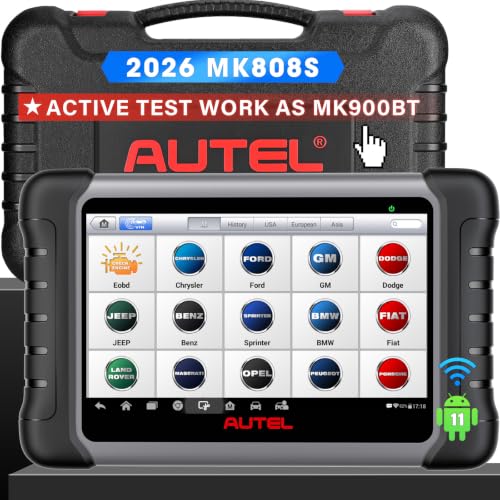
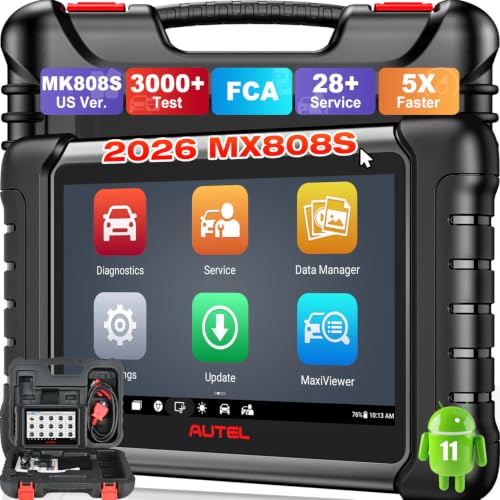
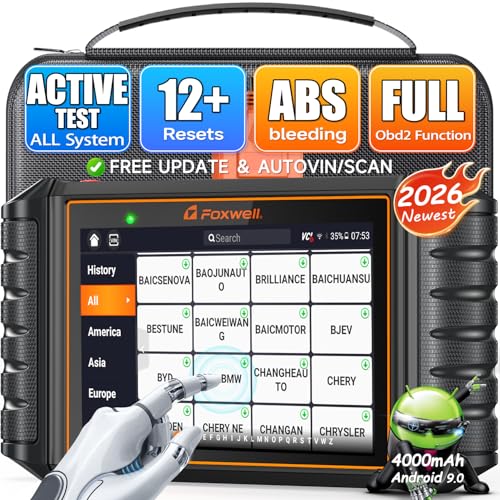

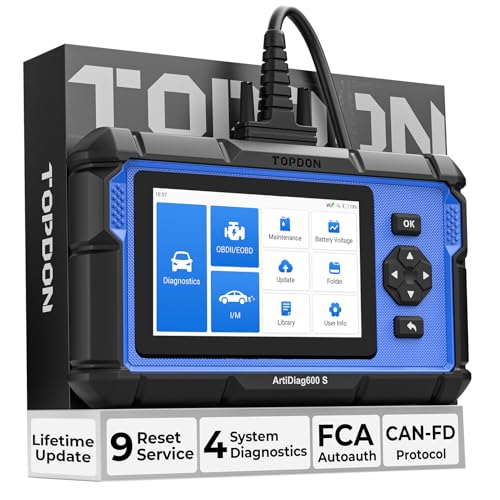
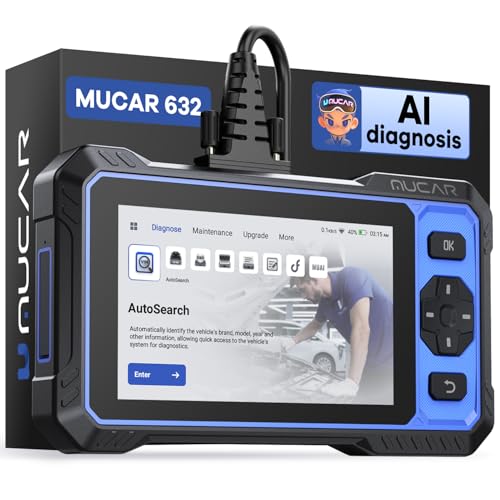
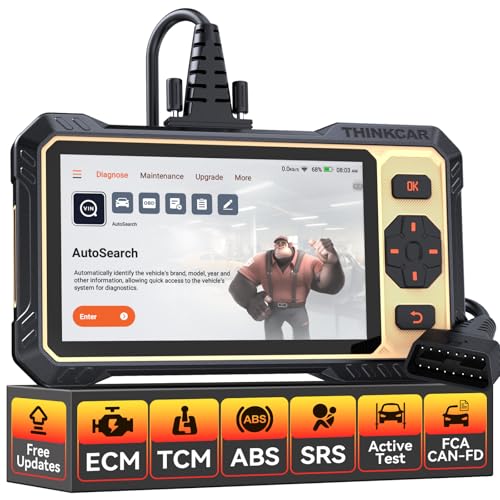
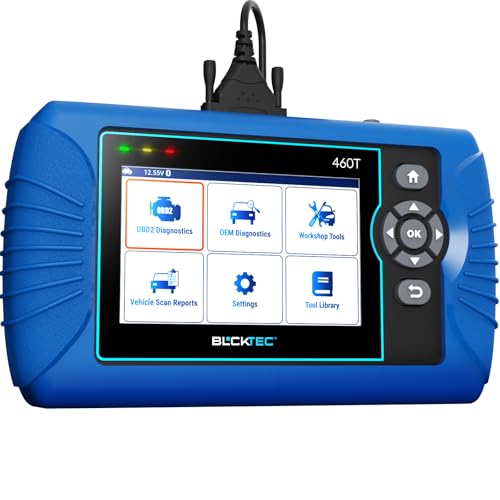
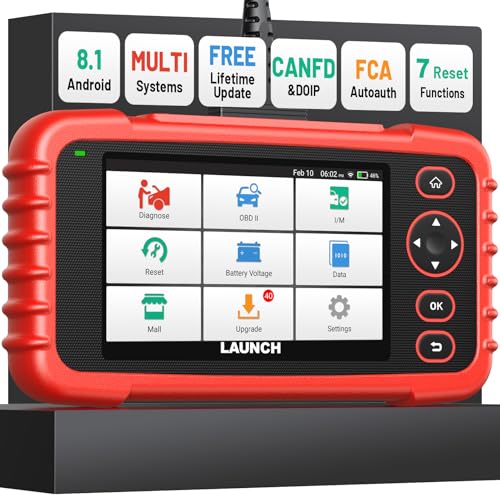
Code Reader or Full Scan Tool? Matching the Tool to the Job
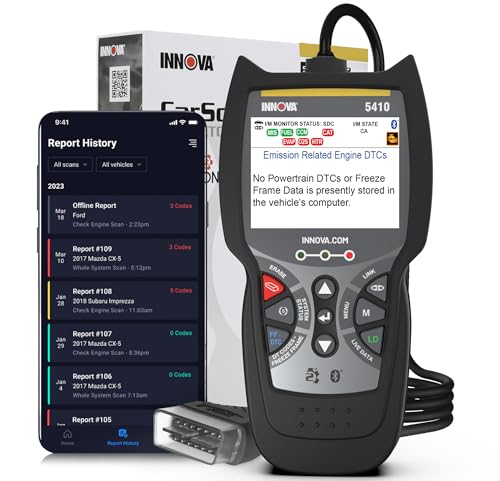
Every OBD2 device on the market falls somewhere between two poles: a basic code reader and a full diagnostic scan tool. A code reader pulls generic powertrain codes, tells you roughly why the check engine light came on, and lets you clear it. That covers most one-off situations, like confirming a loose gas cap before a road trip or checking a light before an emissions test.
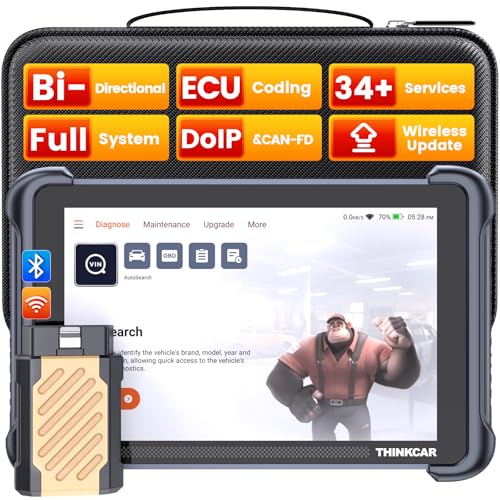
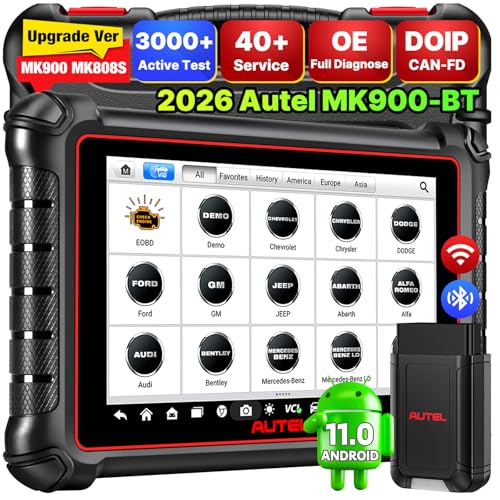
A full scan tool goes further. It reads manufacturer-specific codes, streams live sensor data, and often reaches beyond the engine into ABS, transmission, climate, and body modules. If you only care about the occasional dashboard warning, a code reader saves money without sacrificing anything you would use. If you plan to chase down intermittent issues, work on more than one vehicle, or want data beyond a code number, the extra coverage of a full scan tool earns its higher price. Most buyers overestimate how advanced a tool they need on the first purchase, so start with what your actual use case demands rather than the longest feature list.
Bluetooth and App-Based Scanners vs Handheld Units
Beyond scope, the second major fork is how the tool connects and displays information. Bluetooth and wifi-based scanners pair with a phone app, turning your existing screen into the diagnostic interface. Handheld units carry their own dedicated screen and run without a phone at all.
When an App-Based Scanner Makes Sense
App-based tools tend to be smaller, lighter on the wallet, and easier to keep in a glove box for occasional use. The tradeoff is dependency on your phone: a dead battery, an incoming call, or a dropped Bluetooth connection can interrupt a session at the wrong moment, and some apps push features behind an account login or paid unlock after the initial purchase.
When a Handheld Screen Is Worth the Extra Bulk
A dedicated handheld OBD2 scanner gives you a stable connection and a consistent interface that does not care whether your phone rings mid-scan. That reliability matters more if you do repeated live-data sessions, work somewhere with poor cell service, or simply prefer a tool that behaves the same way every time you pick it up. The extra size and cost buy predictability rather than raw capability.
System Coverage: Why Full-System Beats Powertrain-Only
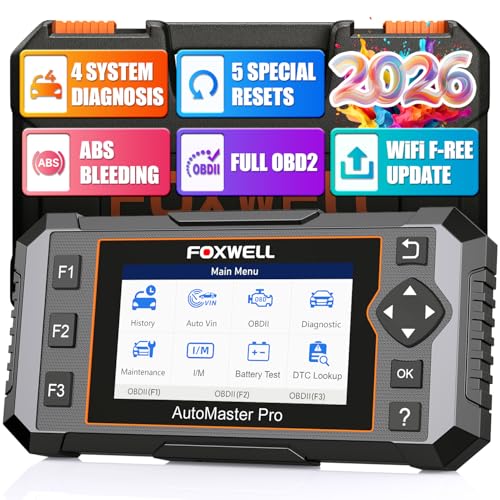
Coverage refers to how many of a vehicle's computer modules a scanner can actually reach. A powertrain-only tool sees the engine and transmission, which is enough for check-engine-light work but blind to an ABS warning light or an airbag fault. A full-system scanner extends into those additional modules and often adds manufacturer-specific codes that a generic reader cannot interpret at all.
This distinction explains a lot of buyer disappointment: a scanner marketed broadly as an OBD2 tool may still only handle powertrain codes, leaving an ABS or SRS light completely unaddressed. Before buying, confirm in the product listing exactly which systems are covered, not just that it reads OBD2 codes in general.
Bidirectional and Active Tests: Do You Need Them?
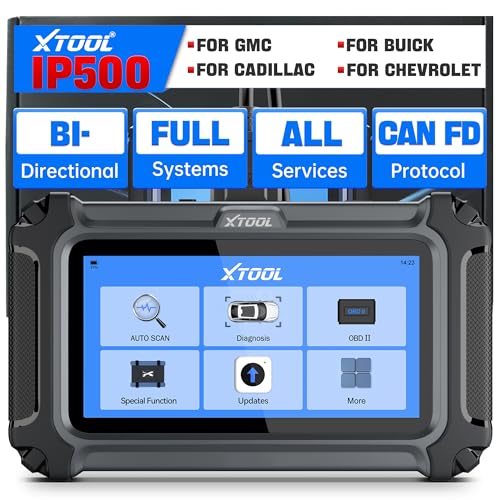
A bidirectional scan tool does more than read information, it can send commands back to the vehicle, such as cycling a cooling fan, running an ABS bleed procedure, or triggering a component test on demand. Regular code reading only observes what the car reports; bidirectional control lets you verify a part is actually working rather than just trusting a sensor reading.
For most home DIY use, bidirectional features are a nice-to-have rather than a requirement. They matter most if you plan to do brake work, battery or alternator replacements that need a relearn procedure, or troubleshooting where you need to confirm a component responds before replacing it, often alongside a basic multimeter to verify actual voltage rather than trusting the sensor reading alone. If your typical use is reading and clearing codes a few times a year, this feature adds cost without adding much practical value.
Compatibility Before You Buy
No feature list matters if the scanner cannot actually talk to your car. Even the best OBD2 diagnostic scanners run into trouble on newer vehicles, and compatibility problems are the single most common reason a budget scanner disappoints a new owner. A weak or aging battery can cause similar symptoms, dropping the connection mid-scan or triggering unrelated codes, so it is worth ruling out with a dependable battery charger before assuming the scanner itself is at fault.
Newer Vehicles and CAN-FD
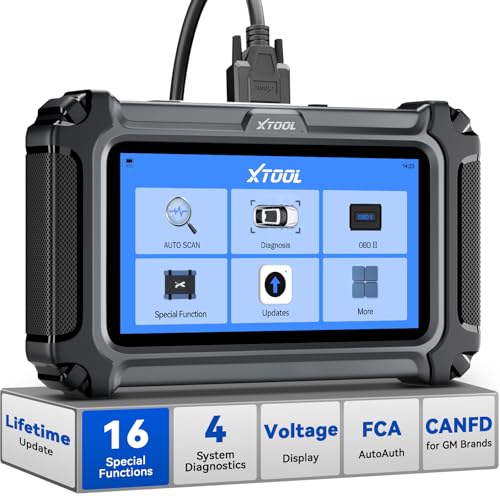
Recent-model General Motors vehicles moved to a faster communication protocol as part of a platform update. A scanner built before that shift may still plug in and appear to connect, but it can fail to access certain modules or pull complete data. If your vehicle is a newer GM model, check that the listing specifically mentions support for this updated protocol.
FCA Secure Gateway Vehicles
Newer Jeep, Ram, Dodge, and Chrysler vehicles added a security gateway module that blocks aftermarket tools from writing data or running bidirectional tests unless the scanner is specifically certified to work around it. A non-certified scanner will still read basic codes on these vehicles but will not unlock deeper functions, so check certification status directly if you drive one of these brands.
Live Data, Freeze Frame, and Emissions Readiness
A stored code tells you what went wrong once; live data streaming shows what is happening right now, which matters for intermittent problems that a single code pull cannot explain. Watching sensor values in real time while you tap a connector or drive around the block often reveals the actual cause faster than code lookup alone.
Freeze frame data captures the exact conditions present the moment a code triggered, such as engine load, coolant temperature, and speed, giving useful context even after the fault clears. If your state requires an emissions test, also confirm the tool can run an I/M readiness check, since a car with incomplete monitors can fail inspection even with no active codes. A low tire pressure warning is one common trigger for a dash light misread as an engine issue, and a quick check with a reliable tire inflator with a built-in gauge can rule that out before you assume something more serious is wrong.
Frequently Asked Questions
What is the difference between a code reader and an OBD2 scan tool?
A code reader pulls generic powertrain codes and lets you clear them, while a full scan tool adds live data, freeze frame information, and often reaches ABS, transmission, and other modules beyond the engine.
Is a Bluetooth OBD2 scanner as good as a handheld one?
For quick, occasional code checks, yes. For longer sessions or work in areas with poor phone service, a handheld unit tends to be more reliable since it does not depend on your phone's battery or connection.
Will an OBD2 scanner work on any car?
Most scanners work on any vehicle equipped with a standard OBD2 port, which covers the vast majority of cars and light trucks sold in the United States. That said, newer vehicles with updated communication protocols or security gateways may need a scanner specifically certified to support them.
Can an OBD2 scanner permanently clear a check engine light?
It can clear the light temporarily, but the light returns once the car detects the same underlying fault again. Fixing the actual problem, not just clearing the code, is what keeps the light off.
Do I need a bidirectional OBD2 scanner as a DIY user?
Only if you plan to do work that requires sending commands back to the vehicle, such as certain brake procedures or component tests. Occasional code reading does not require this feature.
Do OBD2 scanners require a subscription?
Some app-based tools lock advanced features behind a paid subscription or account after the initial purchase, while others include full functionality with no ongoing cost. Check the listing carefully before assuming everything is included.
Will an OBD2 scanner pass my car through an emissions test?
A scanner does not guarantee a pass, but one with I/M readiness monitoring can tell you whether your car's emissions monitors are complete, which is often what an inspection actually checks alongside active codes.
Choosing the Right Scanner for Your Garage
The right choice comes down to matching coverage and connection type to how you actually plan to use the tool, then confirming it works with your specific vehicle before checkout. A driver who just wants to understand an occasional warning light needs far less than someone who works on multiple cars or wants to verify repairs themselves. Whichever direction you lean, choosing among the best OBD2 diagnostic scanners comes down to compatibility and honest system coverage mattering more than any single spec on the box.