Best Natural Gas Garage Heater: A Complete Buying Guide
Disclosure: We may earn a commission when you buy through links on this page, at no extra cost to you. As an Amazon Associate I earn from qualifying purchases. Learn more
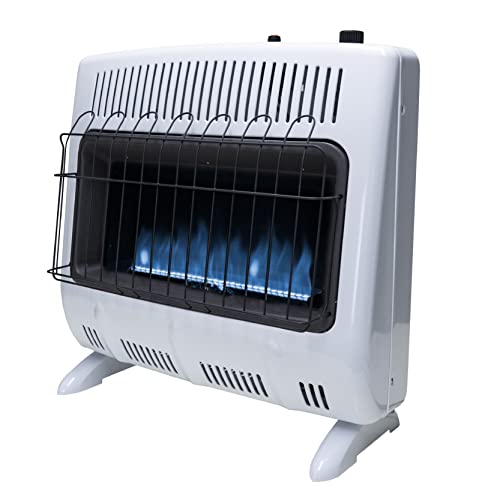
If your garage turns into a walk-in freezer every winter, you've probably started shopping for the best natural gas garage heater instead of dragging out a portable space heater every cold snap. A natural gas unit puts out serious heat fast and typically costs less to run than propane or electric resistance heat, but only if you size it correctly, choose the right venting design, and install it the right way. Get any of those wrong and you end up with a heater that can't keep up, a surprise gas line bill, or a real carbon monoxide risk in an enclosed space. This guide covers BTU sizing, vented versus vent-free designs, gas line versus propane tank tradeoffs, installation basics, and the safety rules that matter most before you buy.


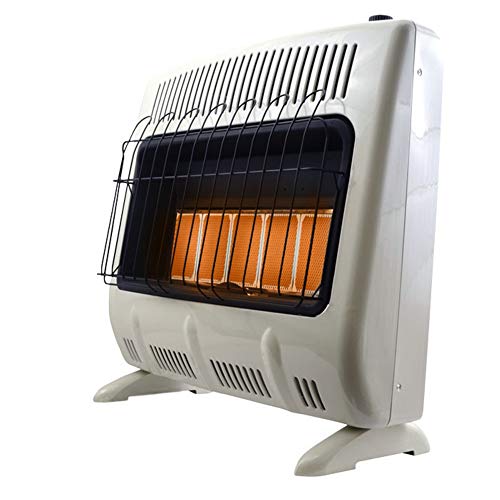
How Many BTUs Your Garage Actually Needs
Sizing is where most garage heater shopping goes wrong. Buy too small and the heater runs constantly without ever bringing the space up to a comfortable temperature. Buy too large and you're paying for capacity you don't need, plus dealing with a bulkier unit and higher gas line requirements than necessary.
Calculating BTU by Square Footage and Climate
A rough starting point is 30 to 35 BTU per square foot for a moderately insulated garage in a mild to average climate, and 45 to 60 BTU per square foot for a poorly insulated garage or a cold northern climate. A well-insulated two-car garage of 400 to 500 square feet might only need 20,000 to 30,000 BTU, while an uninsulated garage of the same size in a cold region could need 45,000 BTU or more just to keep pace with heat loss.
Why Ceiling Height and Insulation Change the Math
Square footage alone doesn't tell the whole story. A heater warms cubic feet of air, not floor area, so a garage with 12-foot ceilings needs meaningfully more BTU than the same footprint with 8-foot ceilings. Insulation quality, the number and size of windows, and how often the garage door opens all shift the number too. If you're between two sizes, most installers recommend sizing up slightly rather than under-heating a poorly insulated space.
Vented vs. Vent-Free: The Type That Actually Matters for Gas
This is the single biggest decision you'll make when picking the best natural gas garage heater for your space, and it doesn't come up at all with electric models. Every natural gas heater falls into one of two categories, and picking the wrong one affects both safety and where you're legally allowed to install it.
Vented (Power-Vent) Heaters
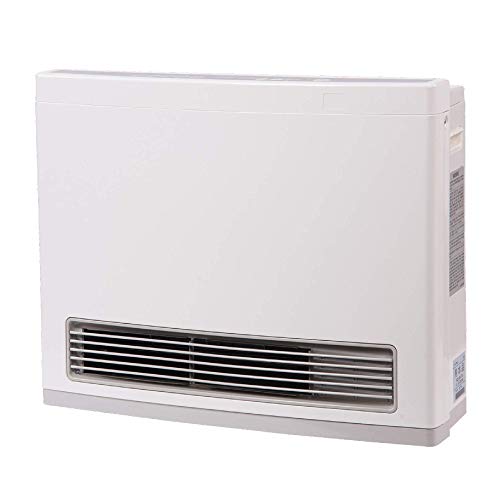
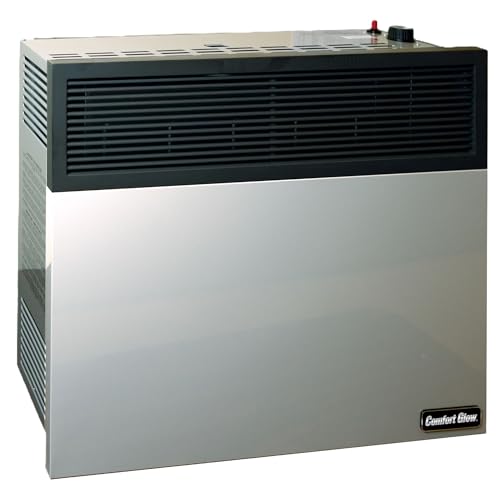
Vented heaters use a flue or power vent to push 100 percent of combustion exhaust outside the garage. Because none of the byproducts stay indoors, they carry a lower baseline carbon monoxide risk and are typically the only option allowed by code in many areas. They handle a wide range of garage sizes, from small single-car spaces up to large multi-bay shops, but they need a clear path to an exterior wall or roof for the vent pipe, which adds to installation complexity and cost.
Vent-Free (Blue Flame) Heaters
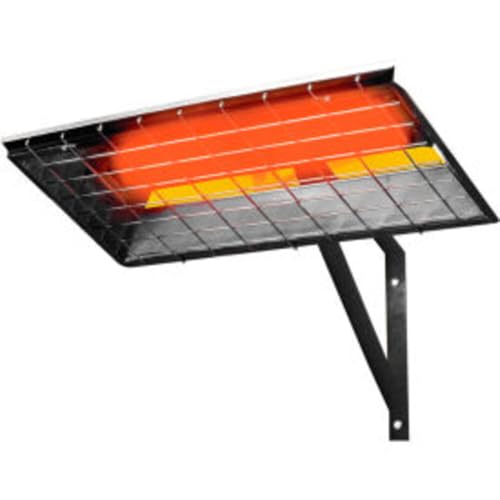
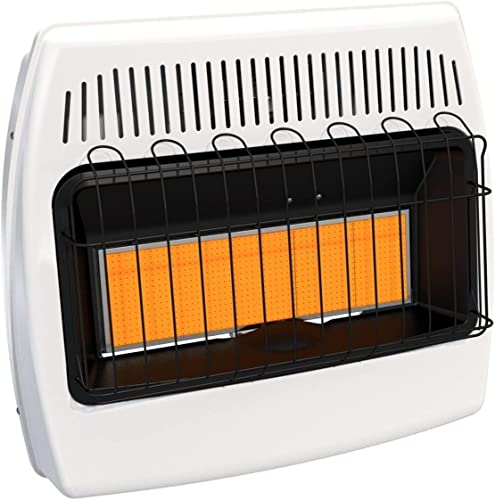
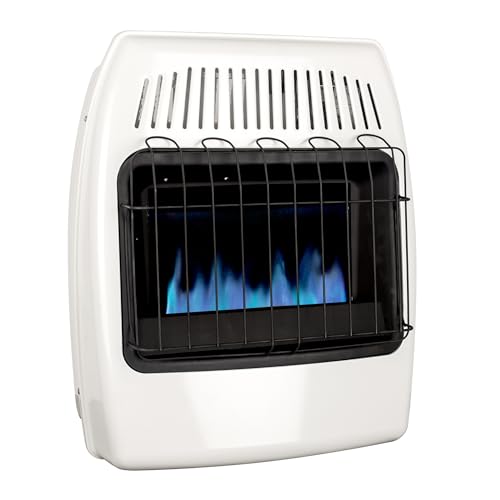
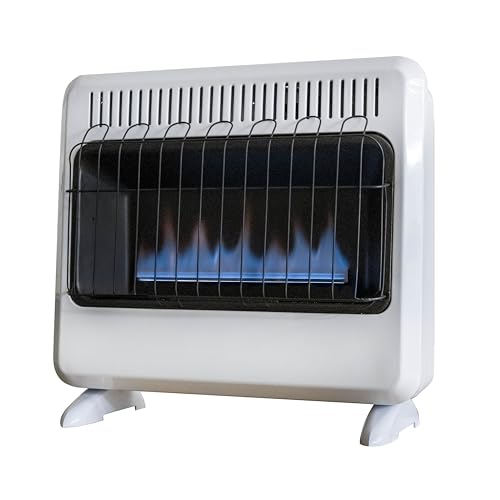
Vent-free, or blue flame, heaters release all combustion byproducts directly into the garage air. They're simpler and cheaper to install since there's no ductwork to run, and modern units include an oxygen depletion sensor that shuts off the gas supply if oxygen levels in the room drop too low. That said, some states restrict or outright prohibit vent-free gas heaters in enclosed spaces, so it's worth checking local code before you buy one. They also tend to be best suited to smaller, better-ventilated garages rather than large, tightly sealed shops.
Natural Gas Line vs. Propane Tank: Picking Your Fuel Setup
Even once you've settled on natural gas, it helps to understand why that's different from a propane setup, since the two fuels aren't interchangeable and a heater built for one won't safely run on the other without a conversion kit. Natural gas typically costs roughly half to a third as much as propane per delivered BTU, and it draws straight from your utility's existing line with no tank to monitor or refill. The tradeoff shows up in installation: if a gas line doesn't already reach your garage, running one from the street or an existing meter can cost several thousand dollars depending on distance and terrain.
Propane sidesteps that problem since it only needs a tank and regulator, which makes it a practical choice for a detached garage or a property with no gas main nearby, though ongoing fuel costs run higher over time. If neither a gas line nor a propane tank makes sense for your setup, an electric furnace is worth a look as a no-combustion alternative, since it skips venting and fuel delivery entirely at the cost of higher operating expenses.
Installing a Natural Gas Heater in Your Garage
Installation is where a natural gas garage heater differs most from a plug-in electric unit, and it's usually not a weekend DIY project unless you're already comfortable working with gas piping.
Gas Line and Pressure Requirements
The heater needs a dedicated gas line sized correctly for its BTU output and distance from the meter, along with the correct supply pressure. Undersized piping causes the heater to underperform even if the unit itself is rated for the space. Because a poor connection can lead to a gas leak, most manufacturers and local codes call for a licensed plumber or HVAC technician to handle this part of the job.
Clearances and Mounting Height
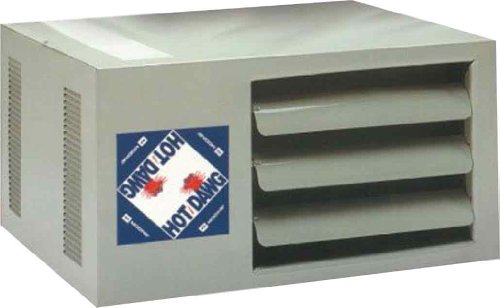
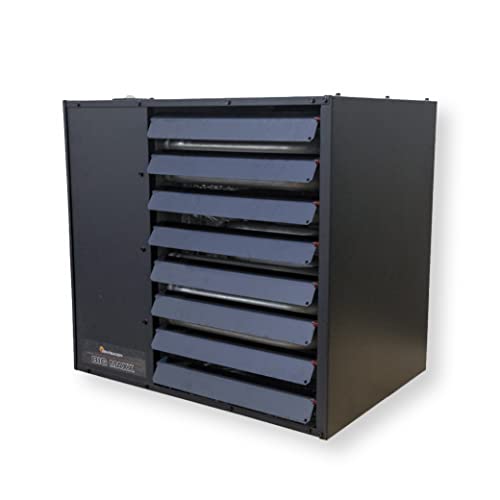
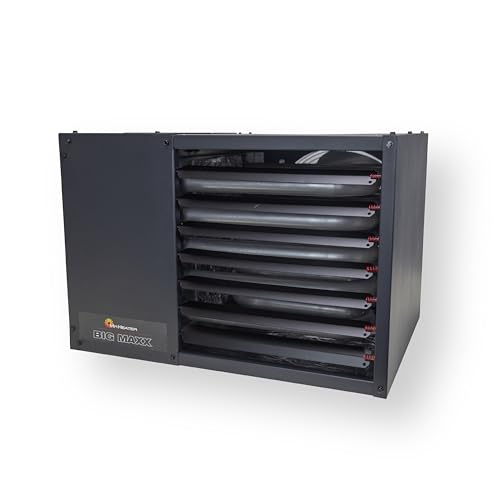
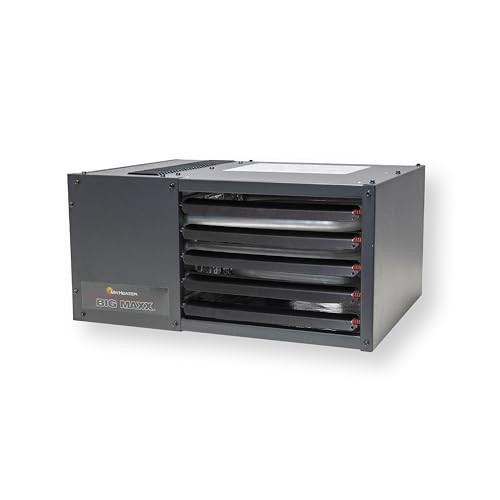
Wall-mounted units generally need 6 to 12 inches of clearance from anything combustible, while ceiling-mounted models often require 8 feet or more of clearance below the unit along with specific clearances to the ceiling, sides, and back. Keep this in mind if you also park equipment or run tools in the garage. If the space doubles as a workshop with something like a home garage air compressor, plan the heater's mounting location around that equipment so nothing sits inside the required clearance zone.
Ventilation and Carbon Monoxide Safety
Combustion always produces some carbon monoxide, and a garage is an enclosed space, which makes ventilation and detection non-negotiable regardless of which heater type you choose. Vented models need a clear, unobstructed flue path checked periodically for blockages, cracks, or corrosion, since a compromised vent is one of the most common causes of CO buildup. Vent-free models rely on their oxygen depletion sensor as a backup, not a replacement for basic room ventilation.
Whichever type you install, place a dedicated carbon monoxide detector in the garage and another in any living space that shares a wall or door with it. Also confirm your heater includes a pilot safety shutoff that cuts gas flow automatically if the flame goes out, and never block or partially cover the intake or exhaust vents to save on heat loss.
Frequently Asked Questions
How many BTUs do I need to heat my garage with a natural gas heater?
Start with 30 to 35 BTU per square foot for a moderately insulated garage in an average climate, or 45 to 60 BTU per square foot for a poorly insulated space or a cold climate. Adjust upward for higher ceilings and older, drafty garage doors.
Is a natural gas garage heater cheaper to run than a propane one?
In most areas, yes. Natural gas typically runs roughly two to three times cheaper per delivered BTU than propane, though the exact savings depend on local utility rates and how far a gas line has to travel to reach your garage.
Does a natural gas garage heater need to be vented?
Not always, but vented units are required by code in many jurisdictions and generally carry a lower carbon monoxide risk. Vent-free models are legal in some areas and not others, so check local code before choosing one.
Can a natural gas heater be converted to run on propane?
Some models can be converted with a manufacturer-approved kit that changes the orifice size and regulator, but you should never assume a natural gas unit is safe to run on propane, or vice versa, without that specific conversion.
Are vent-free natural gas garage heaters safe?
Modern vent-free units include an oxygen depletion sensor that shuts off gas flow if oxygen levels drop too low, which makes them reasonably safe when installed and sized correctly. They still require a working carbon monoxide detector and shouldn't be used in a garage that's sealed too tightly to allow any fresh air exchange.
Do I need a professional to install a natural gas garage heater?
For the gas line connection, almost always yes. Incorrect pipe sizing or a poor connection creates a real leak risk, and many manufacturers require professional installation to keep the warranty valid.
Do I still need a carbon monoxide detector with a vented heater?
Yes. Vented heaters lower the risk by sending exhaust outside, but a blocked, cracked, or disconnected vent can still let carbon monoxide back into the garage, so a detector is still standard safety practice.
Making the Right Call for Your Garage
Choosing the best natural gas garage heater for your situation comes down to matching BTU output to your actual space, picking vented or vent-free based on your local code and garage layout, and treating installation and ventilation as safety steps rather than afterthoughts. Get the sizing and venting decisions right up front, and a natural gas heater will keep a garage or workshop comfortable through the coldest months without becoming a maintenance headache or a safety concern.