Best Porch Swings: A Complete Buying Guide for Any Porch
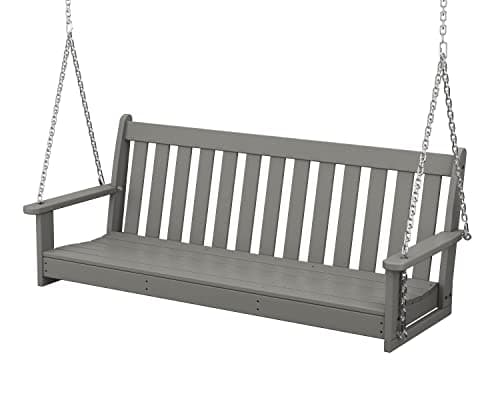
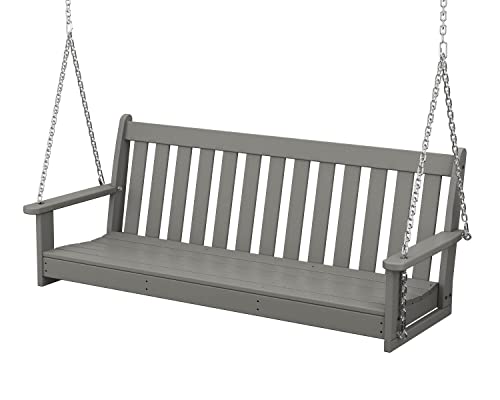

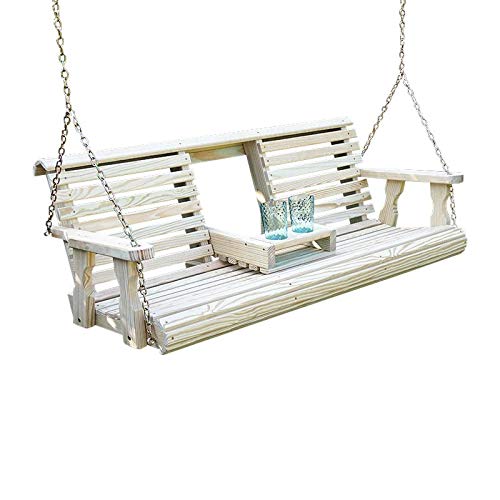
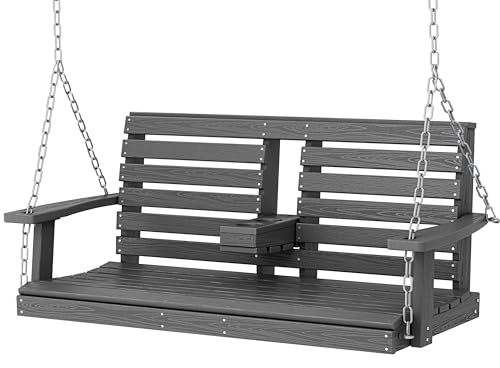
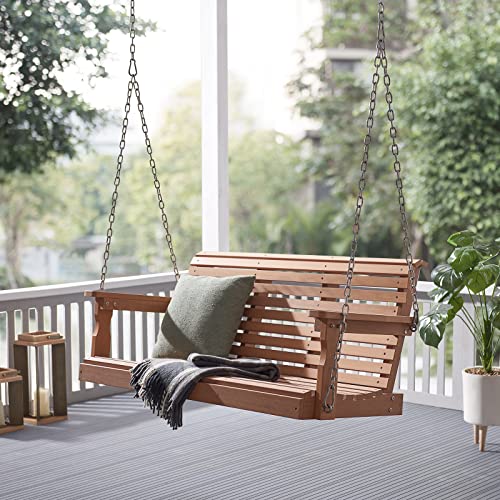
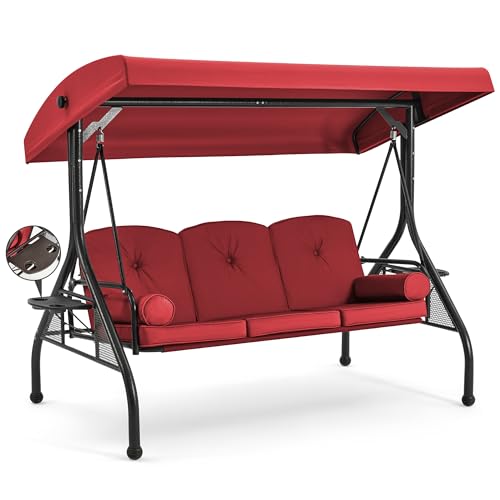
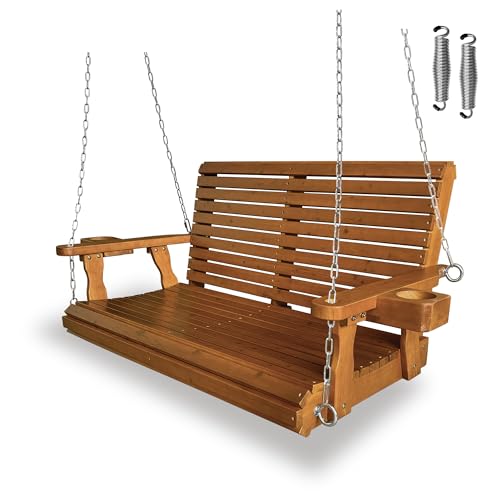
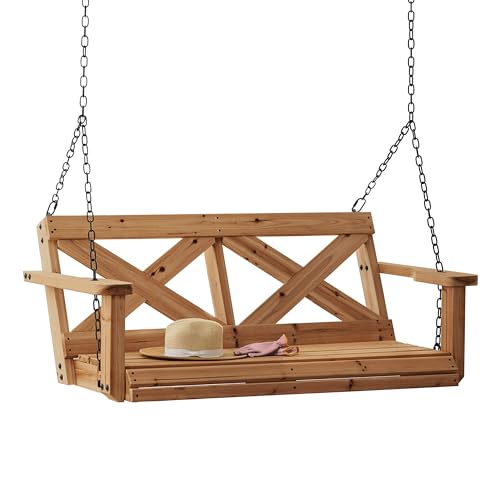
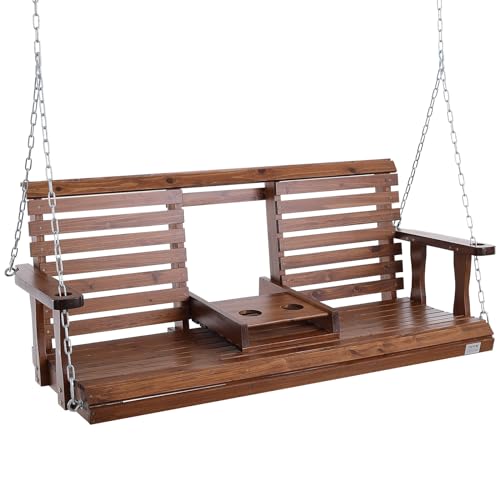
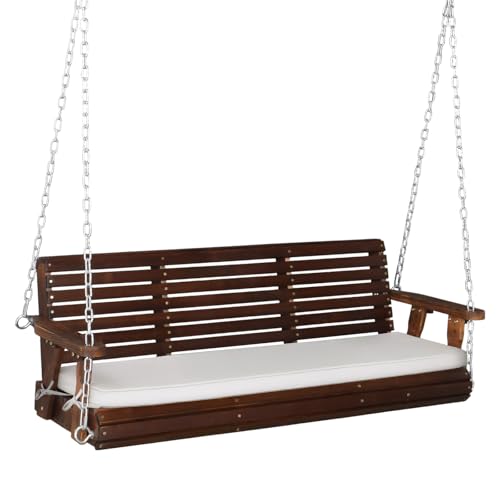
A porch swing looks simple enough until you start wondering whether your ceiling can actually hold one up. Between checking for a solid beam, picking chain or rope that will not rust out in a season, and sizing a seat that fits the space without crowding the steps, there is more to get right than the swing itself. Finding the best porch swings for your home starts with confirming what your porch can support, then matching hardware, material, and size to that reality. This guide walks through how to check your mounting point, what hardware and chain length actually hold up outdoors, how to pick a frame material suited to your porch, and what to do if hanging one overhead is not an option.
Can Your Porch Actually Support a Hanging Swing?
This is the question that trips up more buyers than material or style ever does. A swing loaded with two adults puts real, repeated stress on whatever it hangs from, and a porch ceiling built only to hold its own weight is not automatically ready for that.
Finding the Beam or Joist That Will Carry the Weight
A stud finder run across the porch ceiling locates the joists hiding behind the panel, and every mounting point needs to land on solid joist, not the thin ceiling board between them. A single 2x8 joist or a pair of 2x6 joists is generally enough to carry a two or three person swing, though older porches with smaller framing or visible sagging deserve a closer look before you drill anything.
When the Ceiling Needs Reinforcing First
If the joists are undersized, spaced wrong for your swing's hooks, or showing any rot or water damage, sistering a second piece of lumber alongside the existing joist adds real capacity without a full rebuild. Adding blocking between two joists, short pieces run perpendicular to tie them together, also helps stop twisting under repeated motion, which matters more on an older porch than a newer one. This is also the point where it is worth asking a contractor to take a look, since a joist carrying other loads or spanning further than it should is not something to guess about.
Why Drywall, Beadboard, or Trim Never Count as a Mounting Point
A finished porch ceiling covers the framing underneath it, and that finish material, whether it is drywall, tongue and groove beadboard, or painted trim, has no load-bearing strength of its own. Every hook or eyebolt has to pass through that surface and thread into the joist behind it, not just into the visible ceiling material, or the swing risks pulling loose the first time it takes a real load.
Chains, Hooks, and the Hanging Height That Keeps It Level
The hardware between the swing and the ceiling handles more repeated stress than any other part of the setup, so it is not the place to cut costs.
Sizing the Chain or Rope to Your Ceiling Height
A common starting point is chain roughly twice the distance from the mounting point to your target seat height, then trimmed once the swing hangs level. Most porch swings sit comfortably with the seat around 17 to 19 inches off the floor, close to a standard chair, and leaving three to four feet of clearance in front and behind gives the swing room to move without clipping a railing.
Hardware Rated for the Load, Not Just the Look
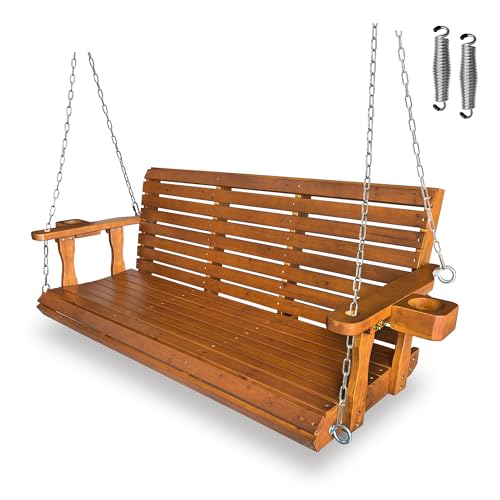
Galvanized or stainless steel chain resists rust far longer than plain steel left exposed to rain and humidity, and the same goes for the eye bolts or hooks holding it to the ceiling. Hooks should sit two to four inches wider than the swing's own hanging points so the chains hang straight instead of rubbing the frame, and every piece of hardware should carry a weight rating well above what the swing itself is rated for. Coated or vinyl-wrapped chain is worth considering too, since it protects clothing and skin from pinching between the links while still holding up outdoors, and it is worth checking chains and hooks once or twice a year for surface rust or fraying, especially after a harsh winter.
Wood, Metal, or Resin: Choosing a Frame for Where It Hangs
Because a hanging swing usually sits under some kind of roof, the material question is less about full sun exposure and more about how much rain, humidity, or coastal air actually reaches it.
Matching Material to How Exposed Your Porch Is
Cedar and teak resist rot naturally and hold up well on a covered porch with only occasional sealing, while pine and other softwoods need more frequent staining to avoid warping if wind-driven rain reaches them. Wrought iron and steel frames feel solid and work well under a roof, provided the finish is rust-resistant, and resin wicker over an aluminum frame shrugs off humidity almost entirely, which makes it a strong choice for a porch that never fully dries out between storms.
A quick-dry cushion with a mesh or perforated core, paired with solution-dyed fabric, keeps the seat comfortable without holding water the way a standard cushion does, and browsing a full range of outdoor cushions makes it easier to match one to whatever frame you land on.
Seat Width and Weight Capacity for How Many People Sit Down
Standard porch swings run four to six feet wide and typically seat two to three adults, with wider frames and thicker chain handling more combined weight without sagging over time. Check the listed capacity against how the swing will actually be used, since a swing rated for two people occasionally holding a third guest needs more margin than the minimum number suggests. Measure the porch itself before settling on a width, too, since a swing needs enough overhead ceiling span for the mounting hooks plus clearance on both sides so it does not bump a railing or an exterior wall mid swing.
When a Hanging Porch Swing Isn't the Right Fit
Not every porch has a ceiling worth trusting with a swing, and that does not have to end the search.
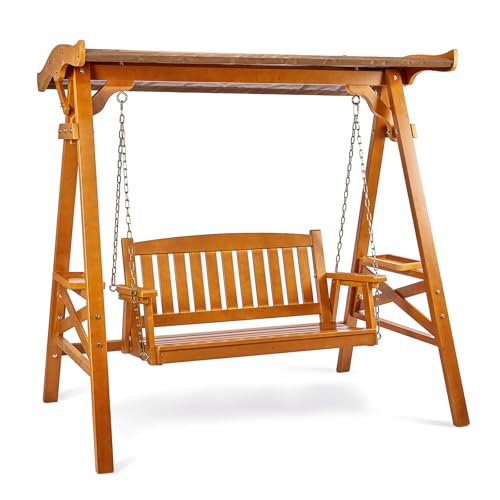
A freestanding swing frame gives a bench or hanging seat its own support structure, so it works on a patio, deck, or open yard without touching the porch ceiling at all, and it can be relocated later if you rearrange the space.
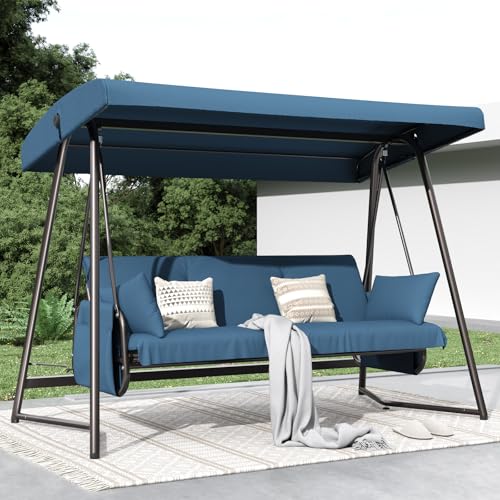
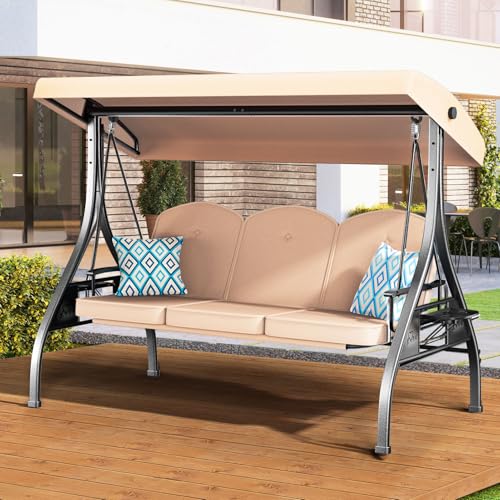
If shade matters as much as seating, a canopy porch swing brings its own overhead cover along with the freestanding base, which is worth considering for a patio with no roof over it whatsoever.
For a smaller footprint that still delivers that same back and forth motion, a hammock chair swing hangs from a single point and fits porches or corners too tight for a full bench.
Frequently Asked Questions
How do I know if my porch ceiling is strong enough for a swing?
Locate the joists with a stud finder and confirm the swing's mounting hooks will land on solid framing rather than the thin ceiling panel between them. If the joists look undersized, damaged, or already carry other loads, have a contractor check before hanging anything from them.
How much weight can a porch swing hold?
Most standard porch swings are rated to hold between 500 and 800 pounds combined, though the actual number depends on the frame, chain, and hardware used. Always check the manufacturer's listed capacity rather than estimating from the swing's size alone.
What size chain do I need for a porch swing?
A common guideline is chain roughly twice the distance between the mounting point and your target seat height, then adjusted once the swing is hung so it sits level. Buying slightly more chain than the estimate gives you room to fine-tune the final height.
How high should a porch swing hang off the ground?
Most porch swings sit comfortably with the seat around 17 to 19 inches off the floor once someone is seated, which is close to standard chair height. Chain length should be adjusted so the swing does not drag the ground or sit uncomfortably high.
Can I hang a porch swing if there is no joist in the right spot?
A ceiling support brace can sometimes be added between existing joists to create a mounting point, though this usually calls for a contractor rather than a weekend project since it involves opening up the ceiling. A freestanding stand is often the simpler route if adding structural support is not practical or worth the cost.
What is the best wood for a porch swing that stays outside year round?
Cedar and teak are generally the top picks because both resist rot and insects naturally, which means less frequent sealing than pine or other softwoods need to avoid warping and graying over time.
Getting the Setup Right Before You Hang It
Choosing among the best porch swings really comes down to confirming what your porch ceiling can carry, then matching hardware, chain length, and frame material to that answer. Get the mounting point and hardware right first, and the rest, from seat size to cushion fabric, becomes a much easier decision.