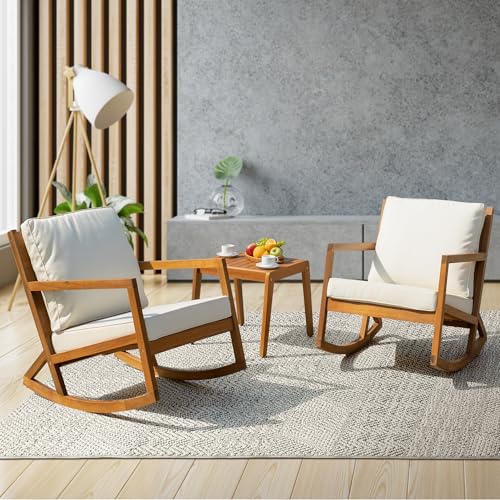
Best Outdoor Cushions: A Complete Buying Guide
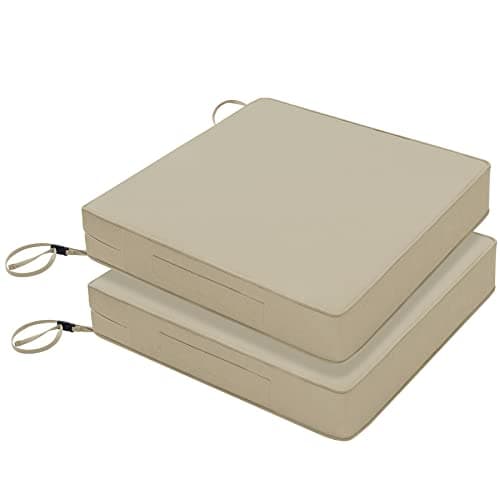
A hard chair seat or a sofa cushion that has lost its bounce can turn an otherwise nice patio into a spot nobody wants to sit for long. Swapping in outdoor cushions built to handle real weather, not just an occasional light drizzle, is one of the fastest ways to fix that without replacing the furniture underneath. The problem is that plenty of cushions labeled outdoor are only rated for a quick shower, and the foam inside starts breaking down fast once it soaks up water it can't shed. This guide covers seat cushions specifically, the padded pieces that carry your full weight every time you sit down on a chair, sofa, or sectional. You'll learn what separates foam that holds up for years from foam that turns into a sponge, how to size cushions for furniture you already own, and how to keep them in shape when you're not sitting on them.
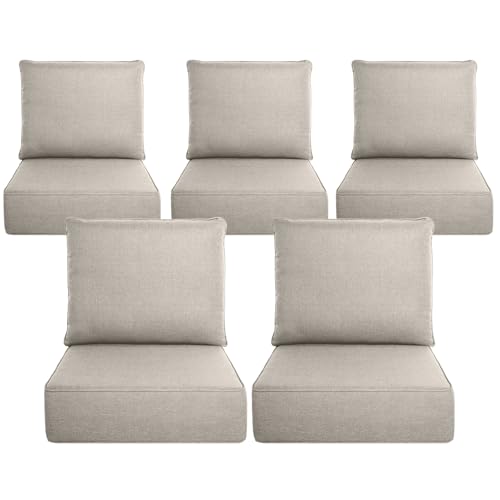
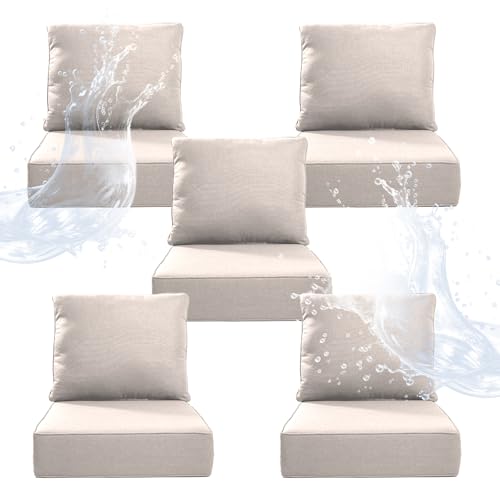
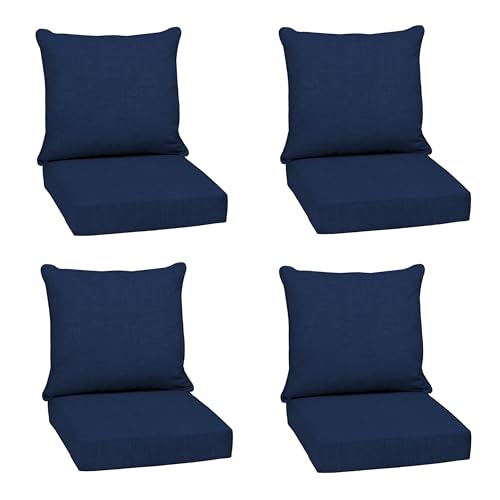
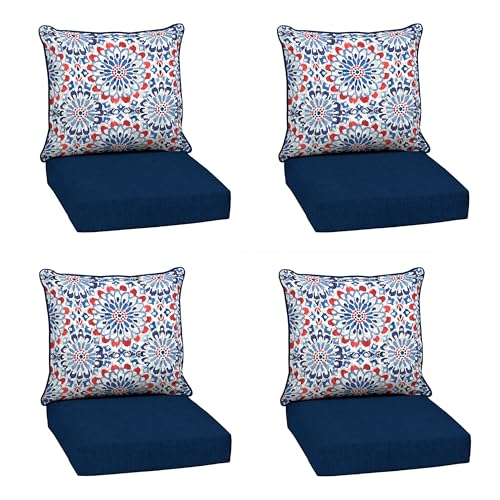
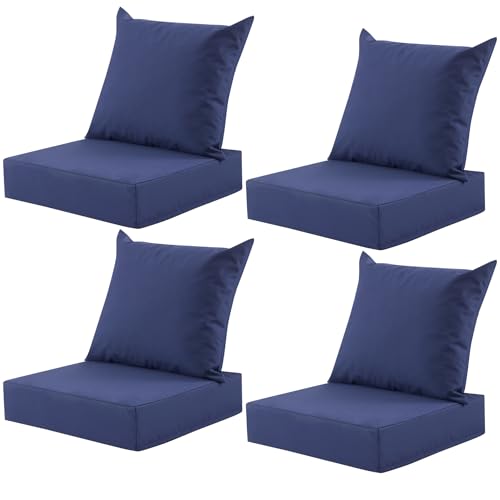
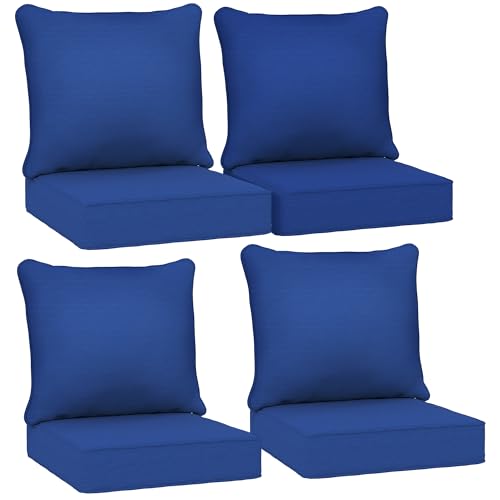

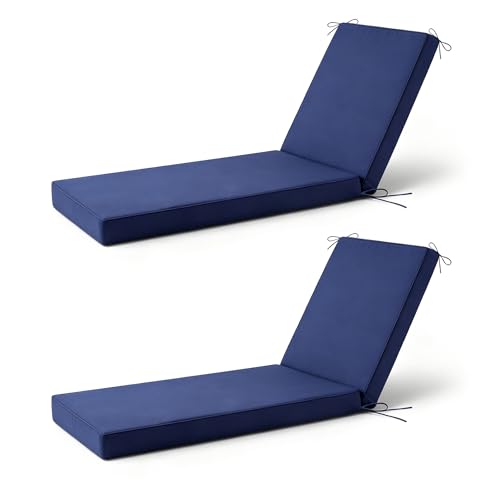
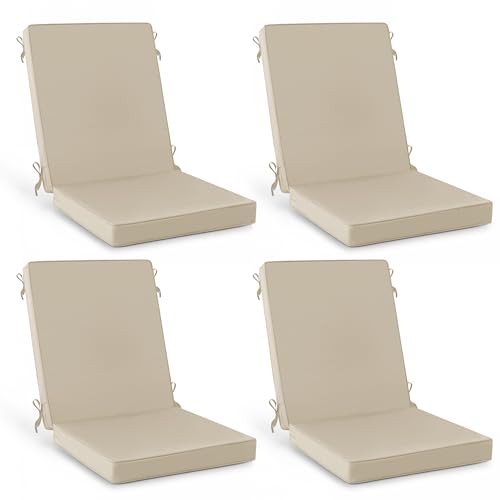
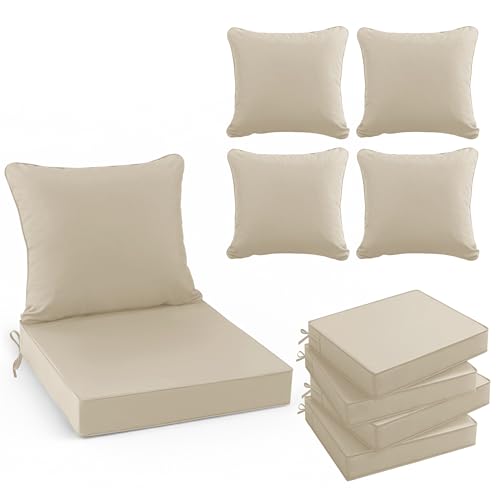
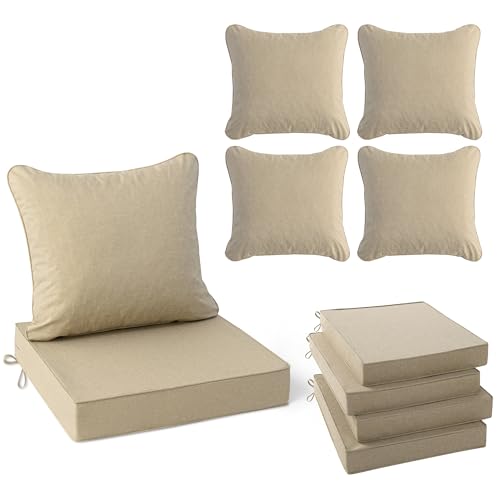
Outdoor Cushions vs. Accent Pillows: What You're Actually Shopping For
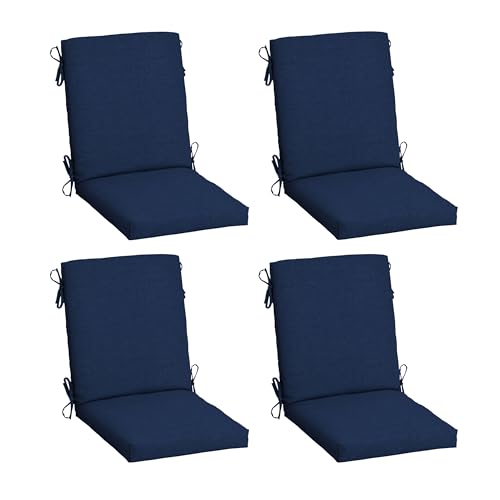
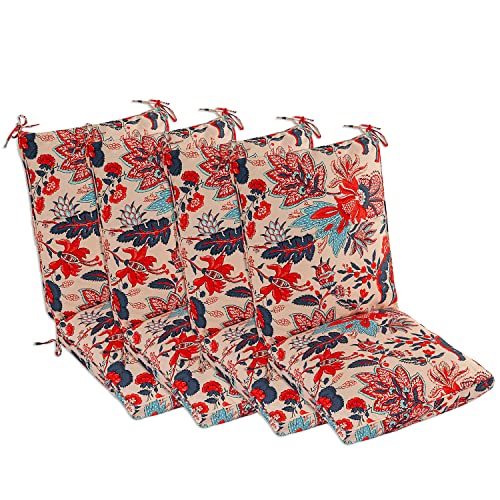
Search for outdoor cushions and the results tend to mix two different products together. A seat cushion is the padded piece that sits directly on a chair, sofa, or sectional frame and takes your full body weight every time you use it, usually shaped to match the seat and secured with ties at two or four points. A throw or lumbar pillow is a smaller accent piece that leans against a backrest or rests on top of a cushion that's already doing the structural work, added mainly for color and a bit of lower-back support rather than to bear weight.
If your seat itself is bare, worn through, or has lost its shape, you need a proper seat cushion built with dense support foam, not a decorative outdoor chair pillow that was never designed to hold up under regular sitting. Buying a stack of accent pillows to fix a hard, sagging seat is a common mismatch, and it usually means shopping again within a season once the thin fill flattens out.
Foam That Actually Holds Up Under Regular Sitting
Foam density, not softness, determines how long outdoor cushions keep their shape. Budget cushions often use foam in the 1.2 to 1.5 lb per cubic foot range, which feels fine in the store but compresses permanently after a single summer of regular use. Foam in the 1.8 to 2.5 lb range costs more upfront but spreads your weight across more of its internal structure, so it springs back instead of staying flattened where you sit.
Open-cell, quick-dry foam is worth prioritizing for any cushion that will sit outside full time. Instead of soaking up rain and staying damp for days, the open channels let water drain straight through, so a cushion caught in a sudden storm can be dry within a few hours rather than staying wet and starting to smell. Closed-cell foam resists water too, but it tends to feel firmer and is better suited to cushions that see less direct exposure.
Thickness should match how the outdoor cushion gets used. A dining or accent chair usually only needs two to three inches since you're not sitting for long stretches, while deep seating cushions on a sofa or an outdoor sectional need four to five inches of higher-density foam to stay supportive through years of daily use.
Fabric That Won't Fade, Streak, or Trap Moisture
Solution-dyed acrylic fabric, the type used in performance lines like Sunbrella, runs color through the entire fiber instead of printing it on the surface, which is what separates outdoor cushions that hold their color for years from ones that fade within a season. A tightly woven, water-repellent finish adds another layer of protection, helping rain bead up and roll off the cover instead of soaking straight through to the foam.
UV resistance matters even in climates that don't get much rain, since sun exposure alone breaks down dye and fibers over time. Many performance fabric lines back this with a fade warranty, which gives you a rough sense of how many years of direct sun the color is built to handle. A zippered, removable cover is also worth paying for, since it lets you machine wash the fabric on its own instead of scrubbing an entire cushion in place.
Getting the Right Size for the Furniture You Already Have
Measure the actual seat frame rather than an old, worn cushion, since fabric stretches and foam compresses over time in ways that throw off the true dimensions. Take width at the front, middle, and back of the seat, using the widest reading, then measure depth from the front edge to where the seat meets the backrest, and note the uncompressed thickness you want. Adding about an inch to your final measurement helps the new outdoor cushion sit snugly instead of shifting around on the frame.
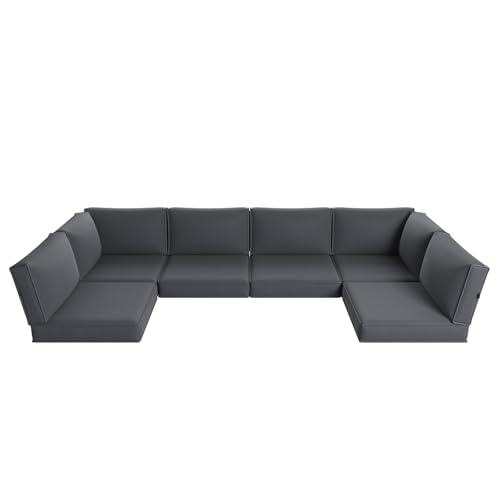
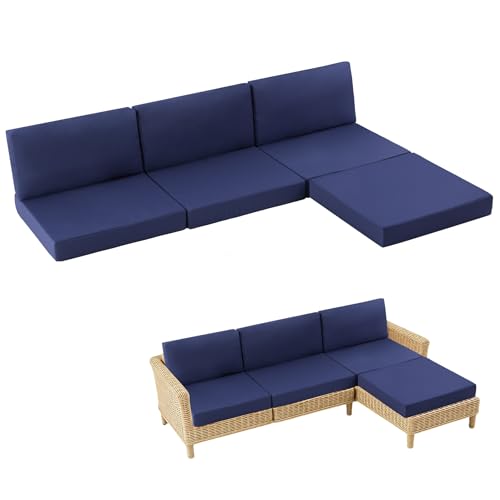
Sectionals and multi-seat pieces need extra care, since each segment can differ slightly and corner units are usually a separate square shape rather than a match for the straight sections beside them. Chairs with a curved or contoured seat, like a rocking chair or an Adirondack chair, often need a cushion cut specifically for that shape rather than a generic rectangle, since a flat pad will rock or slide on a sloped seat.
Securing and Storing Cushions When You're Not Using Them
Ties or straps that loop around the chair or sofa frame keep heavy outdoor cushions from sliding off in the wind, which matters more on an open deck or an upper-floor balcony than most people expect. A cushion without any attachment points will eventually end up on the ground or blown into the yard during the first strong gust, no matter how much it weighs.
Bringing cushions inside, or at least under cover, during extended rain, snow, or the off-season adds years to their lifespan even with weather-rated foam and fabric. A waterproof storage bin, deck box, or a fitted furniture cover makes this an easy routine rather than a chore you keep putting off. Avoid sealing cushions tightly in plastic for long stretches, since trapped moisture inside the bag encourages the same mildew you were trying to avoid in the first place.
Frequently Asked Questions
What foam is best for outdoor cushions?
Open-cell, quick-dry foam with a density of at least 1.8 lb per cubic foot is the best combination of support and durability. It drains water instead of holding onto it and resists permanent compression far longer than cheap, low-density fill.
How thick should outdoor seat cushions be for a sofa or sectional?
Deep seating cushions on a sofa or sectional typically need four to five inches of foam to stay supportive under regular use. Thinner two to three inch cushions work fine for dining or accent chairs where you're not sitting as long.
How do I measure my furniture for replacement seat cushions?
Measure the bare seat frame itself, not an old cushion, taking width at three points and using the widest reading, plus depth from front to back. Add roughly an inch to the final numbers so the new cushion fits snugly without shifting.
Are outdoor seat cushions waterproof?
Most are water-resistant rather than fully waterproof, meaning they shed light rain and dry quickly but can soak through during a prolonged downpour. Bringing them inside or under cover during heavy storms protects both the fabric and the foam.
How often should you replace outdoor seat cushions?
Most last two to five years depending on foam density, sun exposure, and how consistently they're stored during bad weather. Foam that no longer bounces back, persistent mildew, or heavy fading are all signs it's time to replace them.
Can outdoor seat cushions stay outside all winter?
It depends on your climate, but most cushions hold up better long term when stored somewhere dry during freezing temperatures or heavy snow. Repeated freeze-thaw cycles and constant dampness wear down foam faster than a summer of regular sun does.
What's the difference between an outdoor seat cushion and an accent pillow?
A seat cushion is the structural piece you sit directly on, built with dense foam to carry your full weight. An accent pillow is a smaller decorative piece that sits on top of an already-functional cushion, adding color and light back support rather than structural comfort.
Making the Right Call
Choosing the best outdoor cushions for your patio comes down to matching foam density, fabric, and exact sizing to the furniture you actually own rather than grabbing whatever looks good online. A cushion with the right density and a solution-dyed cover will keep its shape and color for years, while a cheap one flattens and fades within a single season. Take the time to measure your seating, think honestly about how much sun and rain your space gets, and secure or store cushions properly when they're not in use. Get those details right, and your patio becomes a place people actually want to sit rather than one they avoid.