Best Compact Lawn Chairs: Buying Guide 2026
Disclosure: We may earn a commission when you buy through links on this page, at no extra cost to you. As an Amazon Associate I earn from qualifying purchases. Learn more

Best compact lawn chairs for small yards, balconies and patios: check folded size, seat width, weight capacity and fabric.
A small yard, balcony, or patio does not have to mean uncomfortable seating. The right best compact lawn chairs fold down to a slim shape for storage, open wide enough to sit in with ease, and still give your back and legs real support. The challenge is that compact can mean anything from a narrow seat to a short folded length, so labels alone tell you very little.
This guide gives you a clear checklist for judging size, comfort, and build before you spend anything. Use it to read the dimensions in the comparison table below with fresh eyes, so you can spot which chairs truly fit your space and which ones only sound small on the page.


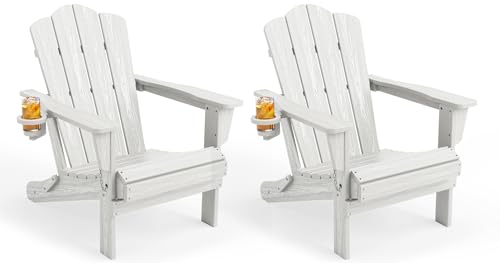
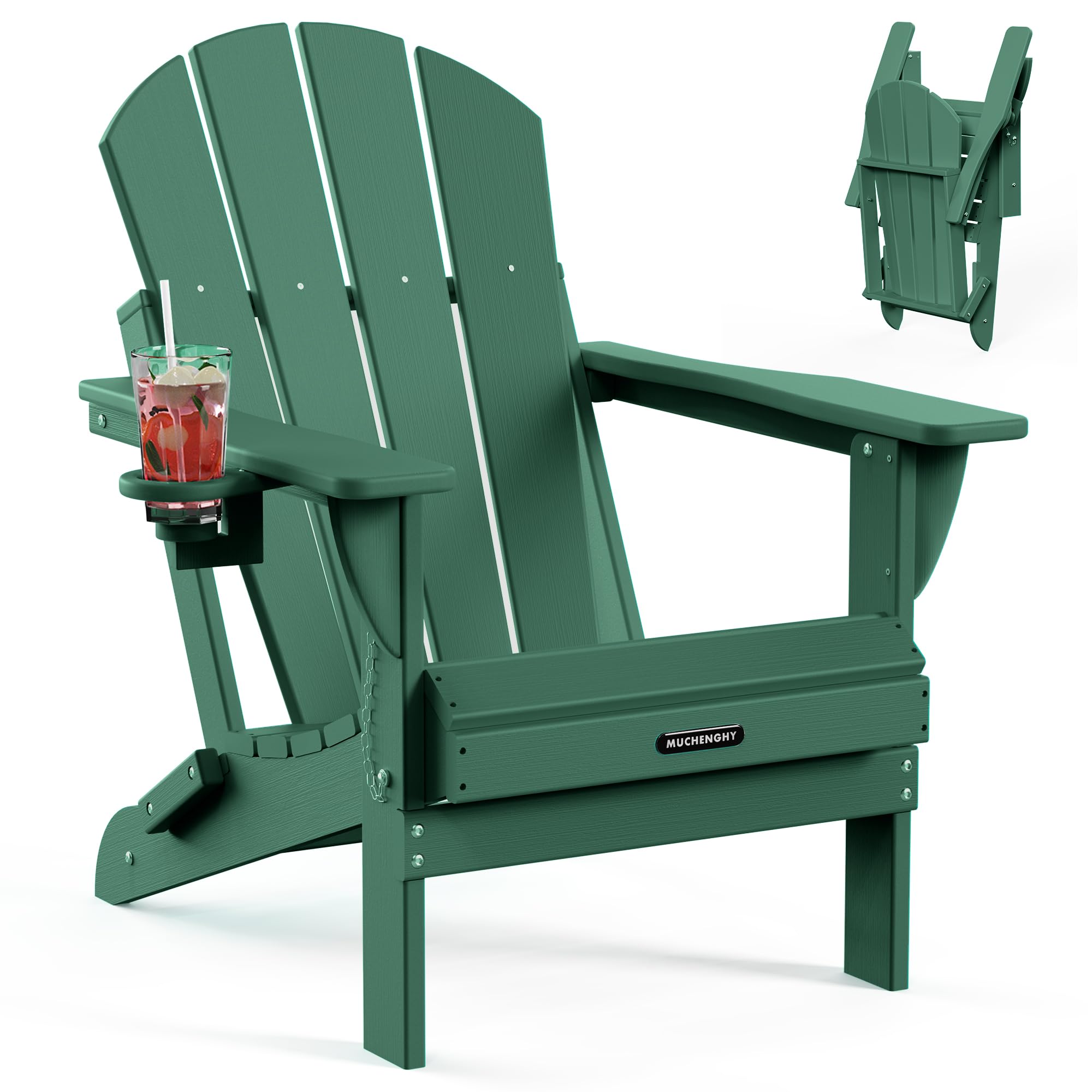

How to Evaluate Compact Lawn Chairs With a Simple Checklist
Start with the space you actually have, not the space you wish you had. Measure where the chair will sit, where it will be stored, and the path between the two, because a chair that fits the patio but not the closet or doorway still creates a daily problem. If space is not tight at all, see our guide to the best lawn chairs to learn what larger frames can add in seat width and recline range.
Measuring for Size and Portability
Look at the folded dimensions first, since those decide whether the chair slips behind a door, into a shed corner, or along a car trunk wall. Note the folded thickness as well as the length, because two chairs with the same folded length can stack very differently. Then check the carry weight. A chair under about 12 pounds is easy to move for most adults, while heavier models suit a yard where they stay in one place. Handles and carry straps help too.
Ergonomics and Adjustability
Good ergonomic shaping keeps a small chair from feeling like a compromise. Seat height around 16 to 19 inches lets most adults stand up without pulling on the armrests, while a gently sloped seat back reduces pressure behind the knees. A tilt lock is worth having if the chair reclines, because it holds the angle you choose instead of letting the backrest drift while you sit. Adjustable armrests help when readers of different heights share the same chair, and a headrest that moves up or down can support your neck without pushing your head forward.
Seat Dimensions and Weight Capacity
Open dimensions tell you how the chair will feel once you sit down. Aim for a seat at least 19 inches wide if you can, and check the depth so the front edge does not press into the back of your legs. Weight capacity deserves the same attention. Choose a rating that leaves a clear margin above the heaviest regular user, since capacity reflects the frame, the fabric, and the joints working together. A higher rating also tends to mean sturdier tubing and stronger stitching, which helps the chair feel steady on grass and on uneven ground.
Comfort and Cushioning
Cushioning decides whether a chair suits a quick coffee outside or a long afternoon with a book. High density foam holds its shape longer than thin padding, so the seat still feels supportive after months of use instead of flattening over the frame bars. Padding thickness alone can mislead you, because very soft foam can bottom out under your weight. A mesh back is a smart trade in hot weather, since air moves through it and keeps your back cooler, while padded seats pair well with that airflow for longer sits.
Materials and Fabric Choices
Frame material sets the balance between strength and carry weight. Aluminum frames resist rust and stay light, powder coated steel feels very sturdy at a lower cost but needs chips in the coating touched up before rust can start, and hardwood frames look warm on a deck yet add weight and need more care. For fabric, woven polyester and textilene style mesh both handle sun and rain well and dry fast after a shower. Thick canvas feels soft and strong but dries slowly, so it suits covered porches better than open yards.
Warranty and Return Policy
A clear warranty tells you how much confidence the maker has in the frame and the folding joints. Look for at least a year of coverage on the frame, and read whether fabric, stitching, and plastic parts such as armrest caps and feet are included or excluded. Return terms matter just as much with space saving models, because a chair that measures correctly can still feel wrong once you sit in it. Keep the box until you have opened, locked, folded, and stored the chair at least once in your real space.
Buying Guidance by Space and Seating Need
Once the checklist makes sense, match it to the way you will actually use the chair. The three situations below cover most small outdoor spaces, and each one shifts which features deserve your money and which ones you can safely skip.
Small Patios and Balconies
On a narrow balcony, folded thickness and open footprint matter more than extra padding. Choose a chair that stores upright in a slim gap and opens without needing room behind it to recline. A mesh back keeps air moving in a sheltered corner where heat builds up, and light aluminum framing makes it simple to carry the chair inside when a storm rolls in. If the same tight corner sometimes needs indoor seating too, see our guide to the best compact chairs for options shaped for that different job.
Everyday Seating for Family Yards
For daily family use, comfort and strength should outrank the smallest possible fold. A wider seat, firm lumbar support, and a generous weight capacity will serve different family members better than a frame that saves one extra inch in storage. Look for fabric that wipes clean after sunscreen, snacks, and muddy shoes, and for feet that spread the load so the legs do not sink into soft lawn. Chairs in this group live outside for much of the season, so sun resistance and easy hosing down count as much as the first sit.
Guests, Camping Trips, and Extra Seating
Guest chairs and travel chairs earn their keep by being easy to grab, carry, and put away. Prioritize a simple folding action with a lock that clicks clearly into place, a carry strap or handle, and a folded shape that stacks with its matching chairs instead of sliding around. For a deeper look at frames built to collapse for travel and storage, see our guide to the best folding lawn chairs and note how their hinges and latches differ. A modest recline is plenty here, since guests value a steady, welcoming seat more than lots of positions.
Quick Buyer Checklist
Run through these questions before you order any of the best compact lawn chairs, and treat any no answer as a reason to keep looking rather than a detail you can ignore.
- Does the folded size fit your storage spot with a little room to spare?
- Can you carry the chair along your real path from storage to yard without strain?
- Is the seat wide and deep enough for the tallest and broadest regular user?
- Does the weight capacity leave a clear safety margin for every regular user?
- Does the backrest give lumbar support in the position you will use most?
- Will the fabric dry fast enough for how exposed your seating area is?
- Does the frame material suit your climate, especially near salt air or heavy rain?
- Do the warranty and return terms cover the frame, the fabric, and the folding joints?
Red Flags to Watch For
Weak compact chairs tend to fail in predictable ways, and the warning signs usually show up in the listing long before the chair reaches your yard.
- Missing folded dimensions, because a chair sold as compact should prove it with real numbers.
- A weight capacity with no margin for the heaviest user, which strains joints and fabric on every sit.
- Vague fabric names with no mention of sun or water resistance, which often means the cloth fades and weakens within a season.
- Photos that hide the folding joints and feet, since those are the parts most likely to bend, crack, or wobble.
- A very short warranty on the frame, which suggests the maker does not expect the structure to last.
Setup and Care Tips for Compact Lawn Chairs
Setup takes a minute and pays off in stability. Open the chair on flat ground, press the frame fully into its locked position, and check that every foot sits level before anyone leans back. If your model has a tilt lock or recline latch, try it while standing beside the chair so you learn how firmly it holds. Readers comparing storage styles may also see our guide to the best foldable lawn chairs for other ways frames collapse for tight closets.
Care is mostly about moisture and grit. Brush off dried dirt, wash the fabric with mild soap and water, and let the chair dry fully in open air before folding it away, since trapped moisture invites mildew and weakens stitching. Wipe grit out of the hinges so the folding action stays smooth, check bolts and rivets at the start of each season, and store the chair under cover or indoors over winter. Keeping it dry in storage does more for its lifespan than any coating or spray.
Frequently Asked Questions
How do I choose the right size compact lawn chair for my space?
Measure your sitting area and your storage spot, then match both against the open and folded dimensions before you buy. Leave at least a few inches of walking room around the open chair so you are not squeezing past it with a drink in hand. Also measure any doorway or gate on the path between storage and yard, because a chair that must turn sideways at a tight gate quickly becomes a chair nobody wants to move.
What features matter most for long hours in a compact lawn chair?
Firm seat support, a backrest that follows the curve of your lower back, and breathable fabric matter most for long sits. A recline position you can lock in place helps you shift pressure off your tailbone, and wide armrests give your shoulders a rest. Plan to stand, stretch, and walk for a few minutes each hour as well, because even the best shaped seat cannot replace regular movement during a long afternoon outside.
Is an expensive compact lawn chair worth buying?
It can be, if the higher price buys a stronger frame, better fabric, and a longer warranty rather than styling alone. Premium models often add thicker foam, smoother hinges, and replaceable fabric, which can lower the cost per season across years of use. For a chair used a few times each summer, a simpler model at under $100 usually makes more sense. Match the spend to your hours of use, not to the longest feature list.
How long should a good compact lawn chair last?
A well built compact lawn chair should last about three to five seasons of regular outdoor use. Watch for end of life signs such as fabric tearing near the edges, a frame that rocks even on flat ground, or a lock that no longer holds its position, because those faults affect safety and mean the chair should be retired. Chairs stored dry and out of winter weather often reach the upper end of that range, while chairs left out all year tend to wear out sooner.
Final Thoughts
The chairs worth your money get three things right at once. They fold small enough for your real storage spot, they support your body with a firm seat and proper lumbar support, and they use frame and fabric materials that suit your weather. Everything else, from extra recline positions to thicker padding, is a bonus you can weigh against price. Use the product table above to compare folded sizes and weight ratings side by side, and let your measurements make the final call. Chosen with this checklist, the best compact lawn chairs turn even a small patch of outdoors into a seat you will use every day.