Best Outdoor Swing Frame: A Complete Buying Guide

Plenty of people end up shopping for a frame on its own, not a full swing set. Maybe a porch swing came without anything to hang it from, or a hammock chair has been sitting in its box because there is no beam strong enough to hold it. An outdoor swing frame solves that problem by giving any bench, chair, or hammock its own freestanding support, no porch roof or sturdy tree branch required. The tricky part is that frames and seats are usually sold by different companies, so nothing guarantees they will actually fit together well. This guide covers how to match a frame to the seat you already own, what the weight and material specs really tell you, and how much space and ground prep a frame needs before it goes anywhere near your patio.
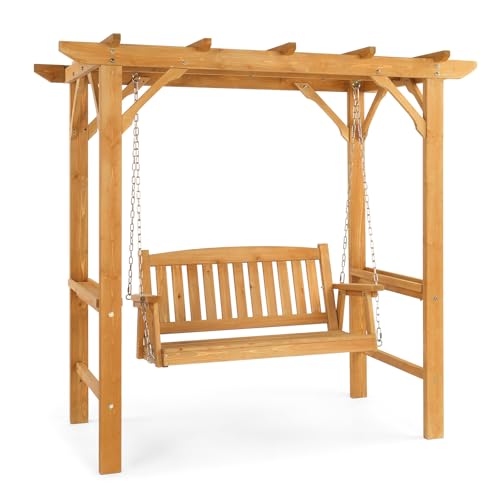
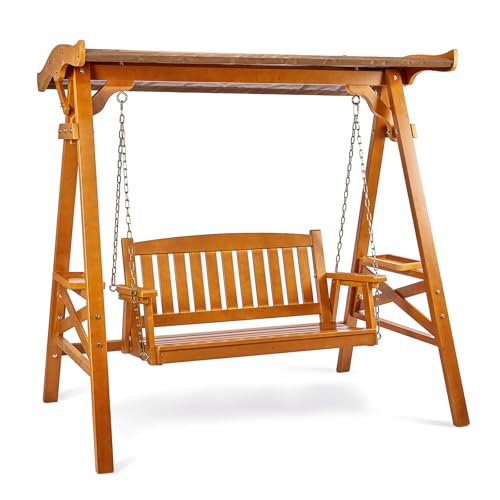
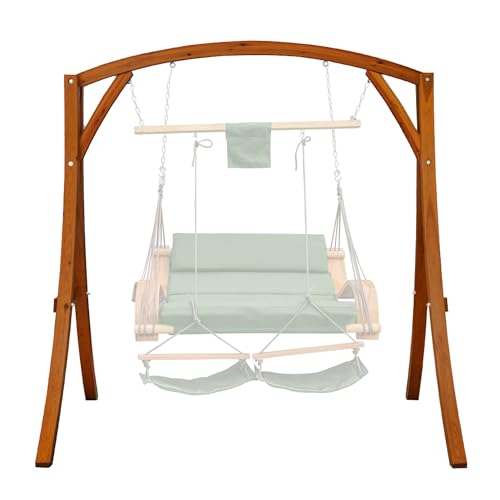
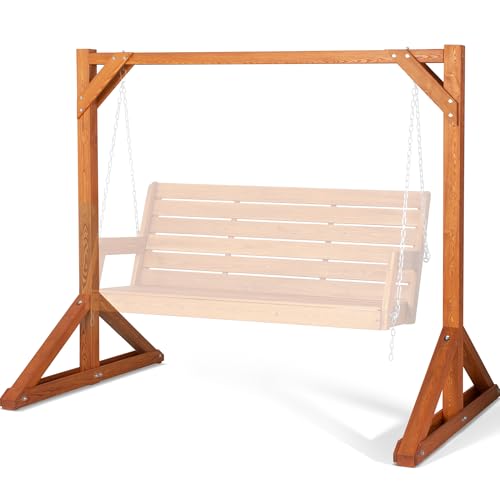
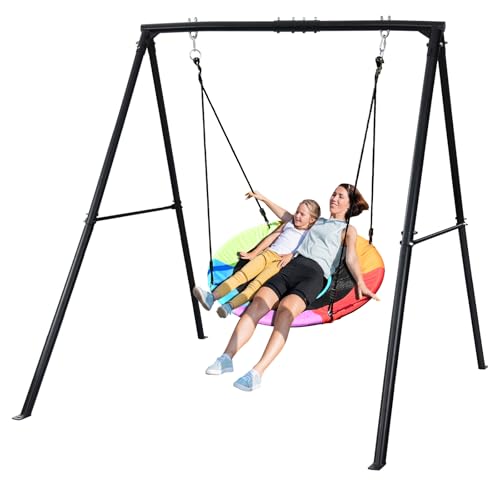

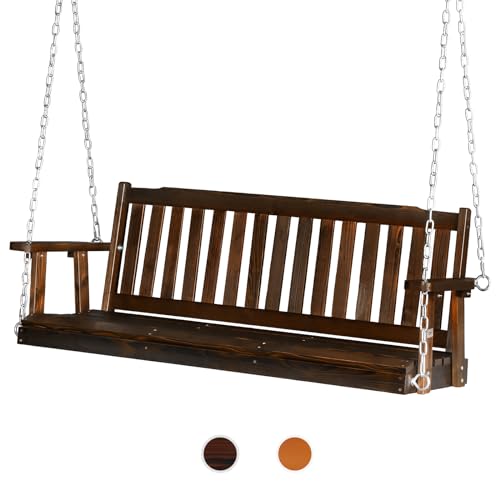
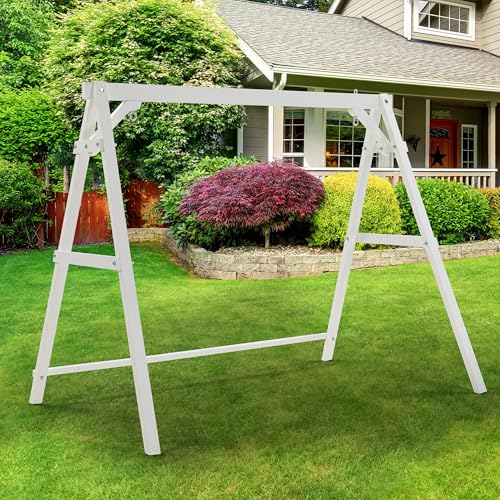
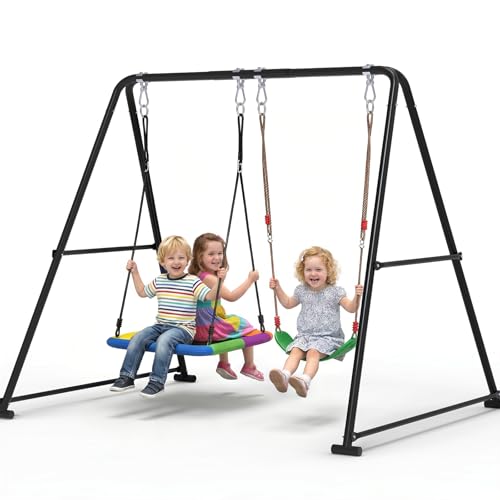
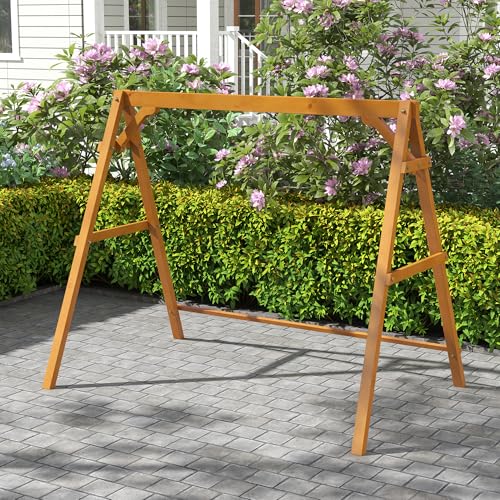
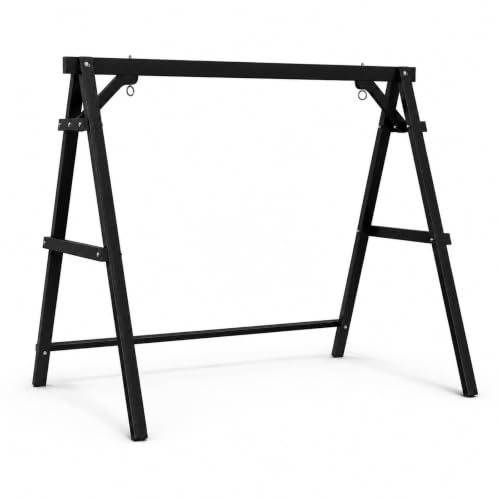
Matching a Frame to the Seat You Already Have (or Plan to Buy)
Frames and seats are often bought at different times, sometimes years apart, which means the first job is confirming they will actually line up once assembled. The width between a frame's hanging points needs to match the seat's chains or ropes closely enough that the seat hangs level instead of tilted to one side. A two or three person bench typically spans six to eight feet between hooks, while a single hammock chair or a small egg-style seat needs only one center point, which opens up smaller and less expensive frame options.
This is also where it helps to think about what kind of seat you actually want to hang. A wide A-frame built for a bench swing is overkill if what you really want is a hammock chair swing for a single reading nook on the patio, and a compact single-point frame will not support a two or three person bench no matter how the weight rating looks on paper. Some buyers skip the separate-frame route entirely and shop for an egg chair with a matching stand instead, since the seat and frame arrive already sized to work together, though that locks you into one seat style rather than something you can swap out later.
Hardware compatibility deserves a look too, since not every hanging point is built the same way. Some seats come with fixed chains that need a simple S-hook, while others use rope or webbing loops that call for a wider hanging bar or a carabiner-style connector. Extension chains can bridge a small height mismatch, but they should only be added within the manufacturer's guidance, since stacking too much hardware between the seat and the frame adds stress points that were not part of the original weight rating.
Weight Capacity and Frame Construction
Every outdoor swing frame lists a maximum weight rating, and it needs to be checked against how the swing will realistically be used rather than just how many people fit on the seat. A single-seat frame rarely needs more than 300 to 400 pounds of capacity, but a bench meant for two or three adults, plus the occasional kid or dog climbing on, calls for a frame rated closer to 700 pounds or more. Building in extra margin above the expected load protects welds and joints from fatigue over years of regular use, not just the first afternoon.
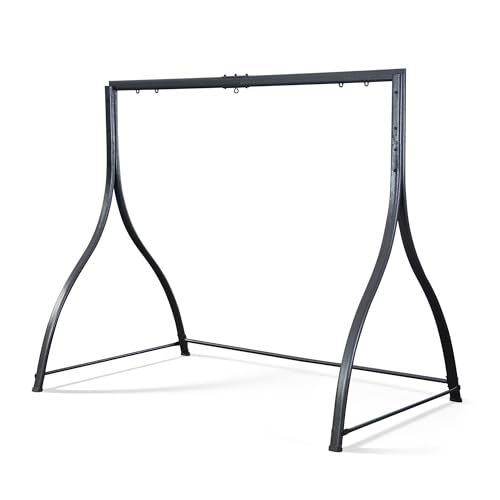
Material plays a big role in how that rating holds up over time. Powder-coated steel and wrought iron resist moisture well and need relatively little upkeep, though a thin coating can chip and expose bare metal to rust, and dark metal frames can get uncomfortably hot to the touch after sitting in direct sun. Cedar and pressure-treated pine age into a weathered look many buyers like, but they need periodic sealing and are more sensitive to how level and dry the ground underneath stays. If you are torn between the two for a hammock setup specifically, a steel hammock stand generally asks less of you season to season, while a wood stand blends into garden landscaping more naturally.
A-Frame, Arc, and Other Stand Shapes
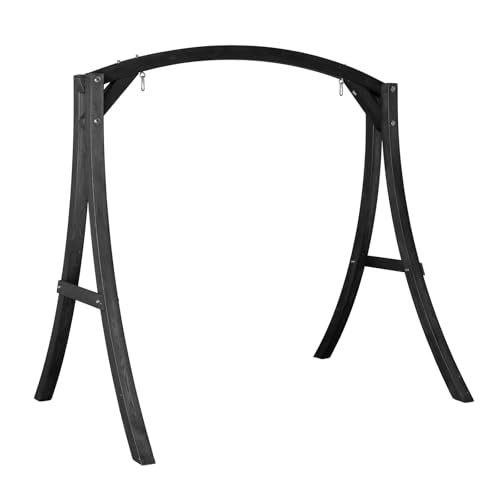
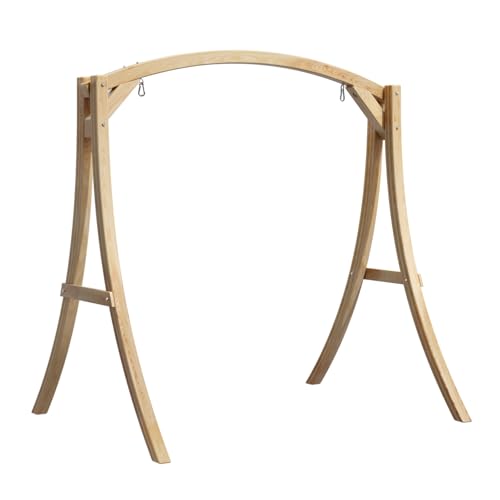
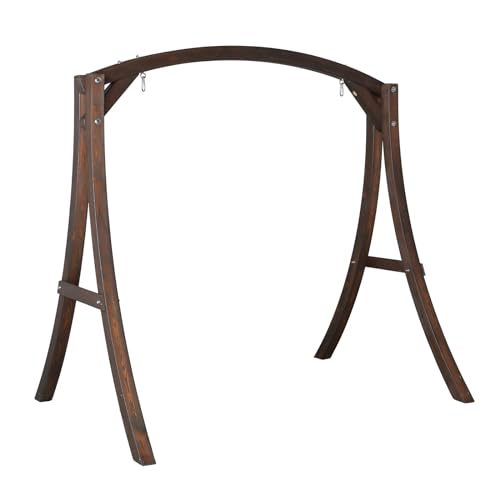
The shape of an outdoor swing frame affects its footprint, how stable it feels once someone starts swinging, and how much floor space it eats up on a smaller patio. A classic A-frame uses two angled leg sections meeting near the top, which is usually the most affordable and stable option on flat ground, though it also takes up the largest footprint of the common shapes. An arc or bow-style frame uses one or two curved supports instead, trading some of that stability for a noticeably smaller footprint and a gentler, more natural sway, which tends to suit tighter decks and patios better.
A less common option is a rectangular four-post frame, which spreads weight across four separate legs rather than two angled sides. It can feel more stable in windy spots since the base is wider in both directions, but it also needs more precise, level ground to sit flush on all four feet at once. None of these shapes is universally better than the others, the right pick mostly comes down to how much clear space you have and how much wobble you are willing to tolerate.
Portability is another difference worth weighing between shapes. A-frames and four-post designs are usually held together with a handful of bolts, so they can be broken down and moved to a new spot in an afternoon if your landscaping changes or you switch to a different seat later. Arc frames, especially welded one-piece curved supports, are often lighter to carry but harder to disassemble, which matters if you rent your home or expect to relocate the swing more than once a year.
Clearance, Ground Prep, and Anchoring
A freestanding frame needs more open space around it than most people expect. Beyond the frame's own footprint, plan on roughly four feet of clear space in front of and behind the seat so it can swing without clipping a wall, railing, or nearby furniture, which usually adds up to a total area well over ten feet long once the seat is hung and moving. That is one of the real tradeoffs against a porch swing hung from an overhead beam, which uses almost no extra floor space since the seat sits tucked under an existing roofline instead of needing its own footprint.
Ground prep matters just as much as the space itself. Set the frame on level, compacted ground so weight distributes evenly across every leg instead of concentrating on one corner. Lighter frames, especially arc styles with a narrower base, often benefit from an anchoring kit that stakes or bolts the legs down, particularly in areas that see regular wind. Skipping this step is a common source of complaints later, since a frame that rocks or shifts under load wears out its joints far faster than one anchored properly from day one.
Frequently Asked Questions
How much space do I need for an outdoor swing frame?
Beyond the frame's footprint itself, leave about four feet of clear space in front of and behind the seat so it can swing freely. For most A-frame setups, that puts the total space needed at ten to fourteen feet long, depending on the seat's size.
Can I hang a hammock chair or egg chair from a standard swing frame?
Yes, as long as the frame has a single center hanging point rated for the seat's weight. Wide A-frames built for benches will work too, though a compact single-point frame is usually a better fit in both size and cost for a solo chair.
Do I need to anchor a swing frame to the ground?
Heavier frames with a wide base often sit stably on their own, but lighter or arc-style frames benefit from an anchoring kit, especially in windy climates. Anchoring also reduces wobble once someone starts swinging, which extends the life of the joints.
Is metal or wood better for a swing frame?
It depends on your priorities. Metal frames generally need less seasonal maintenance and hold up well in humid climates, while wood frames offer a warmer look that blends into landscaping but need periodic sealing to prevent warping.
How tall should an outdoor swing frame be?
Most freestanding frames sit in the seven to eight foot range at the top, which mirrors a typical covered porch beam and leaves enough chain length for a comfortable seat height without dragging on the ground.
Can a swing frame be moved once it is set up?
Many A-frame and arc designs are built to be disassembled or dragged to a new spot without major tools, which makes them more flexible than a swing bolted to a porch ceiling. Keep in mind that any anchoring stakes will need to be reset at the new location.
Getting the Setup Right the First Time
Choosing the right outdoor swing frame comes down to matching its hanging points, weight rating, and shape to the seat you already have or plan to buy, rather than assuming any frame will work with any swing. A little extra attention to clearance and ground prep before assembly day saves you from discovering a wobble or a tight fit after the fact. Once the sizing and stability questions are settled, a well-matched frame turns almost any patio, deck, or patch of yard into a spot for a swing, without needing a porch roof to hang it from.