Best Hammock Chair Swing: The Complete Buying Guide

Finding the best hammock chair swing for your home comes down to matching the seat's material, mounting style, and size to where you actually plan to hang it. Unlike a flat lay-down hammock, a chair-style hammock is built for sitting upright or curling up sideways, which changes what comfort actually means in practice. You might picture it swaying from a porch beam, tucked into a reading corner, or hanging from a sturdy stand on the patio. Each setting calls for a slightly different fabric, frame, and hardware. This guide walks through the real differences between rope, woven fabric, and macrame styles, explains how a spreader bar changes the feel of the seat, and covers mounting options for trees, ceilings, and stands so you can choose a chair that fits your space and holds up for years.
Rope, Woven Fabric, or Macrame: Choosing Your Hammock Chair Material
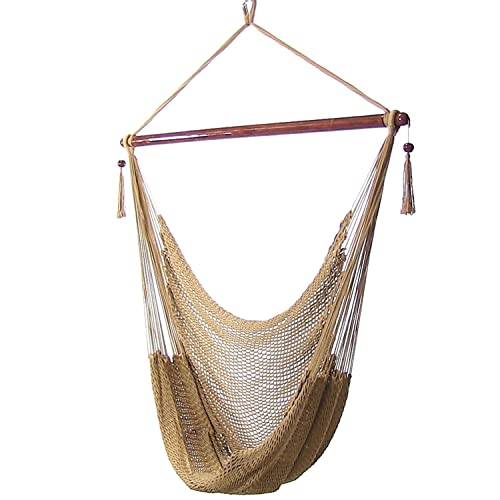
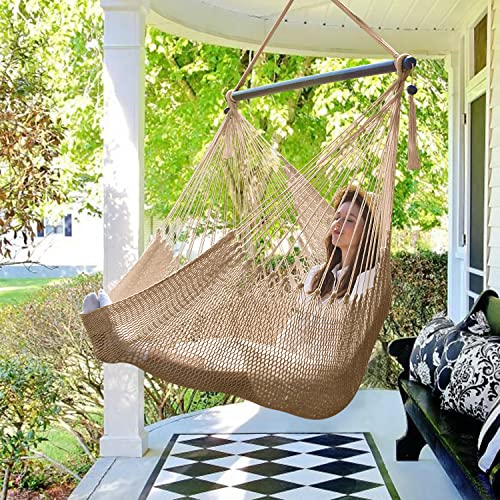
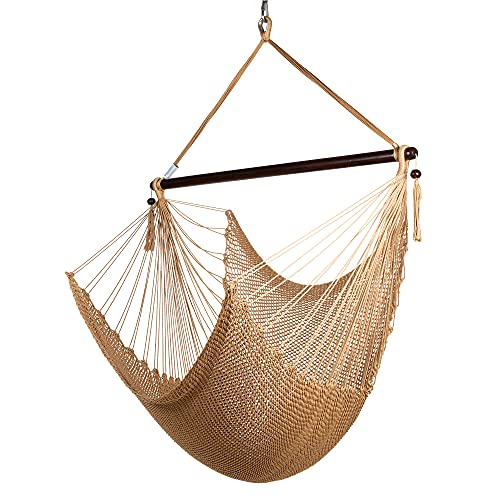
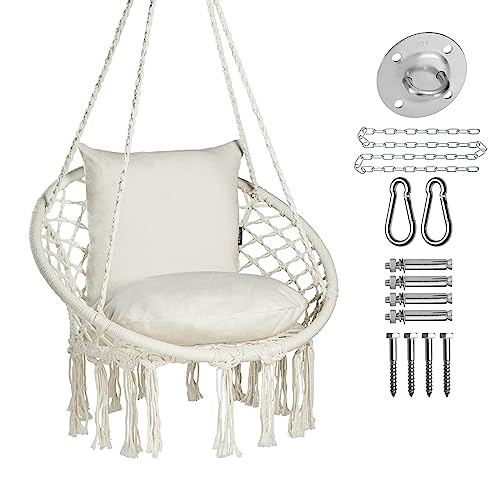
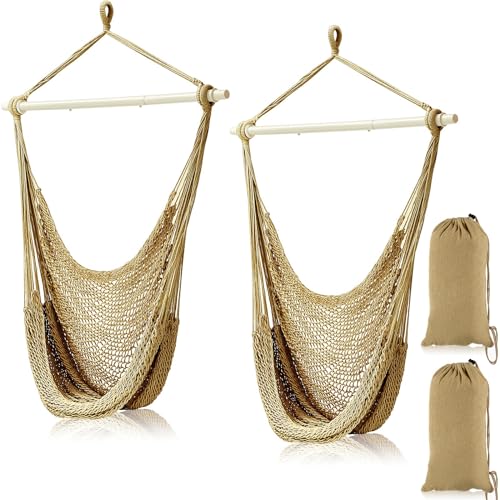
Cotton rope chairs have a soft, broken-in feel from the first use and breathe well in warm weather, which makes them a favorite for covered porches and sunrooms. The tradeoff is that cotton absorbs moisture and can mildew if it stays wet, so it needs a dry spot or regular cover use outdoors. Woven fabric chairs, usually polyester or a synthetic blend, resist moisture and sun fading far better, which suits anyone hanging their chair on an open patio or deck.
Macrame and Netted Styles
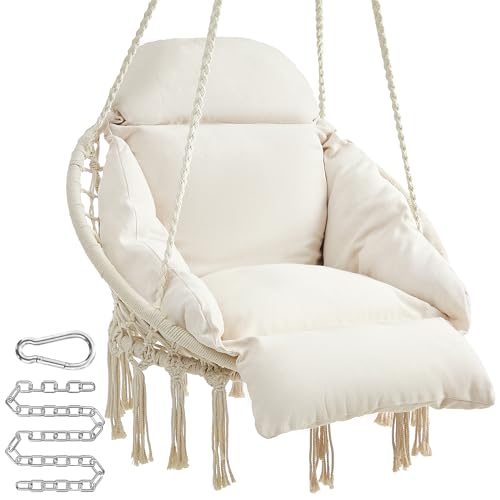
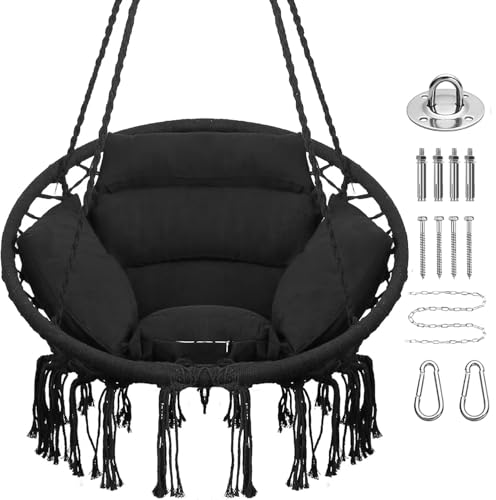
Macrame hammock chairs use a knotted, open-weave design that looks striking and works well in dry climates, but the wider gaps in the weave can be less forgiving for smaller kids or anyone who prefers a fully enclosed seat. Netted rope styles split the difference, offering a breathable feel with tighter spacing than macrame.
Spreader Bar or No Spreader Bar
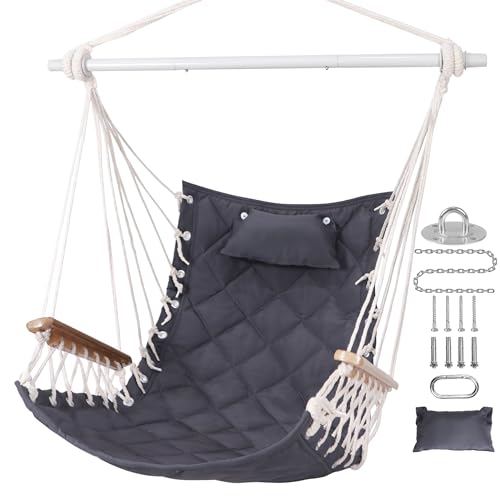
A spreader bar, usually wood or metal, holds the top of the seat open in a fixed oval or rectangle so the fabric does not bunch around your shoulders. That makes getting in and out easier and keeps the seat feeling more like a chair than a sling. Bar-free designs pull the fabric into a cocoon-like shape instead, which many people find more secure and better for lounging sideways, though it takes a bit more balance to climb into.
Tree, Ceiling Hook, or Stand: Where and How to Hang It
Hanging from a tree branch works well outdoors as long as the limb is healthy, at least a few inches thick, and free of cracks near the attachment point. Use a wide tree-friendly strap rather than rope directly on the bark, since bark damage can weaken or kill the branch over time. A ceiling hook is the go-to option for porches, covered patios, and indoor rooms, but it only works when you can anchor into a joist, beam, or rated structural point, never drywall alone.
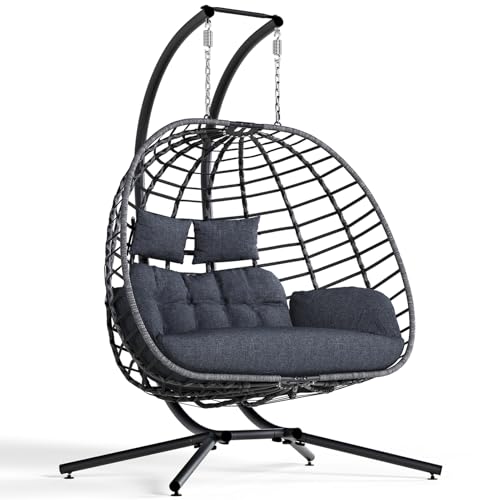
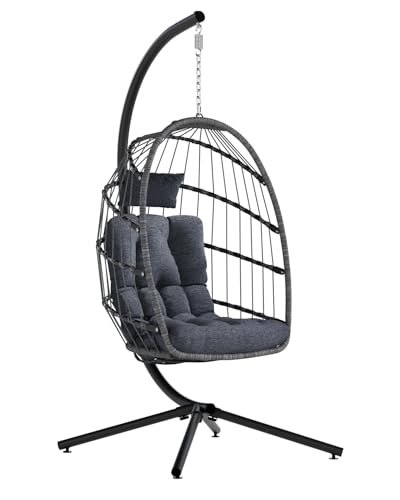
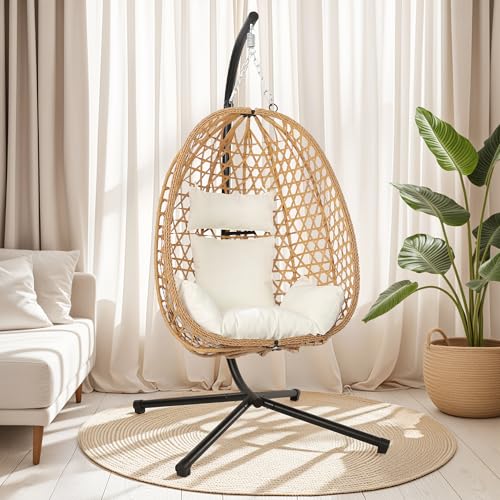
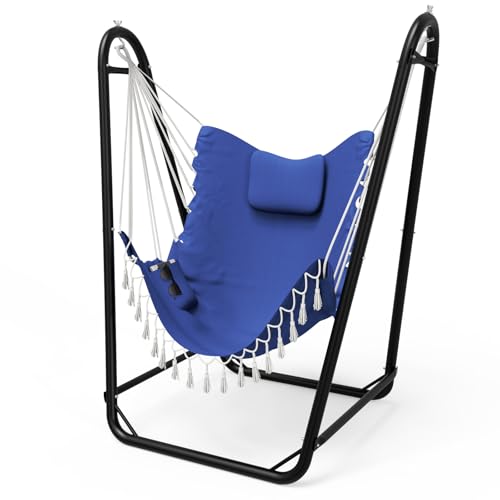
If you would rather skip the search for the perfect branch or joist, a freestanding wood hammock stand or a steel stand built for hanging seats gives you a fixed, portable setup you can move around the yard or bring indoors for the season. A stand also removes the guesswork around ceiling anchoring entirely, which matters if you rent or are not confident drilling into a joist. Whichever route you choose, check that the mounting hardware, carabiners, chain, or rope, is rated well above the chair's stated weight capacity, not just equal to it.
Getting the Size and Weight Capacity Right
Most single-seat hammock chairs support somewhere between 250 and 500 pounds, but that figure covers the seat and its hardware together, not just the fabric. Add a comfortable margin above your own weight, and remember that a chair rated for one adult will feel cramped if two people try to squeeze in. Seat width typically runs around 33 to 40 inches with a similar depth, enough room to sit cross-legged or tuck your knees up if that is how you like to relax.
A properly sized best hammock chair swing should let your feet touch the ground or a footrest when seated normally, since a seat hung too high strains your knees and makes it awkward to push off. If the chair comes with adjustable hanging rope or chain, use that range to fine-tune the height for your ceiling or branch rather than settling for whatever comes pre-set.
Picking a Spot: Porch, Bedroom, or Reading Nook
A covered porch or screened patio is the classic home for a hanging chair, giving you shade, airflow, and enough headroom for a full swinging arc. Indoors, a corner near a window works surprisingly well for a reading nook, especially with a soft chair that does not need much clearance to swing gently. Bedrooms are another popular spot, particularly for smaller cushioned chairs that double as an extra seat for morning coffee or evening wind-down time.
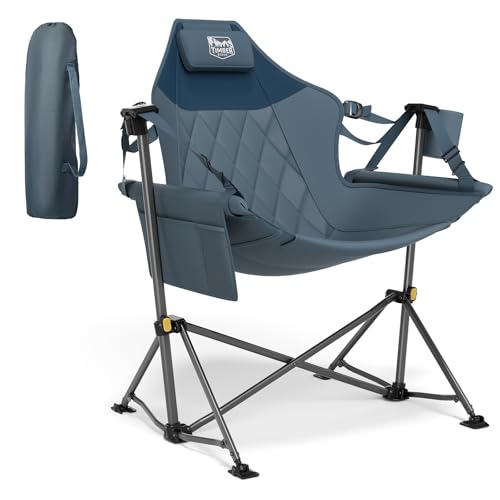
Dorm rooms and apartments call for compact, lightweight designs that mount to a single ceiling point rather than needing a wide stand footprint. If floor space is tight, look for a chair that folds flat or packs into a small bag when not in use, since that flexibility matters more indoors than it does on an open porch.
Keeping an Outdoor Hammock Chair Weather-Ready
Sun exposure fades and weakens fabric faster than almost anything else, so a UV-resistant polyester or acrylic weave will hold its color and strength much longer than untreated cotton left out day after day. Look for fabric described as solution-dyed or UV-stabilized if the chair will live outside year-round rather than coming in between uses.
Moisture is the other factor worth planning for. Rope and cotton styles should be brought indoors or covered before rain, since repeated soaking encourages mildew and breaks down natural fibers over time. Synthetic woven chairs handle a light rain better, but leaving any hammock chair damp against itself for days invites mold regardless of material, so shake it out and let it dry fully before folding it away.
Frequently Asked Questions
How much weight can a hammock chair swing hold?
Most single-seat models are rated between 250 and 500 pounds, covering the fabric, spreader bar, and hanging hardware together. Check the manufacturer's rating rather than assuming, since it varies by design and material.
Can I hang a hammock chair from any ceiling?
No. You need a ceiling joist, beam, or a rated structural anchor point strong enough to bear dynamic swinging weight. Drywall alone cannot support a hammock chair safely, no matter how secure the hook feels at first.
Is a spreader bar necessary for comfort?
It is not required, but it does make the seat easier to get in and out of and keeps the top from closing around your shoulders. Bar-free designs feel cozier for lounging but need more balance to enter.
Are hammock chairs safe for kids?
Many are, as long as the child's weight is well under the rated capacity and an adult checks the mounting point regularly. Netted or tighter-weave styles are generally a safer choice than wide-gap macrame for younger kids.
Can a hammock chair stay outside all winter?
It depends on the material and climate. UV-resistant synthetic fabric can often stay up in mild weather, but cotton rope and any wood or metal stand components should come down or get covered before snow, ice, or extended freezing sets in.
What is the difference between a hammock chair and a pod swing?
A hammock chair is an open seat, usually with your legs and head exposed, built for sitting upright or curled to one side. A pod swing fully encloses you in a rounded cocoon shape, which trades some of that open airflow for a more sheltered, private feel.
How high should a hammock chair hang?
Set it so your feet can reach the ground or a footrest when you are seated normally, which usually puts the seat bottom around 17 to 20 inches off the floor. Most chairs include adjustable rope or chain so you can fine-tune that height after installing it.
A Seat Worth Making Room For
The right hammock chair comes down to matching fabric, mounting method, and size to the spot where you will actually use it most. Once the hardware is anchored properly and the fit feels right, a well-chosen best hammock chair swing tends to become the one seat everyone in the house fights over.