
Best Composite Rocking Chairs: A First Time Buyer's Guide for 2026
Disclosure: We may earn a commission when you buy through links on this page, at no extra cost to you. As an Amazon Associate I earn from qualifying purchases. Learn more
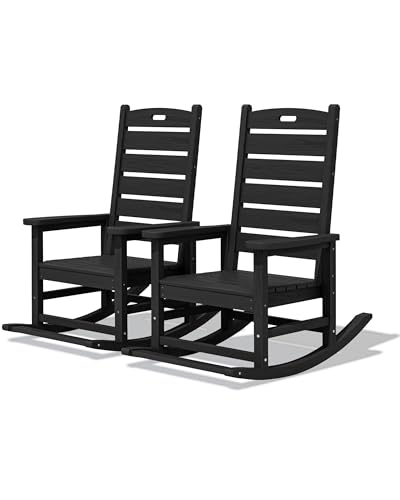
Shopping for the best composite rocking chairs for the first time? Learn the key terms, sizing basics, and simple care steps before you choose.
Buying your first outdoor rocker can feel confusing, because listings throw around terms like poly lumber, runner length, and weight capacity as if everyone already knows them. This guide slows all of that down. It explains what best composite rocking chairs actually means in plain language, which specs matter, and which ones you can safely ignore.
By the end, you will know how to measure your space, judge comfort without sitting in the chair first, and spot the rookie mistakes that lead to returns. Start with the comparison table below to see how common sizes and capacities line up, then read on for the details behind the numbers.
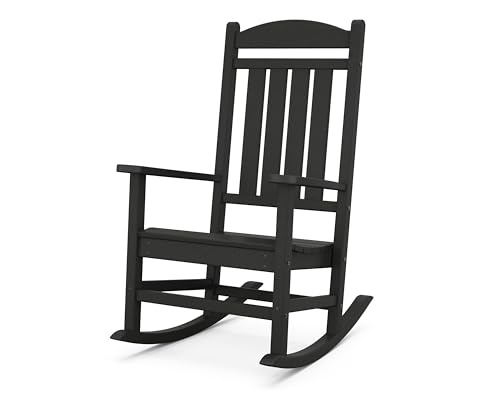
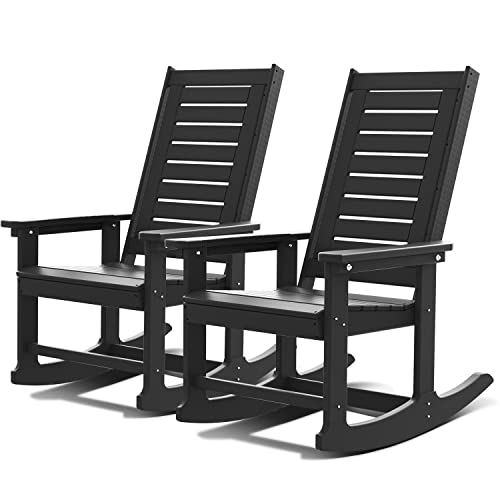
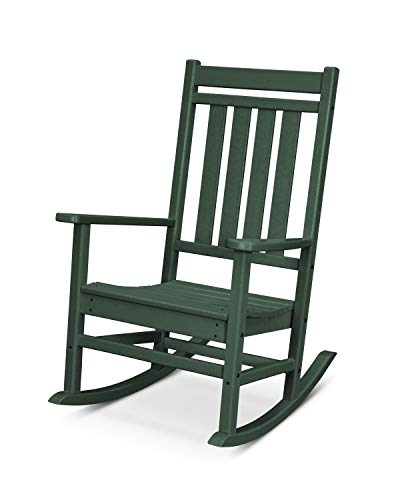
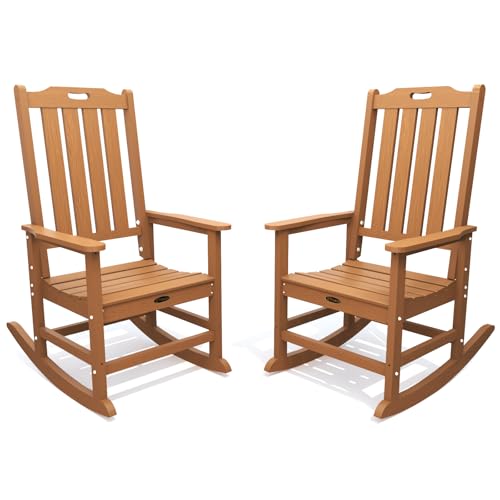

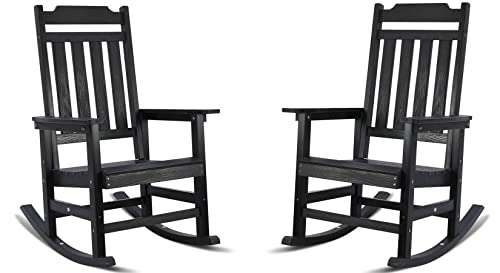

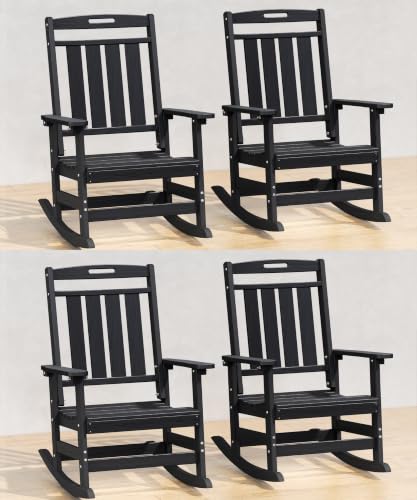

Composite Rocking Chairs 101: The Basics
A composite rocking chair is a rocker built from engineered material instead of solid wood. Most models use plastic lumber made from high density polyethylene, often shortened to HDPE, and some use a blend of wood fiber and plastic resin. Both types copy the look of painted wood boards while skipping the sanding, sealing, and repainting that real wood demands outdoors.
The rocking motion comes from two curved rails at the base, called runners. Longer runners give a slower, smoother glide and need more floor clearance, while shorter runners feel snappier and fit tighter spaces. If you are still deciding between materials and styles in general, see our guide to the best rocking chairs for the wider picture before you narrow down to composite models.
One thing a composite rocker is not is a desk chair. It has a fixed seat height, no wheels, and no height adjustment lever, because it is built for porches, patios, and quiet corners rather than a work desk. If your real need is task seating for an office, see our guide to the best officer chairs instead, since that is a different purchase entirely.
Key Specs Explained in Plain English
Product pages for the best composite rocking chairs list dozens of numbers, but only a handful decide whether a chair fits your body and your space. The six sections below translate each spec into what it feels like in daily use and what level to look for as a first time buyer.
Ergonomics and Adjustability
Comfort on a rocker comes from shape, not moving parts. Look for a contoured back with gentle lumbar support built into the curve of the slats, a seat that dips slightly at the back so you settle in rather than slide forward, and armrests wide enough to rest your forearms fully. There is no tilt lock or recline lever to adjust, so the fixed back angle matters a lot. A slightly reclined angle suits reading and relaxing, while a more upright back suits conversation and getting up easily. Parents setting up a nursery corner often want that upright support plus steady arms, and our guide to the best rocking chairs for breastfeeding covers those feeding position needs in depth.
Style and Room Fit
Composite rockers come in classic slatted styles, Adirondack inspired shapes with wide arms, and cleaner modern profiles with smooth boards. Colors run through the material itself on quality lumber, so a scratch does not reveal a different shade underneath. Match the style to where the chair will live: a traditional slatted rocker suits a front porch, while a lower, wider profile suits a fire pit area. For more ideas on matching rockers to porch layouts and railings, see our guide to the best porch rocking chairs.
Assembly and Delivery
Most composite rocking chairs arrive flat packed in one heavy box, because the lumber is dense and a single chair can weigh 35 to 55 pounds. Assembly usually means joining the seat, back, arms, and runners with stainless steel bolts, and most first time buyers finish in about 20 to 45 minutes with the included hex key. Clear instructions with labeled parts are a good sign, and a second pair of hands helps when you flip the chair to attach the runners. Check the box for damage before the delivery driver leaves, since replacement boards ship slowly.
Materials and Upholstery
The frame material is the heart of the purchase. HDPE lumber resists rot, insects, splintering, and fading, and it never needs paint or stain. Wood fiber blends cost less and feel slightly warmer, but they can absorb moisture at cut edges over time, so sealed ends matter. Hardware should be stainless steel, because plain steel screws rust and stain the boards. Cushions, when included, pair high density foam with outdoor fabric such as solution dyed acrylic or woven polyester, which resists fading and dries faster after rain than indoor foam ever could.
Warranty and Return Policy
Composite lumber is often backed far longer than the rest of the chair, and residential warranties of ten years or more on the boards are common because the material itself rarely fails. Read what the warranty actually covers, since cushions, fabric, and hardware usually carry much shorter terms of one to five years. Also check the return window and who pays return shipping, because a heavy chair costs real money to send back. A generous trial period matters more here than with small purchases, since comfort is hard to judge from photos alone.
Size, Dimensions, and Weight Capacity
Start with the chair footprint, then add rocking clearance: most rockers need about 24 to 36 inches of open space behind and in front so the runners travel without hitting a wall or railing. Typical seat heights run about 17 to 19 inches, seat widths about 20 to 22 inches, and tall backs reach 40 inches or more to support your head. Weight capacity on most models falls between 250 and 350 pounds, and you should choose a rating comfortably above the heaviest regular user. If you need a rocker that folds and travels to a campsite instead, see our guide to the best rocking camp chairs, since fixed composite chairs are built to stay in one place.
Rookie Mistakes to Avoid
Nearly every return story from a first time buyer traces back to one of a few avoidable errors. Read this short list before you order, not after the box arrives.
- Measuring only the chair footprint and forgetting runner clearance, so the chair knocks the wall with every rock.
- Ignoring the weight capacity rating, which leads to flexing runners and stressed joints over time.
- Placing the chair on uneven ground or soft grass, where a tilted base makes the rock feel lopsided and wears one runner faster.
- Choosing by color alone and skipping the seat depth check, which leaves shorter legs dangling and longer legs cramped.
- Assuming composite means zero upkeep, then never tightening bolts or washing off pollen and mildew spots.
Getting Started: Setup and First Use
Unbox the chair on a flat surface and lay every board and bolt packet out before you start, matching pieces against the parts list. Build in the order the manual gives, usually seat first, then back, arms, and runners last. Leave bolts finger tight until the frame sits square, then snug them down in stages so nothing pulls out of line. Avoid overtightening, because cranking bolts hard into composite lumber can strip the holes.
Set the finished chair on the level surface where it will live, then sit down and rock slowly to check for clicks, wobbles, or scraping. Adjust seat comfort so your feet rest flat on the floor while you rock, adding a cushion if your heels lift. During the first season, recheck the bolts every few months as the parts settle, and give the boards a wash with mild soap and water when pollen or dust builds up. Cushions last longer when you store them dry during long wet stretches.
Composite Rocking Chairs: Your Questions Answered
How do I choose the right size composite rocking chair?
Choose the size by matching seat height and depth to your legs: your feet should rest flat with knees bent comfortably when you sit all the way back. If the seat depth is too long for you, a small lumbar pillow behind your lower back closes the gap and improves posture. Also test the armrest height against any table you plan to sit beside, since tall arms can block a chair from tucking close to a porch table.
Is an expensive composite rocking chair worth the money?
It can be, because the extra cost usually buys denser lumber, thicker boards, and stainless hardware rather than decoration. Spread over a decade of outdoor use, a well built chair often costs less per year than replacing two cheap rockers that crack or fade. The value case weakens if the chair will sit in deep shade and light use, where a midrange model holds up nearly as well, so match the spend to how exposed and busy the spot really is.
What features matter most in a composite rocking chair for long hours?
A contoured seat, real lumbar support in the back curve, and a tall back that reaches your head matter most for long sitting sessions. Breathable mesh back designs belong to desk chairs, not rockers, so judge airflow by slat spacing instead. A smooth runner arc keeps the motion gentle enough that you stop noticing it, and a separate footrest helps if you like your legs raised. Shifting position every so often still matters, so stand and stretch during very long sits.
How long should a good composite rocking chair last?
A good composite rocking chair should last ten years or more outdoors, and the lumber itself often outlasts that mark by a wide margin. Cushions and fabric usually wear out first, often within three to five seasons, while bolts may need one round of tightening or replacement in that span. Coastal buyers should rinse salt spray off the hardware now and then, because even stainless steel can tea stain in heavy salt air.
Final Thoughts
If you remember only three things, make them these: measure the full rocking clearance, match the seat size and weight capacity to the people who will actually use the chair, and favor dense lumber with stainless hardware. The product table above pulls those numbers together so you can compare models side by side without digging through listings. Choose well once, and your best composite rocking chairs pick will earn its spot on the porch season after season. Prices and availability can change, so check the product page before ordering.


