Best Canopy Porch Swings: What to Check Before You Buy
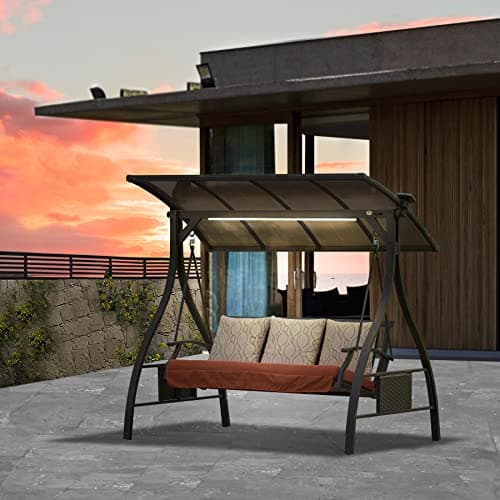
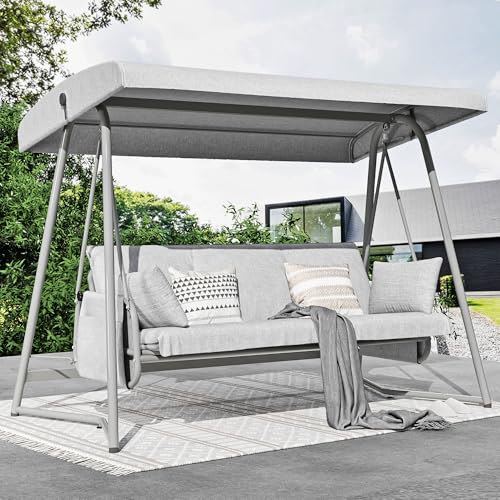
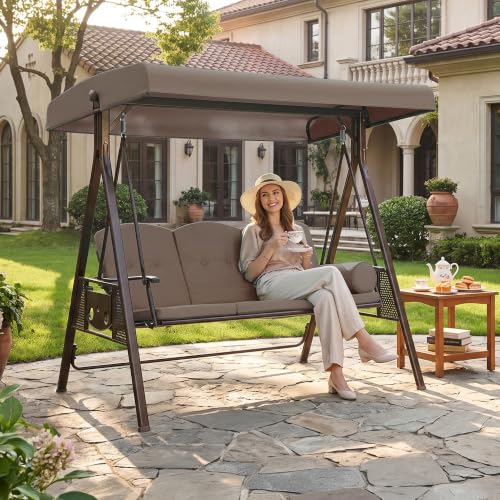
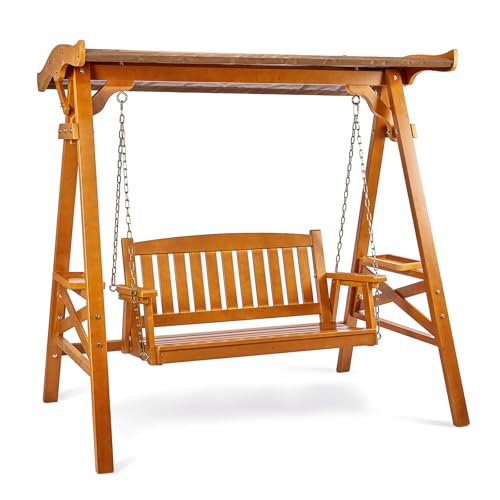
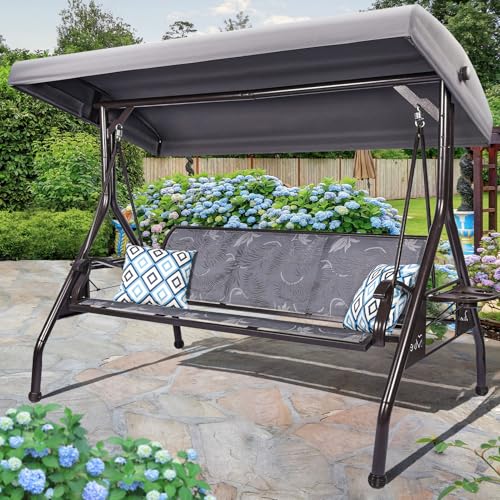
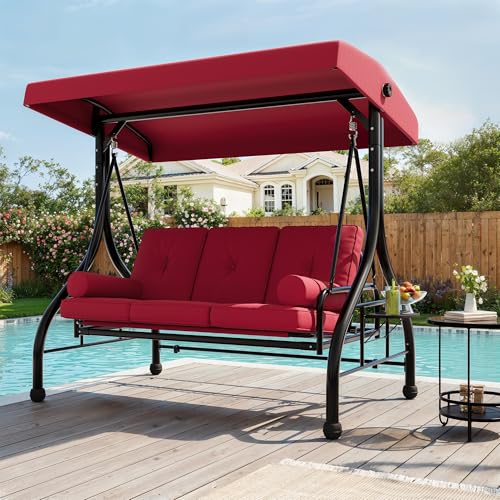
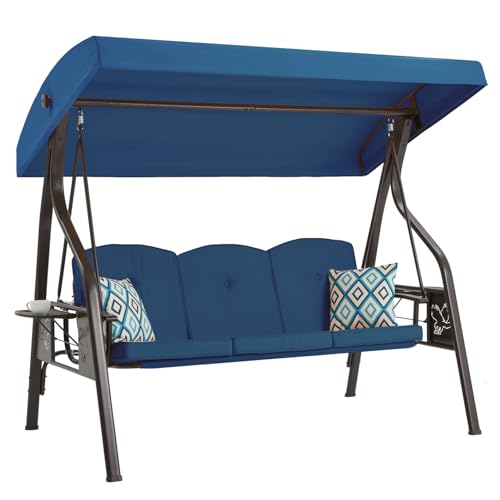
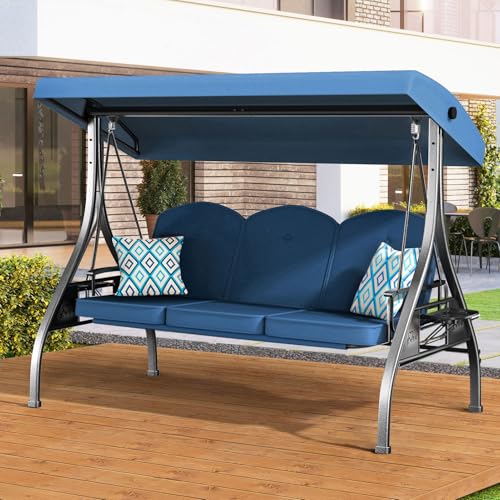
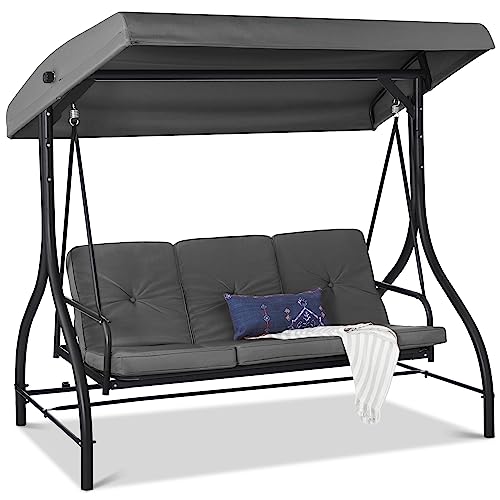
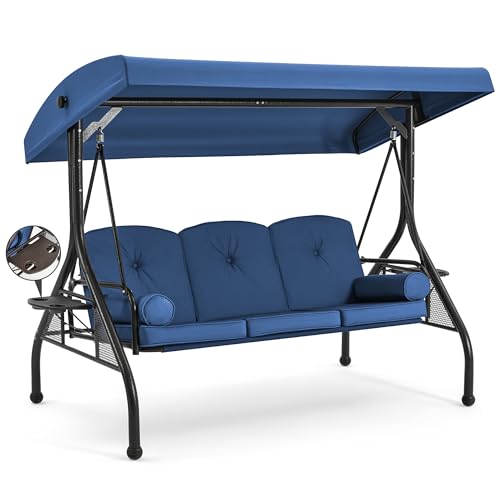
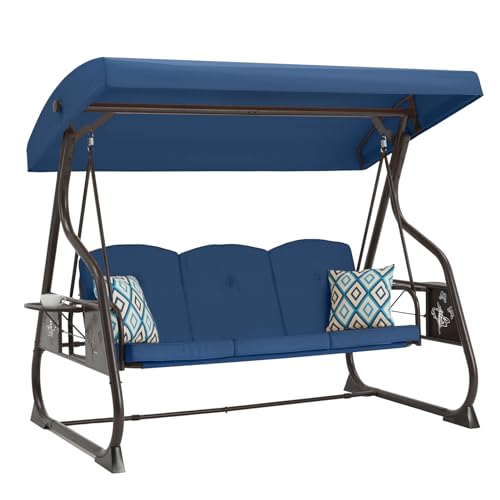
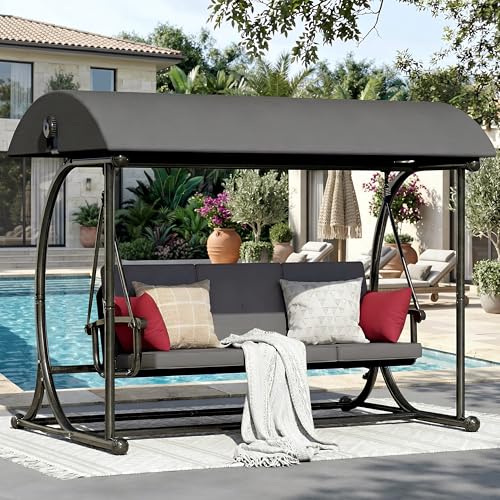
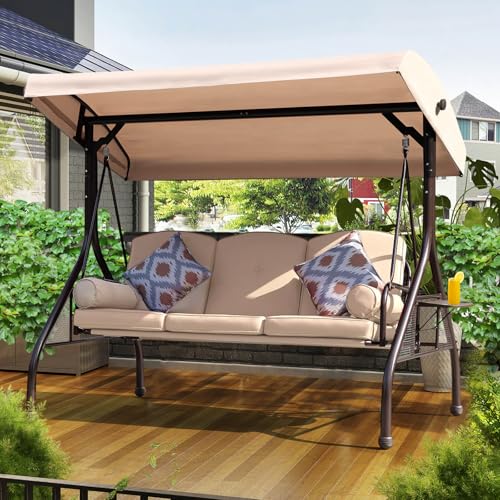
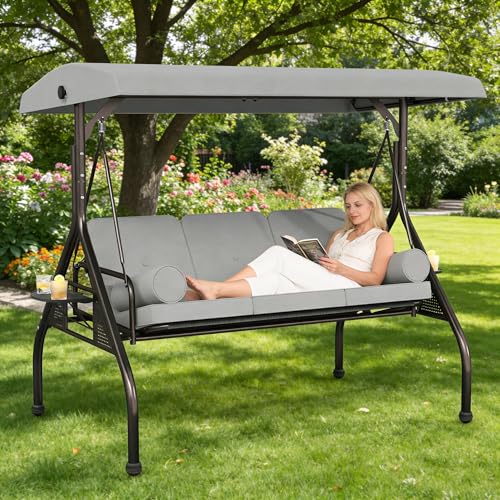
Not every yard has a covered porch with a beam sturdy enough to hang a swing from, and that gap is exactly why canopy porch swings exist. These freestanding A-frame models bring their own shade and their own support structure, so you can set one up on an open patio, deck, or lawn without drilling into anything overhead. Finding the best canopy porch swings for your space comes down to a short list of things: how stable the frame really is, how well the canopy fabric holds up to sun and rain, and how the whole setup performs once it's anchored outside. This guide walks through what to check before buying, how to set one up properly, and how to keep the canopy from wearing out early.
Frame Strength, Canopy Fabric, and Weight Capacity That Hold Up Outdoors
A canopy swing puts more stress on its own frame than a hanging swing ever does, since the same structure has to support the seat, the riders, and the shade cover all at once. Before comparing anything else, look closely at the base, the fabric grade, and how the canopy sits above the seat.
Frame Material and Base Width That Keeps It From Tipping
Powder-coated steel tubing resists rust and holds its shape under repeated motion better than most alternatives, while a hardwood frame in cedar or eucalyptus offers a warmer look but asks for occasional sealing to keep the joints from loosening. What matters more than the material itself is the width of the base and whether the legs have cross bracing, since a narrow stance is the single biggest reason a freestanding swing starts to rock side to side instead of swinging cleanly front to back.
Canopy Fabric Grades That Actually Block Sun and Shed Rain
Standard polyester canopies rated for UV resistance hold their color through a full season of sun, while thinner, uncoated fabric fades and can develop mildew within a few months. Marine-grade acrylic and PVC hardtop panels cost more but shed rain far better than draped polyester, so if the swing sits somewhere with little overhead protection, that upgrade tends to pay for itself. A canopy built with its own internal ribs, rather than one that simply drapes over the top bar, also sags less and pools less water after a storm.
Fixed vs Adjustable Canopy Angles
Some frames let you tilt the canopy through a wide range, often well past 180 degrees, so the shade follows the sun as it moves instead of only blocking light straight overhead. A fixed canopy is simpler and usually cheaper, but it only blocks direct sun for part of the day depending on which way the swing faces. If reading or napping outside at different times of day matters to you, an adjustable canopy is worth the extra cost over a fixed one.
Weight Capacity for Two, Three, or More People
Combined weight capacity on most two or three person models runs somewhere between 400 and 800 pounds, and that figure needs to cover everyone who might sit down at once, not just an average adult. A wider seat with a slight recline also spreads weight more evenly and tends to feel steadier in motion than a narrow bench pushed to its limit. Checking capacity against seat width side by side is one of the fastest ways to find the best canopy porch swings for a household that regularly seats more than two people.
Setting Up a Freestanding Canopy Swing Without a Covered Porch
Because the whole point of this style is skipping the overhead beam a traditional swing needs, where and how you set it up matters just as much as what you bought.
Choosing a Level, Wind-Safe Spot
A concrete pad, pavers, or firmly packed ground works far better than soft soil or thick grass, since an uneven base is the most common reason a canopy swing develops a wobble soon after assembly. Many buyers place one near existing seating like patio chairs or a dining set, so leave two to three feet of open space on every side for the seat to swing freely without clipping a railing or nearby furniture.
Anchoring the Frame So It Doesn't Shift
Even a heavy steel base can shift or tip over in a strong gust, so check whether the kit includes ground stakes or anchor brackets and actually use them if the spot is exposed to open wind. Folding the canopy down, or removing it entirely before a storm rolls through, is a small habit that saves both the fabric and the frame from unnecessary strain.
Keeping the Canopy From Fading, Ripping, or Sagging
The fabric top is the part that wears out first on almost every canopy swing, and a little routine care stretches its life by a season or more.
Seasonal Care That Extends Canopy Life
Wiping the canopy down every few weeks keeps pollen and grit from grinding into the fibers, and tightening the adjustment knobs after windy stretches keeps the fabric from flapping loose, which is where most tears start. Folding the canopy flat or covering the whole swing during winter months or long stretches of disuse cuts down on the fading and mildew that come from constant sun and moisture exposure.
Signs It's Time to Replace the Canopy
A canopy that has gone stiff, visibly faded, or developed a small tear along a seam is usually cheaper to replace than to keep patching, and most frame manufacturers sell the fabric top separately from the rest of the swing. Measuring the existing canopy's width and rib length before ordering a replacement avoids ending up with a cover that doesn't fit the frame it needs to sit on.
Canopy Swing or Traditional Hanging Porch Swing: Which Fits Your Space
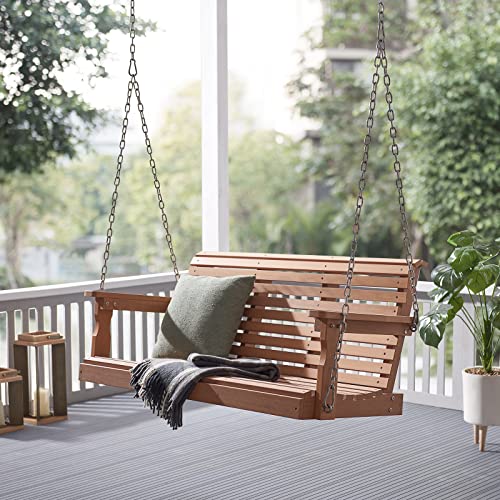
If your home already has a covered porch with a sturdy overhead beam, a traditional hanging porch swing skips the need for a freestanding stand entirely and often costs less for the same seat size. A canopy model earns its higher price where there is no covered structure to hang from, since it brings its own shade and support in one piece.
For a patio too small for a full bench swing, a compact hammock chair swing offers a lighter single-seat option that still delivers the same back-and-forth motion without the footprint of an A-frame stand.
Frequently Asked Questions
What is the difference between a porch swing and a canopy porch swing?
A standard porch swing hangs from chains bolted into an existing overhead beam, so it depends on that structure being there. A canopy porch swing comes with its own A-frame stand and shade cover built in, so it can go almost anywhere with a flat surface and no overhead support required.
Do canopy porch swings need to be anchored or bolted down?
Most are heavy and wide enough at the base to stay steady during normal use without anchoring, but staking the frame down is still worth doing in an open or windy spot. Many kits include stakes or brackets specifically for that purpose.
How much weight can a canopy porch swing hold?
Combined capacity on a two or three seat model usually falls between 400 and 800 pounds, though it varies by frame material and design. Check the manufacturer's listed number rather than guessing based on the seat's size alone.
Can a canopy porch swing stay outside year-round?
A rust-resistant steel frame paired with UV-treated fabric can generally handle most seasons outdoors, though heavy snow load and severe storms are worth protecting against. Folding the canopy down during extreme weather adds real years to both the fabric and the frame.
How do you replace a torn or faded canopy on a porch swing?
Most canopy tops attach with clips, ties, or a sleeve that slides over the support ribs, so replacing one usually just means unclipping the old fabric and sliding a new cover into place. Measuring the current canopy's dimensions first helps avoid ordering a replacement that doesn't match the frame.
Are adjustable canopies worth it on a porch swing?
If the swing sits somewhere that gets direct sun for only part of the day, an adjustable canopy that tilts to follow the light does a noticeably better job than a fixed one aimed in a single direction. It costs more upfront but pays off for anyone who uses the swing at different times of day.
Making the Right Call for Your Setup
A well-built canopy porch swing brings the comfort of a covered porch to a deck, patio, or open lawn that never had one to begin with. Weighing frame stability, canopy fabric grade, and how well the whole thing anchors to the ground is what separates the best canopy porch swings from a stand that wobbles or a cover that fades within a season. Get the setup and seasonal care right, and it can end up being one of the most used seats on the property.