Best Pendant Lights for Bathroom Use: A Buying Guide
Disclosure: We may earn a commission when you buy through links on this page, at no extra cost to you. As an Amazon Associate I earn from qualifying purchases. Learn more
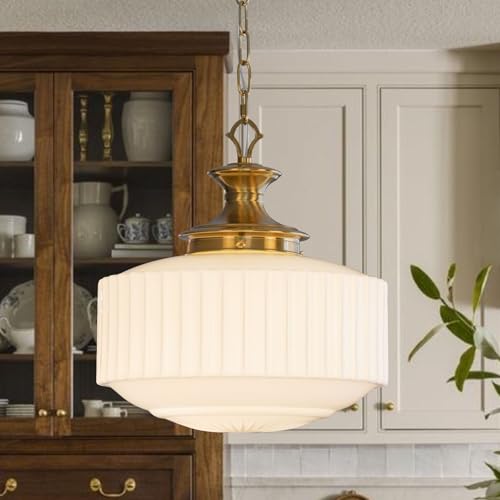
Hanging a fixture over your sink area does more than update the look of the room. It solves the flat, shadow-heavy light that overhead cans leave on your face while you shave or apply makeup. But bathrooms are not like the rest of the house. Moisture, splashes, and steam mean not every hanging fixture is safe to install, and code has specific rules about where one can go. This guide walks through what actually matters when choosing pendant lights for bathroom spaces: the safety ratings you need, how far a fixture has to stay from water, the height that works over a vanity, and materials that will hold up over years of daily use.

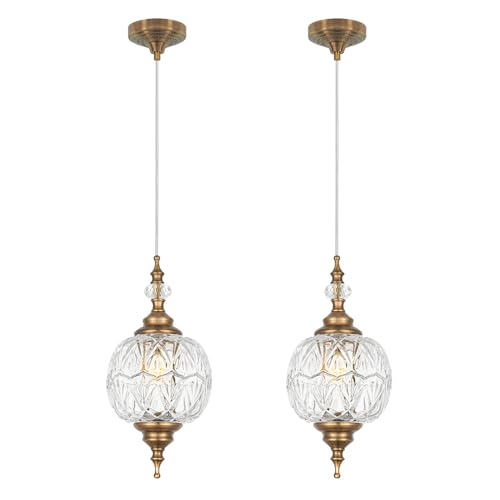
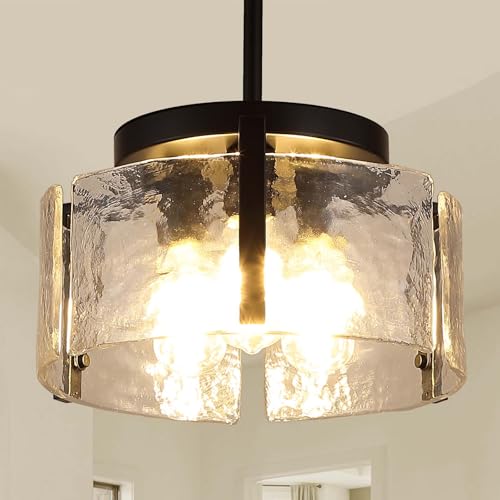

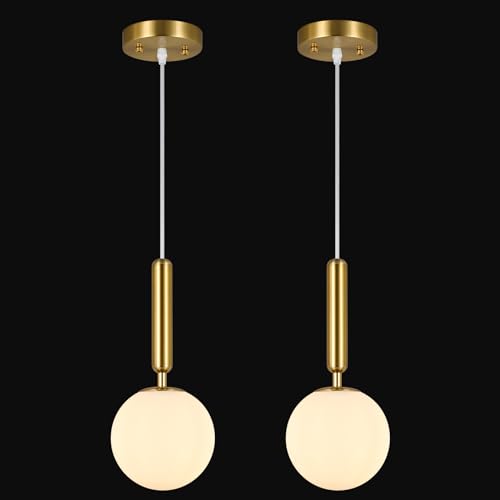
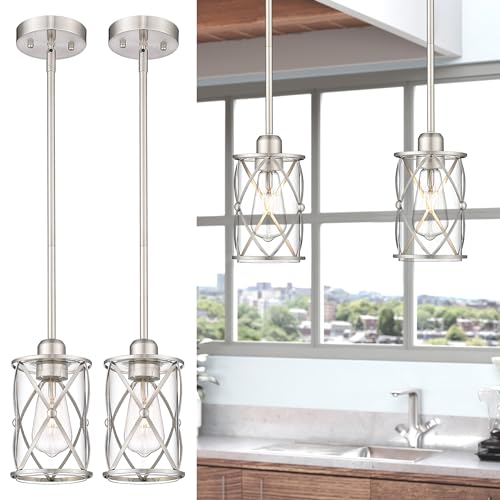

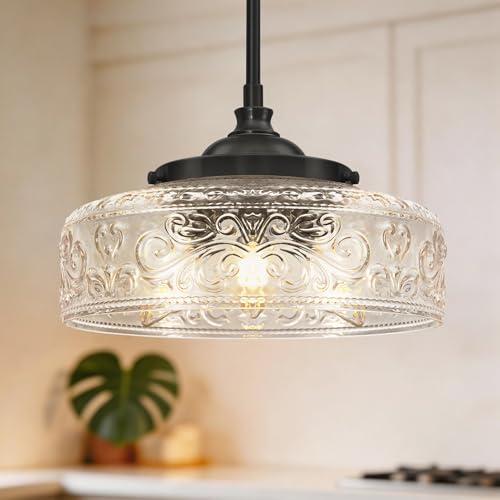
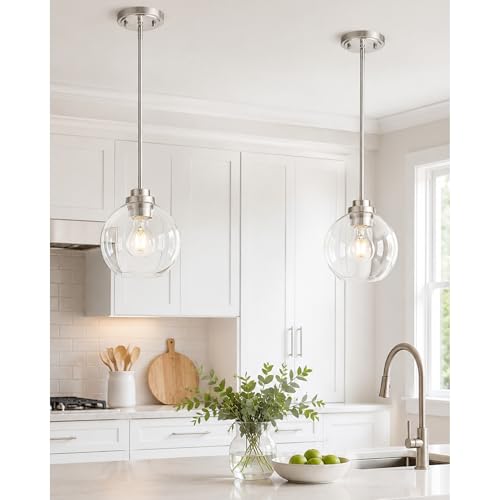
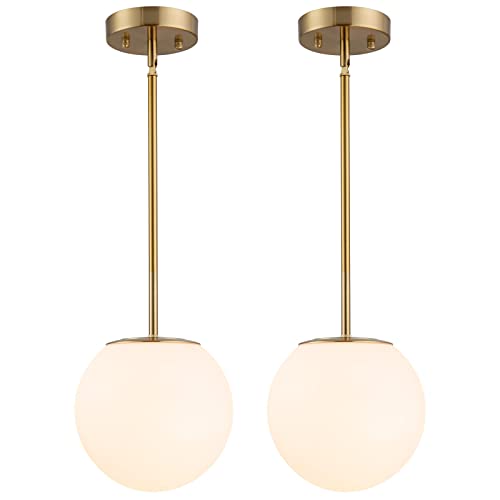

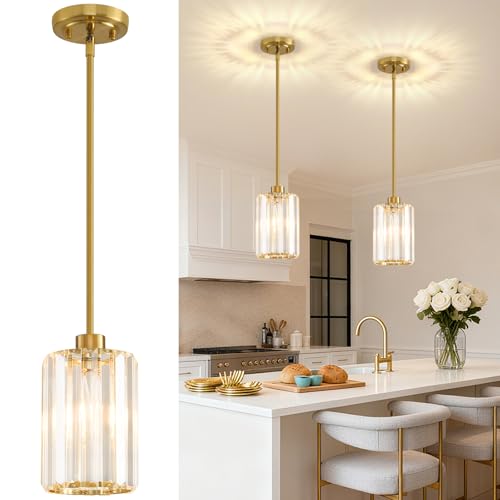

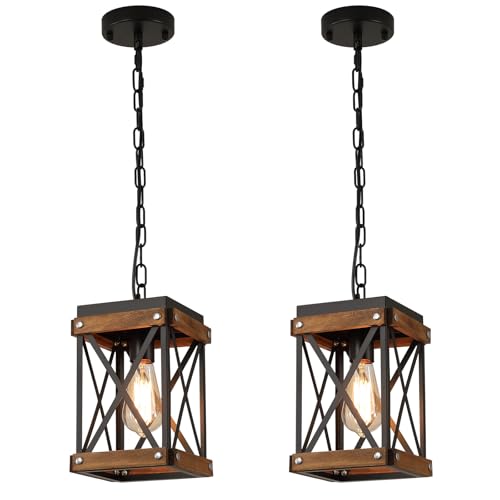
Why Bathroom Pendant Lights Need Special Ratings
Not every fixture sold as a pendant light for bathroom use is actually built to handle the humidity. Fixtures carry a safety listing based on how much moisture exposure they can tolerate, and using the wrong one is both a fire risk and something a home inspector will flag. If you are drawn to a specific silhouette like drum-style pendants, the same rating rules apply before you buy, regardless of shape.
Damp-Rated vs. Wet-Rated: What the Labels Actually Mean
A damp-rated fixture is built to resist condensation and humidity along with the occasional light spray, but it is not designed for direct water contact. This rating covers most vanity pendants, since they typically hang away from direct splash zones. A wet-rated fixture goes further: it is fully sealed against direct water exposure and is the only safe option for anything installed inside or directly above a shower enclosure. A wet-rated fixture can always be used anywhere a damp-rated one is allowed, but the reverse is not true, so when in doubt, choose the higher rating.
Which Rating Your Fixture Placement Requires
The rating you need depends entirely on where the fixture will hang in relation to water.
- Over a dry vanity counter, well clear of any tub or shower: damp-rated is usually sufficient
- Within 8 feet vertically of a tub or showerhead, but outside the horizontal clearance zone: damp-rated at minimum, wet-rated in rooms with heavy steam buildup
- Inside a shower enclosure or within the mandatory clearance zone around a tub: pendants are not permitted here at all
Check the fixture's listing on the packaging or spec sheet before buying, since the visual design gives no indication of how it is actually rated.
How Close Pendant Lights Can Hang to a Tub or Shower
Electrical code sets a hard boundary for hanging fixtures near water, and it exists because pendants have exposed wiring and, in some cases, a cord that a person could touch with wet hands.
The Three-Foot, Eight-Foot Rule
Under the National Electrical Code, a pendant or other hanging fixture cannot have any part located within 3 feet horizontally and 8 feet vertically of a bathtub rim or shower threshold. That zone covers the space directly above the tub as well as the area beside it, so a pendant cannot be centered over a freestanding tub even if it looks great in a photo. Fixtures that fall within 8 feet vertically of a tub or shower, even outside the 3-foot horizontal buffer, still need a damp or wet rating depending on how much spray or steam reaches them.
Why This Matters Beyond Passing Inspection
Skipping this rule is not just a code violation. A cord-hung fixture that close to water raises real shock risk, and most local permitting offices will fail a renovation over it. In tight layouts where clearance is hard to meet, dedicated bathroom wall lights can provide similar task lighting without the clearance concerns pendants carry. If you are unsure how the measurements work out in your layout, an electrician can check clearances in a few minutes before you commit to a fixture.
Getting Pendant Height Right Over a Double Vanity
Even a fully rated fixture will look wrong, or throw the wrong kind of light, if it hangs at the wrong height. For a double vanity in particular, height and spacing both affect how usable the light actually is at the mirror.
Standard Hanging Height Above the Counter
The bottom of a pendant should typically sit between 30 and 40 inches above the countertop, which usually works out to roughly 75 to 80 inches from the finished floor. Hang it lower and the fixture becomes a glare source right at eye level. Hang it too high and it stops doing much for close-up tasks like shaving or applying makeup.
Spacing Two Pendants Over Two Sinks
For a double vanity, center one pendant over each sink rather than splitting the difference across the whole counter. Spacing them roughly 24 to 36 inches apart, measured center to center, keeps each sink evenly lit without the two fixtures visually crowding each other. Keep both pendants at matching heights so the pair reads as one intentional design choice instead of two mismatched lights.
Materials and Finishes That Resist Bathroom Humidity
Even a correctly rated fixture will show wear faster in a bathroom than it would in a dining room, simply because it faces daily humidity swings.
Finishes That Hold Up
Stainless steel, solid brass, and powder-coated metal finishes resist corrosion far better than plated or painted finishes that can flake and expose bare metal underneath. Matte black and brushed nickel, both common on damp-rated fixtures, are usually applied over a corrosion-resistant base rather than a thin decorative plating, which is part of why they tend to hold their finish longer in a humid room.
Ventilation Matters as Much as the Fixture
No fixture, regardless of rating, stays rust-free in a bathroom without enough airflow to clear moisture after a shower. Running a properly sized exhaust fan during and for a stretch after bathing does more to protect a pendant's finish over time than upgrading to a pricier fixture. Pendant lights for bathroom installations in rooms with weak ventilation or no fan at all tend to show tarnishing and corrosion within a year or two, even on fixtures rated for damp locations.
Frequently Asked Questions
Can you put a pendant light in a bathroom?
Yes, as long as the fixture carries a damp or wet rating appropriate for where it hangs, and it stays outside the code-mandated clearance zone around any tub or shower. A pendant with no moisture rating at all should stay out of the bathroom entirely.
What is the minimum IP rating for a bathroom pendant light?
For a pendant hanging away from direct spray, such as over a vanity, an IP44 rating is typically enough. Anything closer to a shower or a steam-heavy space should be rated IP65 or higher.
How far does a pendant light need to be from a shower?
Under the National Electrical Code, a pendant cannot have any part within 3 feet horizontally and 8 feet vertically of a shower threshold or tub rim. Local codes can be stricter, so check with your electrician before installing.
Can pendant lights be used over a bathtub?
Not directly above a standard tub in most cases, since that space typically falls inside the mandatory clearance zone. A wet-rated fixture mounted well outside that 3-foot, 8-foot boundary may be an option, but this is worth confirming with a licensed electrician first.
How high should a pendant light hang above a bathroom vanity?
Most vanity pendants hang with their bottom edge 30 to 40 inches above the countertop, which usually lands around 75 to 80 inches from the floor. That range keeps the light at face height without creating glare.
Do bathroom pendant lights need a GFCI-protected circuit?
Bathroom lighting circuits are generally required to be on a properly protected circuit under current code, and a licensed electrician can confirm what your specific fixture and location require. This is not something to guess on given the mix of water and electricity involved.
What finish resists rust best in a humid bathroom?
Stainless steel, solid brass, and powder-coated metal typically outlast plated or painted finishes in a humid room. Pairing a durable finish with adequate ventilation does more for long-term appearance than the finish alone.
Choosing the Right Pendant Light for Your Bathroom
Getting bathroom pendant lighting right comes down to matching the fixture's rating to where it will hang, respecting the clearance rules around tubs and showers, and choosing a height and finish that will hold up over years of daily use. None of this is about finding the most decorative option first. Safety and placement narrow the field before style ever enters the decision. Once you know which rating, clearance, and height apply to your specific layout, comparing finishes and styles within those limits becomes a much simpler decision.