Best Bathroom Exhaust Fans: A Complete Buying Guide

A foggy mirror that never quite clears, a musty smell that lingers long after your shower, faint mildew spots creeping across the ceiling. These are the telltale signs that your bathroom's ventilation isn't keeping up, and the fix usually comes down to choosing the right fan for the space. Finding the best bathroom exhaust fans for your bathroom means matching airflow, noise level, and controls to how you actually use the room, not just grabbing whatever fits the existing hole in the ceiling. In this guide, you'll learn how to size a fan correctly, what noise ratings actually mean, which control features are worth paying for, and what installation and maintenance details keep the whole system working the way it should.
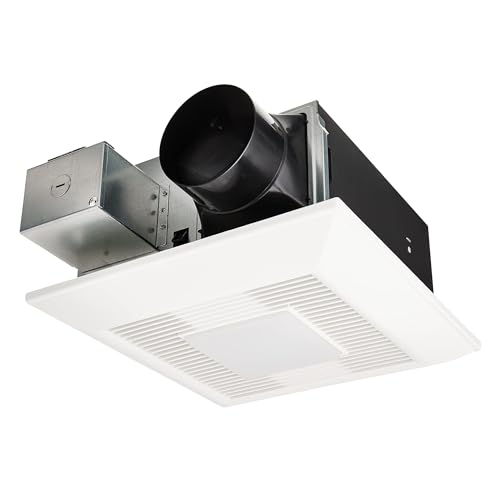
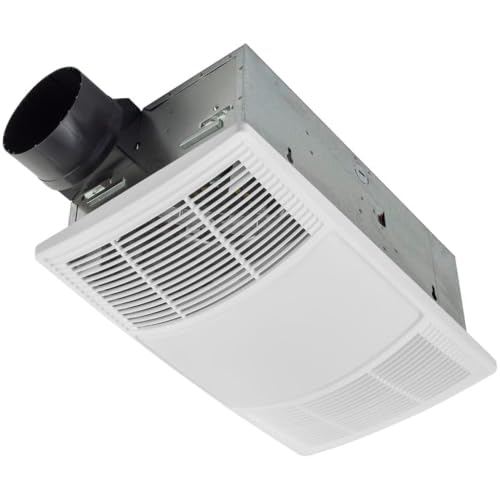
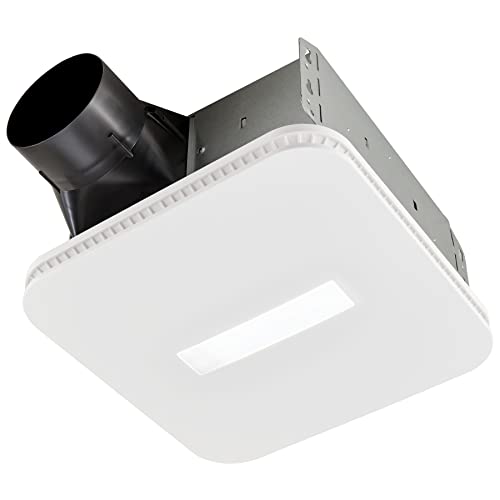
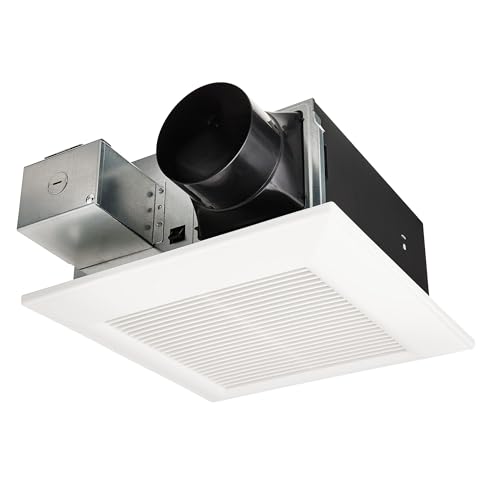
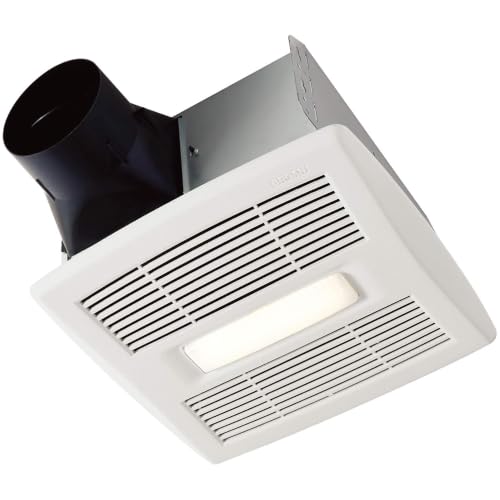
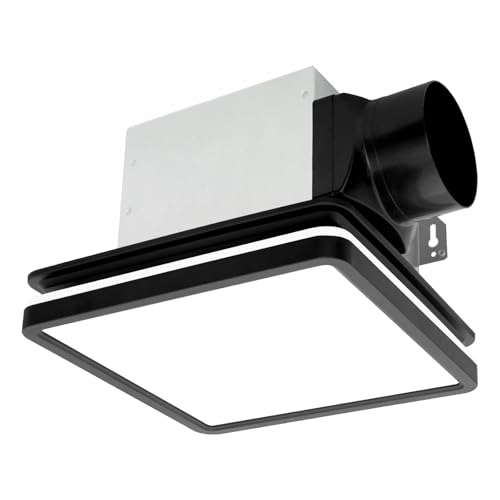
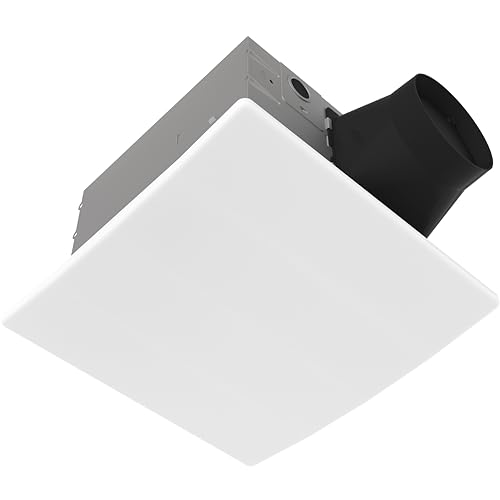
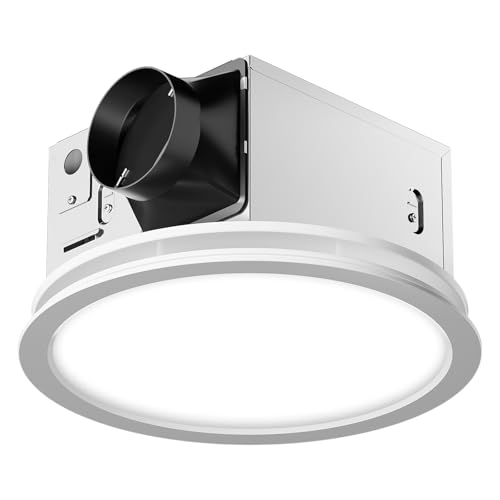
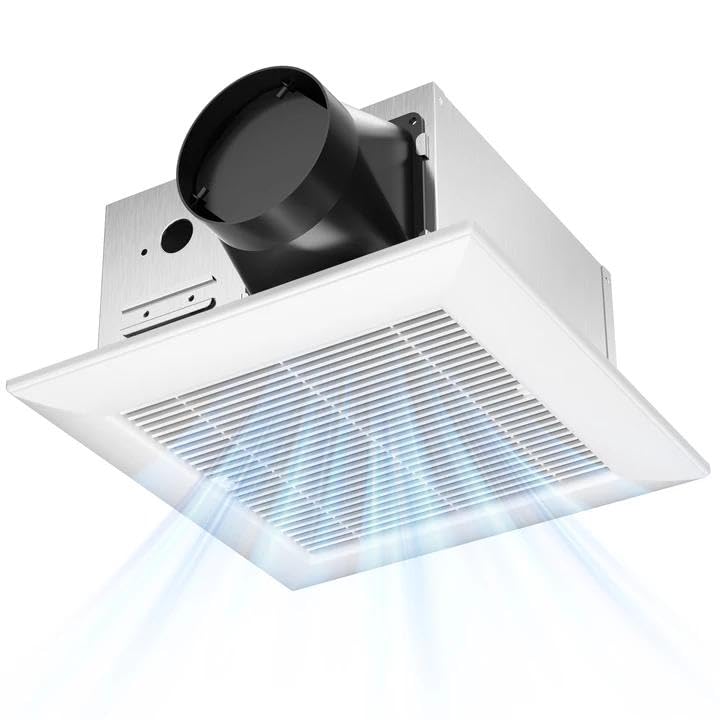
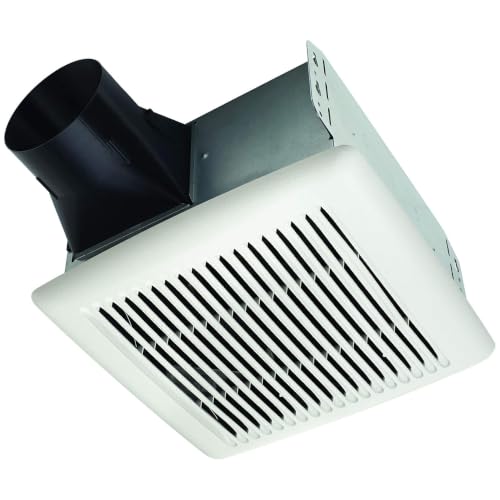
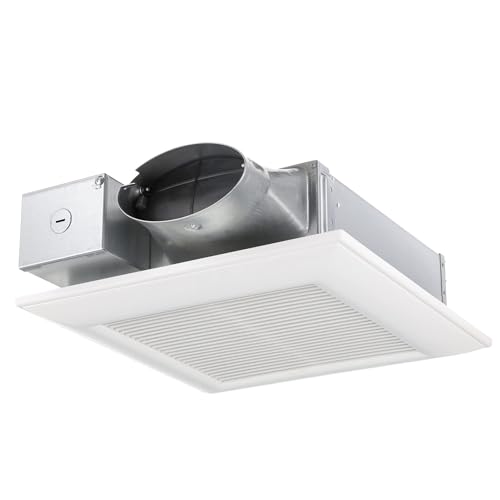
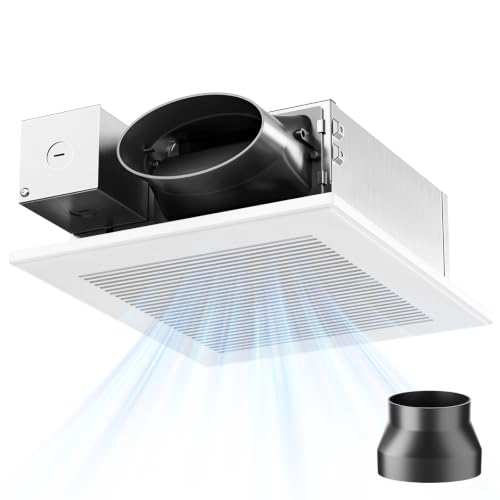
How Much Airflow Your Bathroom Actually Needs
Airflow is measured in cubic feet per minute, or CFM, and it's the single biggest factor separating a fan that clears steam in a few minutes from one that leaves the mirror foggy long after you've gotten dressed. Undersized fans are the most common complaint people have with bathroom ventilation, and it's almost always a sizing mistake made at the time of purchase rather than a defect in the fan itself.
Calculating CFM From Your Bathroom's Square Footage
A simple starting point is about 1 CFM for every square foot of bathroom floor area, so a 60 square foot bathroom calls for roughly a 60 CFM fan. Most residential bathrooms end up somewhere between 50 and 150 CFM depending on size, and this simple calculation is really the starting point for narrowing down the best bathroom exhaust fans for your specific space rather than guessing based on whatever was there before. Smaller bathrooms under about 50 square feet typically do fine with a fan rated under 80 CFM, medium bathrooms fall in the 80 to 100 CFM range, and larger bathrooms over 100 square feet usually need something above 100 CFM.
When to Add Extra CFM
Square footage alone doesn't tell the whole story. If your bathroom has a separate toilet closet, a standalone tub, or a jetted tub, most sizing guidelines call for tacking on extra CFM for each of those fixtures, since they add moisture load beyond what the floor area suggests. It's also worth sizing up slightly rather than down. Going a little larger than the bare minimum gives you a buffer for high humidity days and long showers, while an undersized fan will always struggle no matter how long you run it.
Noise Levels That Won't Make You Skip Turning It On
Airflow doesn't matter much if the fan is so loud that you avoid turning it on in the first place, which is a surprisingly common outcome with older, cheaper units. Noise is where a lot of buyers get tripped up because CFM and volume aren't directly tied together. A high-CFM fan can still be whisper quiet, and a weak old fan can rattle like it's about to take off.
Reading the Sone Rating
Bathroom fans are rated in sones, a measurement of perceived loudness where lower numbers mean quieter operation. A rating around 0.5 to 1.5 sones is generally considered quiet enough that you'll barely notice it running, while anything above 3 or 4 sones starts to sound noticeably like a fan rather than background noise. Comparing sone ratings side by side is one of the most useful things you can do before buying, since it's a standardized number rather than a vague marketing claim.
Why Quiet Matters More Than It Seems
A fan people actually leave running gets the job done. A loud one gets switched off the moment the shower ends, which defeats the purpose entirely since most of the moisture removal happens in the minutes after you step out, not during the shower itself. If anyone in the household showers early or late, a quiet fan also means it can run without waking the rest of the house.
Smart Controls: Humidity Sensors, Timers, and Continuous Run
Beyond airflow and noise, how the fan turns on and off makes a real difference in day-to-day use. This is one of the most frequently asked questions when people shop for a new unit, and there's no single right answer, since it depends on habits and climate.
Humidity Sensors vs Timers
A timer switch simply runs the fan for a set number of minutes, usually somewhere around 20 to 30, once you press the button, which is predictable and inexpensive. A humidity sensor instead watches the actual moisture level in the room and keeps the fan running until it drops back down, then shuts off automatically. That adaptability is the main advantage: a quick rinse and a long steamy shower create very different amounts of moisture, and a sensor adjusts to match rather than running the same fixed cycle every time. If your bathroom tends to stay humid for a while after use, a sensor-equipped fan is usually worth the added cost.
Continuous Low-Speed Operation
Some fans are designed to run continuously at a low, nearly silent speed and boost up automatically when humidity spikes. This approach keeps background humidity in check all day rather than only reacting after a shower, which can help in bathrooms that stay damp from laundry, a nearby washer, or generally humid climates. It uses more electricity than an occasional-use fan, though efficient models are built to keep that cost low.
Venting and Duct Requirements You Can't Skip
The fan itself only does half the job. Where the moist air actually goes once it leaves the housing matters just as much, and it's an area where a lot of older installations get it wrong.
Why the Duct Has to Reach the Outdoors
Bathroom exhaust air needs to be ducted all the way to the exterior of the home, whether that's through a roof cap, a soffit vent, or a wall cap. Venting into an attic or crawl space instead of outdoors pushes the same moisture problem into a space that's harder to inspect and dry out, which can lead to hidden mold and wood rot over time. This is a different system from whole-house attic ventilation, which is designed to move air through the attic itself rather than carry moisture out of a living space, so the two shouldn't be confused when you're planning ductwork.
Installing Without Attic Access
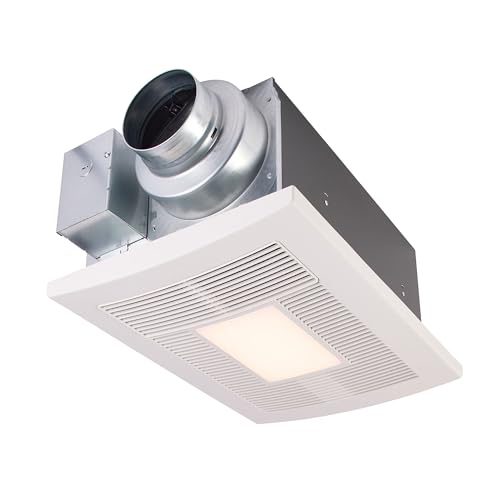
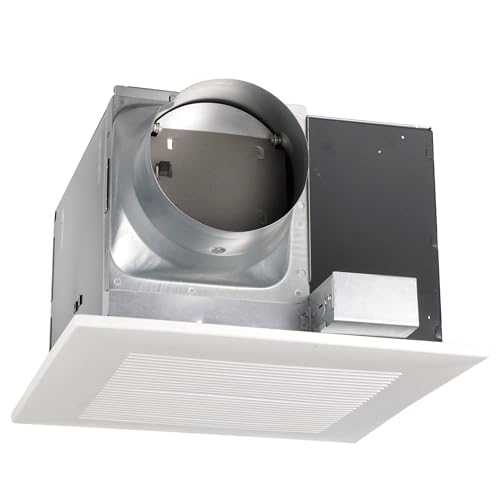
Not every bathroom has easy attic access above it, especially in additions or homes with cathedral ceilings. Fans labeled for retrofit or no-attic-access installation are built with brackets that let the whole unit go in from below, then the duct routes out through a nearby exterior wall instead of straight up. Duct diameter matters here too. Older housings often use a 3 inch duct while newer fans commonly step up to 4 or 6 inch duct, and pairing an undersized duct with a high-CFM fan will choke airflow and add noise no matter how good the fan itself is.
Keeping It Working: Preventing Mold and Airflow Loss
A well-chosen fan still needs basic upkeep to keep performing the way it did on day one. Dust and lint build up on the blades and housing over time, and a clogged fan can lose a significant chunk of its rated airflow even though it sounds and looks like it's running normally. Wiping down the grille and vacuuming the housing every few months, with a deeper clean once or twice a year, keeps airflow close to its rated CFM. In climates where the bathroom stays damp between showers, pairing the fan with a dedicated bathroom dehumidifier can help control lingering moisture that ventilation alone doesn't fully clear.
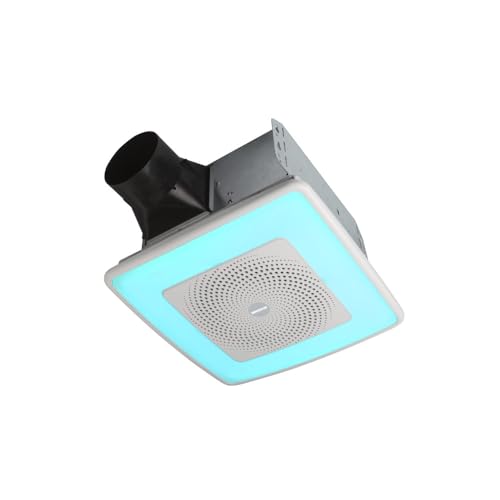
If you're planning other updates to the room at the same time, it's also worth checking your current bathroom lighting, since several exhaust fans now come bundled with an integrated light or heater that can simplify a combined upgrade.
Frequently Asked Questions
What size exhaust fan do I need for my bathroom?
Start with roughly 1 CFM per square foot of floor area, then round up if the room has a separate toilet area, a standalone tub, or a jetted tub. Most bathrooms land somewhere between 50 and 150 CFM depending on size.
Is a humidity sensor bathroom fan worth it?
It's worth it if your bathroom tends to stay steamy after showers or if different household members generate very different amounts of moisture. A sensor adjusts run time automatically instead of relying on a fixed timer setting.
Can I install a bathroom fan without attic access?
Yes. Look for a fan specifically labeled for retrofit or no-attic-access installation. These are designed to be mounted and ducted entirely from inside the bathroom, with the duct routed out through an exterior wall.
Does a bathroom fan have to vent outside?
Yes. The duct needs to terminate outdoors through a roof cap, soffit vent, or wall cap. Venting into an attic or crawl space traps moisture inside the structure and can lead to mold and rot.
What sone rating is considered quiet for a bathroom fan?
Around 0.5 to 1.5 sones is considered quiet for most households. Ratings above 3 or 4 sones tend to be noticeably loud and are more common in older or budget units.
How often should you clean a bathroom exhaust fan?
A quick wipe of the grille every few months and a more thorough cleaning of the housing and blades once or twice a year is enough for most homes. Dust buildup can quietly reduce airflow well before the fan sounds any different.
Should I run my bathroom fan continuously or only when showering?
Either approach works, but continuous low-speed operation with an automatic boost is helpful in consistently humid bathrooms or climates. For most homes, running the fan during and for 20 to 30 minutes after a shower is enough to clear moisture.
Making Your Decision
Picking the right fan comes down to matching CFM to your bathroom's size and fixtures, choosing a sone rating you won't be tempted to switch off, and deciding whether a humidity sensor or a simple timer fits how the room actually gets used. In the end, the best bathroom exhaust fans are simply the ones sized and installed correctly for the room they're in. Get the venting and duct sizing right at installation, keep up with basic cleaning, and a well-matched fan will keep moisture, odors, and mold concerns out of the bathroom for years.