Best Bathroom Wall Lights: What to Check Before You Buy

Most bathroom mirrors get stuck with the wrong lighting because whoever installed the fixture treated it like any other wall sconce. A single light centered above the glass throws a shadow straight down your face, which is why shaving lines end up uneven and why blush can look completely different once you step into daylight. The best bathroom wall lights solve that shadow problem, but they also have to survive a room that runs warm, humid, and gets splashed on a near-daily basis in a way no other room in the house does. Before you buy anything, it helps to know which moisture rating a spot near your sink actually needs, how fixtures should sit around a mirror to kill shadows, and which finishes hold up once steam becomes part of your morning routine.


Electrical Safety Zones: Where a Fixture Is Allowed Near Water
Bathroom wiring gets treated differently than the rest of the house because water and electricity in the same room is genuinely dangerous, so building codes split the space into zones based on how close a fixture sits to a tub or shower. The closer a fixture is to standing water or direct spray, the higher the moisture protection it legally needs to carry.
Damp Rated vs. Wet Rated, and Why It Is Not Optional
A fixture rated for damp locations is built to handle humidity and the occasional light splash, which covers most spots over a sink or vanity that sit a reasonable distance from the shower. A fixture rated for wet locations is sealed to handle direct spray or contact with water, and that rating becomes mandatory once you move into or right next to a shower enclosure or above a tub. Buying a damp rated fixture for a spot that actually needs a wet rating is one of the more common mistakes homeowners make during a remodel, and it is the kind of thing an inspector will flag.
How Close a Fixture Can Sit to a Tub or Shower
As a rough rule, anything mounted inside or within a few feet of a shower or tub needs to be rated for wet locations, while fixtures further away over a standard vanity typically only need a damp rating plus a circuit protected by a ground fault interrupter. If you are unsure which zone a specific wall falls into, it is worth confirming with an electrician rather than guessing based on distance alone, especially if you are also shopping for new shower doors as part of the same remodel, since an enclosure that seals less tightly can push more spray onto nearby walls than you would expect.
Light Quality That Actually Helps You Get Ready
Once safety ratings are settled, the next thing that separates a good vanity fixture from a mediocre one is how the light actually renders your face, not how many bulbs it holds.
Color Temperature for Accurate Skin Tone
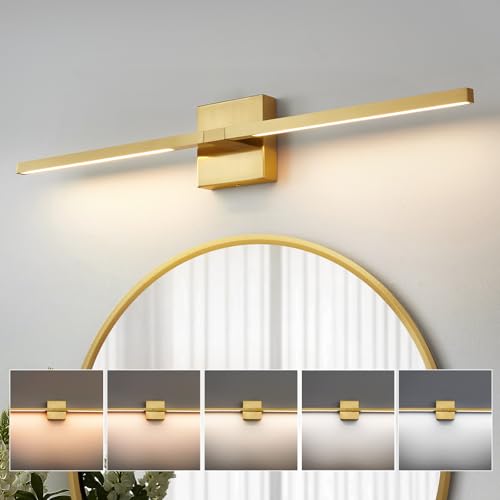
Color temperature determines whether light reads warm and yellow or cool and blue-white, and for a vanity, something in the 3000K to 4000K neutral range tends to work best for judging your real skin tone. Bulbs much warmer than that add a yellow cast that throws off how foundation or a fresh shave actually looks, while anything past 5000K can flatten skin tone and make makeup shades look off the moment you step outside.
CRI: The Spec Most Buyers Skip
Color Rendering Index, or CRI, measures how accurately a bulb reveals true color compared to natural daylight, and it matters more for a vanity than almost anywhere else in the house. Two bulbs can share the same color temperature and still look noticeably different on your skin if their CRI is not close, so look for a rating of 90 or higher rather than judging a fixture on brightness or bulb count alone.
How Much Brightness a Vanity Actually Needs
Total output across both fixtures matters more than the wattage printed on any single bulb, since manufacturers now rate output in lumens rather than watts. A pair of sconces flanking a mirror generally needs a combined output somewhere in the low thousands of lumens to feel genuinely bright rather than dim and moody, which is a different goal than the softer ambient lighting you would want in a living space.
Placing Fixtures So They Do Not Cast Shadows on Your Face
Even a fixture with perfect color temperature and CRI will disappoint if it is mounted in the wrong spot, so placement deserves as much attention as the specs on the box.
Height and Spacing Around the Mirror
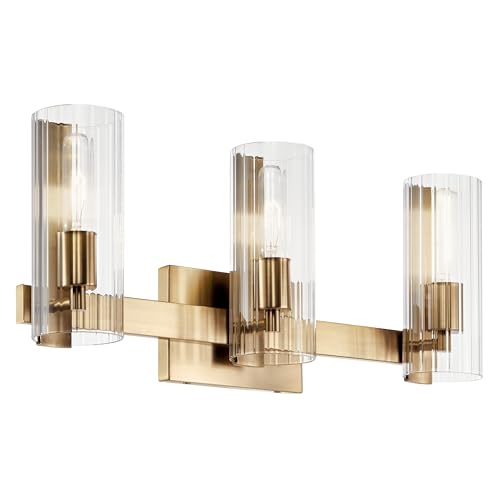
Sconces flanking a mirror should sit roughly at eye level, generally somewhere between 60 and 70 inches from the floor depending on the height of whoever uses the vanity most. Spacing them about 28 to 36 inches apart, adjusted for how wide the mirror is, keeps light landing evenly on both sides of your face instead of leaving one cheek brighter than the other. If a full vanity update is part of the plan, it helps to settle on bathroom vanity dimensions first, since sconce spacing depends on how wide the mirror above it ends up being.
Light Direction and Shade Material
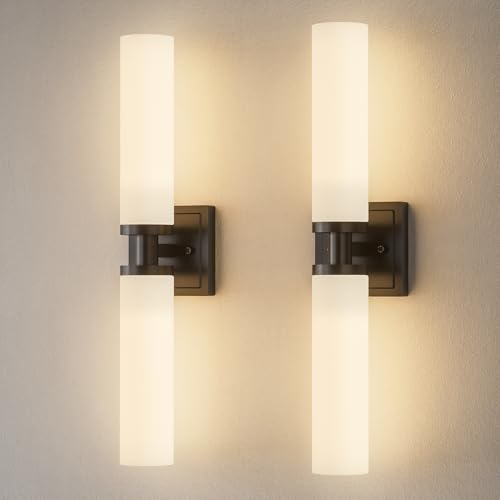
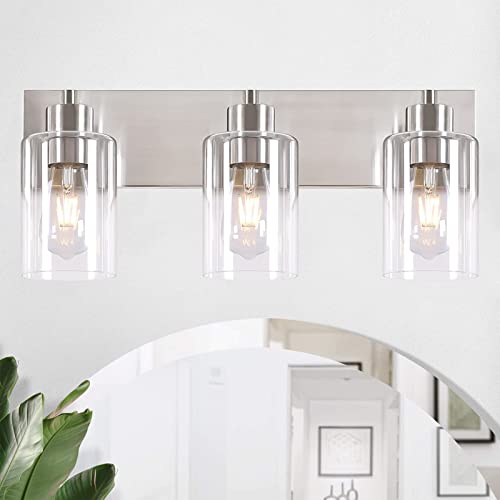
A frosted or opal glass shade spreads light more evenly across your face than a clear glass shade, which tends to create a harsher beam with visible hot spots rather than a soft wash of light. Fixtures that shine both upward and downward at once tend to give the most even coverage, since light bouncing off the ceiling fills in shadows that a purely downward fixture would leave under your brow and chin.
Finishes That Hold Up in a Humid Room
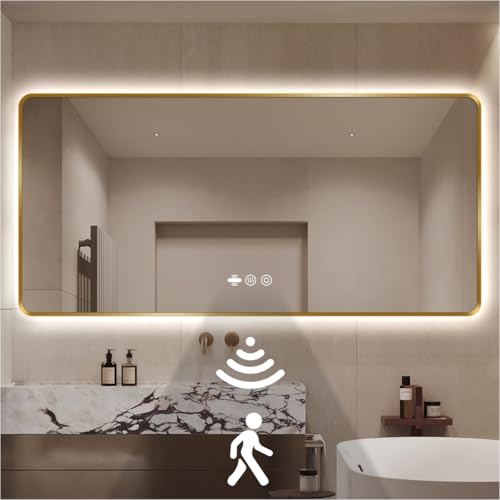
A bathroom runs through more heat and moisture cycles than any other room, and that takes a toll on metal finishes that would otherwise last for years elsewhere in the house. Raw or lightly sealed brass is one of the more common regrets, since it can tarnish and darken faster than expected in a room without strong ventilation, especially if it gets touched with bare hands during cleaning. Powder-coated finishes such as matte black tend to resist scratches, water spots, and tarnishing better than polished chrome or bare brass, which is part of why matte finishes show up so often in wet-room hardware. Chrome and nickel still work fine in a bathroom as long as the underlying fixture body is built for humid environments rather than adapted from a fixture meant for a dry room. If moisture and upkeep concern you more than fixture style, an LED bathroom mirror with the light source built into the glass is worth a look as an alternative to separate wall-mounted hardware entirely.
One Fixture or a Pair? Matching the Layout to Your Vanity
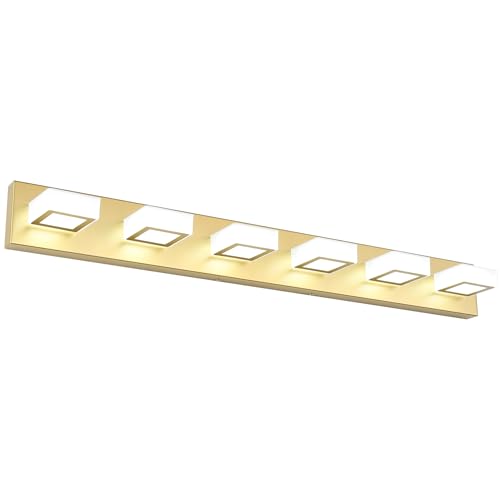
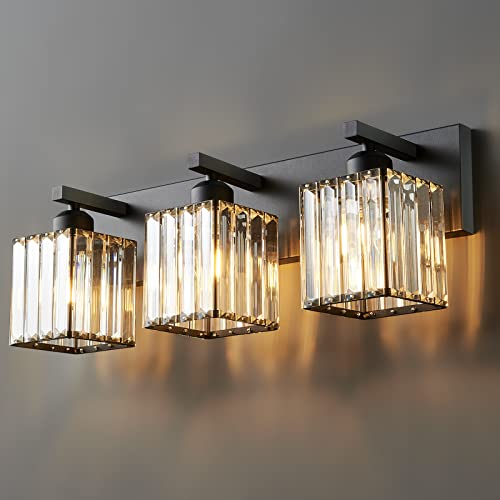
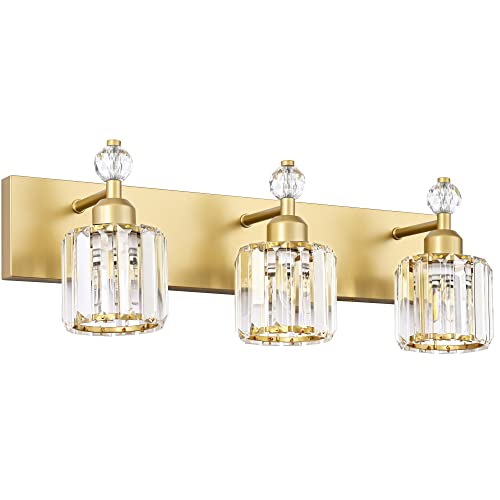
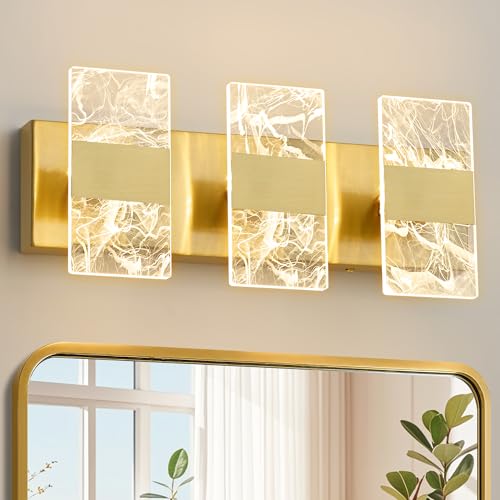
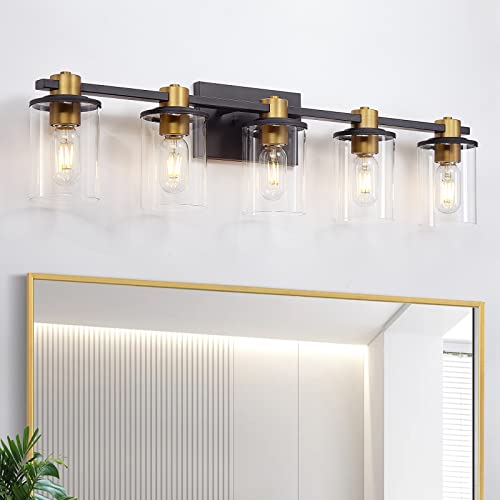
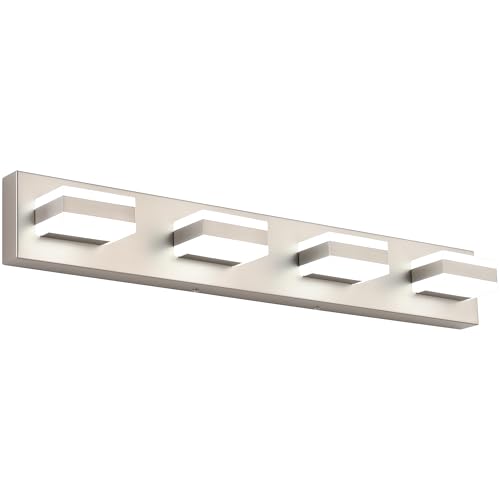
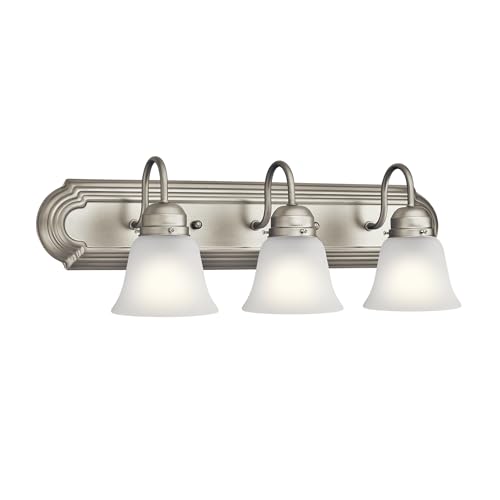
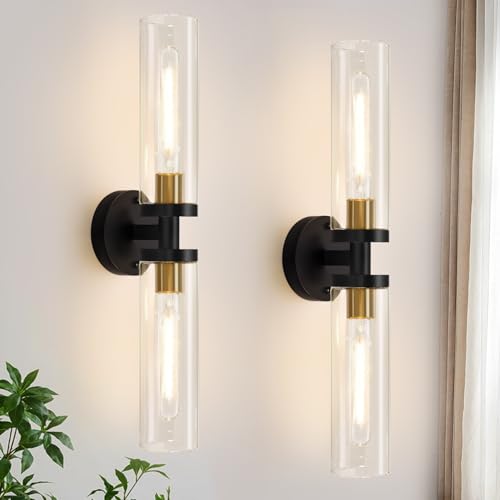
A symmetrical pair flanking the mirror is the standard for a reason: it lights both sides of your face evenly and is what most guides assume when they talk about the best bathroom wall lights for a vanity. Not every bathroom has the wall space for that, though, especially in a small guest bath or powder room where the mirror runs nearly edge to edge. In that case, a single horizontal bar mounted above the mirror, spread across several bulbs with a frosted diffuser, is a reasonable substitute, even though it will not fully match the shadow-free coverage of a flanking pair. Plug-in wall lights are also worth considering if running new wiring is not realistic, since they mount to the wall like a hardwired sconce but draw power from a nearby outlet instead. Whichever layout you land on, confirm the bulb, driver, and switch are all rated for LED dimming before wiring in a dimmer, since pairing an LED fixture with an older dimmer built for incandescent bulbs is a common cause of flickering.
Frequently Asked Questions
How many wall lights do you need for a bathroom vanity?
Two is the standard setup, mounted as a flanking pair at eye level on either side of the mirror. A single horizontal bar above the mirror can substitute when there is not enough wall space for a pair.
Can you put a wall light near a shower or tub?
Only if it carries a wet rating, since fixtures inside or close to the direct spray zone need hardware sealed to handle water contact. Fixtures further away over a standard vanity typically only need a damp rating.
What is the difference between damp rated and wet rated fixtures?
A damp rated fixture handles humidity and occasional light splashing, which suits most vanity locations away from direct spray. A wet rated fixture is sealed to withstand direct water contact and is required for spots inside or right next to a shower or tub.
How high should bathroom wall lights be mounted?
Most vanity sconces sit somewhere between 60 and 70 inches from the floor, which puts the light close to eye level for an average adult standing at the sink. The exact height shifts a bit depending on mirror size and who uses the vanity most.
What color temperature is best for a bathroom vanity?
Something in the 3000K to 4000K neutral range works best for most people, since it renders skin tone accurately without the yellow cast of warmer bulbs or the flat look of anything past 5000K. Pairing that with a CRI of 90 or higher makes the biggest difference in how true colors actually look.
Do bathroom wall lights need to be dimmable?
Not strictly, but a dimmer adds flexibility for switching between a brighter setting for grooming and a softer glow for an evening routine. Just confirm the bulb, driver, and switch are all LED-dimmer compatible before installing one.
What finish holds up best in a humid bathroom?
Powder-coated finishes like matte black tend to resist tarnishing, scratches, and water spots better than raw brass or polished chrome. Sealed brass and quality chrome still work, but they need a fixture body actually built for humid rooms rather than one borrowed from a dry space.
Making Your Decision
Picking the best bathroom wall lights for your space comes down to matching moisture rating, light quality, and placement to how you actually use the vanity every morning, not just how the fixture looks on a showroom wall. Get the safety zone right, mount the pair at eye level with a neutral, high-CRI bulb, and choose a finish that can handle steam without tarnishing within a year. Do that, and the fixture will do more for how you look in the mirror than any amount of extra wattage ever could.