Best All Mountain Bike Tire: Matching the Right Model to Your Routine for 2026
Disclosure: We may earn a commission when you buy through links on this page, at no extra cost to you. As an Amazon Associate I earn from qualifying purchases. Learn more

Match the best all mountain bike tire to your trails, weather and riding style with this guide to tread, casing, width and tubeless setup choices.
There is no single tire that is right for every rider, because all mountain riding covers smooth flow trails, loose climbs, wet roots, and rocky descents, sometimes in one loop. Chasing the best all mountain bike tire really means matching tread, casing, and width to the ground you ride most. A tire that feels glued on a rocky trail can feel slow and heavy on a mellow one.
This guide sorts the choice by your routine first, then explains the features that change grip, durability, and rolling speed. Use the comparison table below to see how the types differ, then check size and pressure guidance before you buy.


Who Should Buy Which Mountain Bike Tires?
For Bad Weather and Tough Conditions
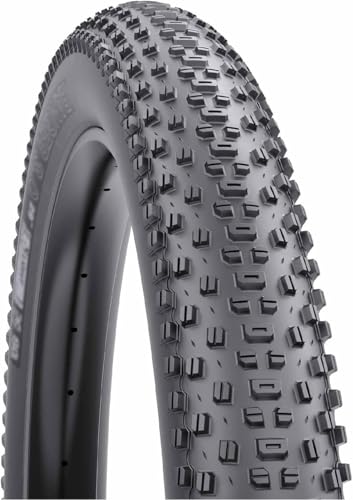
If you ride through wet seasons and rough ground, prioritize tall, widely spaced knobs that dig into mud and clear it instead of packing up. A softer rubber compound grips wet roots and rock better, and a reinforced casing with sidewall protection resists cuts from sharp stone. Wider tires also help here because you can run lower pressure for a bigger contact patch.
The cost is rolling speed and weight. Accept that trade if your trails are steep and technical. Riders who split time between trail and cross country can compare faster options in our guide to the best xc mountain bike tires, which favor lighter tread for climbing and distance.
For Frequent or Serious Users
Riders who go out several times a week should pay for durability first. A stronger casing, a wear resistant center compound, and tubeless ready construction will save money over a season because the tire survives rock strikes and seals small punctures instead of ending rides. Grip at the edges matters too, since hard cornering wears side knobs faster than the center.
Serious users often run different tires front and rear. A more aggressive front tire handles steering and braking, while a faster rear tire keeps rolling resistance down. That pairing is one of the best all mountain bike tires strategies for riders who want one setup to cover varied terrain without swapping wheels.
For Weekend Beginners
If you ride a few times a month on local trails, choose a balanced trail tread with medium height knobs, a casing that is tough enough for your rocks, and a price in the middle range, about $50 to $90 per tire. You do not need the lightest casing or the softest race compound, both of which wear faster.
Forgiveness matters more than peak grip while you learn. A tire with a predictable transition from center knobs to side knobs helps you feel cornering limits gradually. Riders focused on general trail use can also browse our guide to the best trail mountain bike tires for a narrower take on this same balanced category.
Choosing Mountain Bike Tires for Your Situation
Best Tire for All Mountain Bike: What to Prioritize
When you shop for the best tire for all mountain bike use on one main bike, prioritize versatility in this order: a tread that corners confidently on your driest and loosest trail, a casing matched to your rock level, and a width your rim supports well. A single do everything tire should err toward grip, because a crash costs more than a few watts of rolling drag.
Best Tires for All Mountain Bike: What to Prioritize
When you buy the best tires for all mountain bike riding as a matched pair, think of the set as a system. Put grip and braking control up front, and put durability and rolling speed at the rear, where most punctures and wear happen. Buying the pair together also keeps compounds and casing levels consistent, so handling stays predictable as both tires wear.
Key Features to Compare
Wheel Size and Tires
Your wheel diameter decides which tires fit at all. Most all mountain bikes use 29 inch or 27.5 inch wheels, and some run a 29 front with a 27.5 rear. The 29 size rolls over roots and rock more smoothly and holds speed, while 27.5 feels quicker to turn and suits smaller riders. If you ride a 29 setup, our guide to the best mountain bike tires 29 covers width pairings for that size.
Width is the other half. About 2.4 to 2.6 inches is the common all mountain range, balancing grip, cushion, and mud clearance. Check your rim width and frame clearance before going wider, and go tubeless if your rims allow it, because sealant closes small holes and lets you run lower pressure safely.
Bike Type and Riding Style
Match tread aggression to discipline. Cross country riding rewards low, tight knobs and light casings. Trail and all mountain riding need medium to tall knobs and real sidewall support. Enduro and downhill use bring the tallest knobs and the heaviest casings, which feel sluggish on gentle ground.
Be honest about your mix. If most miles are smooth and only one descent is rocky, a trail tread with a tougher casing beats a full enduro tire. Your suspension style plays a small part too, since a hardtail leans on rear tire volume for comfort, while full suspension lets the shock handle more of that work.
Common Mistakes to Avoid When Buying Mountain Bike Tires
- Choosing by price alone. The cheapest tire often has a weak casing, so one sidewall cut can cost more than the saving.
- Buying the wrong size. Check diameter, width, rim fit, and frame clearance before ordering, not after mounting.
- Copying a friend setup from different terrain. Tread that shines on dry rock can skate on your wet clay.
- Ignoring tubeless setup needs. You need compatible rims, tape, valves, and the best mountain bike tire sealant for the system to seal and hold air.
- Running pressure by feel. A few psi either way changes grip and rim protection more than a small tread change does.
Setup and Care Tips
Check tire pressure before every ride, because tubeless tires lose air slowly and grip depends on pressure more than most riders expect. Our guide to the best pressure for mountain bike tires gives starting points by rider weight and width. Add sealant every few months, since it dries out inside the tire.
Inspect knobs and sidewalls after rocky rides, and move a worn front tire to the rear only if the side knobs are still sound. Clean and lube the chain every 100 to 200 miles, keep the bike stored out of strong sunlight, and have a professional tune up yearly so worn brake pads or a bent rim do not get blamed on your tires.
Frequently Asked Questions
What tire width suits all mountain riding?
About 2.4 to 2.6 inches is the common range. Wider tires add grip and cushion, but check rim width and frame clearance before going bigger.
Do I need a different front and rear tire?
Not required, but many riders run a grippier front tire for steering and braking and a faster, tougher rear tire for rolling and wear.
Are tubeless tires worth it?
For most trail riders, yes. Sealant closes small punctures and you can run lower pressure for more grip, as long as your rims and tires are tubeless ready.
How often should I replace tires?
Replace tires when side knobs are worn, the casing shows through or cuts will not seal. Many riders change them every one to two seasons.
How much should I spend?
Expect about $50 to $90 per tire for a dependable model with a real casing and tubeless ready build. Spending less usually means weaker sidewalls.
The Bottom Line
Start with your terrain, then pick casing strength for your rocks, then set width and pressure for your weight and wheels. Those decisions decide grip and durability far more than brand or price tier. The right best all mountain bike tire for you is the one that corners with confidence on your home trails and survives them for a full season. Compare your shortlist in the product table above before you order a pair.